Have you ever reached for your cat’s dry food and wondered, “Can dry cat food spoil?” You’re not alone.
As a loving pet parent, you want to ensure that every meal you serve is fresh and nutritious. But understanding the shelf life of dry cat food can feel as tricky as deciphering your cat’s mood. What if we told you that knowing how to handle and store your feline friend’s food can make a significant difference in their health and happiness?
Stick with us, and you’ll uncover the secrets to keeping your cat’s diet both safe and delicious. Dive into this article to learn how to keep your furry companion’s meals fresh and flavorful every day.
Credit: vetmed.tamu.edu
Shelf Life Of Dry Cat Food
Dry cat food can spoil over time, losing its nutritional value. Exposure to air and moisture accelerates spoilage. To ensure freshness, store in a cool, dry place and use within the recommended timeframe.
Understanding the shelf life of dry cat food is crucial for every pet owner. You might think that because it’s dry, it can last forever, but that’s not the case. Knowing how long your cat’s food stays fresh ensures they’re getting the best nutrition and keeps your furry friend healthy and happy.What Affects The Shelf Life?
Several factors can influence how long dry cat food remains fresh. Packaging plays a big role; foods in airtight containers tend to last longer. Temperature and humidity where you store the food also matter. Storing it in a cool, dry place can extend its shelf life.How Long Does Dry Cat Food Last?
Typically, unopened bags of dry cat food can last anywhere from 12 to 24 months. Once opened, it should be consumed within six weeks to maintain optimal freshness and nutritional value. Check the “best by” date on the package, as it provides a good guideline.Signs Your Cat Food Might Be Spoiled
Spoiled cat food can put your pet’s health at risk. Look for changes in smell, texture, and color. If your cat suddenly refuses to eat their usual food, it might be time to inspect it closely.Proper Storage Tips
To make the most of your cat’s dry food, store it properly. Use airtight containers to keep the food fresh and prevent pests. Keep the food in a cool, dry place, away from direct sunlight.Can You Extend The Shelf Life?
While you can’t make dry cat food last forever, you can certainly maximize its freshness. Always reseal the packaging tightly after use. Consider buying smaller bags if you notice your cat doesn’t finish them quickly. Have you ever wondered if you’re storing your cat’s food correctly? Proper storage not only saves money but ensures your cat gets the best nutrition available. Always prioritize your pet’s health by keeping their food fresh and safe to eat.Signs Of Spoiled Cat Food
Dry cat food can spoil, impacting your cat’s health. It’s crucial to identify signs of spoiled food early. This ensures your feline friend stays healthy and happy. Spoiled food can cause digestive issues or worse. Understanding these signs helps you provide better care.
1. Strange SmellFresh dry cat food has a mild aroma. Spoiled food emits a strong, unpleasant smell. This odor is a clear sign of spoilage. If the food smells off, discard it immediately.
2. DiscolorationDry cat food should maintain its original color. Any change in color indicates spoilage. Look for unusual shades or spots. Brown or gray patches are warning signs.
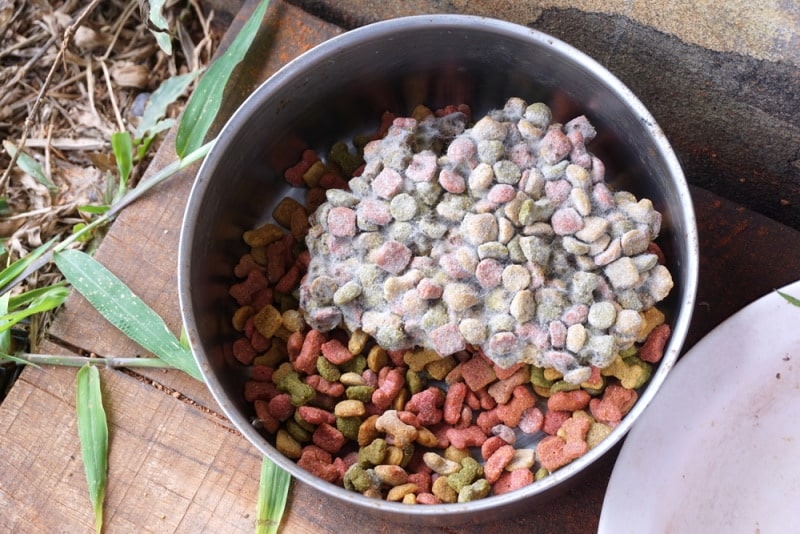
3. Mold GrowthCheck for visible mold or mildew. Mold appears as fuzzy patches on the food surface. Mold growth is a definite indicator of spoilage. Avoid feeding moldy food to your cat.
4. Texture ChangesDry food should remain crisp. Spoiled food feels damp or sticky. This change in texture suggests contamination. Touch the food to test its consistency.
5. Increased DustExcessive crumbs or dust in the food bag is unusual. This indicates the food is breaking down. Increased dust can mean the food is stale or spoiled.
6. Pests PresenceCheck the food storage area for pests. Insects or rodents indicate contamination. Pests are attracted to spoiled food. Ensure your cat’s food is stored securely.
Factors Affecting Freshness
Storage conditions play a significant role in dry cat food spoilage. Exposure to air and moisture can lead to rancidity. Check expiration dates to ensure freshness and maintain your feline’s health.
Understanding the factors affecting the freshness of dry cat food is crucial for ensuring your feline friend gets the best nutrition. Dry cat food can spoil, and the freshness depends on several conditions that you might not have considered. By keeping an eye on these factors, you can help maintain the quality and safety of your cat’s meals. Let’s dive into what impacts the freshness of dry cat food.Temperature And Humidity
Temperature and humidity levels in your home can significantly impact dry cat food freshness. High temperatures can cause the fats in the food to become rancid, while excessive humidity can lead to mold and bacterial growth. Consider storing cat food in a cool, dry place to prevent these issues and maintain its nutritional value.Packaging And Sealing
Have you ever noticed how some brands use resealable packaging? Proper packaging and sealing are vital for keeping dry cat food fresh. Once opened, exposure to air can lead to oxidation, affecting both flavor and nutrition. Use airtight containers after opening to keep the food fresh and safe for your cat.Expiration Dates
Ignoring expiration dates could be a costly mistake for your cat’s health. These dates provide an estimate of how long the food retains its optimal nutritional quality. While it might be tempting to use food past its expiration, doing so could compromise your cat’s health. Always check the expiration date before purchasing and feeding the food to your pet. Have you ever wondered if your storage habits could be affecting your cat’s food quality? Taking a few simple steps like monitoring temperature, ensuring proper sealing, and being mindful of expiration dates can make a world of difference. Your cat deserves the best, and maintaining the freshness of their food is a small step with big health benefits.Proper Storage Techniques
Proper storage techniques are crucial to ensure your dry cat food stays fresh and nutritious. Incorrect storage can lead to spoilage, impacting both the health of your feline friend and your wallet. Let’s dive into some practical methods to keep your cat’s food in top condition.
Ideal Storage Containers
Choosing the right container can make all the difference. Airtight containers are your best bet. They lock out moisture and pests, preserving the food’s quality. Consider using BPA-free plastic or glass containers for safety and durability. This prevents any chemical leaching into the food.
I learned the hard way when I used a regular plastic bin and found my cat’s food stale after a week. Switching to an airtight container kept the food fresh and crunchy. Have you checked your current containers?
Optimal Storage Locations
Location matters as much as the container. Store cat food in a cool, dry place, away from direct sunlight. Heat and humidity accelerate spoilage. A kitchen cabinet or pantry works well. Avoid storing it in garages or basements, where temperature fluctuations are common.
Once, I stored a bag in my garage, thinking it was convenient. A month later, I noticed a weird smell due to fluctuating temperatures. It was a valuable lesson. Is your cat food stored in a temperature-stable area?
Tips For Bulk Purchases
Buying in bulk can save money, but it requires careful planning. Seal opened bags tightly and consider splitting large quantities into smaller portions. This minimizes exposure to air and moisture. Use a rotation system to ensure older batches are used first.
When I first bought a bulk pack, I stored it all together. By the time we reached the end, it had lost its freshness. Now, I divide it into weekly portions, and my cat enjoys every meal. How do you handle bulk purchases?
Adopting these storage techniques can significantly extend the shelf life of your dry cat food. It ensures your pet gets the nutrition they need while keeping your investment safe. What storage strategies do you use to keep your pet’s food fresh?
Impact On Cat Health
Dry cat food is a convenient option for many pet owners. It lasts longer and is easy to store. Yet, like any food, it can spoil. Spoiled dry cat food can have serious effects on a cat’s health. Understanding these impacts is crucial for ensuring your feline’s well-being.
Nutritional Degradation
When dry cat food spoils, its nutrients break down. Essential vitamins and minerals can diminish over time. Cats need these nutrients to maintain health. Degraded food may leave your cat lacking in vital nourishment. A lack of nutrients affects their energy and immune system. Always check the expiration date to ensure food quality.
Potential Health Risks
Spoiled dry cat food poses health risks. Mold can grow in expired food. Mold can produce harmful toxins. These toxins may lead to food poisoning. Cats eating spoiled food may face digestive issues. Vomiting, diarrhea, and stomach pain are common symptoms. Long-term consumption can damage your cat’s organs.
Ensuring dry food is fresh protects your cat. Store it properly to prevent spoilage. Keep it in a cool, dry place. Regularly check for signs of spoilage. Your cat’s health depends on safe, nutritious food.
Credit: www.catster.com
Common Storage Mistakes
Improper storage can lead to dry cat food spoiling. Exposure to air and moisture deteriorates its quality. Sealed containers help maintain freshness and prevent mold growth.
Storing dry cat food properly is crucial for keeping it fresh and safe for your feline friend. Many cat owners unknowingly make mistakes that can lead to spoilage. Understanding these common pitfalls can help you ensure your cat’s food remains nutritious and appealing.Leaving Bags Open
One of the most frequent mistakes is leaving the bag open. An open bag invites moisture and air, which can cause the food to go stale quickly. Always seal the bag tightly after each use or transfer the food into an airtight container.Storing In Warm Areas
Heat is the enemy of dry cat food. Storing it near a window or an oven can lead to faster spoilage. Choose a cool, dry place, like a pantry or a cupboard, to keep the food fresh longer.Keeping Food In Original Packaging
Many people keep cat food in its original bag. However, these bags are not always airtight. Consider transferring the kibble to a sealable container to protect it from air and pests.Ignoring Expiry Dates
Checking expiry dates might seem obvious, yet it’s often overlooked. Feeding your cat expired food can lead to health issues. Make it a habit to check dates regularly and rotate stock to use older bags first.Buying In Bulk
While buying large quantities may seem cost-effective, it can lead to spoilage. If you can’t use the food before it expires, it’s better to buy smaller bags. This ensures your cat always has fresh food.Not Cleaning Storage Containers
Reusing storage containers without cleaning them can contaminate new food. Residue and oils from old kibble can spoil the fresh batch. Wash and dry containers thoroughly before refilling them.Overlooking Moisture
Moisture is a silent destroyer of dry cat food. If you notice any dampness, it’s best to discard the affected food. Always check storage areas for leaks or humidity. Have you made any of these mistakes? Adjusting how you store your cat’s food can make a big difference in its freshness and your cat’s health.Expert Tips For Longevity
Dry cat food can spoil if not stored properly. Exposure to air, moisture, or extreme temperatures can lead to mold and bacteria. Always check expiration dates and store in a cool, dry place to ensure freshness.
Keeping your cat’s dry food fresh is crucial for their health and happiness. Many cat owners wonder if dry cat food can spoil and how to make it last longer. The good news is, with a few expert tips, you can extend the shelf life of your cat’s kibble and ensure every meal is as nutritious as the first.Store In A Cool, Dry Place
Heat and moisture are the enemies of dry cat food. Storing it in a cool, dry place helps maintain its freshness. An airtight container can further protect against humidity and pests.Use The Right Storage Containers
While the bag the food comes in is designed to keep it fresh, transferring it to a container is often more effective. Use a container with a tight-fitting lid. This prevents air exposure and retains the food’s original aroma and taste.Check Expiry Dates
Always pay attention to the expiry date on the packaging. Even dry food has a shelf life. Mark your calendar to remind yourself of the expiration to avoid feeding your cat stale food.Buy Smaller Quantities
Buying in bulk might seem economical, but it can lead to spoilage if not consumed in time. Smaller bags ensure the food is used up while still fresh. This approach also allows you to try new flavors without waste.Seal The Bag Properly
If you prefer keeping the food in its original bag, ensure it is sealed properly after each use. Use a bag clip to keep it airtight. This simple step can prevent the food from going stale.Regularly Clean The Storage Container
Leftover crumbs and oil can accumulate in storage containers, affecting the freshness of new food. Clean the container thoroughly before refilling. This simple habit can significantly enhance the longevity of your cat’s food.Monitor For Changes
Be vigilant about any changes in smell or texture. These can indicate spoilage. If you notice anything unusual, trust your instincts and replace the food. By applying these practical tips, you can ensure your cat always enjoys fresh and nutritious meals. Have you ever noticed how your cat reacts to stale food? Share your experiences and tips in the comments!
Credit: www.weruva.com
Frequently Asked Questions
How Can You Tell If Dry Cat Food Is Bad?
Check for mold, pests, or unusual odors in dry cat food. Notice changes in color or texture. Observe if your cat refuses to eat it. Check expiration date and store properly to maintain freshness.
How Long Does It Take For Dry Cat Food To Spoil?
Dry cat food typically spoils within six months if unopened. Once opened, it lasts four to six weeks. Store in a cool, dry place to extend freshness. Check for changes in smell, texture, or color to detect spoilage. Always seal the bag tightly to maintain quality and prevent contamination.
Can Cats Get Sick From Old Dry Food?
Yes, cats can get sick from eating old dry food. It may develop mold, bacteria, or lose nutrients over time. Always store it in a cool, dry place and check expiration dates to ensure safety. Fresh, high-quality food is vital for your cat’s health.
Is It Okay For Cats To Eat Expired Dry Food?
Feeding cats expired dry food can pose health risks. Expired food may lose nutrients and develop harmful bacteria. Always check the packaging for the expiration date. If the food smells or looks unusual, discard it. Providing fresh food ensures your cat’s safety and well-being.
Conclusion
Dry cat food can spoil. Proper storage is crucial. Keep it in airtight containers. Avoid warm, humid places. Check expiration dates regularly. Spoiled food harms cats. It loses nutrients. It can cause illness. Be vigilant. Monitor your cat’s health. If they refuse food, inspect it.
Smell and look for mold. Fresh food keeps cats healthy. Be proactive. Store food wisely. Safe practices ensure your cat’s well-being. Always prioritize their nutrition. Regularly check for signs of spoilage. A small effort makes a big difference. Your cat deserves the best care.