As a cat owner, you want nothing more than to ensure the health and happiness of your feline friend. But when you hear the term “FeLV” — Feline Leukemia Virus — it’s natural for worry to creep in.
Is FeLV contagious to other cats? This is a question that haunts many cat lovers like you, and understanding the answer is crucial for protecting your pets. Imagine having the peace of mind knowing exactly how FeLV spreads and what you can do to prevent it.
Dive into this article where you’ll uncover the truths and myths surrounding FeLV transmission, equipping you with the knowledge to safeguard your furry companions. Your cats deserve a safe environment, and by learning more, you’re taking a vital step towards securing their well-being. Don’t leave your cats’ health to chance; read on to discover the essential information you need to know.
Understanding Felv
Understanding FeLV is crucial for cat owners. FeLV, or Feline Leukemia Virus, affects many cats worldwide. It impacts their health and can spread to other cats. Knowing about FeLV helps in managing risks and ensuring feline well-being. This section delves into FeLV, its symptoms, and its contagious nature.
What Is Felv?
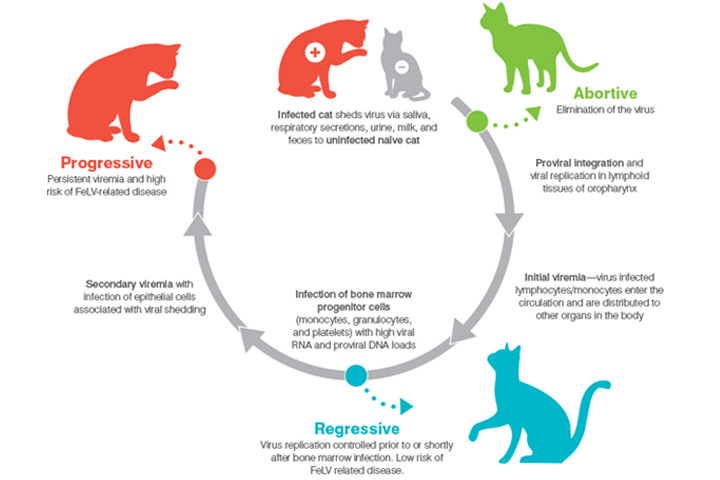
FeLV stands for Feline Leukemia Virus. It weakens a cat’s immune system. Infected cats become prone to illnesses. FeLV spreads through saliva, blood, and other fluids. Sharing food bowls or grooming can transmit it. Early detection is key to managing FeLV.
Symptoms In Cats
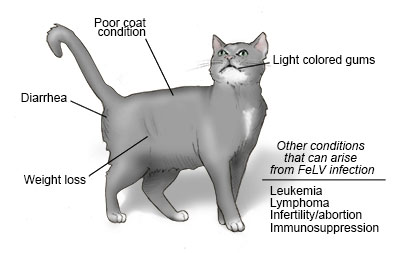
Cats with FeLV show various symptoms. Persistent fever is common. Weight loss occurs over time. Many cats experience fatigue. Pale gums often indicate anemia. Some cats develop infections easily. Not all infected cats show symptoms immediately. Regular vet check-ups are essential for early detection.
Credit: blissanimalhospital.com
Transmission Of Felv
FeLV spreads easily among cats through close contact like grooming, sharing food bowls, or mutual grooming. It poses a significant risk in multi-cat households. Regular veterinary check-ups help manage and prevent its spread.
Feline Leukemia Virus (FeLV) poses a risk to cats. It’s a viral infection impacting their immune system. Understanding how it spreads is crucial. This helps in keeping your cats safe. FeLV spreads primarily through close contact. Direct contact plays a significant role in transmission.How Felv Spreads
FeLV spreads through saliva, blood, and urine. Sharing food bowls increases the risk. Cats grooming each other can pass the virus. Bites during fights are also a common way. A mother cat can pass it to her kittens. Close, prolonged contact is a big factor.Factors Increasing Risk
Outdoor cats face a higher risk. They encounter more unknown cats. Multi-cat households are also at risk. Infected cats may not show signs immediately. Regular vet check-ups are vital. Vaccination can offer some protection. Keeping cats indoors reduces their risk. `Felv And Cat-to-cat Transmission
Feline Leukemia Virus (FeLV) poses serious health risks to cats. Understanding its transmission is vital for cat owners. FeLV primarily spreads through direct contact. Cats living closely are at higher risk. Knowing how it spreads helps in prevention.
Direct Contact Risks
FeLV spreads through saliva, blood, and urine. Grooming and sharing bowls increase the risk. Bite wounds also transmit the virus. An infected mother can pass it to her kittens. Casual contact is less risky, but still possible.
Environmental Factors
FeLV does not survive long outside a cat’s body. The virus is weak in the environment. It dies quickly on surfaces. Cleaning and disinfection reduce environmental risks. Shared spaces need regular sanitation.
Prevention Strategies
Feline Leukemia Virus (FeLV) spreads easily among cats. Sharing bowls, grooming, and close contact increase the risk. Separating infected cats and maintaining cleanliness can help prevent transmission. Regular vet check-ups are crucial for early detection and management.
Preventing the spread of Feline Leukemia Virus (FeLV) is crucial. It helps protect your cats from this contagious disease. Early action can stop the virus from spreading. Implementing effective prevention strategies can make a difference.Vaccination
FeLV vaccines are available. They help reduce the risk of infection. Consult your vet about vaccination schedules. Regular vaccines build immunity against the virus. Not all cats need the vaccine. It’s essential for cats at high risk. Discuss with your vet to decide what’s best.Isolation Of Infected Cats
Separate infected cats from healthy ones. Isolation prevents the virus from spreading. Use a separate room for sick cats. Limit their interaction with healthy cats. This strategy protects your healthy cats. Keep infected cats comfortable and cared for. Regular vet check-ups are necessary. They help monitor the health of infected cats.Living With Felv Positive Cats
FeLV spreads easily among cats through close contact, like grooming or sharing food bowls. Infected cats can pass the virus through saliva, blood, or urine. Keeping FeLV positive cats separate from healthy ones helps prevent transmission.
Living with FeLV Positive Cats can be a rewarding yet challenging experience. Understanding the nuances of managing their health and ensuring their social interactions are safe is crucial. Many cat owners have found themselves in this situation and discovered practical ways to provide their cats with a fulfilling life despite the diagnosis. How can you ensure your FeLV positive cat remains healthy and happy while living alongside other cats?Managing Health
Your FeLV positive cat’s health management is paramount. Regular vet check-ups can help you stay on top of any changes in their condition. Keep a close eye on their appetite, weight, and energy levels. Providing a balanced diet rich in nutrients boosts their immune system. Some cat owners swear by adding supplements recommended by their veterinarians. You might consider this if your vet advises it. Monitoring their environment is equally vital. Ensure they have a stress-free space with plenty of cozy spots to rest. Stress can exacerbate health issues, so maintaining calm surroundings can make a difference.Socializing Safely
Socializing safely is essential for FeLV positive cats. You might worry about transmission to other cats in your home. It’s a valid concern, but with precautions, you can manage it effectively. Consider keeping your FeLV positive cat separate from others during feeding or grooming times. This reduces risk and maintains peace of mind. Some cat owners opt for designated play areas where interactions can be supervised. How do you ensure your cat still feels part of the family? Engage them with toys and activities that can be enjoyed alone or with human companions. This keeps their spirits high and reduces feelings of isolation. Living with a FeLV positive cat requires a bit more planning, but the bond you share remains strong. With careful management and thoughtful socializing, you can create a harmonious home for all your feline friends.
Credit: savingorphansouls.org
Myths And Misconceptions
Many believe feline leukemia virus (FeLV) spreads easily among cats. FeLV is contagious, but requires close contact to transmit. Sharing food bowls or grooming can increase risk. Understanding transmission helps protect healthy cats from this virus.
Understanding the myths and misconceptions surrounding Feline Leukemia Virus (FeLV) is crucial for any cat owner or enthusiast. Misunderstandings about the disease can lead to unnecessary fear and poor decision-making regarding your cat’s health. Let’s clear the fog and shed light on the truth about FeLV.Common Misunderstandings
Many believe that FeLV is as easily spread as the common cold. This is not true. FeLV is transmitted through close contact, such as grooming or sharing food bowls, but not through casual encounters. It’s important to know the difference, so you don’t isolate your cat unnecessarily. Another common belief is that all cats with FeLV will get sick immediately. The truth is, some cats can live for years without showing any symptoms. I once had a friend whose cat was diagnosed with FeLV but lived a full, healthy life for several years. It’s a reminder that a diagnosis isn’t always a dire prediction.Addressing Concerns
One major concern is the impact of FeLV on multi-cat households. The risk of transmission exists, but it can be managed with care. Regular vet visits and maintaining good hygiene can make a significant difference in managing this risk. Are you worried about your FeLV-positive cat suffering? Remember, not every FeLV-positive cat experiences severe symptoms. With proper care, many cats continue to enjoy life. Consider the emotional aspect too. Fear of FeLV can sometimes lead to hasty decisions about a cat’s future. Before making any choices, consult with your vet to understand all the options and implications. By addressing these myths and misconceptions head-on, you empower yourself to make informed decisions. So, what have you discovered that might change your approach to FeLV?
Credit: harubina.co.jp
Frequently Asked Questions
How Long Is Felv Contagious To Other Cats?
FeLV remains contagious as long as the infected cat sheds the virus. This can last for months or a lifetime. Regular veterinary check-ups and isolating infected cats help prevent the spread to others.
Can You Keep A Cat With Feline Leukemia?
Yes, you can keep a cat with feline leukemia. Ensure they live indoors and receive regular veterinary care. Avoid exposing them to healthy cats, as the virus spreads through saliva. Provide a clean, stress-free environment and balanced nutrition to enhance their quality of life.
Can Leukemia Be Passed From One Cat To Another?
Yes, leukemia can spread from one cat to another through saliva, bites, or sharing food bowls and litter boxes. It’s essential to keep infected cats separate to prevent transmission. Regular vet check-ups can help in early detection and management. Vaccination also reduces the risk of infection.
How Long Does Felv Live In A Litter Box?
FeLV can survive in a litter box for a few hours. It thrives in moist environments. Regular cleaning with disinfectant helps prevent the virus’s spread and ensures your cat’s safety. Always maintain good hygiene to protect your feline friend from potential infection.
Conclusion
FeLV spreads easily among cats. Important to know for all cat owners. Protect your feline friends through vaccination and regular vet visits. Keep infected cats separated to reduce risk. Understanding FeLV helps ensure a safer environment. Healthy habits can prevent the virus from spreading.
Ensure your cat’s health with proper care and attention. Stay informed about FeLV to protect your furry companions. Awareness is key in keeping your pets safe. Always consult a vet for expert advice. Keeping cats safe is crucial for their well-being.
Make informed decisions for your cats’ health.