Have you ever caught your dog sneaking a taste of your cat’s dinner? You’re not alone.
Many pet owners wonder whether it’s safe for their dogs to munch on cat food. This question isn’t just about satisfying your dog’s curiosity; it’s about ensuring their health and well-being. Understanding the differences between cat and dog nutrition can be a game-changer for your furry friend’s diet.
What seems like an innocent nibble might actually have surprising effects. Could there be hidden risks lurking in that bowl of cat food? Or perhaps unexpected benefits? Before you let your pup indulge in their feline friend’s feast, let’s dive into what you need to know. Your dog’s health could depend on it. Keep reading to uncover the truth and make informed choices that keep your pet happy and healthy.
Nutritional Differences
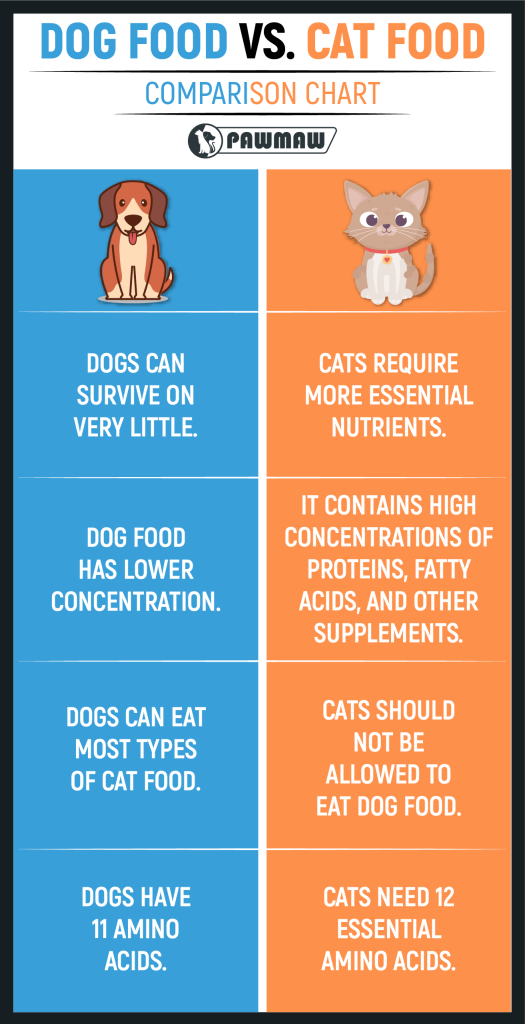
Cat food often contains higher protein and fat levels suited for feline needs, which can be unsafe for dogs. Dogs require a balanced diet with specific nutrients that cat food might lack, potentially leading to health issues. Always ensure your dog’s diet is appropriate for their unique nutritional requirements.
Cats and dogs may both be adorable and furry, but their dietary needs are quite different. Feeding your dog cat food might seem harmless, especially if your pup seems to enjoy it. However, understanding the nutritional differences between cat and dog food is crucial for your pet’s health. Let’s break down some of these differences so you can make informed decisions for your furry friend.
Protein Content
Cats are obligate carnivores, meaning their diet requires a high percentage of protein. Cat food typically contains more protein than dog food to meet these needs. Dogs, on the other hand, are omnivores. They thrive on a balanced diet that includes not just protein but also carbohydrates and fats. Feeding your dog cat food regularly can lead to an overload of protein, which might strain their kidneys over time. Have you ever noticed your dog sneaking into your cat’s food bowl? It might be tempting to let them indulge. But remember, moderation is key. Consider if the extra protein is really beneficial for your dog.
Fat Levels
Cat food often contains higher fat levels compared to dog food. This is because cats require more fat in their diet for energy and a shiny coat. For dogs, too much fat can lead to obesity and other health issues like pancreatitis. If you frequently feed your dog cat food, you risk throwing their diet out of balance. Think about your dog’s energy levels and weight. Is your pup putting on the pounds? It might be time to assess their diet and ensure they’re not getting too much fat from sneaking cat food.
Vitamin And Mineral Balance
Cats need certain vitamins and minerals that dogs don’t. For example, taurine is essential for cats but not required in dog food. Feeding your dog cat food may result in an excess of some nutrients and a deficiency in others. This imbalance could affect their overall health and vitality. Have you checked the ingredient labels on your pet’s food lately? Comparing them can give you a better understanding of their nutritional needs. Are you meeting your dog’s specific requirements, or are they getting a mix meant for another species? Understanding these nutritional differences helps you make better choices for your dog’s diet. Next time your dog eyes the cat’s food, you’ll know just what to do!
Reasons Dogs Eat Cat Food
Have you ever caught your dog sneaking bites from your cat’s food bowl and wondered why? You’re not alone. Many pet owners find their dogs indulging in cat food, raising questions about why this happens. Let’s explore some common reasons behind this curious behavior.
Taste Preference
It’s no secret that cat food often has a richer aroma and taste compared to dog food. Manufacturers formulate cat food to appeal to felines, who are natural carnivores. This often means higher fat and protein content, which can be irresistible to dogs. Imagine trying to resist a delicious dessert when it’s right in front of you; dogs have a similar struggle. Have you noticed your dog sniffing around when you open a can of cat food? It’s the enticing aroma that draws them in.
Accessibility
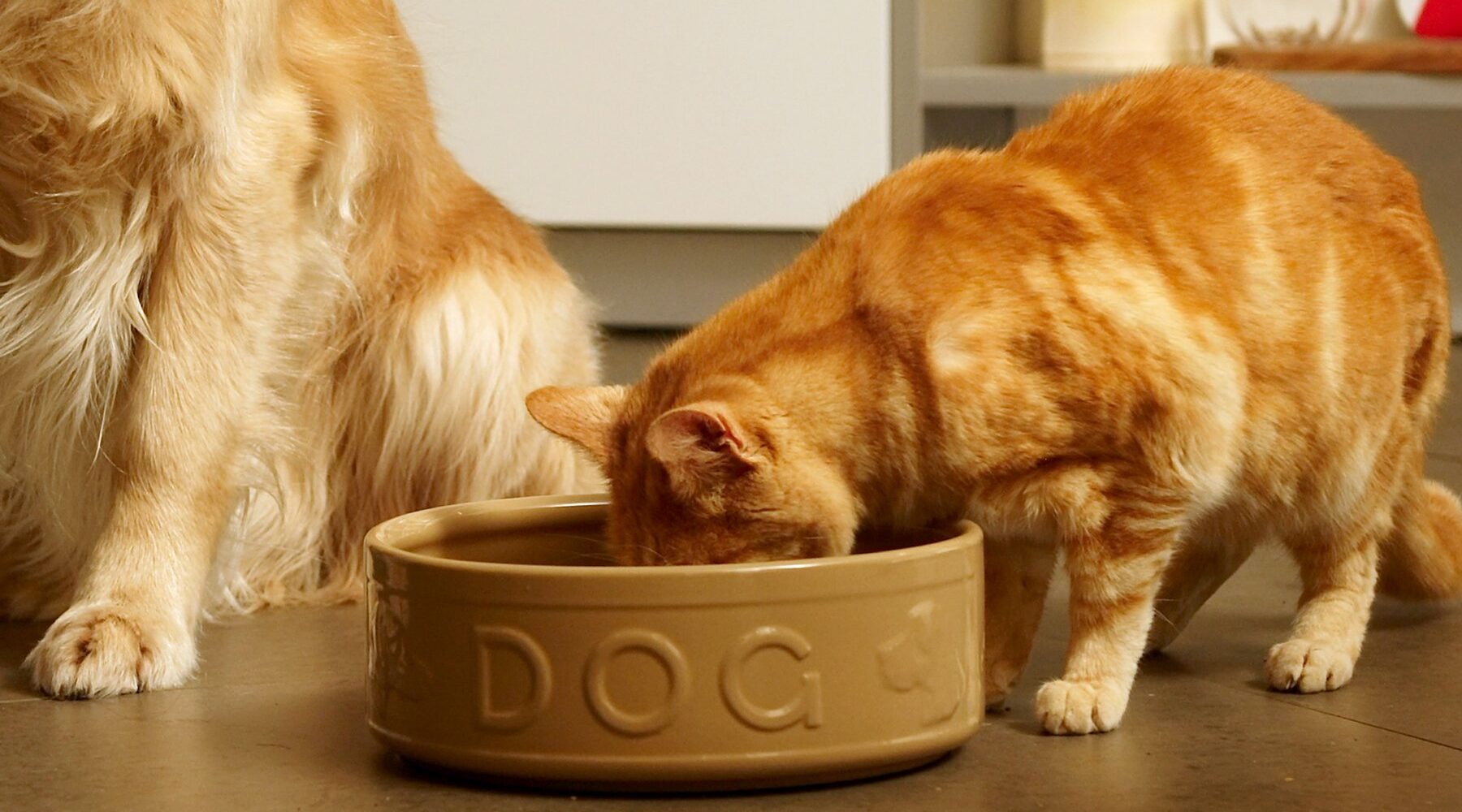
Where you place your cat’s food can make a big difference. If it’s easy for your dog to access, they might see it as a treat. Many households keep cat food bowls on the floor, making it an easy target. Think about it—if you had a snack within reach all day, wouldn’t you be tempted to grab it? Consider placing the cat food somewhere your dog can’t reach. This simple change could deter your dog from snacking on cat food.
Curiosity And Habit
Dogs are naturally curious animals. Sometimes, they eat cat food simply because it’s something new and different. If your dog has tried cat food once and liked it, they might continue due to habit. Breaking this habit can be challenging, especially if your dog believes it’s part of their daily routine. Have you ever noticed how dogs seem to explore the world through their mouths? This curiosity can lead them to try anything within reach, including cat food.
Understanding these reasons can help you make informed decisions about your pets’ eating habits. Have you tried adjusting your feeding strategy, or is there another approach that works for you? Share your experiences and solutions in the comments below, and let’s solve this mystery together!
Potential Risks
Many pet owners wonder if cat food is safe for dogs. While it might seem harmless, feeding cat food to dogs can pose several risks. Dogs and cats have different dietary needs. Feeding them the wrong food can lead to health issues. Understanding these risks can help keep your dog healthy and happy.
Digestive Issues
Cat food is rich and high in protein. This can upset a dog’s stomach. Dogs might experience diarrhea or vomiting. Their digestive system isn’t designed for such rich diets. Stomach pain can make your dog uncomfortable. If symptoms persist, consult a vet.
Weight Gain
Cat food often contains more fat. Dogs consuming it regularly may gain weight. Obesity in dogs leads to other health problems. Joint issues and heart problems are common. Keeping your dog’s diet balanced helps maintain a healthy weight.
Nutritional Imbalance
Cat food lacks nutrients dogs need. Dogs require different vitamins and minerals. Cat food doesn’t provide these essentials. Over time, nutritional gaps can affect a dog’s health. This can weaken their immune system. Ensure your dog receives a diet suited for them.
Credit: www.cronullavetclinic.com.au
Long-term Health Effects
Feeding your dog cat food might seem harmless at first. Yet, it’s crucial to understand the long-term health effects. Dogs and cats have different dietary needs. Continuous consumption of cat food can lead to serious health issues for dogs.
Pancreatitis
Cat food contains high amounts of fat. This excess fat can trigger pancreatitis in dogs. Pancreatitis causes the pancreas to become inflamed. Symptoms include vomiting and stomach pain. Long-term, it can severely impact your dog’s health.
Organ Stress
Dog bodies struggle with the high protein in cat food. This leads to stress on the organs. The kidneys and liver work harder to process the protein. Over time, this can result in organ damage. Proper dog food supports healthy organ function.
Allergic Reactions
Ingredients in cat food might cause allergies in dogs. Allergic reactions manifest in various ways. Skin irritation, itching, and digestive issues are common signs. Long-term exposure increases these allergic responses.
Safe Alternatives
Many pet owners wonder if cat food is safe for dogs. While occasional consumption may not harm, regular feeding can lead to health issues. Dogs require nutrients tailored to their needs. Instead of cat food, consider safe alternatives for your furry friend. These options ensure your dog receives a balanced diet without compromising health.
Dog-specific Food Options
Dog-specific foods are formulated to meet canine nutritional needs. High-quality brands offer balanced diets with essential vitamins and minerals. Choose foods with real meat as the first ingredient. Look for options with omega-3 fatty acids for healthy skin and coat. Avoid foods with artificial preservatives. This ensures your dog gets safe and nutritious meals every day.
Homemade Diets
Homemade diets allow control over ingredients and quality. Fresh meats, vegetables, and grains offer balanced nutrition. Cooked chicken, beef, and fish are great protein sources. Include vegetables like carrots and spinach for fiber and vitamins. Rice or potatoes can provide healthy carbohydrates. Consult a vet to ensure the homemade diet meets your dog’s nutritional needs.
Treat Recommendations
Choose dog-specific treats for safe snacks. Options like chicken jerky or peanut butter biscuits are popular. Look for treats with limited ingredients. Avoid treats with artificial flavors or colors. Fresh fruits like apples or blueberries can be healthy treats. Remember, treats should complement a balanced diet, not replace it.

Credit: www.consolata.org
Veterinarian Insights
Exploring pet nutrition reveals that while cats and dogs share similarities, their dietary needs differ. Cat food lacks essential nutrients for dogs, making it unsafe for regular consumption. Occasional ingestion may not harm, but reliance on cat food can lead to health issues in dogs over time.
When it comes to feeding our beloved pets, you might wonder if it’s okay for your dog to nibble on cat food. Dogs and cats have different dietary needs, and while it might be convenient to share food between your furry friends, it’s crucial to understand the potential risks and benefits. Veterinarians provide valuable insights into how cat food can impact your dog’s health and what steps you should take if your dog occasionally indulges in it. Let’s dive into the specifics with expert advice and practical tips.
Professional Advice
Veterinarians emphasize that cat food is formulated specifically for cats, not dogs. Cats are obligate carnivores, needing higher protein levels and particular nutrients like taurine. Dogs, on the other hand, are omnivores and require a more balanced diet. Feeding your dog cat food occasionally might not be harmful, but it shouldn’t become a habit. If your dog loves cat food, consult with your vet to understand the potential health implications. They can offer guidance on how to manage this curiosity and suggest dog-friendly alternatives that satisfy your pet’s palate.
Monitoring And Adjustments
Keep an eye on your dog’s health if they’ve eaten cat food. Look for signs like digestive upset, vomiting, or diarrhea. While a single snack might not harm, regular consumption can lead to nutrient imbalances or weight gain. Adjust your dog’s diet if you notice any adverse effects. Consider locking away the cat food or feeding your pets separately to avoid temptation. Have you caught your dog munching on your cat’s meal? It might be time to tweak your feeding routine to keep both pets healthy and happy. Being proactive and observant ensures your dog gets the nutrients they need while avoiding potential health issues.
Managing Mixed-pet Households
Cats and dogs often share homes, but their diets shouldn’t mix. Cat food contains nutrients that may not suit dogs. It’s essential to keep their meals separate to ensure both pets stay healthy and happy. Always consult a vet for advice on feeding different pets.
Managing a household with both cats and dogs can be challenging. Their dietary needs differ, and it’s crucial to manage their feeding. Some dogs may be tempted to eat cat food. Understanding the right strategies can keep both pets healthy.
Feeding Strategies
Feeding pets together can lead to problems. Dogs might eat cat food, which isn’t ideal. To avoid this, set a strict feeding schedule. Feed your pets at the same time each day. Use different bowls for each pet. This helps them understand their own food.
Separate Feeding Areas
Designate different areas for feeding cats and dogs. Cats often prefer elevated spaces. Consider placing cat food on a countertop or shelf. Dogs usually eat from floor-level dishes. Separation reduces the chance of food swapping. It also minimizes stress for both animals.
Routine And Supervision
Create a routine that both pets understand. Supervise meals initially until they know where to eat. Keep an eye on their behavior during mealtime. This helps you ensure they eat their designated food. Consistent supervision builds a peaceful mealtime environment. Managing these aspects can lead to a harmonious household. Your pets will thrive with appropriate feeding habits.

Credit: www.petmd.com
Frequently Asked Questions
What Happens If My Dog Eats Cat Food?
Dogs eating cat food occasionally isn’t harmful. Regular consumption can cause nutritional imbalance, weight gain, or digestive issues. Cat food is high in protein and fat, which isn’t suitable for dogs long-term. Monitor your dog and consult a vet if any symptoms arise.
Can You Give Cat Food To A Dog?
Feeding cat food to a dog occasionally isn’t harmful, but it’s not recommended. Dogs require different nutrients. Cat food lacks the right balance for dogs. Regular consumption can lead to health issues. Always choose dog-specific food for optimal nutrition. Consult a vet if you’re unsure about your pet’s diet.
What Should I Do If My Dog Only Wants To Eat Cat Food?
Consult your vet for advice on dietary needs. Gradually mix dog food with cat food. Ensure a balanced diet. Offer dog food first before cat food. Avoid feeding only cat food to prevent nutritional imbalances.
Is It Good For Dogs To Eat Dry Cat Food?
Dry cat food isn’t ideal for dogs. It lacks essential nutrients dogs need and may cause digestive issues. Cats and dogs have different dietary requirements. Occasionally consuming small amounts is usually safe, but regular feeding isn’t recommended. Always prioritize a balanced diet specifically formulated for dogs to maintain their health.
Conclusion
Feeding dogs cat food occasionally might not harm them. Differences in nutrition exist. Cat food lacks essential nutrients for dogs. It can lead to health issues. Regular consumption isn’t recommended. Consult your vet for advice. They can suggest safe alternatives.
Homemade or commercial dog food suits them best. Keep an eye on your dog’s diet. Avoiding cat food is wise. It’s crucial for their health. Dogs need balanced nutrition. Always prioritize their well-being. Make informed decisions about their diet. Your dog’s health depends on it.