Are you standing in the pet food aisle, wondering just how much cat food your feline friend truly needs? You’re not alone.
Determining the right amount of food for your cat can be puzzling. Yet, it’s crucial for their health and happiness. Overfeeding can lead to obesity and health issues, while underfeeding might leave your furry companion hungry and unsatisfied. You’ll discover the secrets to getting it just right.
So, whether you’re a new cat parent or a seasoned pro, read on to ensure your cat’s bowl is perfectly portioned every time. Your cat will thank you with purrs and nuzzles!
Credit: www.petmd.com
Factors Influencing Cat Food Requirements
Cat food needs depend on age, weight, and activity level. A growing kitten eats more than an adult cat. Indoor cats may require fewer calories than outdoor ones.
Understanding how much cat food your feline friend needs can feel like a puzzle. It’s more than just reading labels. Various factors influence your cat’s food requirements, and knowing these can ensure your cat stays healthy and happy. Let’s dive into the different aspects that affect how much you should be feeding your cat.
Age And Life Stage
Kittens have different dietary needs than adult cats. They require more calories and nutrients to support rapid growth. Consider your cat’s age and choose food formulated for their life stage to meet their nutritional needs. Older cats may need fewer calories, but they benefit from foods that support joint health and mobility. Feeding your senior cat a diet designed for older felines can help manage their changing metabolism.
Weight And Body Condition
Is your cat a bit on the plump side? Or are they lean and trim? A cat’s weight and body condition should guide how much food you provide. Overfeeding can lead to obesity, while underfeeding might leave your cat undernourished. Monitor your cat’s weight regularly and adjust food portions accordingly to maintain an ideal body condition.
Activity Level
An active cat that loves to play and explore will burn more calories. They’ll need more food to fuel their adventures. On the other hand, a couch-potato kitty might need less food to avoid gaining excess weight. Consider your cat’s activity level when determining their food portions.
Health Status
Does your cat have any health issues? Cats with certain medical conditions may require special diets. For instance, a cat with diabetes might need a diet low in carbohydrates. Always consult your vet to ensure your cat’s health status is considered when planning their meals. Taking all these factors into account helps you customize your cat’s diet to their unique needs. What adjustments have you made to your cat’s feeding regimen? Your insights might just help another pet parent in the same boat.
Types Of Cat Food
Different types of cat food, like dry, wet, and raw, can affect how much a cat needs daily. Each type provides varying nutrients and calories, impacting portion sizes. Understanding your cat’s dietary needs helps in determining the right amount to feed.
Understanding the types of cat food available is crucial for determining how much your cat should eat. The variety of cat food can be overwhelming, but each type serves a unique purpose and comes with its own benefits. Whether you’re a new cat owner or a seasoned pet parent, knowing the differences can help you make informed choices about your cat’s diet.
Dry Food
Dry food, or kibble, is a popular choice for many cat owners. It’s convenient, often more affordable, and has a longer shelf life than other options. One of my cats loved the crunch of kibble, which also helped keep her teeth clean. However, it’s important to monitor portion sizes, as dry food is calorie-dense and can lead to overeating. Kibble can be left out for longer periods, making it ideal for cats who prefer to graze throughout the day. But, it’s crucial to ensure your cat stays hydrated, as dry food contains less moisture. Consider combining dry food with other types to balance nutrition and hydration.
Wet Food
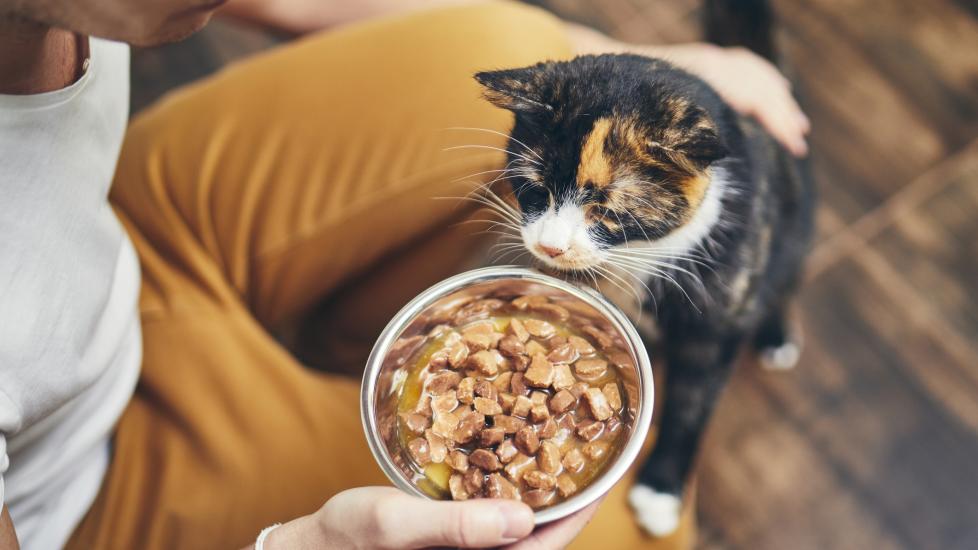
Wet food typically comes in cans or pouches and contains a higher moisture content. This makes it a great option for cats that don’t drink much water. One of my previous cats had a kidney issue, and incorporating wet food helped maintain her hydration. Wet food is generally more palatable and can be beneficial for picky eaters or older cats with dental issues. However, it can be more expensive and has a shorter shelf life once opened. Pay attention to the portion recommendations on the packaging to avoid overfeeding.
Raw And Homemade Options
Raw and homemade cat food is gaining popularity among cat owners who prefer a more natural diet for their pets. It allows you to control exactly what goes into your cat’s meals, which can be ideal for cats with allergies. I once tried a homemade diet for my cat with specific health needs, and it made a noticeable difference in her energy levels. However, preparing raw or homemade food requires careful planning to ensure a balanced diet. You must ensure the right mix of proteins, fats, vitamins, and minerals. Consulting with a veterinarian or a pet nutritionist is vital if you choose this route. Have you ever considered trying a new type of cat food for your feline friend? It’s worth exploring different options to find what suits your cat’s health and preferences best. Each type of food has its unique benefits and understanding these can help you make more informed decisions about your cat’s diet.
Daily Caloric Needs
Cats have specific dietary needs. Their daily caloric intake is crucial. It affects their health and energy levels. Understanding these needs helps ensure a balanced diet.
Calculating Caloric Intake
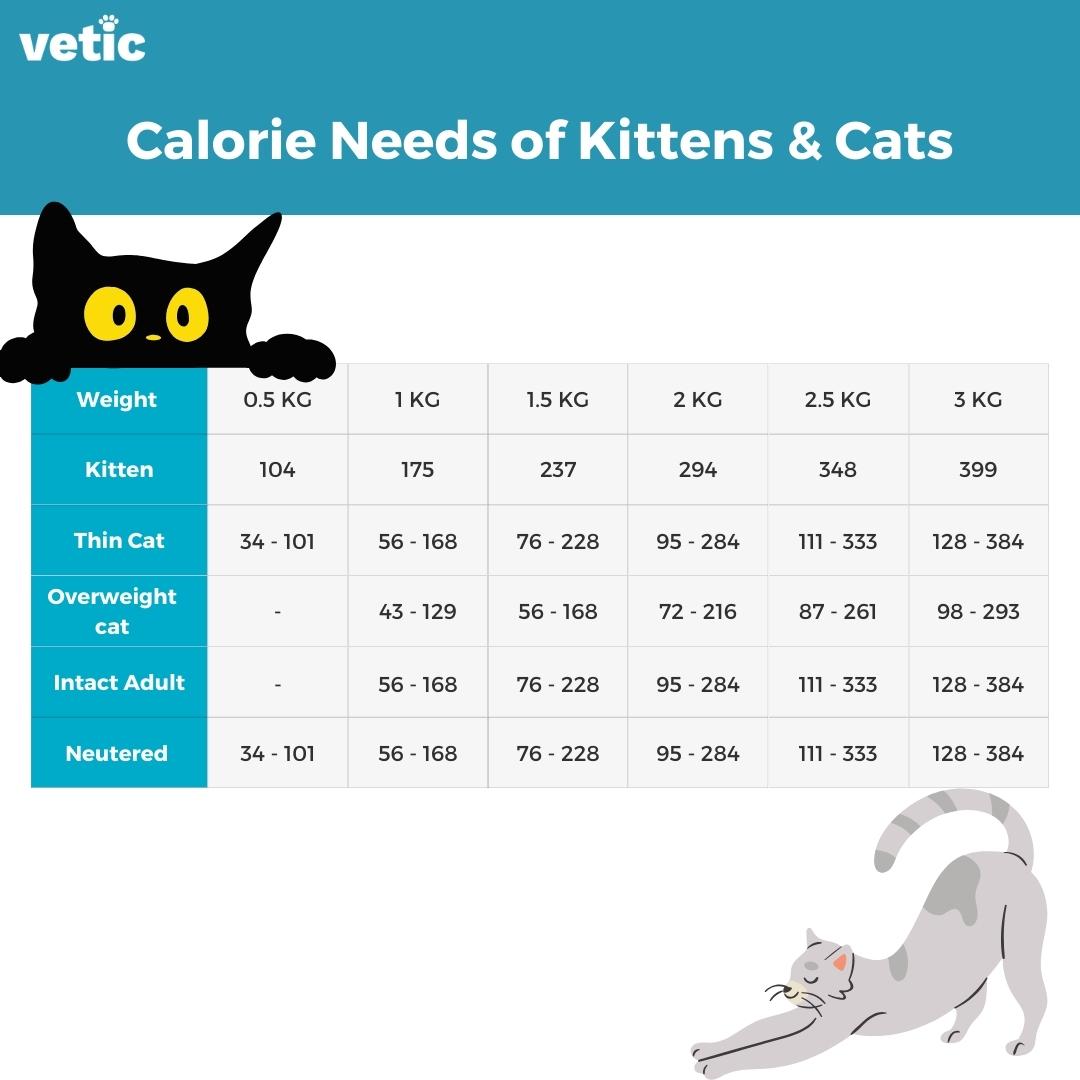
To find the right calories, consider the cat’s weight. A simple formula helps. Multiply the cat’s weight in kilograms by 30. Then add 70. This gives a basic calorie estimate. For example, a 4 kg cat needs about 190 calories daily. But this is just a starting point.
Factors like age, activity, and health matter too. Kittens need more calories. Older cats might need fewer. Active cats burn more energy. Adjust the calculation to fit these variables.
Adjustments For Weight Management
Weight management is important. Overweight cats face health risks. Adjust calories to control weight. Reduce the intake by 10-20% for weight loss. Monitor the cat’s weight weekly. Make small changes as needed.
Underweight cats need more calories. Increase their intake slowly. Aim for a gradual weight gain. Consult a vet for severe weight issues. They can provide a tailored plan.

Credit: www.reddit.com
Feeding Frequency
Understanding feeding frequency helps keep your cat healthy. Cats have unique feeding needs. They require a specific routine for optimal health. Their feeding frequency impacts their energy levels and weight. Planning meals properly is crucial for their well-being.
Meal Schedules
Setting a consistent meal schedule benefits cats. It helps regulate their metabolism. Scheduled meals provide structure. This routine can prevent overeating. Most cats thrive on two to three meals daily. This schedule mimics their natural hunting habits. Offering meals at the same times daily can create a sense of security.
Free Feeding Vs. Scheduled Feeding
Free feeding lets cats eat whenever they want. Food is available all day. This method works for some cats. It can lead to obesity in others. Scheduled feeding offers controlled portions. It prevents excessive weight gain. Cats on scheduled feeding often develop healthier eating habits. Owners can monitor their cat’s intake better with scheduled feeding.
Portion Sizes
Understanding the right portion sizes for your cat is crucial. It ensures they stay healthy and happy. Overfeeding or underfeeding can lead to health issues. Knowing how much to feed is essential for their well-being.
Determining Portion Sizes
Portion sizes depend on your cat’s age and weight. Activity level also plays a role. Kittens need more food than adult cats. Active cats require more calories than less active ones. Start by checking the food packaging for guidelines. It often provides a good starting point. Consulting with a vet can offer personalized advice.
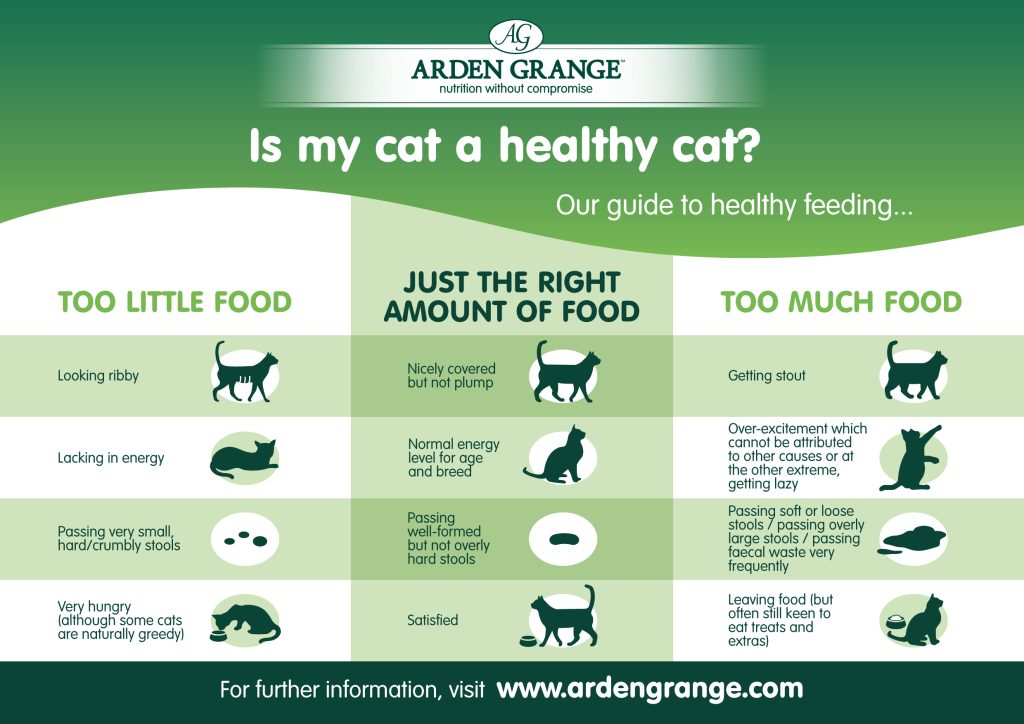
Signs Of Overfeeding And Underfeeding
Observe your cat for signs of overfeeding. Weight gain is a clear indicator. Lethargy and reduced activity might also suggest too much food. On the other hand, signs of underfeeding are different. Weight loss is a primary symptom. A dull coat and lack of energy may occur. Regularly checking your cat’s weight helps monitor their food needs. Adjust portions based on these observations.
Special Dietary Considerations
Feeding a cat isn’t just about filling a bowl. Special dietary considerations play a crucial role in their overall health. Cats are unique creatures with specific needs. Some cats require special diets to thrive. Understanding these needs can ensure your feline friend stays healthy and happy.
Cats With Medical Conditions
Cats with medical conditions often need tailored diets. Conditions like diabetes, kidney disease, or obesity require specific food choices. Diabetic cats may need high-protein, low-carb meals. Cats with kidney disease benefit from low-phosphorus diets. Obese cats require calorie-controlled portions. Consulting a vet ensures the right dietary plan.
Allergies And Sensitivities
Food allergies or sensitivities can affect many cats. Symptoms include itching, vomiting, or diarrhea. Identifying the allergen is crucial. Common culprits include beef, dairy, or fish. Hypoallergenic or limited-ingredient foods can help. Always introduce new foods gradually. This helps identify potential allergens safely.
Consulting A Veterinarian
Feeding your cat the right amount is crucial. It ensures their health and happiness. But figuring out the exact amount can be tricky. Cats have unique dietary needs. Consulting a veterinarian can provide clarity. A vet offers personalized advice based on your cat’s health and lifestyle.
When To Seek Professional Advice
Visit a vet if your cat gains or loses weight quickly. Also, if your cat refuses to eat for more than a day. Changes in eating habits can signal health issues. A vet can diagnose problems and suggest solutions. New cat owners should also consult a vet for feeding guidance.
Understanding Veterinary Recommendations
Vets consider several factors before recommending food amounts. They assess your cat’s age, weight, and activity level. Health issues like diabetes or kidney problems influence food needs. Vets might suggest specific food brands or types. Follow their advice for optimal cat health.
Credit: vetic.in
Monitoring And Adjusting Diet
Monitoring and adjusting your cat’s diet is vital for their health. Cats need different food amounts based on age, weight, and activity level. Regularly checking your cat’s diet prevents weight issues and ensures they’re getting proper nutrition. A balanced diet keeps your cat healthy and happy. Below, learn how to track weight and identify nutritional imbalances.
Tracking Your Cat’s Weight
Regularly weigh your cat to monitor health. Use a digital scale for accuracy. Record their weight monthly. A stable weight indicates a balanced diet. Sudden weight changes need attention. Overweight cats risk health issues. Underweight cats might lack nutrients. Adjust food portions based on weight trends. Consult a vet for drastic weight changes.
Signs Of Nutritional Imbalance
Nutritional imbalance shows in your cat’s behavior and appearance. Look for dull fur or skin issues. Energy levels can drop. Your cat may refuse food or water. Observe for digestive problems like diarrhea. Excessive shedding is another sign. Nutritional imbalances require dietary changes. Consider changing food brands or types. Always consult a vet for guidance.
Frequently Asked Questions
Is 1 Cup Of Cat Food Too Much?
The amount depends on your cat’s age, size, and activity level. Check the cat food packaging for guidelines. Consulting your vet can ensure proper nutrition. Adjust as needed for weight management. Monitor your cat’s behavior and appetite for signs of overfeeding or hunger.
How Much Cat Food Should A Cat Eat A Day?
An adult cat typically needs 24 to 35 calories per pound daily. Consult your vet for specific needs. Most cats eat 2 to 4 small meals daily. Adjust portions based on activity and weight. Always provide fresh water.
What Is The 25 Rule For Cat Food?
The 25% rule for cat food means that if a product is labeled as “Chicken Dinner,” it must contain at least 25% chicken, excluding water. This ensures transparency in ingredient content, helping cat owners make informed choices. Always check the label for details on meat content.
How Much Food Is Needed For A Cat?
Feed cats based on age, weight, and activity level. Adult cats typically need 24-35 calories per pound daily. Always check the packaging for specific feeding guidelines, as different brands may vary. Consult your vet for personalized recommendations, ensuring your cat receives balanced nutrition for optimal health.
Conclusion
Feeding your cat the right amount is crucial. It ensures they stay healthy. Start by understanding their age, weight, and activity level. Each cat is unique. Consult your vet for tailored advice. Measure food portions carefully. Avoid overfeeding to prevent obesity.
A balanced diet keeps your cat active and happy. Regularly check their weight for changes. Adjust food portions as needed. A little effort goes a long way. Your cat’s health depends on proper nutrition. Keep learning about their needs. Make informed choices for a happier pet.