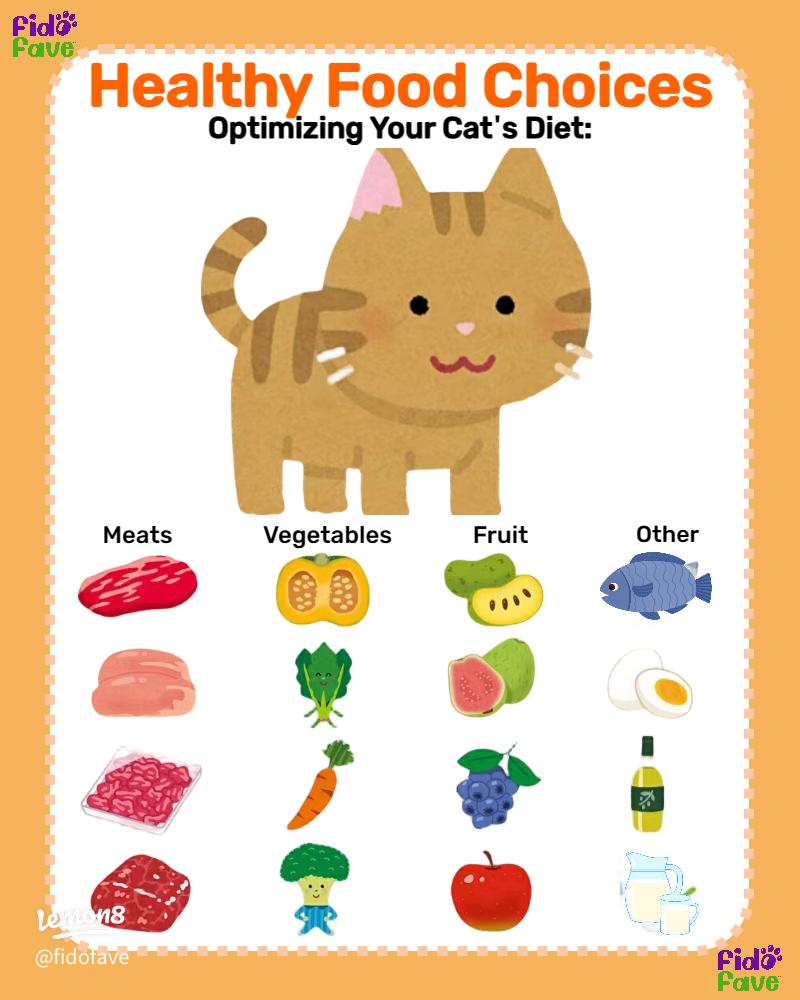
Are you curious about what your feline friend can munch on besides the regular cat food? You’re not alone.
Many cat owners wonder if there’s more to their pet’s diet than just kibble or canned food. After all, variety is the spice of life, even for cats! Understanding the full range of foods that are safe and beneficial for your cat can not only boost their health but also make mealtime more exciting.
Imagine the joy on your cat’s face when you offer them something different and delicious. Stick around to discover surprising and safe options that you can incorporate into your cat’s diet, ensuring they get the nutrition they need while keeping their taste buds delighted.
Natural Prey
Cats enjoy a diverse diet beyond commercial cat food. Birds, mice, and insects often serve as natural prey. Their hunting instincts drive them to seek out these creatures in the wild, showcasing their natural behaviors.
Cats are natural hunters. Their instinct drives them to hunt prey. Even domestic cats chase small animals. This behavior reflects their ancestral roots. Understanding what cats eat in the wild helps pet owners. It provides insights into their dietary needs. Natural prey offers cats essential nutrients. Let’s explore what cats hunt and eat.Mice And Small Rodents
Mice are a cat’s favorite prey. They are easy to catch and plentiful. Mice provide proteins and essential fats. These nutrients are vital for a cat’s health. Cats also hunt other small rodents. Voles, rats, and moles are common targets. These animals offer similar nutritional benefits. Hunting keeps cats active and mentally sharp.Birds And Insects
Cats often hunt birds. Birds present a challenge, which cats enjoy. They provide lean protein and minerals. Catching a bird improves a cat’s hunting skills. Insects are another target for cats. They are rich in protein and easy to find. Grasshoppers, crickets, and beetles are common choices. Eating insects satisfies a cat’s natural curiosity.
Credit: fynesaudiology.com
Human Foods
Cats are curious creatures with diverse tastes. While cat food is essential, cats sometimes enjoy human foods. It’s important to know which foods are safe for them. Offering the right human foods can be a delightful treat for your feline friend.
Meat And Fish
Cats are natural carnivores. They love meat and fish. Cooked chicken and turkey are safe options. These meats provide protein and nutrients. Fish like salmon and tuna can be a tasty treat. Ensure the fish is cooked and bones are removed.
Fruits And Vegetables
While cats mainly eat meat, some enjoy fruits and vegetables. Small pieces of apple or banana can be given. Carrots and peas are also safe for cats. These foods offer fiber and vitamins. Always serve them in small amounts.
Dairy Products
Many cats love dairy products. A small amount of cheese or yogurt can be offered. These foods should be given sparingly. Some cats are lactose intolerant. Monitor their reaction after consuming dairy. If they show discomfort, avoid these foods.
Herbs And Plants
Cats enjoy nibbling on herbs like catnip and mint. Some felines also munch on plants such as grass, which aids digestion. It’s essential to ensure these are safe and non-toxic to keep your furry friends healthy.
Cats are curious creatures with diverse tastes. They nibble on more than just cat food. Many cats enjoy herbs and plants that are safe and nutritious. Understanding these can enrich your cat’s diet and health.Catnip And Cat Grass
Catnip fascinates many cats with its aromatic scent. It belongs to the mint family. Cats may roll, chew, or lick it, resulting in playful behavior. Catnip is safe in moderation and can be a fun treat. Cat grass provides essential fiber. It aids in digestion and helps prevent hairballs. Cats often chew on it instinctively. This grass is a safe and healthy option for indoor cats.Safe Indoor Plants
Cats may explore houseplants out of curiosity. Some indoor plants are safe for them. Spider plants are non-toxic and attractive to cats. They can chew on them without harm. Another safe choice is the Areca Palm. It adds greenery to your home and is cat-friendly. Bamboo plants are also safe and can survive cat nibbles. Always ensure plants are non-toxic. Avoid dangerous plants like lilies. They can be harmful to cats. Keep your feline friends safe by choosing pet-friendly greenery.Homemade Treats
If you’re a cat owner, you might have wondered what else your feline friend can enjoy besides the usual cat food. Homemade treats can be a delightful addition to their diet, offering variety and special moments of bonding. Making treats at home ensures you know exactly what goes into your cat’s snack, providing peace of mind and a chance to cater to their unique tastes.
Cooked Chicken Or Turkey
Many cats enjoy cooked chicken or turkey as a tasty treat. These lean meats are an excellent source of protein, which is essential for their health. You can simply boil or bake the chicken or turkey without any seasoning or additives. Make sure to cool it down before serving.
Personally, I discovered that my cat prefers turkey over chicken. It was a fun experiment, and now turkey is a special reward for good behavior. Have you tried offering your cat a choice between these two? You might be surprised at their preferences.
Tuna Treats
Tuna is another favorite among cats. It’s not just for humans! You can make a simple tuna treat by mixing canned tuna with a bit of flour and baking it into small cookies. This makes for a crunchy, flavorful snack.
Be cautious with tuna, though. While cats love it, too much can lead to health issues because of its high mercury content. Moderation is key. Have you noticed how your cat reacts to tuna? Their excitement might tell you all you need to know!
Creating homemade treats for your cat can be a rewarding experience. It allows you to explore what they love while ensuring their diet stays healthy. What unique treat have you made for your furry friend? Sharing your experiences can lead to new ideas and stronger connections with your pet.
Commercial Supplements
Cats are curious creatures, often showing interest in things outside their regular diet. While cat food provides essential nutrients, you might wonder what else can supplement your feline’s diet. Commercial supplements offer a variety of options to enhance your cat’s health. These supplements can be a great addition, especially if your cat has specific nutritional needs.
Nutritional Powders
Nutritional powders are a convenient way to boost your cat’s intake of essential nutrients. These powders can be sprinkled on their food, offering a quick and easy method to enrich their diet. Many powders are designed to support coat health, joint mobility, or digestion.
Imagine your cat shedding less or showing more energy after adding a powder to their meals. Always check the labels and choose powders that are tailored to your cat’s age and health status.
Vitamins And Minerals
Vitamins and minerals play a crucial role in maintaining your cat’s overall health. You might have noticed your cat’s fur becoming dull or their energy levels dropping. Vitamins like B12 or Omega-3 can help with these issues, improving their coat and vitality.
Minerals such as calcium and phosphorus are vital for strong bones. If your cat seems less playful or struggles with jumping, it could be a sign they’re missing these nutrients. Have you ever thought about the minerals your cat might be missing?
Always consult with your vet before adding supplements to ensure they’re safe and beneficial for your pet. What supplements does your cat love, and have you seen any changes in their behavior or health?
Hydration Choices
Cats enjoy a variety of foods beyond standard cat food. Cooked chicken or fish can be a tasty treat. Some cats also like small amounts of cheese or yogurt. Always ensure any additional food is safe and healthy for feline consumption.
Hydration is as important for cats as it is for humans. But what if your cat turns its nose up at the water bowl? You might be surprised to learn that there are other options to keep your feline friend hydrated. Let’s explore some practical and interesting hydration choices that go beyond the typical water dish.Water Alternatives
Not all cats are enthusiastic about drinking plain water. Have you noticed your cat showing more interest in your glass of water than its bowl? Try switching up the container—a shallow bowl or a pet fountain might spark their curiosity. Cucumber slices are a simple treat that offers hydration. They are mostly water, and many cats enjoy the crisp texture. Always remember to peel them and cut into small, manageable pieces to avoid any choking hazards.Broths And Soups
Broths can be a tempting hydration source for cats. My cat, Whiskers, absolutely loves chicken broth! Make sure it’s low-sodium and free of onions and garlic, which can be harmful to cats. Consider making a homemade broth by simmering plain chicken or fish in water. Once cooled, offer it as a tasty drink or mix it with their regular food to increase moisture content. Have you thought about trying cat-friendly soups? These can be found in pet stores and are specifically designed to provide both nutrition and hydration. A small bowl of soup can be a delightful treat that keeps your cat’s hydration levels up. Incorporating these alternatives can make a difference in your cat’s hydration. Which of these options would your cat appreciate the most?Foods To Avoid
Cats often enjoy cooked chicken, fish, or turkey as a treat. Avoid giving them onions, garlic, or chocolate. These foods can harm their health.
While cats are often seen as finicky eaters, they sometimes surprise their owners with unusual food choices. However, not all foods are safe for your feline friend. Understanding which foods to avoid can protect your cat from potential health risks and ensure they lead a happy, healthy life.Toxic Foods
Certain foods that are perfectly safe for humans can be harmful to cats. Chocolate is a prime example. It contains theobromine, which is toxic to cats. Even small amounts can cause problems like vomiting or increased heart rate. Similarly, onions and garlic can damage a cat’s red blood cells, leading to anemia. Whether raw, cooked, or powdered, these should be kept away from your pet. Did you know that grapes and raisins can cause kidney failure in cats? Even a small amount can be dangerous, so it’s best to avoid them entirely.Common Allergens
Just like humans, cats can have allergies. Dairy products are a common allergen. While some cats can handle a little milk or cheese, others might experience upset stomachs or diarrhea. Grains, such as wheat and corn, can also be problematic for some cats. They might lead to skin issues or digestive discomfort. If your cat shows signs of itching or digestion problems, consider checking their diet. Seafood, although a favorite for many cats, can sometimes cause allergic reactions. Keep an eye out for any changes in your cat’s behavior or health after consuming fish. Have you ever noticed changes in your cat’s behavior after introducing a new food? It might be worth revisiting their diet to see if any common allergens are present. By being vigilant about these foods, you can help your cat avoid unnecessary health complications. Always consult your vet if you’re unsure about introducing new foods into your cat’s diet. Your furry friend’s health is worth the extra attention.
Credit: anandicollege.ac.in

Credit: www.youtube.com
Frequently Asked Questions
What Can I Give My Cat If I Don’t Have Cat Food?
Offer cooked chicken or turkey, ensuring no bones or seasoning. Scrambled eggs are a good protein source. Plain rice or oatmeal can help with digestion. Avoid onions, garlic, and chocolate. Always provide fresh water. Consult a vet for long-term feeding advice.
What Human Food Is Safe For Cats?
Cats can safely eat cooked chicken, turkey, and fish. Small amounts of plain rice and scrambled eggs are also safe. Always avoid onions, garlic, and chocolate.
Do Cats Eat Besides Cat Food?
Yes, cats can eat foods besides cat food. They might enjoy small portions of cooked chicken, fish, or turkey. Ensure the meat is plain and boneless. Avoid onions, garlic, and chocolate as they are toxic to cats. Always consult a vet before introducing new foods to their diet.
What Do Cats Love To Eat The Most?
Cats love eating meat like chicken, turkey, and fish. Wet cat food often satisfies their cravings. Treats like tuna and cooked chicken are favorites. Ensure their diet is balanced for optimal health. Always consult a vet for dietary advice tailored to your cat’s needs.
Conclusion
Exploring what cats eat beyond cat food is insightful. Cats enjoy variety. Cooked meat, fish, and certain vegetables can be safe. Always avoid onions, garlic, and chocolate. Fresh water is vital for hydration. Consult your vet before introducing new foods.
Balance is key for a healthy diet. Observing your cat’s preferences helps. Enjoy discovering what delights your feline friend!