Will Cat Food Make Dogs Sick: Fact or Fiction?
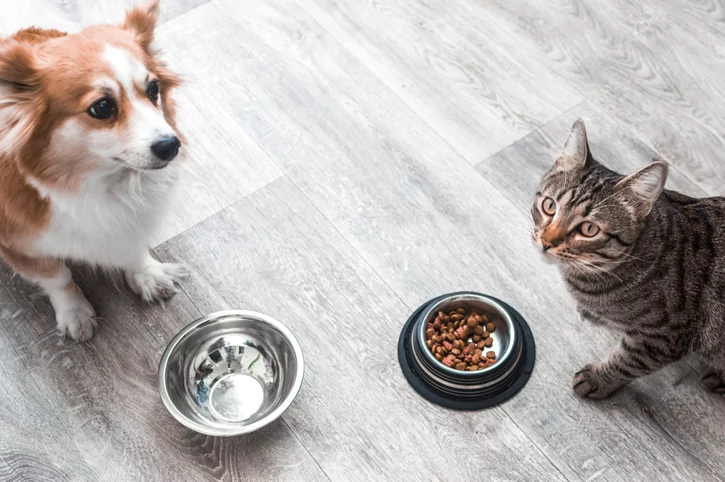
Have you ever caught your dog sneaking a bite of your cat’s food? While it might seem harmless, feeding your dog cat food could lead to more than just a guilty look on their face.
You might wonder, will cat food make dogs sick? Understanding the differences between cat and dog nutrition is crucial for your pet’s health and happiness. We’ll unravel the mystery behind this common household dilemma, helping you ensure your furry friends stay safe and healthy.
Stay with us, because what you discover might just change the way you feed your pets forever.
Differences Between Cat And Dog Diets
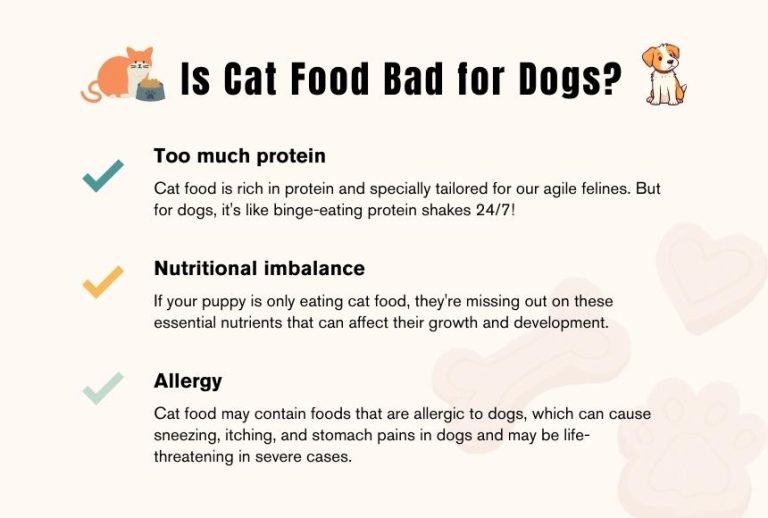
Cats and dogs have different dietary needs. Cat food is rich in protein and fat, which is essential for cats but can upset a dog’s stomach. Feeding dog with cat food might lead to digestive issues or nutritional imbalances. Dogs require a balanced diet tailored to their specific needs.
Understanding the differences between cat and dog diets is crucial for ensuring the health and well-being of your furry friends. Cats and dogs have distinct nutritional needs that are rooted in their evolutionary paths. Feeding your dog cat food might seem harmless, but it can lead to some unexpected health issues.Understanding Nutritional Needs
Cats are obligate carnivores, meaning their diet must primarily consist of meat. This is because they require certain nutrients like taurine and arachidonic acid, which they naturally obtain from animal tissue. Dogs, on the other hand, are omnivores. They thrive on a varied diet of meats, grains, and vegetables.Protein Content
Cat food generally contains higher protein levels compared to dog food. This is perfect for cats but can be too much for dogs. Over time, excessive protein can strain a dog’s liver and kidneys, leading to potential health issues.Fat Levels
Fat content in cat food is often higher to meet the energy needs of cats. Dogs do not require this level of fat, and consuming it regularly can lead to obesity and related health problems. Have you ever noticed your dog gaining weight unexpectedly? Their diet might be the culprit.Essential Vitamins And Minerals
Cats need specific vitamins and minerals that are not as crucial for dogs. For instance, cats require vitamin A from animal sources, while dogs can convert beta-carotene from plants into vitamin A. Feeding dog cat food might mean they miss out on essential nutrients.Health Implications
You might wonder if a little bit of cat food here and there can harm your dog. In small amounts, it might not cause immediate issues. However, consistently feeding your dog cat food can lead to nutritional imbalances, digestive issues, and even long-term organ damage. Have you ever accidentally fed your dog cat food? What changes did you notice in their health or behavior? Sharing experiences can be enlightening and help other pet owners make informed decisions. Understanding these differences not only helps in maintaining your pet’s health but also ensures they live a long, happy life. After all, our pets rely on us to provide them with the nutrition they need. So next time you’re shopping for pet food, remember these distinctions and choose wisely.Nutritional Needs Of Dogs
Dogs need specific nutrients to stay healthy, and cat food can upset their stomachs. Cat food is rich in fats and proteins, which may not suit a dog’s dietary needs. Feeding dogs cat food might lead to digestive issues or nutritional imbalances.
Always choose food designed for dogs.
Dogs are unique creatures with specific nutritional needs that differ from other animals like cats. Feeding your dog the wrong type of food can lead to health issues. It’s crucial to understand what your dog truly needs to stay healthy and happy.Understanding Canine Dietary Requirements
Dogs need a balanced diet rich in proteins, fats, carbohydrates, vitamins, and minerals. Proteins are essential for muscle growth and repair. Fats provide energy and support cell function. Carbohydrates, while less critical, supply energy and fiber.The Role Of Proteins In Dog Nutrition
Proteins are the building blocks of life for dogs. They help in maintaining healthy fur and skin. A protein-rich diet supports your dog’s immune system. Think of it as the fuel for growth and energy.Why Fats Are Essential
Fats are not the enemy in your dog’s diet. They are vital for energy and absorbing vitamins. Without enough fats, your dog may lack energy or have dull fur. The right amount of fats keeps them lively and active.Understanding Carbohydrates
Carbohydrates provide energy but must be given in moderation. Dogs do not need as many carbs as humans. Too much can lead to weight gain and health issues. Always check dog food labels for carb content.Vitamins And Minerals
Vitamins and minerals support your dog’s body functions. They boost the immune system and keep bones strong. A lack can lead to weakness or illness. Ensure your dog food contains these essential nutrients.Personal Experience: Making The Right Choice
When I first got my dog, I was overwhelmed with food options. I almost picked cat food, thinking it was similar. But I learned that the nutritional needs vary. Once I chose the right dog food, my pet’s energy levels improved. Feeding your dog isn’t just about keeping them full. It’s about nourishing their body with what they truly need. Are you confident in the food choices you make for your dog?Nutritional Needs Of Cats
Understanding the nutritional needs of cats is crucial, especially when you have both cats and dogs at home. Cats are obligate carnivores, which means their diet is primarily based on meat. This requirement sets their nutritional needs apart from dogs, who are omnivores.
High Protein Requirements
Cats need a high protein diet to thrive. Unlike dogs, their bodies cannot produce certain amino acids found in meat. Feeding your cat a diet lacking in protein can lead to serious health issues.
For instance, taurine is an essential amino acid for cats, vital for heart and eye health. Dogs can produce taurine naturally, but cats need it in their diet. This is why cat food is rich in protein and taurine.
Essential Fatty Acids
Cats require specific fatty acids like arachidonic acid, which they can only get from animal sources. Without these, they can suffer from skin and coat issues.
Dog food often lacks these specific fatty acids. Relying solely on dog food for a cat’s diet can lead to deficiencies.
Vitamins And Minerals
Cats need a unique blend of vitamins and minerals. Vitamin A, for instance, is crucial for their vision and immune system.
While dogs can convert beta-carotene into vitamin A, cats cannot. This is why cat food is supplemented with pre-formed vitamin A.
Caloric Density
Cat food is generally more calorie-dense than dog food. This is because cats have a faster metabolism and require more energy.
Feeding dogs with cat food can lead to weight gain and other health issues due to this higher caloric content.
Have you ever noticed your cat’s insistence on their specific diet? It’s not just pickiness, but a biological need. Ignoring these nutritional differences might save a trip to the store, but can lead to costly vet visits later. Are you feeding your pets the right diet for their species?

Credit: www.petmd.com
Common Ingredients In Cat Food
Cat food often contains high protein and fat, which can upset a dog’s stomach. Ingredients like fish and liver might cause digestive issues for dogs. Monitoring your pet’s diet is crucial to prevent any health problems.
Cat food often contains a distinct set of ingredients tailored to meet the dietary needs of felines. These ingredients are not always suitable for dogs and might lead to digestive issues or health problems. Understanding these common ingredients can help you make informed decisions about your pet’s diet.Protein Sources
Cat food is rich in protein because cats require more protein than dogs. Ingredients like chicken, fish, and beef are commonly found. While dogs also need protein, the high protein content in cat food can be excessive for them, potentially leading to kidney issues over time.Taurine
Taurine is an essential amino acid for cats, crucial for their heart and vision health. It’s a staple in cat food but not required in dog food. If your dog consumes cat food regularly, this ingredient won’t harm them but doesn’t offer any benefit either.Fat Content
Cat food tends to have higher fat content to cater to a cat’s energy needs. While fats are necessary for dogs, too much can lead to obesity. Have you noticed your dog gaining weight unexpectedly? It might be due to sneaking bites of cat food.Carbohydrates
Cats are obligate carnivores, meaning they thrive on meat and have little need for carbohydrates. Hence, cat food often has low carb levels. Dogs, however, benefit from carbs for energy. A diet lacking in carbs might leave your dog lethargic.Flavor Enhancers
To appeal to a cat’s palate, cat food often includes flavor enhancers like fish oil or liver extracts. These might taste great to dogs too, but can upset their stomach. Ever found your dog sniffing around the cat food bowl? It’s likely those enticing flavors.Preservatives
Both cat and dog foods contain preservatives to maintain freshness. However, the type and amount can differ. Some preservatives in cat food might not agree with a dog’s digestive system. Is your dog experiencing more tummy troubles lately? Check if they’ve been snacking on the cat’s kibble. Would you be willing to reconsider your pet’s feeding habits if you noticed these common ingredients causing issues? Understanding what goes into cat food can prevent potential health problems for your dog.Potential Risks For Dogs Eating Cat Food
Dogs and cats have different dietary needs. Cat food is rich in protein and fat. Dogs may find it tasty. But, it can pose health risks for them. Understanding these risks is crucial. It helps ensure your dog’s well-being.
Digestive Issues
Cat food is not designed for dogs. Its high-fat content can upset a dog’s stomach. This might lead to vomiting or diarrhea. Dogs with sensitive stomachs are more prone to these issues. Even a small amount can cause discomfort.
Nutrient Imbalance
Dogs need balanced nutrients. Cat food lacks certain vitamins and minerals. It has taurine, which dogs don’t need. Feeding dogs cat food can cause nutrient deficiencies. This affects their overall health.
Long-term Health Effects
Frequent consumption of cat food can harm dogs over time. It may lead to obesity due to high fat levels. Kidney problems may also develop. Dogs eating cat food regularly risk these long-term health issues. Monitoring their diet is essential.
Why Dogs Might Be Attracted To Cat Food
Dogs may find cat food irresistible due to its strong smell and rich protein content. Eating cat food occasionally might not harm dogs, but it could lead to digestive issues if consumed regularly. Always monitor your dog’s diet to ensure it remains healthy and balanced.
Dogs are often intrigued by cat food, and it’s not uncommon for them to sneak a nibble or two when they have the chance. You might wonder why your canine companion seems so interested in the food intended for your feline friend. Understanding this curiosity can help you manage their diet more effectively and ensure their health is not compromised.1. The Smell Of Cat Food
Cat food has a distinct aroma that is often stronger than dog food. This smell can be irresistible to dogs who rely heavily on their sense of smell. When your dog catches a whiff of cat food, it might be like a siren call that they can’t ignore.2. Higher Protein Content
Cat food is formulated to be high in protein to meet the dietary needs of cats. Dogs might be drawn to this nutrient-rich composition, as their wild ancestors thrived on protein. If your dog frequently raids the cat’s bowl, consider if they need more protein in their own diet.3. Taste Preference
Dogs, just like humans, can have preferences for certain tastes. Cat food may offer a flavor profile that appeals to your dog’s palate. If your dog seems to prefer cat food, you might experiment with introducing new flavors into their meals.4. Texture And Variety
The texture of cat food, especially wet varieties, might be more appealing to some dogs. If your dog is consistently sampling the cat’s wet food, they might enjoy a change in texture in their own meals. Offering a mix of dry and wet dog food could satisfy their craving for variety.5. Curiosity And Opportunity
Dogs are naturally curious creatures. If they see an opportunity to try something new, like your cat’s food, they might take it just for the sake of exploration. If your dog is constantly eating cat food out of curiosity, it might be worth considering their mental stimulation and activity levels. Is your dog trying to tell you something about their diet? Reflecting on why your dog is drawn to cat food can offer insights into their nutritional needs and preferences. It’s essential to observe and adjust their diet accordingly to keep them healthy and happy.Signs Of Illness In Dogs
Feeding dogs cat food can lead to health issues. Dogs and cats have different dietary needs. Cat food often contains higher protein and fat levels. These differences may upset a dog’s stomach. Recognizing signs of illness in dogs is crucial. Early detection can prevent serious health problems.
Vomiting And Diarrhea
Vomiting is a common sign of digestive upset. Dogs may vomit shortly after eating cat food. Diarrhea often follows vomiting. Loose stools indicate digestive distress. Monitor your dog closely for these symptoms.
Lethargy And Weakness
A sick dog may seem tired. Lethargy indicates your dog is unwell. They might sleep more than usual. Weakness can accompany lethargy. This makes them less active and playful.
Loss Of Appetite
Dogs may lose interest in their food. This loss of appetite is a warning sign. A healthy dog should eat regularly. Skipping meals may indicate illness. Offer bland food to check if they regain interest.
Increased Thirst And Urination
Cat food may increase thirst in dogs. Watch for excessive drinking. Frequent urination often follows increased thirst. These signs can indicate kidney strain. Consult a vet if these symptoms persist.
Abdominal Pain
Pain in the abdomen is another sign. Dogs might whine or yelp when touched. They may adopt a hunched posture. This behavior suggests discomfort or pain. Seek veterinary care if pain continues.
Changes In Behavior
Behavioral changes can signal illness. Your dog may become irritable. They might avoid interaction. These changes can indicate discomfort. Pay attention to any unusual behavior.

Credit: propelbikes.com
Steps To Prevent Dogs From Eating Cat Food
Dogs might get sick if they eat cat food regularly. Keep pet bowls separate to avoid confusion. Train your dog to eat only from its bowl.
As pet owners, we often find our dogs sniffing around the cat’s food bowl, intrigued by the tantalizing aroma. But if you’re wondering whether cat food can make dogs sick, it’s crucial to take steps to prevent them from indulging in it. Ensuring your dog doesn’t consume cat food isn’t just about preserving their health—it’s about maintaining harmony in your home. Let’s explore some practical steps you can take to keep your dog from munching on cat food.1. Understand The Difference In Nutritional Needs
Dogs and cats have different nutritional requirements. While cat food is rich in proteins and fats suitable for cats, it might not be ideal for dogs. Feeding your dog cat food can lead to digestive upset or nutrient imbalances. Imagine providing your dog with a balanced meal that caters specifically to their needs, ensuring they thrive.2. Use Feeding Schedule Separation
Try feeding your cat and dog at different times. This can prevent your dog from sneaking into the cat’s meal. If you feed them simultaneously, supervise their meals to deter any food swapping. Wouldn’t it be great to enjoy your coffee while your pets eat peacefully in separate corners?3. Invest In Elevated Cat Feeding Stations
Elevated feeding stations can be a simple yet effective solution. Cats can easily jump onto elevated surfaces while dogs typically cannot. Placing your cat’s food bowl on a counter or shelf can keep it out of your dog’s reach. This way, your cat enjoys its meal without any canine interruption.4. Train And Command
Training your dog with simple commands like “leave it” can work wonders. Consistent training reinforces good behavior and reduces their curiosity towards the cat’s food. Have you ever noticed the satisfaction on your dog’s face when they receive a treat for obeying a command?5. Create A Designated Feeding Area
Establish a separate feeding area for your cat. Use a baby gate or a pet door that only your cat can access. This method allows your cat to eat without worrying about your dog’s intrusions. Picture your pets enjoying their meals in their own spaces, content and undisturbed.6. Use Technology
Automated feeders can dispense food at set times and are an excellent way to manage feeding schedules. Some models come with a lid that opens only when the cat approaches. Technology can be a pet owner’s best friend, creating a balanced and stress-free mealtime for everyone.7. Keep Food Out Of Sight
Store cat food in sealed containers and keep them in a pantry or cupboard. By doing this, you eliminate any temptation for your dog to sniff around. Have you ever noticed how a curious dog loses interest when there’s nothing to see or smell? Implementing these steps not only keeps your dog from eating cat food but also ensures a healthier lifestyle for your furry companions. Curious about how these changes can impact your pet’s behavior and health? Try them out and observe the positive transformation in your pets’ mealtime dynamics.Safe Alternatives For Multi-pet Households
Dogs often eat cat food, but it might upset their stomachs. Cat food has too much protein and fat for dogs. Choose separate, pet-safe meals to ensure all furry friends stay healthy.
Feeding a household with both cats and dogs can be quite a juggling act. You might wonder if it’s safe for your dog to nibble on cat food. While occasional snacking might not harm them, regular consumption can lead to health issues. So, what can you do to ensure your furry friends stay healthy without turning mealtime into a battlefield? Let’s look at safe alternatives for multi-pet households.Separate Feeding Areas
Creating distinct feeding zones for your pets can make a world of difference. Imagine setting up a cozy corner for your cat on a higher surface, away from your dog’s reach. This not only keeps doggie paws off the cat food but also gives your cat a peaceful dining experience.Pet-safe Food Choices
Opting for pet-safe food is crucial. You might consider choosing brands that offer formulas tailored for both dogs and cats. This way, if your dog sneaks a bite from the cat’s bowl, it won’t be disastrous. Check labels for ingredients that suit both species.Scheduled Feeding Times
Think about establishing a feeding schedule. By feeding your pets at different times, you reduce the chance of them swapping bowls. This is especially handy if you have a curious pooch who loves to explore everything your cat eats.Interactive Feeding Solutions
Interactive feeders can be a fun and practical solution. Have you ever tried puzzle feeders? They keep your dog engaged while making it harder for them to access the cat’s food. Plus, they add an exciting challenge that can make mealtime more stimulating for your dog.Consistent Monitoring
Your vigilance can prevent unwanted snacking. Keep an eye on your pets during feeding times. Are you noticing your dog sneaking around the cat’s bowl? Redirect them with a gentle command or a treat of their own. Consistency is key in training them to respect each other’s meals.Consult Your Vet
When in doubt, consulting your vet can provide valuable insights. They can suggest specific brands or feeding strategies tailored to your pets’ needs. Have you ever thought about how a professional opinion can save you from potential health issues down the road? Creating harmony in a multi-pet household is achievable with a bit of strategy and patience. What steps will you take today to ensure your pets dine safely and happily together?Consulting A Veterinarian
Consulting a veterinarian helps determine if cat food can make dogs sick. Ingredients in cat food differ from dog food. These differences may lead to digestive issues for dogs.
When it comes to the well-being of your furry friends, seeking professional advice is essential. Consulting a veterinarian can offer clarity and peace of mind, especially if your dog has consumed cat food. A vet can provide tailored advice and ensure your pet’s safety.What To Expect During A Vet Visit
A vet will typically start by asking about your dog’s recent diet and any symptoms they might be showing. Be prepared to share details about the type and quantity of cat food consumed. This information helps the vet assess the situation accurately.Potential Health Risks
Dogs have different dietary needs than cats. Cat food is richer in proteins and fats, which might upset your dog’s stomach. Your vet will assess if your dog is at risk of digestive issues or other health problems.Emergency Signs To Watch For
After your dog consumes cat food, watch for symptoms like vomiting, diarrhea, or lethargy. If these occur, it’s important to reach out to your vet immediately. Prompt action can prevent minor issues from becoming serious health concerns.Long-term Dietary Advice
Vets can offer guidance on maintaining a balanced diet for your dog. They may suggest alternative treats or meals that suit your dog’s nutritional needs. This ensures your pet stays healthy and happy without the risk of eating inappropriate food.Building A Relationship With Your Vet
Regular check-ups build trust and familiarity between you and your vet. This relationship makes it easier to address any concerns you have about your pet’s diet or health. Your vet becomes a valuable partner in your pet care journey. Have you ever wondered how often you should consult your vet about diet changes? Remember, regular communication with your vet ensures your pet’s nutritional needs are always met.
Credit: www.greensafaris.com
Frequently Asked Questions
What Will Happen If My Dog Eats Cat Food?
Dogs eating cat food can lead to digestive issues like diarrhea or vomiting. Cat food is higher in fat and protein, which may cause obesity or pancreatitis in dogs. Occasionally consuming cat food isn’t usually harmful, but frequent intake should be avoided for their health.
Always consult a vet if concerned.
How Long Will A Dog Be Sick After Eating Cat Food?
A dog’s sickness duration after eating cat food varies. Generally, it may last a few hours to a day. Symptoms include vomiting or diarrhea. Monitor your dog’s condition closely. If symptoms persist, consult a veterinarian for guidance.
Is It Bad To Feed Cat Food To My Dog?
Feeding cat food to dogs is not recommended. Cat food lacks essential nutrients dogs need and may cause digestive issues. It’s important to provide a balanced diet formulated specifically for dogs to ensure their health and well-being. Always consult a veterinarian for dietary advice tailored to your pet’s needs.
Will Dogs Get Sick Eating Dry Cat Food?
Dogs can eat dry cat food occasionally, but it isn’t recommended. Cat food is high in protein and fat, which may upset a dog’s stomach. Prolonged consumption can lead to nutritional imbalances and health issues. Always provide dog-specific food for balanced nutrition.
Consult a vet for guidance.
Conclusion
Feeding dogs cat food can cause health issues. Dogs need specific nutrients. Cat food lacks certain vitamins essential for dogs. It may upset their stomach. Avoid letting dogs eat cat food regularly. It can lead to nutrient imbalance. Consult a vet for dietary advice.
They can guide you on proper nutrition. Keep your pets healthy and happy. Offer them food suited to their needs. Proper diet ensures their long-term well-being. Always choose what’s best for your furry friend. Their health depends on you.