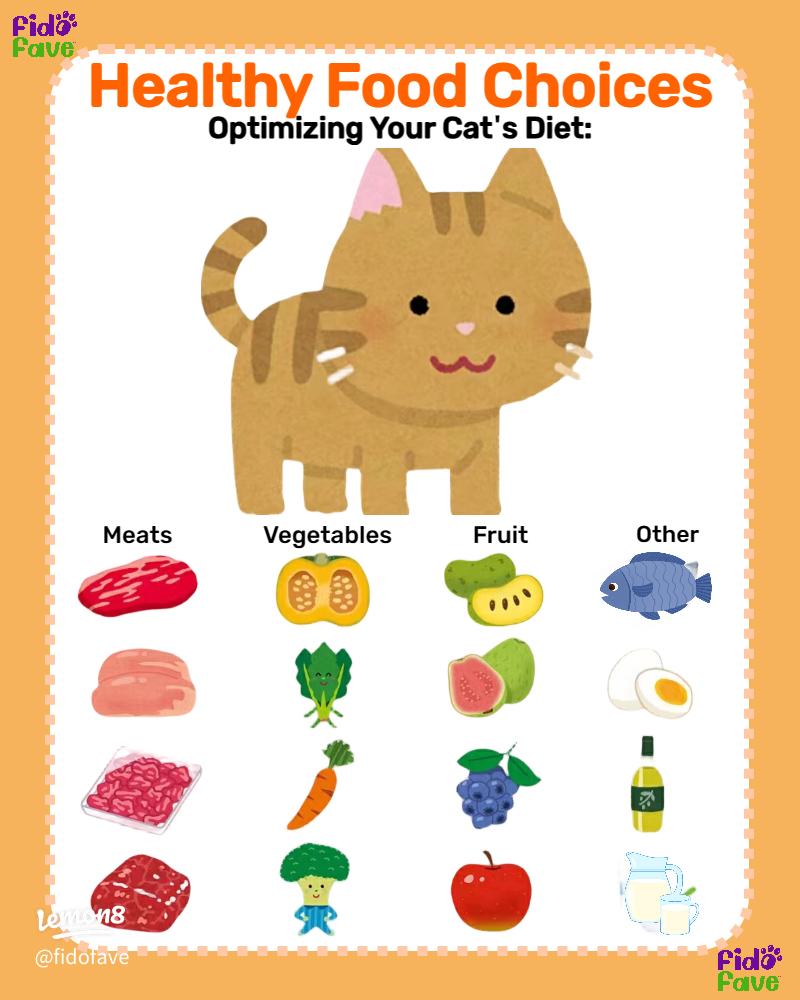
Have you ever gazed into those curious kitten eyes and wondered if there’s more to their diet than just the standard cat food? You’re not alone.
Many kitten owners like you are eager to explore safe and healthy alternatives to keep their little furballs happy and thriving. We’ll delve into the fascinating world of kitten nutrition and uncover what your playful companion can munch on besides the usual cat food.
Discover the surprising options that not only satisfy their taste buds but also boost their growth and vitality. Keep reading to ensure your kitten gets the best start in life, without any guesswork or unnecessary vet visits.
Natural Proteins
Kittens can enjoy natural proteins like cooked chicken and turkey in small portions. Eggs provide another safe protein choice. Fish, served without bones, offers essential nutrients. Always introduce new foods gradually, ensuring they are fresh and properly cooked for your kitten’s health.
Kittens are bundles of energy and curiosity. As a pet parent, you might wonder what natural proteins are safe for your kitten. While commercial cat food is essential for their growth, adding natural proteins can be beneficial. It can provide variety and additional nutrients. Let’s explore some safe options that you might already have in your kitchen.Chicken
Chicken is a fantastic source of lean protein. It’s easy to digest, making it a great choice for kittens. You can boil or bake the chicken without any seasoning. My own kitten, Luna, always gets excited when she smells chicken cooking! Remember to remove the bones and skin. These can be harmful or add unnecessary fat to their diet.Turkey
Turkey is another excellent protein option. It’s similar to chicken but has a slightly different nutrient profile. Offering turkey during festive seasons can be a treat for your kitten. Just ensure it’s cooked thoroughly without spices or sauces. Do you have leftover turkey from a family gathering? Consider sharing some with your furry friend!Fish
Fish, like salmon or tuna, can be an occasional treat. They’re rich in omega-3 fatty acids which are great for a kitten’s coat and brain development. Remember to cook the fish and ensure it’s boneless. Raw fish can contain parasites and bones can be a choking hazard. Ever noticed your kitten’s keen interest during your sushi dinner? Maybe it’s time to offer them a small, safe taste of fish. Natural proteins can be a delightful addition to your kitten’s diet. However, moderation is key. Too much of even a good thing can upset their delicate digestion. Always introduce new foods gradually and keep an eye out for any adverse reactions. What protein-rich treat will you try first for your kitten?
Credit: fynesaudiology.com
Dairy Options
Exploring dairy options for kittens can be exciting. Some kittens enjoy a variety of dairy products. These options can be a treat, offering new flavors and textures. However, moderation is key. Kittens may have lactose intolerance, so always observe any unusual reactions. Introducing dairy slowly is advisable.
Cheese
Cheese can be a delightful snack for kittens. Soft cheeses are easier to digest. A small amount is safe for most kittens. Avoid spicy or strong cheeses. They can upset a kitten’s stomach. Start with tiny pieces to see how your kitten reacts.
Yogurt
Plain yogurt can be a healthy choice. It contains beneficial bacteria. These bacteria aid digestion. Choose unsweetened yogurt. Sugary yogurt is not suitable for kittens. A spoonful is enough for a kitten. Watch for signs of discomfort after eating.
Vegetable Choices
Kittens are curious creatures. They love exploring new tastes. Vegetables can be a safe choice. These can provide essential nutrients. Moderation is key. Too much can cause digestive issues. Always consult your vet before trying new foods. Let’s explore some safe vegetable options.
Carrots
Carrots are rich in vitamins. They offer Vitamin A which is good for eye health. Kittens can eat cooked carrots. Raw carrots are too hard. Cooking makes them easier to chew. Slice them into small pieces. This prevents choking.
Peas
Peas are a good source of fiber. They help with digestion. They contain Vitamin K, which supports bone health. Cooked peas are safe for kittens. Raw peas may be hard to digest. Mash them for easy eating. Avoid adding salt or spices.
Pumpkin
Pumpkin is great for digestion. It can help with constipation. It is low in calories. This makes it a healthy snack. Cooked pumpkin is best. Raw pumpkin can be tough to eat. Serve small portions to avoid stomach upset.
Fruits For Kittens
Kittens are curious creatures that may enjoy a variety of foods. While cat food is their main diet, some fruits can be safe and enjoyable treats. These fruits offer a refreshing change and can provide essential vitamins. Let’s explore some fruits that are kitten-friendly.
Bananas
Bananas are soft and easy for kittens to eat. They are packed with vitamins and minerals. Offer small slices of banana to your kitten as a treat. Ensure the banana is ripe and easy to chew. Start with a tiny piece to see if your kitten likes it.
Apples
Apples can be a crunchy treat for kittens. Remove the seeds and core before serving. The flesh of the apple is safe and nutritious. Cut the apple into small, manageable pieces. Let your kitten nibble on these during snack time.
Berries
Berries are rich in antioxidants and are safe for kittens. Blueberries, strawberries, and raspberries can be offered occasionally. Wash them thoroughly to remove any dirt or chemicals. Give a few berries as a special treat. Observe your kitten’s reaction to these sweet delights.
Grain Alternatives
If you’re looking to spice up your kitten’s diet beyond standard cat food, grain alternatives might be the answer. These alternatives can add variety and nutrition to your kitten’s meals, ensuring they get a balanced diet. Let’s explore some interesting grain options that are safe and beneficial for your feline friend.
Rice
Rice is a gentle grain that can be a comforting addition to your kitten’s diet. It’s easy to digest and can be a great option if your kitten has a sensitive stomach or is recovering from illness.
Cooked plain white or brown rice can provide essential carbohydrates, offering your kitten energy for their playful antics. Just make sure it’s well-cooked and served in small, manageable portions.
Have you ever tried cooking rice for yourself and noticed how your curious kitten sniffs around the kitchen? Their interest might be a cue to share a small portion with them. But remember, moderation is key.
Oatmeal
Oatmeal isn’t just a breakfast staple for humans; it can be a nutritious treat for your kittens too. Packed with fiber, it helps in maintaining healthy digestion.
You can prepare oatmeal by cooking oats in water, avoiding any milk or sugar. Once cooked, allow it to cool before serving. A spoonful can be a delightful change from the usual kibble.
Imagine your kitten’s surprise and delight when they taste oatmeal for the first time. It can be a new sensory experience, offering a different texture and taste. Wouldn’t it be fun to watch them explore this new food?
While these grain alternatives are safe, always monitor your kitten for any allergic reactions or changes in behavior. Have you ever wondered how a simple change in diet can impact your kitten’s health and happiness?
As you experiment with new grains, keep your kitten’s preferences and health needs in mind. What other grains have you considered for your kitten? Share your thoughts in the comments below!
Eggs As A Protein Source
Eggs are a healthy addition to a kitten’s diet. They provide a rich source of protein, which is essential for growth. Eggs also contain important vitamins and minerals. These nutrients support your kitten’s development and overall health. But how can you safely introduce eggs to their diet? Let’s explore.
Nutritional Benefits Of Eggs For Kittens
Eggs are packed with essential nutrients. They contain proteins, vitamins, and minerals. These elements are vital for a kitten’s growth. Protein helps build strong muscles and tissues. Vitamins support a healthy immune system. Minerals like iron promote good blood health.
How To Prepare Eggs For Your Kitten
Always cook eggs before feeding them to kittens. Raw eggs can carry bacteria harmful to cats. Boiled or scrambled eggs are safe options. Make sure eggs are plain and unseasoned. Avoid adding salt, oil, or spices. These can upset a kitten’s stomach.
Serving Size Recommendations
Moderation is key when feeding eggs to kittens. Start with small amounts. A teaspoon of cooked egg is enough for a kitten. Monitor their reaction to the new food. This helps avoid any digestive issues.
Possible Allergies And Precautions
Some kittens may be allergic to eggs. Watch for signs of allergies. Symptoms include itching, vomiting, or diarrhea. If these occur, stop feeding eggs immediately. Consult a vet for advice.
Eggs In A Balanced Diet
Eggs should not replace a kitten’s main food. They are a supplement to their diet. Ensure kittens still receive their regular cat food. A balanced diet keeps kittens healthy and energetic.
Safe Treats
Kittens bring joy and playfulness to our homes. Feeding them properly is crucial for their growth. Besides cat food, safe treats can add variety to their diet. Treats provide extra nutrients and help in training. Ensure treats are safe and suitable for young cats.
Commercial Treats
Many brands offer kitten-safe commercial treats. These treats are easy to find in pet stores. Always check the ingredients list before buying. Avoid treats with artificial colors or preservatives. Choose those made with real meat or fish. Opt for treats that are small and soft. This helps kittens chew easily.
Homemade Options
Homemade treats can be a healthy choice. Cooked chicken or turkey works well as a treat. Ensure it’s plain, without spices or seasoning. A small piece of cooked salmon can be a tasty option. Always remove bones before serving. You can also offer plain scrambled eggs. Avoid adding salt or butter.
Keep portions small to prevent overfeeding. Always introduce new foods gradually. Watch for any allergic reactions or digestive issues. Consult your vet before adding new treats to their diet. This ensures the safety and health of your kitten.
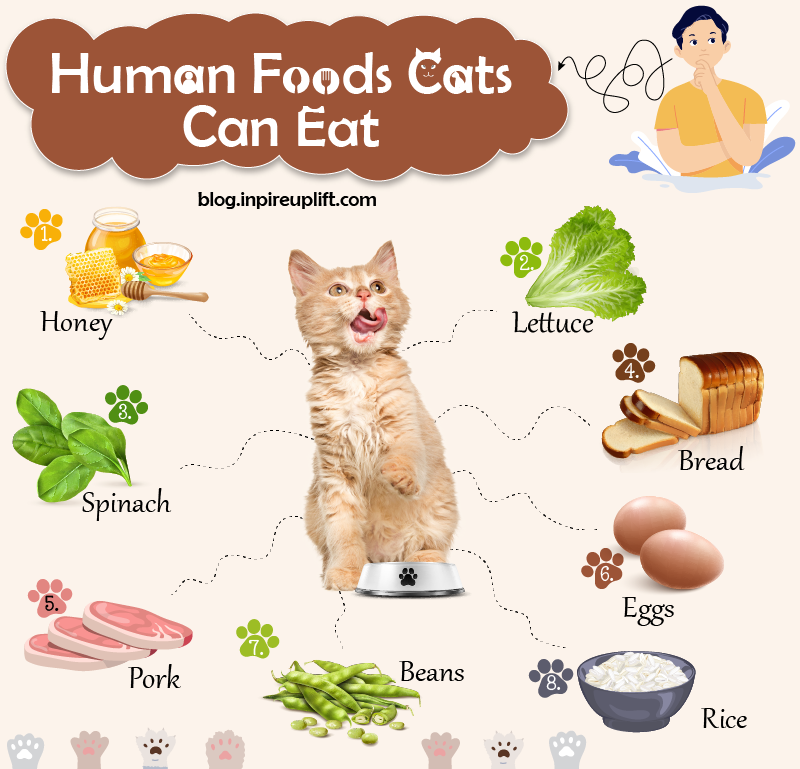
Credit: www.consolata.org
Foods To Avoid
Kittens are adorable little creatures that bring joy to any home. As they grow, it’s natural to wonder what other foods they can enjoy besides cat food. However, it’s crucial to be cautious about what they eat. There are certain foods you should definitely avoid to keep your kitten safe and healthy. Let’s dive into some of these foods that you should keep away from your furry friend.
Chocolate
Chocolate might be a delightful treat for you, but it is toxic for kittens. It contains theobromine, which can be harmful and even fatal to them. Even a small amount can cause serious health issues like vomiting, diarrhea, and increased heart rate. It’s best to keep all chocolate products out of your kitten’s reach.
Onions
Onions are another hazardous food for kittens. They contain compounds that can damage red blood cells, leading to anemia. Whether raw, cooked, or powdered, onions should never be part of your kitten’s diet. Have you ever thought about what a small piece of onion can do to their tiny bodies?
Garlic
Garlic is similar to onions and poses a serious threat to kittens. Even in small amounts, garlic can lead to gastrointestinal distress and anemia. You might love the flavor it adds to your meals, but it’s not worth the risk to your kitten’s health. Are you willing to sacrifice their well-being for a bit of seasoning?
Being aware of these foods can prevent potential health risks and keep your kitten safe. Always ensure their diet is balanced and appropriate for their age and size. What other foods do you think might be harmful to your kitten?
Feeding Guidelines
Feeding kittens requires careful attention to detail. While cat food is a staple, diversifying their diet can be beneficial. Understanding feeding guidelines is crucial to ensure your kitten grows healthy and strong. Let’s dive into how you can manage portion control and feeding frequency for your furry little friend.
Portion Control
How much is too much? That’s the million-dollar question every kitten owner faces. Kittens are naturally curious eaters and may overeat if left unsupervised. It’s important to gauge the right portion size. A small bowl of boiled chicken or fish can be a delightful treat, but it should never replace their main meals. Aim for treats that are about the size of a tablespoon. Watch how your kitten responds and adjust accordingly.
Too much food can lead to obesity and health issues. Remember, they are still growing, and their bodies need balanced nutrition. When I first adopted my kitten, I made the mistake of giving him too many treats. He quickly gained weight. I learned to balance his diet with portion control, and he’s now fit and healthy.
Frequency
How often should you feed your kitten treats? Timing is everything. Frequent feeding can lead to bad habits, and your kitten might start begging for food. It’s crucial to establish a routine. Treats should be occasional and not a substitute for meals. I found that once or twice a week works well, especially when training or rewarding good behavior.
Consistency helps maintain a healthy diet. I noticed my kitten was more active when treats were given sparingly. Avoid feeding them human food regularly, as it may disrupt their digestive system. Consider the nutritional value and stick to a routine that complements their main diet.
In the end, ask yourself: Are you feeding your kitten because they need it or because they want it? Balancing portion sizes and feeding frequency can make all the difference in your kitten’s health and happiness.
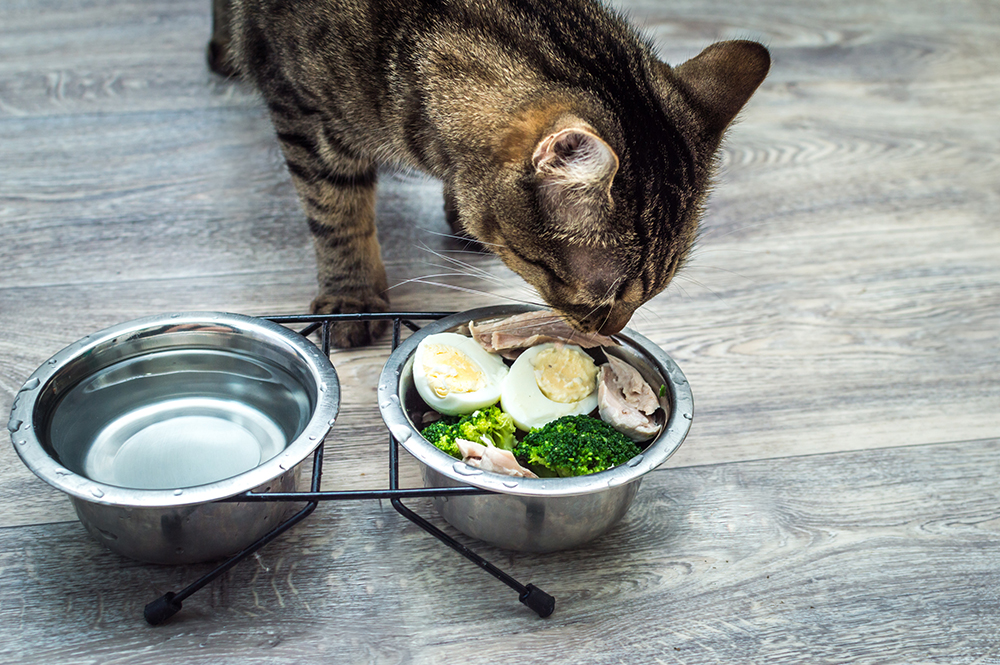
Credit: www.catster.com
Frequently Asked Questions
What Can I Give Kittens If I Don’t Have Cat Food?
Offer cooked chicken or turkey, avoiding bones and seasoning. Provide plain boiled rice or scrambled eggs. Ensure fresh water is available. These options are temporary; consult a vet for long-term solutions and ensure kittens receive balanced nutrition. Avoid dairy, onions, and garlic as they can harm kittens.
What Human Food Is Safe For Kittens?
Kittens can safely eat cooked chicken, turkey, and small amounts of plain yogurt. Ensure the meat is boneless and unseasoned. Always consult a vet before introducing new foods to your kitten’s diet. Avoid giving kittens chocolate, onions, garlic, and dairy products, as they can be harmful.
What Is A Good Alternative To Cat Food For Kittens?
A good alternative to cat food for kittens is boiled chicken or turkey. Ensure it’s boneless and unseasoned. Supplement with kitten-specific milk replacer for essential nutrients. Always consult your vet before making dietary changes.
What Is Safe For Kittens To Eat?
Kittens can safely eat high-quality kitten food, wet or dry, specifically formulated for their growth needs. Include small amounts of cooked chicken or fish as treats. Always ensure fresh water is available. Avoid feeding them cow’s milk, raw meat, or bones to prevent health issues.
Conclusion
Kittens can enjoy a variety of foods safely. Cooked chicken offers protein. Cooked fish is a tasty treat. Small amounts of cheese can be delightful. Plain yogurt is another option. Always avoid harmful foods like chocolate. Fresh water is essential for hydration.
Keep portions small and monitor reactions. Consult your vet for specific advice. Every kitten’s dietary needs differ. A balanced diet ensures healthy growth. Choose wisely for your kitten’s wellbeing.