You love your dog and want to make sure they’re getting the best nutrition possible. So, when your curious canine sneaks a bite of your cat’s wet food, you might wonder, “Is wet cat food bad for dogs?”
It’s a question that sparks curiosity and concern. After all, you wouldn’t want to accidentally harm your furry friend. This article will explore the intriguing world of pet nutrition, helping you understand the impact of cat food on dogs. Stick around as we uncover surprising facts that every responsible pet owner should know.
Your dog’s health and happiness could depend on it!
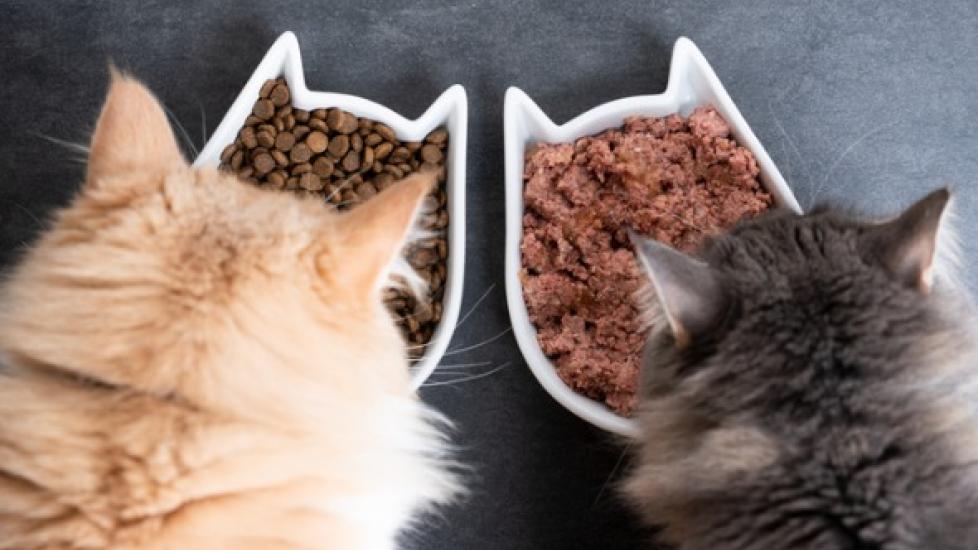
Credit: www.petmd.com
Nutritional Differences Between Cat And Dog Food
Understanding the nutritional differences between cat and dog food is crucial if you’re considering feeding your dog wet cat food. While both cats and dogs are beloved pets, their dietary needs differ significantly. Knowing these differences can help ensure your furry friend’s health isn’t compromised by an inappropriate diet.
Protein Content
Cat food typically has higher protein levels compared to dog food. Cats are obligate carnivores, meaning they require a diet rich in animal proteins. Dogs, however, are omnivores and can thrive on a balanced diet of meat, grains, and vegetables.
Feeding your dog food high in protein could put unnecessary strain on their kidneys. Have you ever noticed your dog having excess energy after sneaking a bite of your cat’s food? This can be due to the higher protein content that their body isn’t used to processing.
Vitamin And Mineral Composition
Cat food is formulated with specific vitamins and minerals that cats need, like taurine, which is essential for their heart and vision health. Dogs produce taurine naturally, so their food doesn’t need to be supplemented with it.
If you consistently feed your dog cat food, they might miss out on essential nutrients like vitamin E and zinc. This lack can lead to deficiencies over time, affecting your dog’s coat, skin, and overall well-being. Are you willing to risk your dog’s health by ignoring these nutritional gaps?
Caloric Density
Wet cat food often has a higher caloric density than dog food. Cats need more calories per pound than dogs due to their faster metabolism. A diet too rich in calories can lead your dog to gain weight quickly.
Have you ever had to put your dog on a diet after indulging in too many treats? Imagine the struggle if their regular meals were overly caloric as well. Ensuring your dog’s food matches their energy needs is key to maintaining a healthy weight.
Understanding these nutritional differences can help you make informed decisions about your pet’s diet. After all, their health and happiness depend on what goes into their bowl each day. Are you feeding them the right nutrients for their needs?
Potential Health Risks For Dogs
Cats and dogs are both beloved pets, yet their dietary needs are quite different. While sharing is caring, feeding wet cat food to your dog can lead to several health risks. Let’s explore these potential dangers to ensure your furry friend’s well-being.
Digestive Issues
Wet cat food is rich in fats and proteins, tailored for feline metabolism. Dogs consuming it may experience digestive issues like diarrhea or vomiting. You might notice your dog acting sluggish after eating cat food.
Imagine the discomfort your dog feels when their tummy is upset due to the wrong meal. It’s similar to how you would feel after eating something too rich. Would you want that for them?
Nutrient Imbalance
Dogs require different nutrients compared to cats. Cat food often lacks essential nutrients like carbohydrates that dogs need. This can lead to deficiencies over time.
Think about how you’d feel if your diet was missing key nutrients. Your dog can face similar struggles, affecting their energy and overall health. It’s important to keep their diet balanced.
Obesity Concerns
Wet cat food is often calorie-dense, which can lead to weight gain in dogs. Obesity in dogs can result in serious health issues like joint pain and heart problems.
Have you noticed any weight changes in your dog recently? If you’ve been feeding them cat food, it might be time to reconsider. Keeping an eye on their weight is crucial for their long-term health.
Are you willing to risk these health issues for your dog? It’s essential to choose the right food to keep them happy and healthy. Consider your dog’s needs carefully before making dietary decisions.
Behavioral Effects Of Feeding Cat Food To Dogs
Feeding your dog cat food can seem harmless. Cats and dogs have different dietary needs, though. Cat food is higher in protein and fat. This can affect your dog’s behavior. Understanding these changes can help you make informed decisions. Below, we explore some of the behavioral effects of feeding cat food to dogs.
Changes In Eating Habits
Dogs may start eating more frequently. Cat food has a strong smell that attracts dogs. This can lead to overeating. Dogs might beg more often. They may also refuse their regular food. Such changes can disrupt their eating schedule. It could also lead to weight gain. Monitoring their eating habits is crucial.
Food Preferences
Feeding dogs cat food might change their taste preferences. They might prefer the richer taste of cat food. This can make transitioning back to dog food difficult. They may become picky eaters. This leads to challenges in providing balanced meals. It’s important to maintain a consistent diet for your dog.
Veterinary Insights And Recommendations
Understanding whether wet cat food is suitable for dogs can be crucial for their health. You might have wondered if sharing your cat’s food with your dog is a safe practice. Let’s dive into the insights and recommendations from veterinary experts on this topic.
Expert Opinions
Veterinarians often emphasize that while wet cat food isn’t toxic to dogs, it isn’t ideal either. The nutritional needs of cats and dogs differ significantly. Cats require higher protein and fat levels, while dogs need a more balanced diet with carbohydrates.
Feeding dogs wet cat food regularly can lead to nutrient imbalances. This might affect their energy levels and overall health. Veterinary experts suggest that occasional consumption might be harmless, but it shouldn’t become a habit.
Safe Feeding Practices
If your dog accidentally munches on some wet cat food, don’t panic. Ensure they have access to their regular dog food afterward. Monitor them for any signs of discomfort or digestive issues.
Consider organizing your pet feeding areas. Separate spaces can prevent accidental cross-feeding. This can help maintain your pet’s specific dietary needs effectively. It ensures each pet receives the nutrition they require.
Have you ever thought about the long-term effects of your dog eating cat food? Understanding safe feeding practices will help you make informed decisions for your furry friends.
Are you aware of how these feeding practices can impact your dog’s health? Exploring these insights can help ensure your pets are happy and healthy.
Alternatives To Wet Cat Food For Dogs
While it might be tempting to offer your dog wet cat food in a pinch, you should consider alternatives that are better suited for their nutritional needs. Dogs and cats have different dietary requirements. Feeding your dog cat food regularly can lead to health issues. So, what are some great alternatives to wet cat food for dogs? Let’s dive into some options that will keep your furry friend healthy and happy.
Dog-specific Wet Foods
Dog-specific wet foods are formulated to meet canine dietary needs. They are rich in protein, vitamins, and minerals that dogs require for optimal health. Brands like Blue Buffalo, Pedigree, and Purina offer a variety of flavors and ingredients to satisfy your dog’s taste buds.
Have you noticed how your dog gets excited when you pop open a can of wet dog food? That’s because these foods are designed to be delicious and nutritious for them. You can find options for puppies, adults, and seniors, ensuring every stage of your dog’s life is catered for.
Homemade Dog Food Options
Making homemade dog food allows you to control what goes into your dog’s meals. You can use fresh ingredients like chicken, beef, or fish, along with vegetables like carrots and peas. This approach ensures your dog gets a balanced diet without additives or fillers.
Ever tried cooking for your dog? It’s easier than you might think! A simple recipe might include boiled chicken, rice, and a mix of veggies. Your dog will enjoy a fresh, wholesome meal, and you might even find joy in preparing it yourself.
What about adding a dash of creativity to your dog’s meals? Consider using a slow cooker to prepare a week’s worth of food. This method saves time and ensures every meal is packed with nutrients. Plus, seeing your dog wag their tail in anticipation is priceless.
Choosing the right food for your dog is crucial for their health and happiness. With so many alternatives to wet cat food, why not explore options that are specifically designed for your canine companion? What will you try first—store-bought wet food or a homemade recipe?
Credit: propelbikes.com
Common Misconceptions
Many pet owners often find themselves confused about whether wet cat food is bad for dogs. The world of pet nutrition is filled with myths and misunderstandings, and it’s easy to get swayed by hearsay. Let’s clear up some common misconceptions surrounding this topic.
Myths About Pet Food Ingredients
One popular myth is that all pet foods contain harmful fillers. While some lower-quality brands might use fillers, not all pet foods are created equal. It’s essential to look at the actual ingredients list to determine food quality.
Another misconception is that if a food is labeled as suitable for one animal, it must be harmful to another. However, many ingredients in cat and dog food overlap, like chicken or fish. The key difference is the nutritional balance, which is tailored to each species’ needs.
Have you ever wondered why cat food smells so strong compared to dog food? It’s because cats are obligate carnivores, needing higher protein levels. While dogs can eat some cat food in a pinch, it shouldn’t be a regular part of their diet.
Understanding Labels And Marketing
Labels can be tricky. Words like “premium” or “gourmet” might sound appealing, but they don’t necessarily mean better nutrition. These terms are often used as marketing tactics to attract buyers.
It’s crucial to understand the nutritional information on pet food labels. The first few ingredients should be meat or meat meal, not grains. This ensures that your pet is getting the protein they need.
Have you noticed how some brands highlight certain ingredients as “superfoods”? While these can be beneficial, they’re not a magic solution. Always balance them with other necessary nutrients.
Next time you’re in the pet aisle, take a moment to really examine the labels. It’s not just about the brand or the claims on the front of the packaging. It’s about what’s inside that truly matters for your pet’s health.
What misconceptions did you have about pet food? Share your experiences in the comments below!

Credit: www.greensafaris.com
Frequently Asked Questions
What Happens If A Dog Eats Wet Cat Food?
Dogs can eat wet cat food occasionally, but it’s not ideal. Cat food is high in protein and fats, which may upset a dog’s stomach. Regular consumption can lead to weight gain and nutritional imbalances. Consult a veterinarian if your dog shows any signs of distress or unusual behavior after eating cat food.
Is Wet Cat Food Ok For Dogs?
Wet cat food isn’t ideal for dogs. It lacks essential nutrients needed for their health. Feeding cat food occasionally won’t harm a dog but it shouldn’t replace dog food regularly. Always choose food specifically formulated for dogs to ensure balanced nutrition and overall well-being.
Consult a vet for dietary advice.
Can I Give My Dog Wet Cat Food One Time?
Feeding your dog wet cat food once is generally safe. Monitor for any signs of allergies or digestive issues. Cat food lacks essential nutrients for dogs, so avoid making it a habit. Always prioritize dog-specific food for balanced nutrition. Consult a vet if you notice any adverse reactions.
What If I Accidentally Gave My Dog Cat Food?
Feeding your dog cat food occasionally isn’t harmful. Monitor for any digestive issues like vomiting or diarrhea. Contact your vet if symptoms persist. Regularly feeding cat food is not recommended due to nutritional differences. Always ensure your dog gets a balanced diet suitable for canines.
Conclusion
Feeding wet cat food to dogs is not ideal. Dogs have different nutritional needs. Cat food lacks essential nutrients for dogs. It may cause digestive issues or obesity in dogs. Always choose dog-specific food for your pet. Consult your vet for advice on proper diet.
Keep your dog healthy and happy with the right nutrition. Remember, a balanced diet supports your dog’s well-being. Proper care ensures a long, joyful life for your furry friend. Prioritize your dog’s needs above all else.