Are you wondering how much cat food you should be feeding your feline friend each day? It’s a common question for cat owners who want to ensure their pets are getting the right amount of nutrition.
The amount of cat food you give your cat can affect their health, energy levels, and overall happiness. Too little, and they might not get the nutrients they need; too much, and they could become overweight and sluggish. Striking the perfect balance is key to keeping your cat healthy and thriving.
You’ll discover the factors that influence how many grams of cat food your cat should eat daily, helping you make the best choice for your furry companion. Let’s dive in to ensure your cat gets the right amount of food for a happy, healthy life!
Factors Affecting Daily Food Intake
Calculating the right grams of cat food per day depends on age, weight, and activity level. Cats require balanced nutrition for optimal health. Always consult with a vet for personalized feeding advice.
Understanding the right amount of cat food to serve daily can be a puzzle, but several key factors can guide you. Knowing these factors can ensure your cat stays healthy and happy. Let’s dive into the elements that influence how much food your cat needs each day.Age And Life Stage
Kittens require more frequent meals than adult cats. Their growing bodies need extra calories for energy and development. On the other hand, senior cats may need fewer calories due to decreased activity levels. Pregnant or nursing cats also have unique dietary needs. They require more food to support their energy demands. Tailor their diet to support both mother and kittens.Weight And Body Condition
A cat’s weight can greatly affect its food intake. Overweight cats may need a restricted diet to shed pounds safely. Underweight cats might benefit from more calories to reach a healthier weight. Observe your cat’s body condition. Is your cat’s ribcage easily felt without pressing? A simple check can help determine if your cat is at a healthy weight.Activity Level
Cats that are more active will need more food to fuel their energy. If your cat loves to play, explore, and climb, they may need extra calories. Lazy cats might require a little less. Consider your cat’s daily routine. Does it chase toys or spend hours lounging? Tailor their diet to their lifestyle for optimal health. Are you providing the right amount of food for your cat’s unique needs? Adjusting based on these factors can make a world of difference.
Credit: www.expertcatcare.com
Understanding Nutritional Needs
Understanding your cat’s nutritional needs is crucial for their health. Proper feeding ensures they get essential nutrients for energy and growth. Cats are obligate carnivores, needing specific nutrients not found in plant-based foods. Balancing their diet is key for longevity and vitality.
Essential Nutrients For Cats
Cats need protein from animal sources. Protein supports muscle development and repair. Taurine is vital for heart health and vision. Without it, cats risk heart disease and blindness. Cats also need fatty acids. They aid in skin health and provide energy. Vitamins like A and B are important. They help in immune function and metabolism. Minerals like calcium keep bones strong.
Wet Vs. Dry Cat Food
Wet cat food contains more moisture. It helps maintain hydration, especially for cats that drink less water. Dry cat food is convenient and lasts longer. It can be left out without spoiling quickly. Wet food is often more palatable. Cats usually enjoy its texture and taste. Dry food helps in dental health. It scrapes away plaque as cats chew. Choosing between wet and dry depends on your cat’s needs.
Calculating The Right Portion
Calculating the right portion of cat food each day ensures your feline friend stays healthy. Understanding how much to feed your cat can be tricky. But it’s crucial for their well-being. Here’s how you can determine the perfect daily serving size.
Reading Food Labels
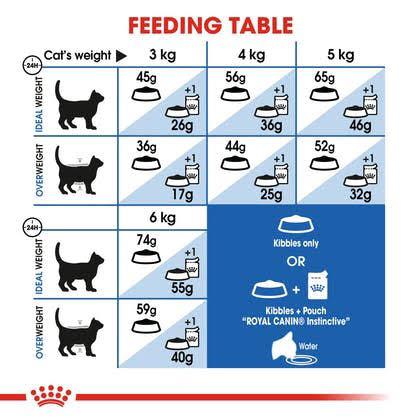
Food labels provide vital information. Check the calorie content per serving. Look for ingredients and nutritional value. Most labels suggest serving sizes based on cat weight. Use these as a starting point. Always read labels carefully. They guide you in making informed decisions.
Using Feeding Guidelines
Feeding guidelines offer structured advice. They often suggest daily portions based on age and weight. Guidelines also consider activity level. Active cats need more food. Sedentary cats need less. Adjust servings according to your cat’s needs. Monitoring your cat’s weight helps. Use guidelines to ensure balanced feeding.
Adjustments For Special Conditions
Feeding your cat the right amount is crucial for their health. But sometimes, special conditions require adjustments to their diet. Cats may need different food amounts due to health issues or weight concerns. Understanding these needs ensures your cat stays healthy and happy.
Obesity And Weight Management
Obesity is common in cats, affecting their health and mobility. To manage weight, reduce food intake. Consult a vet for guidance on portion sizes. A special diet might be necessary. High-fiber foods help cats feel full longer. Avoid feeding table scraps. Monitor your cat’s weight regularly. A gradual weight loss plan is best. Ensure your cat has plenty of exercise.
Health Issues And Dietary Needs
Certain health issues require dietary adjustments. Cats with kidney problems need a low-protein diet. Diabetic cats need controlled carbohydrate intake. A vet can recommend suitable food types. Cats with allergies may require hypoallergenic diets. Ensure you provide fresh water daily. Monitor your cat’s health changes. Adjust food portions as needed.
Monitoring And Adjusting Portions
Monitoring and adjusting cat food portions ensures your feline friend stays healthy. Proper portion control helps prevent obesity and malnutrition. It’s vital to keep track of your cat’s eating habits.
Signs Of Overfeeding
Overfeeding can lead to weight gain and health issues. Watch for signs like a round belly. Notice if your cat is less active than usual. Excessive weight can cause joint problems. Regular vet checks can help monitor weight. Keep an eye on their food bowl. Is it empty too quickly?
Signs Of Underfeeding
Underfeeding can affect your cat’s energy levels. Look for signs like visible ribs. Notice if your cat seems lethargic or weak. A lack of energy might indicate insufficient nutrition. Check if they are always hungry. Monitor their coat condition. A dull coat can signal a nutrient deficiency.
Adjust portions based on these signs. Ensure balanced nutrition. A healthy cat is a happy cat.
:strip_icc()/how-much-canned-food-to-feed-554404-Final-4e9268619c4847eaac29498a6a17d88c.png)
Credit: www.thesprucepets.com
Consulting With A Veterinarian
Understanding the right amount of cat food to serve your feline friend can be tricky. While general guidelines provide a starting point, consulting with a veterinarian ensures your cat’s specific needs are met. A vet can tailor advice based on your cat’s age, weight, and health status, ensuring they get the right nutrition.
When To Seek Professional Advice
Not every feeding issue requires a vet’s intervention. But, if your cat is gaining or losing weight unexpectedly, or if you notice changes in their energy levels or coat quality, it’s time to call the vet. They can help identify underlying health issues and adjust their diet accordingly.
Consider your cat’s age and lifestyle. A growing kitten, an active adult, and a senior cat all have different nutritional needs. A vet can guide you through these stages, ensuring your furry companion thrives at every life phase.
Tailoring A Diet Plan
Every cat is unique. A one-size-fits-all approach doesn’t work. A veterinarian can assess your cat’s individual needs and craft a personalized feeding plan.
Imagine your cat as a member of the family with a special diet. Just like you might consult a nutritionist for a family member, your cat deserves the same care. The vet’s plan might involve adjusting portion sizes or switching to a different food brand.
Have you ever wondered why your friend’s cat thrives on a brand that your cat doesn’t seem to like? A vet can help solve these puzzles and ensure your cat enjoys their meals while staying healthy.
Remember, the right amount of food is just the beginning. Quality matters too. A vet can recommend the best types of food that align with your cat’s dietary requirements.
Credit: www.foodfurlife.com
Frequently Asked Questions
How Much Should A Cat Eat A Day In Grams?
Adult cats typically need about 200-300 grams of food daily. This varies based on their weight and activity level. Consult a vet for precise guidance tailored to your cat’s needs. Ensure a balanced diet for optimal health. Adjust portions if your cat gains or loses weight unexpectedly.
Is 50g Of Dry Cat Food Enough?
50g of dry cat food may suffice for small cats or kittens. Consider factors like age, weight, and activity level. Always check the feeding guidelines on the packaging and consult a vet for personalized advice. Proper portioning ensures your cat maintains a healthy weight and receives adequate nutrition.
How Much Is 10 Grams Of Dry Cat Food?
10 grams of dry cat food is about 0. 35 ounces. It’s a small portion, often used for measuring diet or treats. Always check your cat’s dietary needs to ensure proper nutrition.
Is 60g Of Cat Food Enough?
60g of cat food might be sufficient for small cats or kittens. Check the packaging for feeding guidelines. Adjust portions based on your cat’s age, weight, and activity level. Consult a vet for personalized advice. Ensuring balanced nutrition is crucial for your cat’s health and well-being.
Conclusion
Feeding your cat the right amount is crucial for its health. Different cats need different portions. Age, weight, and activity level matter. Always check packaging for guidance. Consult a vet for specific advice. Ensure your cat gets balanced nutrition daily.
Watch for changes in weight or appetite. This helps keep your cat happy and healthy. Regular feeding routines build trust and comfort. Adjust portions as your cat grows or changes. Your cat’s wellness depends on proper feeding. Keep it simple, consistent, and attentive.
A well-fed cat is a content companion.