Is Tuna Cat Food Good for Cats: Health Benefits Revealed
Have you ever wondered if tuna cat food is a healthy choice for your feline friend? You’re not alone.
Many cat owners like yourself are on a quest to discover the best diet options for their beloved pets. After all, you want to ensure your cat is getting the nutrition they need to lead a happy and healthy life.
Tuna is often seen as a tasty treat, but is it truly beneficial for your cat’s diet? This article dives into the truths and myths surrounding tuna cat food, helping you make informed choices for your furry companion. Keep reading to uncover whether this popular option is a delight or a dietary dilemma for your cat.
Credit: bulverdeanimalhospital.com
Nutritional Content Of Tuna
The nutritional content of tuna is often debated among cat owners. Tuna is a popular choice due to its rich flavor. But is it nutritionally balanced for cats? Understanding its nutritional profile can help make informed decisions.
Protein Content In Tuna
Tuna is a high-protein food. Cats need protein for muscle maintenance and growth. Tuna provides a substantial amount of protein. This makes it appealing for cat diets. But moderation is key.
Essential Fatty Acids In Tuna
Tuna contains essential fatty acids. These are crucial for a cat’s skin and coat health. Omega-3 and Omega-6 fatty acids are present in tuna. These support healthy fur and reduce inflammation.
Tuna is rich in vitamins and minerals. It contains Vitamin B12, crucial for energy. It also has selenium and potassium. These minerals support overall health. But, tuna lacks some essential nutrients.
Mercury Concerns In Tuna
Tuna can contain mercury. High mercury levels can harm cats. Regular consumption may lead to mercury poisoning. It’s important to monitor tuna intake.
Balancing Tuna With Other Foods
Tuna alone doesn’t meet all nutritional needs. Cats require a balanced diet. Combining tuna with other foods ensures nutritional completeness. This approach keeps cats healthy and happy.
Protein Benefits For Cats
Cats need protein for growth and energy. Tuna cat food is rich in protein. But is it good for your feline friend? Let’s explore the benefits of protein for cats.
Why Cats Need Protein
Cats are obligate carnivores. This means they need meat to thrive. Protein provides essential amino acids. These are building blocks for muscles and tissues. Without enough protein, cats can become weak. Their health can decline.
Muscle Maintenance And Growth
Protein supports muscle growth in cats. It helps maintain strong muscles. Active cats need more protein. It aids in muscle repair after play. Older cats need protein too. It helps prevent muscle loss.
Protein And Energy Levels
Protein is a key energy source for cats. It fuels their daily activities. From playful pounces to curious climbs. A protein-rich diet keeps cats energetic. It helps maintain their vitality.
Supporting A Healthy Coat
A shiny coat reflects good health. Protein contributes to this. It supports healthy skin and fur. Cats with enough protein have glossy coats. They look vibrant and well-cared for.
Essential Amino Acids In Tuna
Tuna contains essential amino acids. These include taurine, which cats need. Taurine supports eye and heart health. Tuna provides these nutrients naturally. It’s a tasty protein source for cats.
Omega-3 Fatty Acids
Tuna cat food can be nutritious for cats due to its omega-3 fatty acids content. These essential fats support heart and joint health. It’s important to serve in moderation and choose high-quality options to ensure balanced nutrition.
Omega-3 fatty acids are essential for your cat’s health, playing a crucial role in maintaining a shiny coat, healthy skin, and overall well-being. These nutrients, often found in fish like tuna, offer numerous benefits that can support your feline friend’s heart, joints, and immune system. But is tuna cat food the right source of Omega-3 for your pet?
What Are Omega-3 Fatty Acids?
Omega-3 fatty acids are a type of essential fat that cats need but cannot produce on their own. They must obtain them through their diet. These fats are known for their anti-inflammatory properties and benefits to the brain, heart, and joints.
Benefits Of Omega-3 For Cats
Adding Omega-3 to your cat’s diet can help reduce inflammation, which is particularly beneficial for cats with arthritis or inflammatory bowel disease. It also supports brain health, potentially improving cognitive function in older cats. Additionally, Omega-3 fatty acids can enhance the condition of your cat’s skin and coat, reducing shedding and dandruff.
Is Tuna A Good Source?
Tuna is rich in Omega-3 fatty acids, making it a popular choice for cat food. However, it’s important to balance it with other nutrients. Relying solely on tuna can lead to deficiencies or health issues due to mercury content. Moderation is key.
How Much Is Enough?
Determining the right amount of Omega-3 for your cat depends on their age, weight, and health condition. Consult with your vet to tailor the amount. Ensuring a balanced diet will help you avoid overfeeding and potential health risks.
Personal Experience: A Lesson In Moderation
I once thought feeding my cat canned tuna every day was a treat. Her coat became shinier, but she started to show signs of mercury poisoning. That experience taught me the importance of moderation and consulting with a vet for a balanced diet.
Questions To Consider
Have you noticed any changes in your cat’s behavior or health after feeding them tuna? Are you aware of the potential risks of mercury in fish-based diets? Consider these questions when deciding on your cat’s food options. Omega-3 fatty acids offer significant benefits, but it’s crucial to be mindful of the sources and quantities. Balancing your cat’s diet with diverse nutrients will ensure their health and happiness. Always keep your vet in the loop when making dietary changes.
Vitamins And Minerals In Tuna
Tuna cat food is packed with essential vitamins and minerals like vitamin D, B12, and selenium. These nutrients support a cat’s immune system and overall health. Yet, moderation is key, as too much tuna can lead to nutritional imbalances.
Tuna is a popular choice for cat food. Many pet owners wonder about its health benefits. One significant advantage is the vitamins and minerals present in tuna. These nutrients contribute to a cat’s overall well-being. They support various bodily functions. Let’s dive into the specific vitamins and minerals in tuna.
Rich In Omega-3 Fatty Acids
Tuna is packed with omega-3 fatty acids. These are essential for a cat’s health. They support heart function and reduce inflammation. Omega-3s also promote a shiny coat. Cats need these fats for brain health too.
Abundant In Vitamin B12
Vitamin B12 is crucial for cats. It helps in energy production and maintains nerve function. Tuna provides a good amount of this vitamin. Cats may show increased energy with sufficient B12 intake.
Source Of Vitamin D
Tuna contains vitamin D. This vitamin aids in calcium absorption. Strong bones and teeth rely on vitamin D. Cats need it for muscle health too. Tuna helps meet their daily requirement.
Contains Selenium
Selenium is an important mineral. Tuna is a good source of it. Selenium boosts the immune system. It protects cells from damage. Cats benefit from its antioxidant properties.
High In Protein
Protein is vital for cats. Tuna is rich in this nutrient. It aids in muscle growth and repair. Protein keeps cats strong and active. Tuna provides high-quality protein for feline health. Tuna offers a variety of vitamins and minerals. These contribute significantly to a cat’s health. It supports their energy, immune function, and more.
Potential Risks Of Tuna
Tuna cat food might not always be safe for cats. High mercury levels can pose health risks. Nutritional imbalance may occur if fed solely on tuna, lacking essential nutrients.
Feeding your cat tuna might seem like a tasty treat, but it’s important to consider the potential risks. While cats may love the taste, there are hidden dangers lurking in that can of tuna. It’s not just about the immediate satisfaction; long-term health implications can arise. Have you ever wondered if you’re truly doing what’s best for your furry friend?
Mercury Concerns
Tuna is known to contain mercury, which can be harmful if consumed in large quantities. Cats are much smaller than humans, so what might be a safe amount for us can be dangerous for them. Regularly feeding your cat tuna can lead to mercury poisoning, affecting their nervous system. Symptoms include lack of coordination and difficulty walking. Your cat trusts you to make healthy choices for them. Consider whether the risk of mercury exposure is worth the temporary delight of a tuna meal.
Additives And Preservatives
Many commercial tuna cat foods contain additives and preservatives to enhance flavor and shelf life. These chemicals can be harmful to your cat’s health over time. Some additives can trigger allergies or even lead to digestive issues. Check the label before you buy. Are there ingredients you can’t pronounce? This could be a sign that it’s not the best choice for your pet. Your cat’s health could be at risk with each can you open. It’s essential to be aware of these potential risks. Would you want to gamble with your cat’s health, or seek safer alternatives?
Tuna As A Dietary Supplement
Tuna can be a tasty treat for cats. Some cat owners use it as a dietary supplement. It offers a rich source of protein and essential nutrients. But moderation is key. Feeding too much tuna may pose risks. Balance is crucial for a cat’s health.
Benefits Of Tuna For Cats
Tuna provides high-quality protein. Cats need protein for muscle development. It also contains omega-3 fatty acids. These fats support a cat’s skin and coat health. Tuna is rich in vitamins like B12. This vitamin helps with energy production. Minerals like selenium support immune function.
Risks Of Feeding Tuna To Cats
Feeding too much tuna can lead to mercury poisoning. Tuna contains higher mercury levels than other fish. Mercury can cause neurological issues in cats. Tuna is also low in certain vitamins. Cats require a balanced diet for optimal health.
How To Safely Add Tuna To A Cat’s Diet
Offer tuna as an occasional treat. Mix it with your cat’s regular food. This ensures a balanced diet. Choose canned tuna in water, not oil. Oil can upset a cat’s stomach. Monitor your cat’s health and behavior. Adjust the diet as needed.
Choosing The Right Tuna Cat Food
Choosing the right tuna cat food can be a bit tricky. You want to ensure that your feline friend gets the best nutrition possible. But how do you make sure you’re picking the right one?
When my cat, Whiskers, turned his nose up at his usual food, I decided to try tuna cat food. The difference in his energy was noticeable. But I soon learned that not all tuna cat foods are created equal.
Reading Labels
Reading labels is the first step. Check the ingredients list for real tuna as the main ingredient. Avoid products with vague terms like “fish meal” or “fish by-products” as primary ingredients.
Look for added vitamins and minerals that support your cat’s health. Keep an eye out for unnecessary fillers, like corn and soy. These don’t offer much nutrition and can sometimes lead to allergies.
Is the sodium content listed? High sodium can be harmful to cats, so opt for options with lower levels.
Opting For Quality Brands
Choose quality brands known for their transparency and ethical sourcing. Brands that emphasize natural ingredients are often more trustworthy. They typically avoid artificial colors and preservatives.
Consider brands that have been recommended by veterinarians. They usually have a good track record for balanced nutrition.
Why not check online reviews? Other cat owners’ experiences can provide valuable insights. Have you ever found a hidden gem through a friend’s suggestion?
By being diligent about your choices, you ensure your cat gets the best possible nutrition from their tuna cat food. How do you choose what’s best for your furry friend?
Alternatives To Tuna-based Cat Food
Exploring alternatives to tuna-based cat food is essential for feline health. Tuna lacks essential nutrients cats need. Consider options like chicken, salmon, or turkey-based foods. They offer balanced nutrition and are generally safer for regular feeding.
Tuna cat food is a popular choice for many feline enthusiasts. However, relying solely on tuna may not provide all the essential nutrients your cat needs. You might wonder what alternatives can offer a balanced diet without compromising taste or health. Let’s dive into some nutritious options that can add variety to your cat’s meals.
Chicken-based Cat Food
Chicken is a protein powerhouse that cats adore. It’s usually easy on their stomachs. Look for products with real chicken as the first ingredient. This ensures your kitty gets the best quality protein without unnecessary fillers.
Salmon Cat Food
Salmon is rich in omega-3 fatty acids, which promote healthy skin and a shiny coat. Many cats find salmon irresistible. Just make sure the salmon-based food is free from artificial additives that can be harmful.
Turkey Cat Food
Turkey is another excellent protein source for cats. It’s lean, which helps in maintaining a healthy weight. Check if the turkey cat food includes natural preservatives and vitamins to support overall health.
Beef Cat Food
Beef provides essential amino acids needed for muscle development and energy. If your cat enjoys meaty flavors, beef might be a winning choice. Ensure the beef is ethically sourced and the food is free from unnecessary grains.
Vegetarian Cat Food Options
If you’re considering a vegetarian approach, make sure the food is specifically formulated for cats. Cats are obligate carnivores, so they need taurine and other nutrients only found in animal products. Specialized vegetarian cat food can offer these nutrients in a safe, balanced way.
Wet Vs. Dry Food
Do you prefer wet or dry food for your cat? Wet food often has higher moisture content, which can be beneficial for hydration. However, dry food can help with dental health. Mixing both can offer the benefits of each.
Homemade Cat Food
Making food at home allows you control over ingredients. It can be a rewarding experience. Consult with a vet to ensure the meals meet your cat’s nutritional needs. You might find your cat prefers your cooking over store-bought options!
Cat Food With Supplements
Some cat foods come with added supplements like vitamins and minerals. These can enhance your cat’s diet. Look for products that specifically address your cat’s health needs, whether it’s joint support or digestive health. Choosing the right food for your cat involves more than just flavor. Consider how each alternative supports their overall well-being. What new options will you try to keep your cat healthy and happy?
Veterinarian Recommendations
When choosing food for your cat, expert advice is crucial. Many cat owners wonder about tuna cat food. It’s essential to know what veterinarians recommend.
Is Tuna Cat Food Safe?
Veterinarians often suggest moderation. Tuna can be high in mercury. Excessive consumption may lead to health issues. It’s best not to rely solely on tuna.
Nutritional Balance
Cats need balanced nutrition. Tuna alone lacks essential nutrients. Vets recommend a mix with other foods. This ensures your cat gets all needed vitamins and minerals.
Variety In Diet
Offering variety is important. Different proteins and flavors keep cats interested. Veterinarians advise rotating foods to avoid monotony.
Consulting Your Vet
Always consult your vet before changes in diet. They can provide personalized advice. Each cat has unique needs and preferences.
Special Needs Considerations
Cats with health issues require special diets. Tuna might not be suitable for all. Vets can guide you on the best choices.
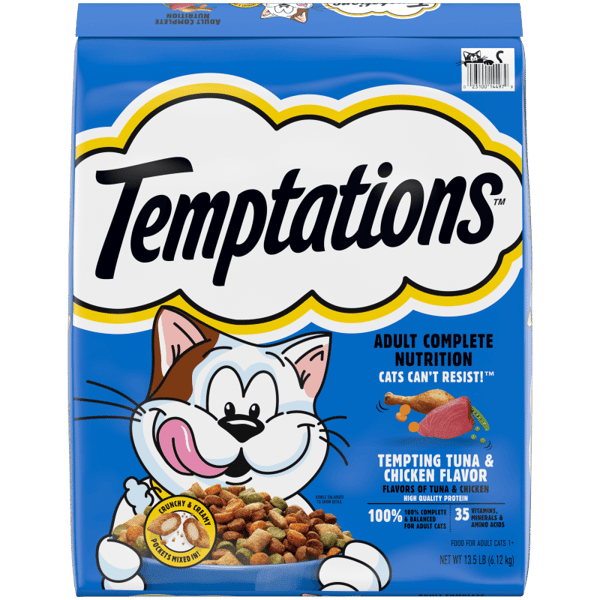
Credit: www.temptationstreats.com
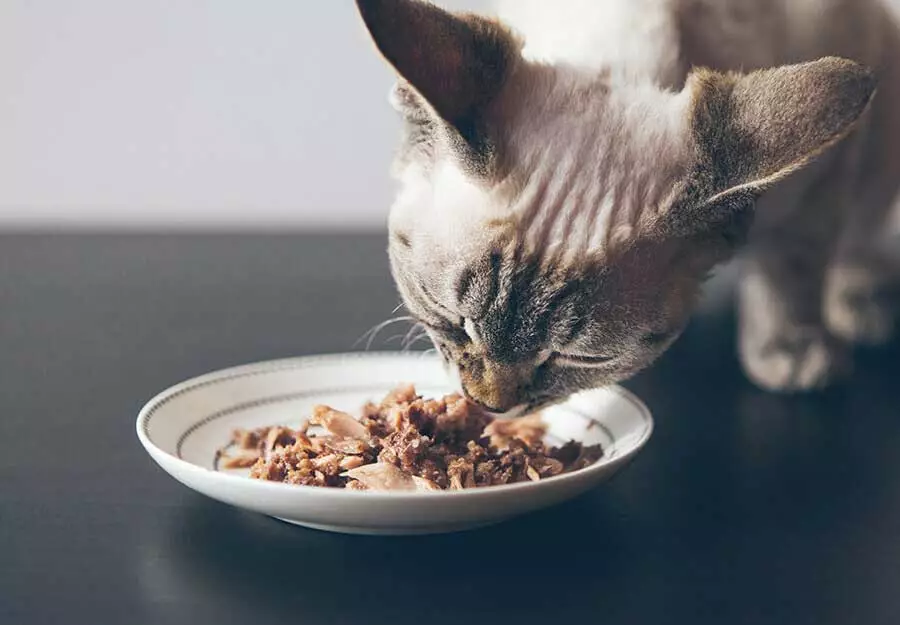
Credit: blog.homesalive.ca
Frequently Asked Questions
Is It Okay To Feed A Cat Tuna Every Day?
Feeding a cat tuna daily isn’t recommended. It can lead to nutritional imbalances and mercury poisoning. Offer tuna occasionally as a treat. Ensure your cat’s diet includes high-quality cat food with essential nutrients. Always consult a veterinarian for specific dietary advice.
Is Tuna Cat Food Healthy For Cats?
Tuna cat food can be healthy if fed in moderation. It’s rich in protein and omega-3 fatty acids. However, overfeeding can lead to mercury poisoning or nutritional imbalances. Always ensure it’s specifically formulated for cats and not regular tuna.
Can Cats Eat Tuna Every Day?
Feeding cats tuna daily is not recommended. It may lead to mercury buildup and lack essential nutrients. It’s best to provide a balanced diet with variety. Consult your veterinarian for advice on a proper feeding schedule.
What Are The Benefits Of Tuna Cat Food?
Tuna cat food offers high protein and omega-3 fatty acids. It promotes healthy skin and a shiny coat. Additionally, it can be appealing to picky eaters. Ensure it’s part of a balanced diet to avoid nutritional gaps.
Conclusion
Tuna cat food can be a tasty treat for cats. It offers protein and flavor they enjoy. Yet, feeding only tuna isn’t ideal. It lacks some nutrients cats need. Moderation is key. Mix tuna with other balanced cat foods. This ensures a healthy diet.
Watch for allergies or mercury concerns. Always consult your vet for advice. They can guide you on the best feeding practices. Your cat’s health should always be a top priority. A varied diet keeps them happy and thriving.