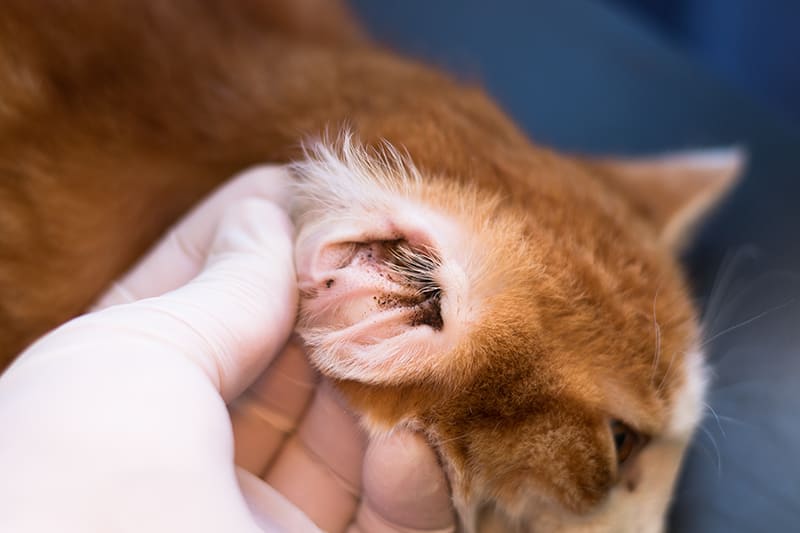
Ever notice your cat scratching its ears a bit too much? Or perhaps you’ve seen some unusual discharge or a foul smell coming from their ears.
These could be signs of an ear infection, a common issue that many cat owners face. But why do cats get ear infections? Understanding the reasons behind this can help you prevent future problems and ensure your furry friend stays healthy and happy.
By diving into the causes, symptoms, and treatments, you can be better equipped to care for your cat’s ear health. Keep reading to discover how you can safeguard your pet’s well-being and gain peace of mind knowing you’re doing everything you can for your feline companion.

Credit: www.washingtondogandcathospital.com
Common Causes Of Ear Infections In Cats
Cats, like humans, can suffer from ear infections. These infections are uncomfortable and may lead to more serious health issues. Understanding the common causes of ear infections in cats is important for prevention and treatment. Several factors contribute to these infections.
Bacterial And Viral Infections
Bacteria and viruses are common culprits. They invade the ear canal and cause inflammation. This leads to discomfort and pain. Prompt treatment is necessary to prevent complications.
Ear Mites Infestation
Ear mites are tiny parasites. They thrive in the warm environment of a cat’s ear. Mites feed on earwax and skin oils. This causes irritation and infection. Regular check-ups can help detect mites early.
Allergies And Irritants
Allergies can also trigger ear infections. Cats may react to food or environmental allergens. Irritants like smoke or chemicals can worsen the situation. Identifying and removing these can help reduce infection risks.
Foreign Bodies In The Ear Canal
Foreign objects sometimes enter a cat’s ear. Grass seeds or small debris are common examples. These can cause irritation and infection. Regular grooming and inspection can help prevent such issues.

Credit: palmcityanimalclinic.com
Symptoms Of Ear Infections In Cats
If you’ve ever noticed your cat acting a bit off, you might wonder what’s going on. Ear infections in cats are more common than you might think, and recognizing the symptoms early can help your furry friend feel better faster. Being aware of the signs can make all the difference in seeking timely veterinary care.
Visible Signs Of Discomfort
Cats are masters at hiding pain, but ear infections can reveal themselves through visible signs of discomfort. You might notice your cat scratching at their ears more than usual. They could also be shaking their head frequently, as if trying to dislodge something. Both behaviors are indications that something isn’t right.
Another sign to look out for is redness or swelling around the ear area. This could be accompanied by a foul odor, hinting at an underlying infection. If you see any discharge, it’s time to take action.
Behavioral Changes
When a cat’s behavior changes, it often signals an underlying issue. Have you noticed your cat being more irritable or hiding more than usual? Ear infections can cause significant discomfort, leading to mood swings.
Your cat might also become less playful, withdrawing from activities they once loved. This change in behavior can be a clue that they’re not feeling their best.
Physical Indicators
Physical indicators are often the most telling signs of an ear infection. You may observe your cat tilting their head to one side. This tilt is usually due to the discomfort and imbalance caused by the infection.
Loss of balance can be another indicator. If your cat seems to stumble or has difficulty walking, their ears might be the culprit. Remember, these physical signs can escalate quickly, so it’s important to pay attention.
Have you ever noticed these symptoms in your cat? Recognizing them early can save your pet from a lot of unnecessary discomfort. Always consult with your vet if you suspect an ear infection. Your cat’s health and happiness are worth it!
Diagnosing Ear Infections In Cats
Cats often get ear infections due to bacteria, yeast, or ear mites. Allergies or foreign objects can also cause infections. Regular check-ups and cleaning help prevent these painful issues.
Diagnosing ear infections in cats can be a challenging yet crucial process. Your feline friend can’t simply tell you what’s wrong, so it’s up to you and your vet to uncover the mystery. Understanding the steps involved in diagnosing ear infections can help you take swift action when your cat starts showing symptoms like excessive scratching or head shaking.Veterinary Examination
A thorough veterinary examination is the first step in diagnosing your cat’s ear infection. During this visit, your vet will inspect your cat’s ears for signs of redness, swelling, or discharge. They might ask you questions about your cat’s behavior, like if they’ve been scratching their ears more than usual or acting differently. Sometimes, what you think is just a little ear wax could be something more serious. Your vet might use an otoscope, a special tool that allows them to look deep inside your cat’s ear canal. This can reveal any blockages, foreign objects, or signs of infection that aren’t visible to the naked eye.Diagnostic Tests
Diagnostic tests can provide a clearer picture of what’s causing your cat’s ear troubles. Your vet might take a swab from your cat’s ear to check for bacteria, yeast, or mites under a microscope. This can help them determine the best treatment for your cat’s specific condition. Sometimes, further tests might be needed, like a culture and sensitivity test. This involves growing any bacteria found in your cat’s ear in a lab to see which antibiotics will be most effective. It sounds complex, but these tests can make a big difference in how quickly your cat recovers. Have you ever noticed how some cats seem more prone to ear infections than others? It could be due to their environment, allergies, or even the shape of their ears. Understanding these factors can help you and your vet make informed decisions about your cat’s health. By taking these steps, you’re not just treating the symptoms; you’re getting to the root of the problem. This knowledge can empower you to make better health choices for your feline companion, ensuring they get the care they need.Treatment Options For Cat Ear Infections
When your feline friend is suffering from an ear infection, knowing the right treatment options can make a world of difference. Cats can be prone to ear infections due to various reasons, including parasites, allergies, or yeast growth. Understanding how to effectively treat these infections is crucial for ensuring your cat’s comfort and health. Let’s dive into the available treatment options, so you can help your cat feel better quickly.
Medications And Topical Treatments
Medications are often the first line of defense against ear infections in cats. Your vet might prescribe antibiotics or antifungal medications, depending on the cause of the infection. These are usually administered orally or as ear drops. The topical treatments can directly target the infection site, ensuring that the medication works effectively.
Have you ever tried applying ear drops to a squirming cat? It can be quite the challenge. But it’s essential to follow the vet’s instructions carefully. Consistent application can speed up recovery, and using treats as a reward can make the process easier for both you and your cat.
Surgical Interventions
In severe cases, where medications and topical treatments don’t suffice, surgical interventions might be necessary. This option is usually reserved for chronic infections or when there’s significant damage to the ear structure. Surgery can help remove debris or treat deep-seated infections.
While the thought of surgery might be daunting, it can be a life-saver for your cat. A friend once had a cat that required surgery due to a persistent ear infection. Although the recovery period was tough, the cat eventually healed and returned to its playful self. Would you consider surgery if it meant your cat could enjoy a pain-free life?
Treatment choices should be guided by your vet’s expertise and your cat’s specific needs. By being informed and proactive, you can ensure your furry friend’s ear infections are addressed promptly and effectively.
Preventative Measures For Cat Ear Health
Cats often get ear infections due to parasites, allergies, or bacteria. Regular ear cleaning and monitoring can prevent these issues. Keep your cat’s ears dry and clean to maintain their overall ear health.
Cats can suffer from ear infections just like humans. But there are simple ways to keep their ears healthy. Following preventative measures can help reduce the risk. Healthy ears mean a happy cat.Regular Ear Cleaning
Cleaning your cat’s ears prevents buildup. Use a gentle solution. Be careful and avoid poking too deep. This simple task can make a big difference. It helps remove wax and debris. Regular cleaning reduces infection chances. Cats will feel more comfortable too.Monitoring Allergies
Allergies can cause ear problems. Watch for signs like itching or redness. Change diets if needed. Some cats react to certain foods. Environmental factors can also trigger allergies. Consider hypoallergenic options for cats with sensitivities. Regular monitoring keeps allergies in check.Routine Vet Check-ups
Vet check-ups catch ear issues early. Vets can spot problems we might miss. Regular visits ensure overall health. They can clean ears professionally if needed. Vets offer advice on ear care too. Keep appointments regular for a healthy cat.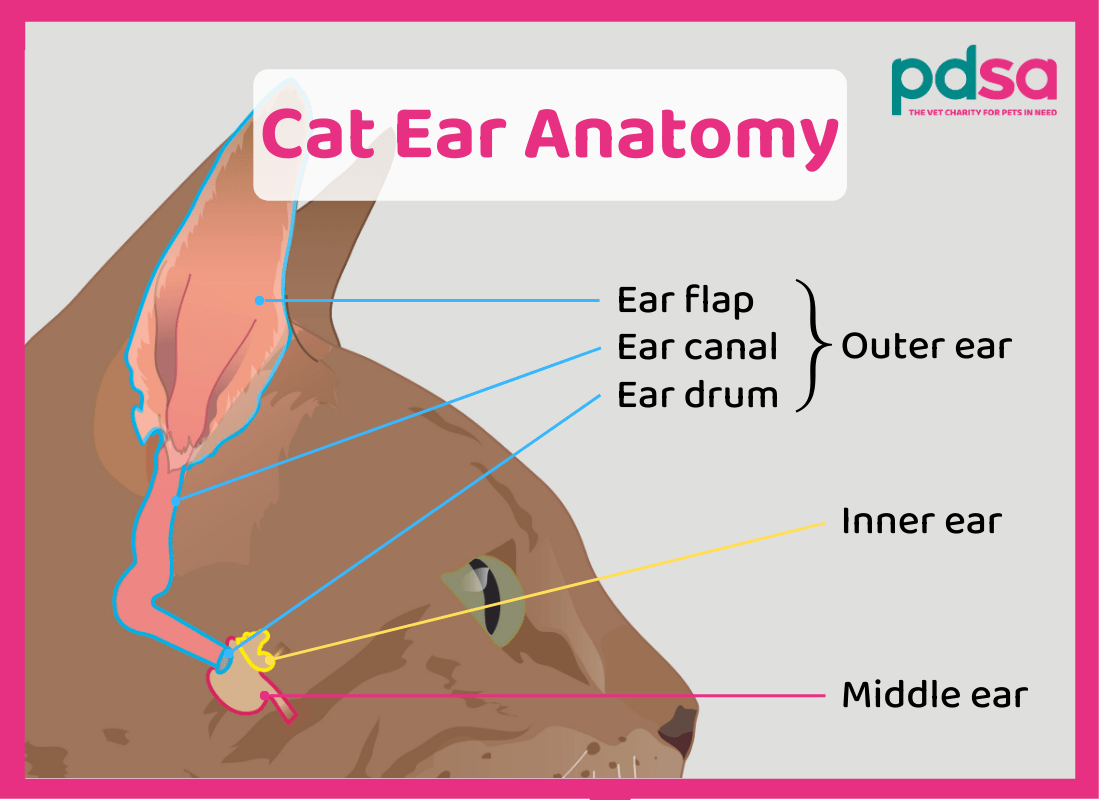
Credit: www.pdsa.org.uk
Long-term Implications Of Untreated Ear Infections
Ear infections in cats can lead to serious problems if left untreated. These infections are not just uncomfortable; they can cause long-term damage. Understanding the risks of untreated ear infections is crucial for pet owners. This knowledge helps protect your cat’s health and well-being.
Chronic Ear Conditions
Untreated ear infections can turn into chronic issues. The infection can damage the ear canal over time. Scar tissue may form, leading to permanent changes. These changes make the ear prone to future infections. Chronic conditions require ongoing treatment and care.
Impact On Overall Health
Ear infections can affect more than just the ears. The pain and discomfort can stress your cat. Stress weakens the immune system, making your cat vulnerable to other illnesses. In severe cases, infections can spread. They may reach the inner ear or even the brain. This can lead to serious health complications.
Frequently Asked Questions
How Do You Prevent Ear Infections In Cats?
Clean your cat’s ears regularly with vet-approved solutions. Keep their environment clean and free from allergens. Check for signs of mites or infections. Feed a balanced diet to boost their immune system. Regular vet check-ups help detect issues early.
Can A Cat’s Ear Infection Heal On Its Own?
A cat’s ear infection rarely heals on its own. Prompt veterinary treatment is essential to prevent complications. Regular checks and cleaning can help. If you suspect an infection, consult a vet immediately.
Can Cat Food Cause Ear Infections?
Cat food rarely causes ear infections directly. Allergies to certain ingredients in cat food might contribute. Consult a vet if you suspect a food allergy. Maintain proper hygiene and regular check-ups to prevent ear infections in cats.
What Happens If You Don’t Treat An Ear Infection In A Cat?
Untreated ear infections in cats can lead to severe pain, hearing loss, and balance issues. The infection may spread, causing more serious health problems. Prompt veterinary care prevents complications and ensures your cat’s comfort. Regular check-ups and cleaning help maintain healthy ears and prevent recurrent infections.
Conclusion
Cats often suffer from ear infections. It’s important to know why. Allergies, mites, and bacteria can be causes. Watch for signs like scratching or odor. Early detection helps with treatment. Regular vet check-ups are crucial. Keep your cat’s ears clean.
This prevents many problems. Use vet-recommended products for cleaning. Love and care keep your cat healthy. Ear infections can be managed with attention. Simple steps go a long way. Your furry friend deserves the best care. Protect their ears, protect their happiness.