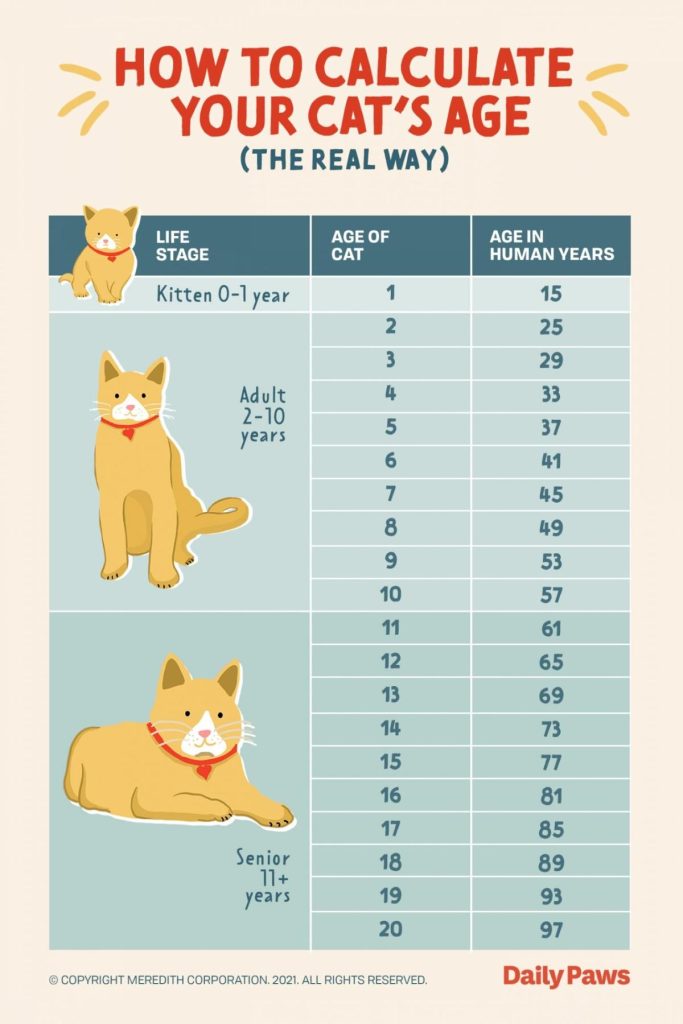
Have you ever wondered how old your beloved 17-year-old feline friend is in human years? You’re not alone.
Many cat owners like you are curious about how their furry companions age and what that means for their health and care. Understanding your cat’s age can help you provide the best life possible, filled with comfort, love, and happiness.
You’ll discover the fascinating way cats age, learn how to calculate your cat’s age in human years, and uncover essential tips to ensure your senior cat’s well-being. Let’s dive into the world of feline aging and find out what it means for your cherished pet.
Feline Aging Process
Understanding the Feline Aging Processcan be both fascinating and heartwarming. Cats age differently than humans, and a 17-year-old cat has experienced a lot more than one might think. As cats grow older, they undergo various physical and behavioral changes, much like humans, but at a different pace. It’s essential to grasp these changes to ensure your feline friend remains happy and healthy in their golden years.
How Cats Age Compared To Humans
Cats age rapidly in their first two years. By their second birthday, they are equivalent to a 24-year-old human. After that, each year roughly adds four human years to their age. So, a 17-year-old cat is like an 84-year-old human. Isn’t it interesting how your youthful kitten has transformed into a wise senior?
As your cat ages, you might notice changes in their behavior. They may become less active and prefer lounging over playing. Their hearing and sight can diminish, making them more reliant on their other senses. Have you noticed your cat sleeping more? That’s normal for an older feline.
Changes In Health And Nutrition
Aging cats often face health challenges such as arthritis, kidney disease, or dental issues. Providing a diet suited for senior cats can help alleviate some of these problems. It’s crucial to consult with your vet about the best dietary adjustments. Is your cat drinking more water or losing weight unexpectedly? These could be signs to look out for.
Emotional And Behavioral Changes
Older cats may become more affectionate or, conversely, more reserved. They might seek your company more often, craving warmth and comfort. Have you noticed your cat following you around the house more? It’s their way of seeking companionship and security.
How To Support Your Aging Cat
Make your home more accessible for your senior cat. Consider providing ramps or lower litter boxes. Regular vet visits are crucial to catch any health issues early. What small adjustments can you make to improve your cat’s quality of life?
As you reflect on your cat’s journey from a playful kitten to a senior companion, you realize how much they’ve grown and changed. Cherish each moment, as they truly enrich our lives with their unique personalities.
Credit: bestfriends.org
Age Conversion For Cats
Understanding a cat’s age can feel tricky. Cats age faster than humans, especially in their early years. Knowing how to convert cat years to human years helps. It offers insights into their health and behavior. This knowledge aids in providing better care for your feline friend.
Human Years Versus Cat Years
The first year of a cat’s life equals 15 human years. By the second year, a cat reaches 24 human years. Each additional year adds about four human years. So, a 17-year-old cat equals about 84 human years. This conversion gives perspective on their senior status. Older cats may need special care and attention.
Factors Affecting Cat Aging
Many factors influence a cat’s aging process. Diet plays a crucial role in their lifespan. Quality food promotes better health. Regular vet check-ups are essential. They help in early detection of health issues. Indoor cats often live longer than outdoor ones. Their environment affects their longevity too. Genetics can impact how a cat ages. Some breeds live longer than others. Proper care extends a cat’s life significantly.
Health Considerations For Senior Cats
A 17-year-old cat is in its golden years. As cats age, their needs change. Older cats require special attention to stay healthy and comfortable. Understanding the health considerations for senior cats is crucial. This helps them enjoy their later years with ease.
Common Health Issues
Senior cats face several common health issues. Arthritis is prevalent and causes joint pain. Kidney disease is also frequent, leading to weight loss and poor appetite. Dental problems are another concern, causing discomfort and eating difficulties. Heart disease can occur, affecting energy levels and breathing. Regular vet check-ups help detect and manage these issues early.
Dietary Needs
Senior cats have unique dietary needs. They often require fewer calories to prevent weight gain. High-quality protein supports their muscle health. Foods rich in antioxidants boost their immune system. Fiber aids digestion and prevents constipation. Wet food can be beneficial, keeping them hydrated and supporting kidney health. Always consult your vet for the best diet plan.

Credit: www.reddit.com
Behavioral Changes In Older Cats
A 17-year-old cat is roughly equivalent to an 84-year-old human. Cats often show changes in behavior as they age. They may sleep more, become less active, or experience increased vocalization. Adjusting to their needs can improve their comfort and quality of life.
As your feline friend reaches the remarkable age of 17, you might notice some fascinating behavioral changes. Cats, much like humans, experience shifts in their habits and personalities as they age. Understanding these changes can help you provide a supportive environment for your elderly cat. You may wonder why your once active furball now spends more time lounging.Activity Levels
Older cats often exhibit decreased activity levels. Your senior cat might prefer the comfort of a cozy spot rather than exploring the house or chasing toys. This doesn’t mean your cat is unhappy; it’s just a natural part of aging. Encourage gentle play and offer activities that suit their slower pace, like interactive toys that require minimal movement. Is your cat’s favorite game now a bit too strenuous? Adjust the playtime to ensure it’s enjoyable and safe for them. Notice any reluctance to climb stairs or jump onto high surfaces? Consider adding ramps or steps to make their environment more accessible.Social Interaction
Social interaction can also change as cats age. Your cat might become more reserved or, conversely, seek more companionship. Pay attention to their cues. Is your cat suddenly curling up beside you more often? Enjoy these moments of closeness and provide comfort. On the flip side, some cats may prefer solitude. Respect their space and offer a quiet retreat where they can rest undisturbed. Have you observed a shift in how your cat interacts with other pets? This change could signal their need for a different type of social engagement. Adjust your household dynamics accordingly to keep harmony intact. Understanding these behavioral changes allows you to adapt to your cat’s needs. Your attentiveness can make their golden years truly special. What changes have you noticed in your older cat’s behavior? Share your observations and help others in the community learn from your experience.Care Tips For Elderly Cats
As your feline friend ages, their needs change significantly. A 17-year-old cat is considered elderly, requiring special care and attention. Providing the right care can help them live comfortably in their golden years. Here are some essential tips to consider for your elderly cat.
Creating A Comfortable Environment
Older cats need a cozy and safe space. Soft bedding supports their joints. Keep the bed warm to ease any arthritis pain. Ensure easy access to food, water, and litter box. Avoid high places that are hard to reach. Senior cats often struggle with jumping.
Regular Veterinary Visits
Frequent check-ups are crucial for elderly cats. Monitor their health closely. A vet can spot issues early. Dental care is particularly important. Older cats often suffer from tooth problems. Regular visits help manage chronic conditions. This ensures a better quality of life.
Credit: www.newsweek.com
Signs Of Aging In Cats
Understanding the signs of aging in cats is vital for their care. Cats age differently from humans, and their aging signs can be subtle. A 17-year-old cat is quite senior, equivalent to an 84-year-old human. Recognizing these signs helps ensure a comfortable life for your feline friend.
Physical Signs
Physical changes become apparent as cats age. A common sign is a decrease in activity. Older cats often sleep more and play less. You might notice weight loss or changes in appetite. Their coat may become dull or matted due to grooming difficulties. Arthritis can cause stiffness, making movements slower or less agile.
Cognitive Changes
Cognitive changes can also occur in aging cats. They might seem confused or disoriented at times. Changes in sleeping patterns can indicate cognitive decline. Some cats may meow more often or at odd times. Forgetfulness is also common, like forgetting where the litter box is. Monitoring these changes is crucial for their well-being.
Frequently Asked Questions
Is 17 A Long Life For A Cat?
Yes, 17 is considered a long life for a cat. Cats typically live 12 to 15 years. Some cats exceed this average lifespan, reaching 20 years or more. Proper care, nutrition, and regular veterinary visits contribute to a longer life.
A 17-year-old cat is a cherished senior companion.
Is A 17 Year Old Cat Considered Old?
Yes, a 17-year-old cat is considered old. Cats are often seen as seniors by age 10 to 12. Older cats may need extra care and attention for their health and comfort. Regular vet visits and a proper diet can help maintain their well-being.
How Can I Tell If My Old Cat Is Suffering?
Look for changes in behavior, appetite, or grooming habits. Watch for signs of pain like limping or vocalization. Check for weight loss or lethargy. Seek a vet’s advice for a proper diagnosis. Monitor closely for any unusual symptoms.
What To Expect From A 17 Year Old Cat?
A 17-year-old cat may exhibit reduced activity, sleep more, and have potential health issues. Regular vet checkups are essential. Expect potential changes in appetite and litter habits. They may require a special diet. Provide a comfortable environment to support their aging needs.
Conclusion
Understanding your cat’s age is important for their care. A 17-year-old cat is quite mature. They need extra attention and love. At this age, health check-ups become crucial. Regular vet visits help catch issues early. Diet adjustments may also be necessary.
Older cats often need special food. Comfort becomes a priority too. Make sure they have cozy resting spots. Keep their environment stress-free. Always observe changes in their behavior. This helps detect any discomfort. Loving care ensures your senior cat thrives.
Remember, age brings wisdom and grace. Cherish these golden years together.