What Causes Cat Ear Infections: Expert Insights Revealed
Have you ever noticed your cat shaking its head or scratching its ears more than usual? If so, your furry friend might be dealing with an ear infection.
Understanding what causes cat ear infections is crucial for every cat owner. You want to ensure your feline companion is happy and healthy, right? We will explore the common culprits behind those pesky ear infections and what you can do to prevent them.
With simple explanations and actionable insights, you’ll find this information not only helpful but essential in maintaining your cat’s ear health. Keep reading to uncover the secrets to preventing these uncomfortable infections and giving your pet the care they deserve.
Common Symptoms
Redness, scratching, and head shaking often signal ear infections in cats. Allergies and parasites like ear mites are common causes. Bacteria or yeast can also lead to these uncomfortable symptoms.
When it comes to understanding what causes cat ear infections, recognizing the common symptoms is crucial. Knowing these symptoms can help you catch an infection early and seek appropriate treatment for your feline friend. Cats are known for their ability to hide discomfort, so it’s essential to be vigilant and attentive to any changes in their behavior or appearance.Redness And Swelling
If you notice your cat’s ears looking redder than usual or if there’s swelling, it could be a sign of an ear infection. Check both the outer and inner ear areas for any visible changes. This symptom often indicates inflammation, which can be uncomfortable for your cat.Frequent Scratching
Is your cat scratching their ears more than usual? Excessive scratching can be a telltale sign of discomfort or irritation. Persistent scratching might lead to further complications, such as wounds or secondary infections, so it’s important to address it promptly.Head Shaking
Head shaking is another common symptom of ear infections in cats. If your cat is frequently shaking their head, it could be their way of trying to alleviate the discomfort. This behavior is not just a quirky habit; it’s a sign that something might be wrong.Unpleasant Odor
A noticeable odor coming from your cat’s ears is a strong indicator of infection. The smell might be musty or foul, suggesting the presence of bacteria or yeast. This symptom should not be ignored, as it often signals a more serious underlying issue.Discharge
Ear infections can lead to discharge, which may be yellow, brown, or even bloody. This discharge can often be seen in the ear canal or on your cat’s fur around the ears. Monitoring the type and amount of discharge can provide important clues about the infection.Loss Of Balance
Have you observed your cat stumbling or having trouble maintaining balance? Ear infections can affect a cat’s equilibrium, leading to coordination issues. If your cat seems unsteady, it’s time to consider a visit to the vet.Changes In Behavior
Ear infections can make your cat irritable or withdrawn. You might notice them avoiding touch, especially around the head. Such changes in behavior are often subtle but can be significant indicators of discomfort. Staying aware of these symptoms can make a difference in your cat’s health. Have you noticed any of these signs in your cat recently? If so, taking prompt action could spare your pet a lot of pain and discomfort. Always consult your veterinarian for the best course of action, ensuring your cat gets the care they need.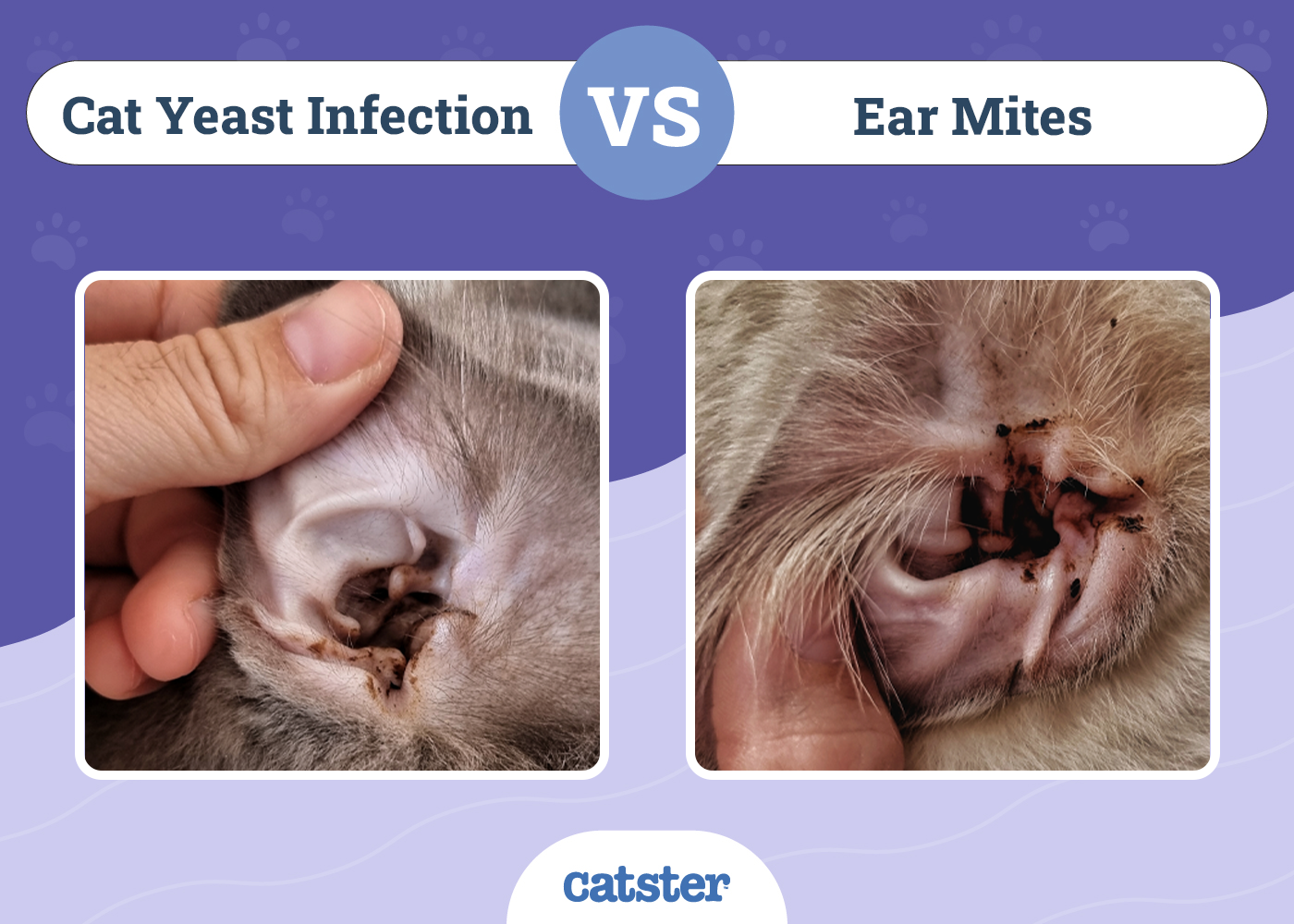
Credit: www.catster.com
Types Of Ear Infections
Cat ear infections often result from bacteria, yeast, or ear mites. Allergies, moisture, and foreign objects can also lead to infections. These factors cause discomfort and require prompt attention to prevent complications.
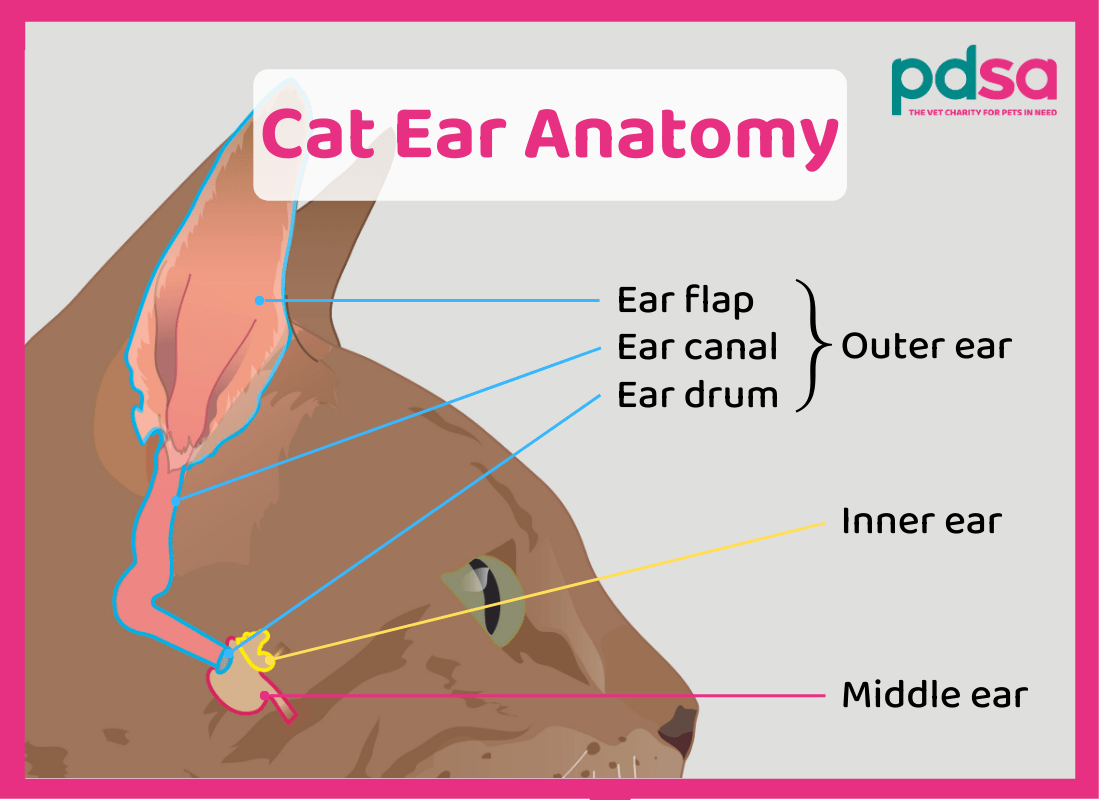
Understanding the different types of ear infections in cats can help you better care for your feline friend. Each type affects a different part of the ear and requires specific attention. Knowing the signs and symptoms of each can guide you in seeking the right treatment for your cat.Otitis Externa
Otitis externa affects the outer part of your cat’s ear. It’s often caused by allergies, parasites, or foreign bodies. You might notice your cat shaking its head or scratching its ears more than usual. Ear mites are a common cause of otitis externa. They can make a home in your cat’s ear canal, leading to irritation and inflammation. Regular check-ups can help catch these pesky critters early. If your cat’s ears have a bad odor or discharge, it could be a sign of otitis externa. Catching it early can prevent it from becoming something more serious.Otitis Media
Otitis media refers to infections in the middle ear. These infections often result from untreated otitis externa. Left unchecked, the infection can move deeper into the ear. Does your cat seem off balance or have trouble hearing? These could be signs of otitis media. Acting quickly can save your cat from more discomfort and potential hearing loss. Treating otitis media may require a visit to the vet for medication. Don’t hesitate to seek professional help if you suspect this type of infection.Otitis Interna
Otitis interna is an infection of the inner ear, and it’s the most serious type. It can lead to severe symptoms like loss of balance, head tilting, and even nausea. Have you ever seen your cat walk in circles or fall over? These might be signs of otitis interna. This condition requires urgent veterinary care to prevent permanent damage. The inner ear is crucial for balance and hearing. Protecting it means safeguarding your cat’s quality of life. Recognizing these types of ear infections can make all the difference in your cat’s health. Why wait for serious symptoms to appear? Regular ear checks can keep your cat happy and healthy.Bacterial Causes
Cat ear infections can be distressing for both cats and their owners. One major cause is bacteria. These microscopic organisms can invade the ear canal, leading to discomfort and irritation. Understanding bacterial causes helps in prevention and treatment. Let’s delve into the common bacteria responsible and the issue of antibiotic resistance.
Common Bacteria
Several bacteria can cause ear infections in cats. Staphylococcus is a frequent culprit. It thrives in moist environments like the ear canal. Pseudomonas is another common bacterium. It can lead to persistent infections. These bacteria multiply rapidly, causing inflammation and pain. Regular ear cleaning can reduce bacterial growth.
Antibiotic Resistance
Antibiotic resistance is a growing concern in treating ear infections. Overuse of antibiotics can make bacteria resistant. Resistant bacteria are harder to eliminate. This can lead to chronic infections in cats. Vets often conduct tests to identify resistant strains. Proper diagnosis ensures effective treatment. Avoid self-medicating to prevent resistance issues.
Fungal And Yeast Causes
Have you ever wondered why your cat keeps scratching its ears? Fungal and yeast infections might be to blame. These infections can cause discomfort and irritation for your feline friend. Understanding them can lead to better prevention and care.
Malassezia Yeast
Malassezia yeast is a common culprit behind cat ear infections. This yeast naturally lives on the skin but can overgrow in warm, moist environments. When this happens, it can lead to inflammation and itchiness in your cat’s ears.
Imagine your cat feeling constant discomfort due to this yeast. Wouldn’t you want to find a solution? Regular cleaning and keeping your cat’s ears dry can help prevent Malassezia overgrowth.
Other Fungal Infections
Besides Malassezia, other fungi can invade your cat’s ears. These infections might not be as common but can be equally troublesome. Different fungi can create varied symptoms, making it crucial to identify the exact cause.
If you notice unusual behaviors or discharge, it might be time for a vet visit. Have you considered how a simple check-up can save your cat from long-term discomfort? Timely diagnosis and treatment can bring relief to both you and your pet.
So, what steps can you take to ensure your cat’s ears stay healthy? Regular vet check-ups, maintaining ear hygiene, and being observant of any changes are key. Are you ready to make a difference in your cat’s life?
Parasitic Causes
Understanding the causes of cat ear infections helps in early intervention. One common cause is parasites. These tiny invaders can irritate your cat’s ears. They lead to discomfort and infections. Recognizing these parasitic causes is crucial for your cat’s health.
Ear Mites
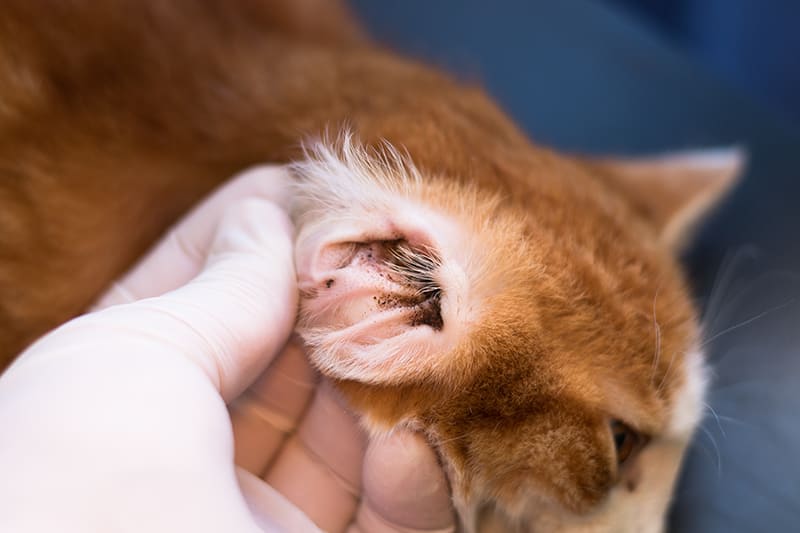
Ear mites are tiny creatures that live in cat ears. They are nearly invisible to the naked eye. They feed on ear wax and oils. This causes irritation and inflammation. Cats with ear mites often shake their heads. They scratch their ears excessively. You might notice dark discharge in the ear canal. This discharge looks like coffee grounds. It’s a sign of ear mites. Regular cleaning and vet visits can help. Treatment is necessary to remove these mites.
Other Parasites
Other parasites can also cause ear infections. Ticks are another concern. They latch onto the ear’s surface. Ticks can transmit diseases and cause irritation. Fleas are not just a skin problem. They can affect the ears too. Fleas create discomfort and lead to infections. Keeping your cat’s environment clean helps. Regular checks for parasites are important. This prevents serious ear infections.
:quality(75))
Credit: manypets.com
Allergic Reactions
Cats often suffer from ear infections due to allergic reactions. Allergies can cause inflammation, leading to discomfort and infections. Understanding the types of allergies can help manage and prevent these issues.
Food Allergies
Food allergies are a common cause of ear infections in cats. Cats may react to certain proteins in their food. This reaction can lead to inflammation in the ears. Symptoms may include itching, redness, and recurrent infections. Identifying and eliminating the allergen can help. A vet may suggest a special diet for your cat.
Environmental Allergies
Environmental allergies also contribute to cat ear infections. Cats can be allergic to pollen, dust, or mold. These allergens cause irritation and inflammation in the ears. Signs include scratching and shaking their head. Regular cleaning can reduce allergen buildup. Keeping the home clean helps minimize exposure to allergens.
Underlying Health Conditions
Cats, much like humans, can suffer from ear infections. These infections often arise from underlying health conditions. Understanding these conditions can help in preventing and treating ear infections in cats. Let’s explore some common underlying health conditions that can cause cat ear infections.
Hormonal Imbalances
Hormonal imbalances can lead to ear infections in cats. Cats with thyroid problems may experience increased ear wax production. Excess ear wax creates a breeding ground for bacteria and yeast. This often results in painful ear infections. Regular vet check-ups can help detect hormonal issues early.
Immune System Disorders
A weak immune system leaves cats vulnerable to infections. Cats with compromised immune systems struggle to fight off bacteria and yeast. This makes them more prone to ear infections. Conditions like feline leukemia and feline immunodeficiency virus can weaken immunity. Ensuring your cat stays healthy can reduce infection risk.
Credit: www.pdsa.org.uk
Risk Factors
Understanding the risk factors for cat ear infections can help you keep your feline friend healthy and comfortable. Many factors can increase the likelihood of your cat developing an ear infection. By recognizing these, you can take steps to minimize their impact.
Breed Susceptibility
Did you know some cat breeds are more prone to ear infections than others? Cats with naturally long ear canals or floppy ears, such as the Scottish Fold, can be more susceptible. Their unique anatomy can trap moisture and debris, leading to infections.
Think about your cat’s breed and its ear structure. Regular check-ups can help catch problems early, especially for breeds known for ear issues.
Age Factors
Your cat’s age can also play a role in their risk of ear infections. Younger cats may have underdeveloped immune systems, making them vulnerable to infections.
On the flip side, older cats might experience reduced immune function, increasing their risk. Regular veterinary visits are crucial to monitor your cat’s health as they age.
Are you noticing any changes in your cat’s behavior or ear condition? Timely intervention can prevent minor issues from becoming major ones.
By understanding these risk factors, you can better protect your cat from painful ear infections. Taking proactive steps can make all the difference in your cat’s well-being.
Prevention Strategies
Cat ear infections often result from allergens, bacteria, or ear mites. Regular cleaning and monitoring can help prevent these infections. Understanding the causes is crucial in managing and reducing the risk of ear problems in cats.
Preventing cat ear infections is crucial for your feline friend’s comfort and health. By adopting some simple strategies, you can significantly reduce the risk of these painful conditions. Let’s dive into how regular cleaning and dietary adjustments can play a vital role in prevention.Regular Cleaning
Regular cleaning of your cat’s ears can prevent the build-up of dirt and wax that often leads to infections. Use a soft, damp cloth or a cotton ball and gently wipe the visible parts of the ear. Be cautious and avoid inserting anything into the ear canal to prevent damage. Consider setting a weekly routine for ear inspection. Look for signs of redness, swelling, or unusual odors. If you notice anything concerning, consult your vet promptly. Regular check-ups can catch potential problems early and keep your cat’s ears healthy.Dietary Adjustments
Your cat’s diet can impact its overall health, including ear health. Ensuring a balanced diet rich in essential nutrients can bolster their immune system, making infections less likely. Discuss with your vet about incorporating omega-3 fatty acids, which can enhance skin health and reduce inflammation. Pay attention to food allergies, which can sometimes manifest as ear infections. If your cat frequently suffers from ear problems, consider a hypoallergenic diet. A simple change in diet might save your cat from discomfort and you from costly vet visits. How often do you evaluate your pet’s diet? It’s easy to overlook how much diet affects their ear health. By making small changes, you can ensure your cat’s ears stay infection-free and improve their overall quality of life.Treatment Options
Cat ear infections can be bothersome for your furry friend. Understanding treatment options is essential. Different treatments can address the severity of the infection. Your veterinarian will guide you. Let’s explore these options in more detail.
Medication
Medication is the most common treatment. Vets prescribe antibiotics or antifungal drops. These target bacteria and yeast causing the infection. Apply the medication as directed. Regular application ensures effectiveness. Sometimes, oral medication is necessary. This depends on the infection’s severity. Pain relief medications might also be prescribed. These help your cat feel more comfortable.
Surgical Intervention
Surgical intervention is rare but sometimes needed. Chronic or severe infections might require surgery. This option is for cases where medication fails. Surgery helps drain abscesses or remove growths. It ensures the ear canal is clear. Post-surgery care is crucial. Follow your vet’s advice for a speedy recovery. This option is considered a last resort. It ensures your cat’s long-term health.
Expert Advice
Understanding what causes cat ear infections can be challenging. Expert advice helps to navigate this common feline issue. Veterinarians play a crucial role in providing guidance. Home care is also important. Let’s explore professional insights and practical tips.
Veterinarian Recommendations
Veterinarians suggest regular check-ups for early detection. Early detection prevents serious problems. They recommend looking for signs like scratching and head shaking. Discharge or odor from the ears is a red flag. Professional cleaning by a vet can prevent infections. Regular check-ups with a vet ensure your cat’s ear health.
Home Care Tips
Home care is vital for preventing ear infections. Clean your cat’s ears gently. Use a vet-approved cleaner for safety. Avoid inserting objects into your cat’s ear canal. Always dry your cat’s ears after bathing or swimming. Dry ears reduce the risk of infection. Monitor your cat’s behavior for any changes. Early intervention can save your pet from discomfort.
Frequently Asked Questions
How Do I Keep My Cat From Getting Ear Infections?
Clean your cat’s ears regularly using a vet-recommended solution. Maintain hygiene and monitor for signs of infection. Ensure a balanced diet to boost immunity. Keep your cat’s environment clean and free from allergens. Schedule regular vet check-ups for ear examinations.
Can Cat Ear Infections Go Away On Their Own?
Cat ear infections rarely go away on their own. Seeking veterinary care ensures proper diagnosis and treatment. Early intervention prevents complications and ensures your cat’s comfort. Always consult a vet for ear infections to avoid prolonged discomfort. Regular check-ups help in maintaining ear health.
Can Cat Food Cause Ear Infections?
Cat food itself doesn’t directly cause ear infections. Allergies to certain ingredients might trigger them. Consult a vet for guidance if your cat shows symptoms like head shaking or ear scratching. A proper diet can help manage allergies and maintain overall ear health.
What Is Considered To Be The Most Common Cause Of Ear Infections In Cats?
Ear mites are the most common cause of ear infections in cats. These tiny parasites irritate the ear canal, leading to infection. Regular check-ups and cleaning help prevent infestations. If you notice signs like head shaking or excessive scratching, consult a veterinarian promptly.
Conclusion
Cat ear infections need quick attention. Know the signs and causes. Regular check-ups help prevent issues. Watch for scratching or head shaking. These might indicate problems. Clean ears gently to avoid infections. Use vet-approved products. A healthy diet supports ear health.
Avoid allergens. Keep your cat’s environment clean. Good hygiene keeps infections away. Happy cats have clean ears. Prioritize ear care for your cat. Trust your vet for guidance. Keep your furry friend comfortable. Prevent infections before they start. Stay proactive for your cat’s health.
Healthy ears mean a happy cat.