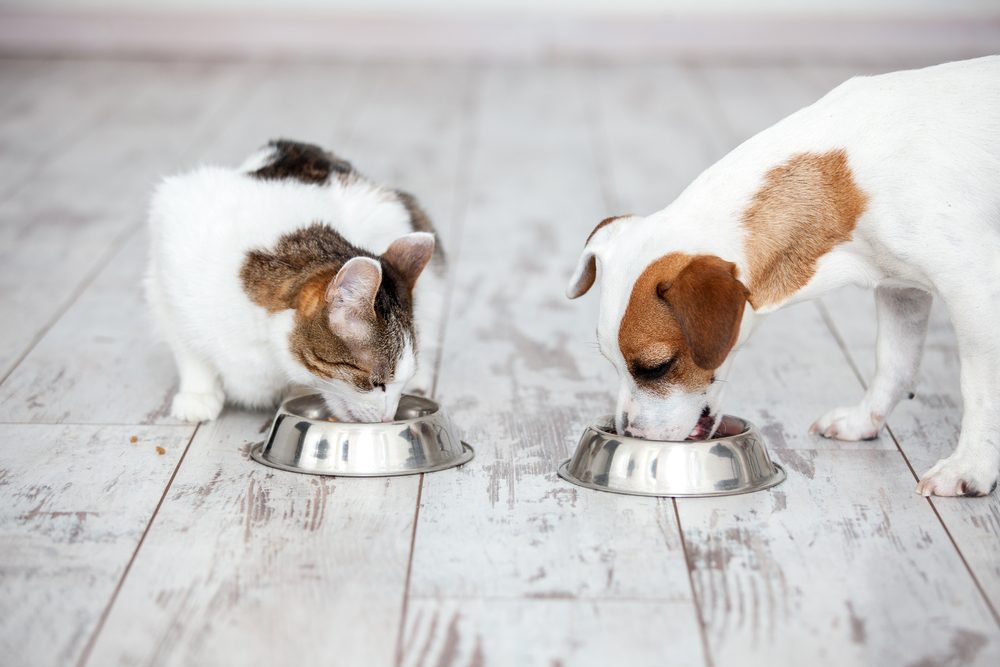
You’ve probably seen your dog sneak a bite or two of cat food. It might seem harmless, even a bit funny, but have you ever wondered if it could actually be dangerous?
Could this seemingly innocent snack pose a serious threat to your furry friend’s health? Your pet’s well-being is crucial, and understanding the risks associated with their diet is essential. We’re diving deep into the world of pet nutrition to answer a question many pet owners have: Can a dog die from eating cat food?
By the end, you’ll have the knowledge to make informed decisions about your dog’s diet and ensure they live a happy, healthy life. Stay with us as we unravel the mystery, ensuring your beloved pet remains safe and sound.

Credit: www.usatoday.com
Nutritional Differences
Understanding the nutritional differences between dog and cat food is crucial. Dogs and cats have different dietary needs due to their distinct biological makeups. While it might seem harmless for a dog to snack on cat food, it’s important to know how these differences can affect your pet’s health. Cat food is specifically formulated to meet feline dietary requirements. Let’s explore these differences in more detail.
Protein And Fat Content
Cat food typically contains higher protein levels than dog food. Cats are obligate carnivores, requiring more protein for their energy needs. Dogs, while also carnivorous, can digest carbohydrates and need a balanced diet. High protein levels in cat food can strain a dog’s liver and kidneys over time. Fat content is another significant difference. Cat food often has more fat, which can lead to weight gain in dogs. This imbalance may cause health issues if consumed regularly.
Taurine Levels
Taurine is an essential amino acid for cats but not for dogs. Cat food is rich in taurine to prevent deficiencies in felines. Dogs can synthesize taurine naturally, so their food contains less. Excessive taurine from cat food isn’t harmful to dogs in the short term. Long-term consumption, though, may contribute to nutrient imbalances. This could affect a dog’s overall health.
Potential Health Risks
Feeding your dog cat food might seem harmless, especially when you’re in a pinch or they’ve snuck a bite. But, did you know that this can pose several health risks to your furry friend? Understanding these potential dangers can help you make informed decisions to keep your dog healthy and happy.
Digestive Issues
Dogs have different nutritional needs compared to cats, and their digestive systems reflect this. Cat food is typically high in protein and fat, which can be hard for a dog to process. This mismatch can lead to digestive upset, manifesting as diarrhea or vomiting. If your dog has ever nosed around the cat’s bowl, you might have noticed these unpleasant symptoms.
Obesity Concerns
Cat food is calorie-dense, designed to fuel a feline’s energetic lifestyle. When consumed by a dog, these extra calories can quickly add up. Over time, this can lead to obesity, putting your dog at risk for joint pain, heart disease, and diabetes. Have you ever noticed your dog’s waistline expanding after regular cat food snacking?
Allergic Reactions
Some dogs may be allergic to ingredients commonly found in cat food. Symptoms of an allergic reaction can include itchy skin, ear infections, and gastrointestinal issues. If your dog shows any of these signs after eating cat food, it might be time to reassess their diet. Are you aware of your dog’s specific food allergies?
Keeping your dog away from cat food is not just about preserving cat meals but ensuring your dog’s health. Next time you find your dog eyeing the cat’s bowl, think about these potential risks. What small changes can you make today to protect your pet’s health?
Signs Of Distress In Dogs
Dogs are curious creatures, often getting into things they shouldn’t. If your dog has eaten cat food, you might wonder about the potential risks. Cat food is not designed for dogs, and consuming it can lead to distress. Recognizing these signs early can make a big difference in your dog’s health.
Vomiting And Diarrhea
One of the most common signs of distress in dogs who have eaten cat food is vomiting. Your dog may throw up soon after consuming the food. This is a clear indication that something is not right.
Diarrhea often accompanies vomiting. If your dog has a loose stool, it’s a sign their digestive system is struggling. Your dog’s body is trying to get rid of the cat food. Pay attention to these symptoms as they can quickly lead to dehydration.
Lethargy And Weakness
After eating cat food, a dog might seem unusually tired. If your furry friend is sleeping more than usual or seems disinterested in their favorite activities, they may be experiencing lethargy.
Weakness is another alarming sign. You may notice your dog struggling to stand or walk. This is a cause for concern and requires immediate attention. Weakness can indicate a more serious underlying issue.
Have you ever noticed your dog exhibiting these symptoms after sneaking into your cat’s bowl? Acting quickly when you spot these signs can prevent further complications. Remember, your dog relies on you to notice when things aren’t right.
Emergency Response
Dogs might experience health issues from eating cat food, but death is rare. Cat food is high in protein and fat, which can upset a dog’s stomach. Always monitor your dog and consult a vet if concerned.
When your dog accidentally eats cat food, it can be alarming. You might wonder about potential risks and how to act swiftly. Knowing the right emergency response is crucial. You can safeguard your furry friend by understanding when to seek professional help and what immediate steps to take.When To Contact A Vet
If you notice unusual behavior in your dog after consuming cat food, it’s time to call a vet. Signs like vomiting, diarrhea, lethargy, or difficulty breathing are red flags. Even if symptoms seem minor, a quick call can prevent further complications. Imagine your dog suddenly becomes very quiet and refuses to play. This behavior could be a cry for help. Trust your instincts and reach out to a vet. It’s always better to err on the side of caution.Immediate Actions To Take
Begin by removing any remaining cat food to prevent further consumption. Offer your dog fresh water to help flush out any unwanted ingredients. Observe your dog closely for any behavioral changes. You might find it helpful to jot down any symptoms as they occur. This record can be invaluable when speaking to your vet. Have you ever faced a similar situation with your pet? Remember, quick actions can make all the difference. Consider if your dog has any allergies or pre-existing conditions that could worsen the situation. This insight can guide your emergency response and inform your vet. By understanding these steps, you equip yourself to handle such emergencies effectively. Your prompt action can protect your dog from potential health issues.Preventive Measures
Preventive measures are essential to keep your beloved pets healthy and safe. Ensuring that dogs do not consume cat food is a significant part of this. While an occasional nibble might not seem alarming, continuous consumption can lead to health issues. Let’s delve into some practical strategies you can adopt to prevent this.
Proper Feeding Practices
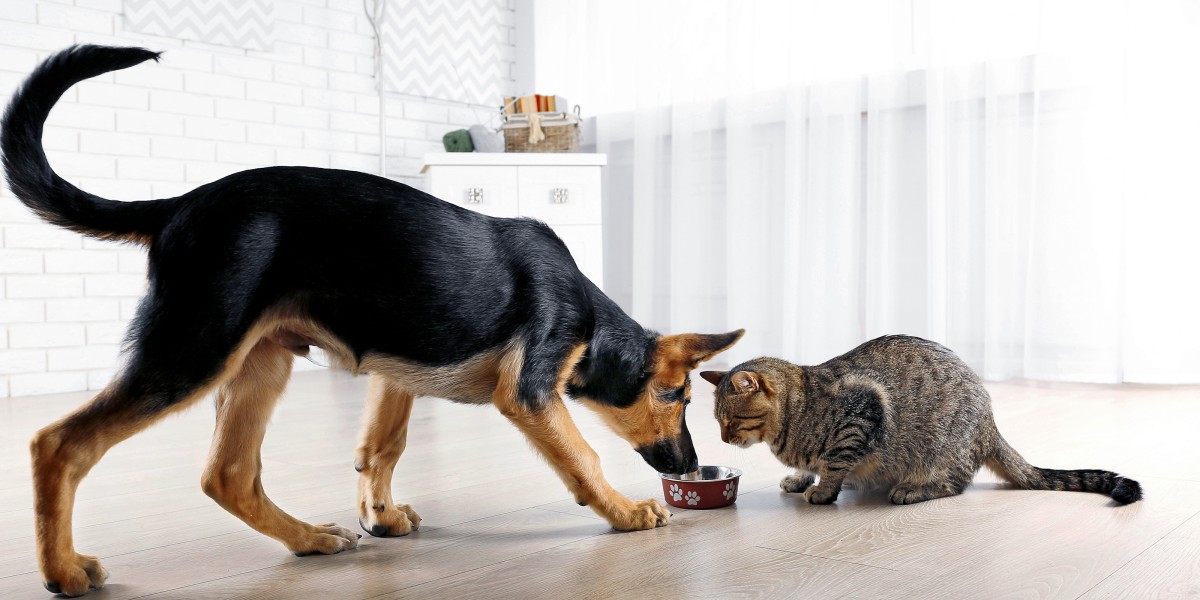
Feeding your pets correctly is the first step. Establish a routine where your dog and cat eat at different times or in separate areas. This minimizes the chance of your dog sneaking a bite of cat food.
Consider feeding your pets in different rooms. This keeps them focused on their own meals and reduces distractions. You might find that your dog is less interested in cat food when they have their own tasty meal to enjoy.
Monitor portion sizes. Serve enough food to satisfy your pets without leaving leftovers that tempt your dog. This not only helps with weight management but also keeps your dog away from unnecessary cat food indulgence.
Securing Pet Food Storage
How secure is your pet food storage? Keeping pet food in a secure location is crucial. Use airtight containers to store cat food. This not only keeps it fresh but also prevents your dog from sniffing it out.
Place food containers in cabinets or on high shelves that your dog can’t access. Think about your dog’s agility; can they reach the food if they really try? Secure locations can be a game-changer.
Are you inadvertently inviting your dog to explore cat food? Try keeping the cat food out of sight. Sometimes, simply having it out of view is enough to deter your dog from seeking it out.
What strategies have you found successful in keeping your dog away from cat food? Share your insights with fellow pet owners. Preventive measures not only protect your dog’s health but also promote harmony between your furry companions.
Credit: www.purina.com
Alternatives To Cat Food
Feeding your dog cat food is not ideal. Dogs and cats have different dietary needs. Dogs require specific nutrients that cat food lacks. Offering suitable alternatives ensures your dog stays healthy. Below are some options to consider.
Balanced Dog Diet
A balanced diet is crucial for your dog’s health. Dogs need proteins, fats, carbohydrates, vitamins, and minerals. High-quality dog food meets these nutritional needs. It supports growth, energy, and overall well-being. Always check the label for ingredients and nutritional value. Consult your vet for personalized advice.
Homemade Dog Meals
Homemade meals can be a great option. You can use fresh ingredients. Chicken, beef, or fish provide protein. Add vegetables like carrots or peas for vitamins. Include rice or sweet potatoes for carbohydrates. Ensure meals are well-cooked and balanced. Avoid spices and seasonings. Discuss with your vet to ensure nutritional balance.
:strip_icc()/GettyImages-1137504605-4ea3ceec185f4d1e9dc39fb71f8ae04c.jpg)
Credit: www.thesprucepets.com
Frequently Asked Questions
What Happens If A Dog Eats Cat Food?
Dogs eating cat food occasionally may not cause harm. Cat food is richer in proteins and fats, which can upset a dog’s stomach. Regular consumption might lead to nutritional imbalances or weight gain. Consult a vet if your dog consumes cat food frequently.
Always ensure dogs eat food formulated for them.
How Long Will A Dog Be Sick After Eating Cat Food?
Dogs may feel sick for a few hours after eating cat food. Symptoms can include vomiting or diarrhea. If symptoms persist beyond a day, consult a veterinarian for advice. Keep an eye on your dog’s behavior and hydration to ensure quick recovery.
Can My Dog Live Off Cat Food?
Dogs shouldn’t live off cat food. It lacks essential nutrients dogs need. Dog food is specifically formulated for their dietary needs. Feeding cat food occasionally won’t harm, but it’s not suitable for long-term health. Always choose a balanced diet designed for dogs to ensure their well-being.
Will One Bowl Of Cat Food Hurt My Dog?
One bowl of cat food might not harm your dog, but it’s not ideal for regular consumption. Cat food is high in protein and fat, which can upset your dog’s digestive system. Occasionally, it might be okay, but always prioritize dog-specific food for balanced nutrition.
Conclusion
Feeding dog cat food isn’t ideal. Dogs need different nutrients. Occasional cat food consumption might not harm. Regular feeding can lead to health issues. Dogs may lack needed proteins and vitamins. Balanced diet is crucial for dogs. Consult a vet for diet advice.
Ensure your dog gets proper nutrition. Healthier dogs live happier lives. Keep their diet appropriate and safe. Always check what your dog eats. Stay informed about pet health. Choose food designed for dogs. Their well-being depends on it.