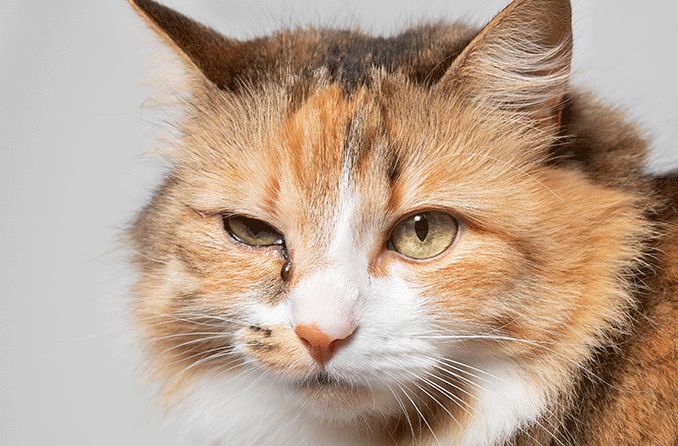
Have you ever noticed your cat’s eyes watering and wondered if they have tear ducts like we do? If you’re a cat owner, you’re probably familiar with those adorable yet mysterious feline gazes.
But when it comes to their eyes, there’s more happening than meets the eye. Understanding whether cats have tear ducts and how their eyes function can help you better care for your furry friend. We’ll explore the fascinating world of feline eye anatomy and reveal some surprising facts.
Stick around, and you might just discover something new about your cat’s health and well-being. Let’s dive in and uncover the secrets behind those captivating cat eyes.
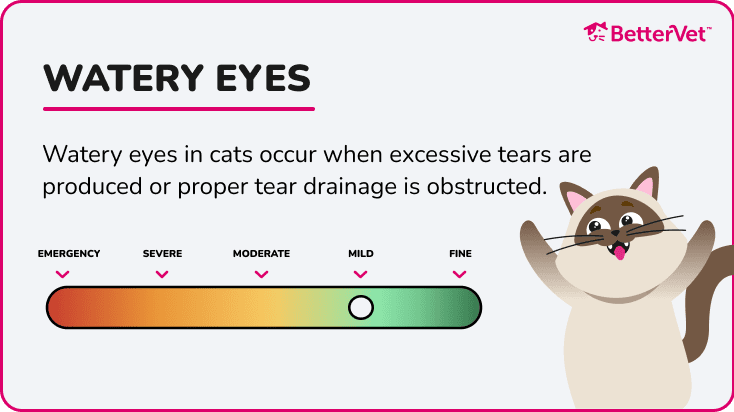
Credit: thevets.com
Feline Eye Anatomy
Cats have fascinating eyes with unique features. Understanding feline eye anatomy helps us care for them better. Their eyes are designed for night vision and detecting movement. Cats’ eyes have a special structure, including tear ducts. These components work together to keep their eyes healthy.
Structure Of Cat Eyes
Cat eyes are large and round. This shape helps them see well in low light. The cornea is the clear front part of the eye. It covers the iris and pupil. The iris gives their eyes color. The pupil is the black part that changes size. A cat’s pupil can become a thin slit or a wide circle. This helps them control how much light enters the eye. Behind the pupil is the lens. It focuses light onto the retina. The retina is at the back of the eye. It sends images to the brain.
Function Of Tear Ducts
Cats have tear ducts like humans. They produce tears to keep the eyes moist. Tears also help wash away dust and debris. The tear ducts drain excess tears from the eyes. This prevents overflow onto the face. If tear ducts are blocked, a cat may have watery eyes. Proper tear duct function is crucial for eye health.
Credit: veterinaryvisioncenter.com
Tear Production In Cats
Have you ever noticed your cat’s eyes glistening with moisture? This is due to their tear production. Yes, cats have tear ducts, and understanding how they work can offer insights into your pet’s health.
Similar to humans, cats produce tears, but have you ever wondered about the types of tears they produce and why? Understanding these aspects can help you ensure your feline friend’s eyes remain healthy and comfortable.
Types Of Tears
Cats produce three main types of tears: basal, reflex, and emotional tears. Basal tears serve as a constant layer of moisture, keeping the eyes from drying out. Reflex tears are produced in response to irritants, like dust or a stray hair in the eye. Emotional tears, although common in humans, are not typically observed in cats.
It’s fascinating to think about how these tiny creatures have such complex systems to protect their eyes. Each type of tear plays a specific role, and understanding these can help you recognize when something might be amiss.
Role Of Tears In Eye Health
Tears are essential for a cat’s eye health, acting as natural lubricants. They wash away dirt and debris, reducing the risk of infection. Tears also provide necessary nutrients and oxygen to the eye’s surface.
If you notice your cat’s eyes are excessively watery, it might indicate an underlying issue. This could be a sign of allergies, infection, or blocked tear ducts. Regular observation of your cat’s eyes can help catch potential problems early.
Have you ever had to wipe away tears from your cat’s eyes? It’s not just an act of care but an important part of ensuring their well-being. By understanding the role of tears, you can better support your cat’s health and happiness.
Common Eye Conditions In Cats
Cats do have tear ducts, just like humans. These ducts help drain excess tears from their eyes. Common eye conditions in cats include conjunctivitis, cataracts, and glaucoma, which may require veterinary attention.
Cats, like humans, can experience various eye conditions that can affect their overall well-being. Understanding these common issues helps you ensure your feline friend remains healthy and happy. Cats don’t always show discomfort the way we do, so it’s essential to know what to look for.Signs Of Eye Problems
Do you ever notice your cat squinting or rubbing their eyes excessively? These could be signs of underlying eye problems. Look for redness, swelling, or discharge, as these are common indicators that something might be wrong. Changes in your cat’s behavior, like avoiding bright lights or being more irritable, can also suggest eye discomfort. If you notice any of these signs, it’s time to consult your veterinarian.Tear Duct Blockage
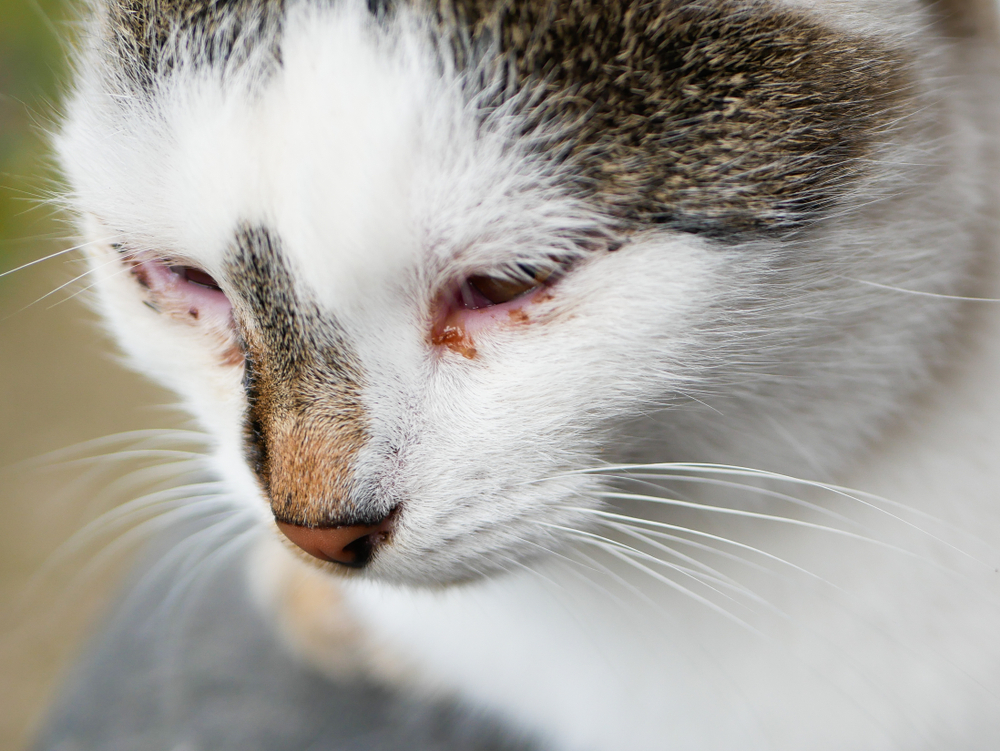
Tear duct blockages are a frequent issue in cats, leading to excessive tearing or even infections. You might see a crusty buildup around your cat’s eyes or notice they’re frequently tearing up. This condition can occur due to infections, allergies, or even genetic factors. If you observe persistent tearing, it’s crucial to get your vet to check it out. Regular cleaning around the eyes can help prevent blockages. Use a damp cloth to gently wipe away any discharge. However, if the problem persists, professional treatment may be necessary. Have you ever had a cat with eye issues? Keeping an eye on your pet’s eye health is vital, as early detection can prevent more serious problems. Your attentive care can make all the difference in their quality of life.Caring For Cat Eyes
Caring for cat eyes is crucial for their overall health and happiness. Cats, like humans, have tear ducts that help keep their eyes moist and clean. But do cats cry like humans? Not exactly. Their tear ducts work differently. Learning how to care for your cat’s eyes can prevent infections and discomfort. Let’s explore some practical ways to ensure your feline friend’s eyes stay healthy and bright.
Routine Eye Cleaning
Regular eye cleaning is essential for your cat’s well-being. Dust and debris can accumulate in their eyes, causing irritation. You can gently wipe your cat’s eyes with a soft, damp cloth. Use warm water and avoid any harsh chemicals.
Check for any unusual discharge. Normal tearing is clear, but if you notice colored discharge, it might be time for a closer look. Make eye cleaning a part of your grooming routine. Your cat will appreciate the extra care.
When To Seek Veterinary Help
Sometimes, despite your best efforts, your cat’s eyes might show signs of trouble. Look out for excessive tearing, redness, or swelling. If your cat frequently paws at their eyes, it could be a sign of discomfort.
Don’t wait too long if you notice these symptoms. A quick visit to the vet can save your cat from potential eye issues. Early intervention often prevents more severe problems. Trust your instincts as a pet owner. Your cat relies on you to keep them safe.
How do you know when a simple issue might be something serious? Observing your cat’s behavior is key. Are they avoiding light or struggling to see? These could be warning signs. Reach out to a professional for guidance.
Comparative Eye Physiology
Understanding the intricacies of eye physiology across different species can be fascinating. It reveals how each creature adapts to its environment. Cats, with their enigmatic gaze, often leave us wondering about the nature of their eye functions. Do they have tear ducts like humans? Let’s dive into the comparative eye physiology of cats and other animals to uncover these secrets.
Cats Vs. Other Animals
Cats have distinctive eye anatomy compared to many other animals. While humans rely heavily on tears to keep their eyes moist, cats have a different mechanism. Their eyes produce a unique fluid that helps maintain eye health.
Other animals, like dogs, have tear ducts that function similarly to humans. They produce tears to lubricate and protect their eyes. Cats, however, primarily use a third eyelid, known as the nictitating membrane, for this purpose.
This membrane sweeps across the eye, offering protection and moisture. It’s a fascinating adaptation that showcases the unique physiology of cats. Have you ever noticed your cat’s eyes glistening without tears? This membrane might be the reason.
Unique Adaptations
Cats possess adaptations that reflect their predatory lifestyle. Their eyes are designed for precision and agility. The absence of tear ducts as found in humans doesn’t compromise their vision.
Instead, cats have glands that produce a special fluid to keep their eyes clean and healthy. This fluid, combined with the nictitating membrane, provides all the moisture they need. It’s an efficient system tailored to their needs.
Think about the last time your cat made a swift move to catch a toy. Their eyes stayed focused and clear, showcasing the effectiveness of these adaptations. Could this be why they remain so agile even in dim light?
So, next time you observe your cat, consider the remarkable physiology behind their captivating eyes. It’s a testament to nature’s ingenuity, crafting each species uniquely. What other animal adaptations might surprise you?
Myths And Misconceptions
Many think cats don’t have tear ducts, but they do. Tears help keep their eyes moist and healthy. Misunderstandings arise because cats rarely show tears when sad or hurt.
Cats are fascinating creatures, often shrouded in mystery and enigma. One topic that piques curiosity is whether cats have tear ducts. A plethora of myths and misconceptions surround this question. Some people believe that cats don’t have tear ducts at all, while others think that cats crying is a sign of sadness. Understanding the truth is crucial for every cat owner, not just for curiosity but for ensuring the health and well-being of their furry friends.Common Misunderstandings
Many people assume cats don’t have tear ducts because they rarely see them “crying” like humans do. You might have noticed your cat’s eyes watering occasionally and dismissed it as an emotional response. Some even believe that cats shed tears to express feelings of happiness or distress. In reality, cats do have tear ducts, just like humans. Their primary function is not emotional expression but eye maintenance. Tears keep their eyes clean and free from debris. If you’ve ever seen your cat with watery eyes, it might be due to an irritation or a health issue rather than emotion.Scientific Clarifications
Scientifically speaking, cats have a lacrimal system that functions similarly to humans. This system includes tear ducts responsible for draining excess moisture from their eyes. When these ducts function properly, you won’t notice tears as they’re efficiently drained away. However, if a cat’s tear ducts are blocked, you might see tears spilling over. This isn’t a sign of sadness but an indication of a possible health concern. Conditions like infections or allergies could cause such symptoms. Regular veterinary check-ups can ensure your cat’s eyes are healthy and their tear ducts are functioning well. Understanding these aspects can help you identify when your cat needs medical attention. Have you noticed your cat’s eyes tearing up frequently? Perhaps it’s time to consult your vet to rule out any underlying issues. Knowing the truth about tear ducts can lead to better care for your feline friend.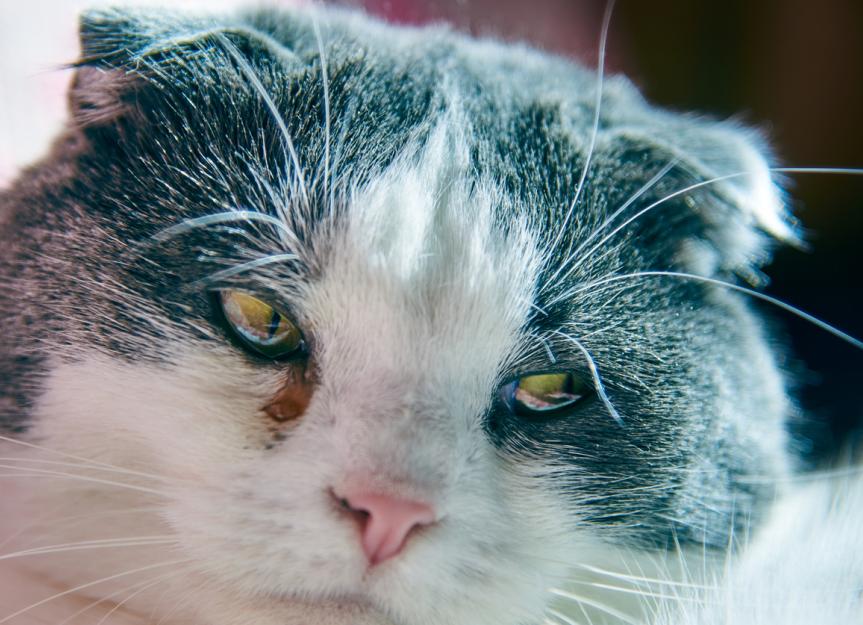
Credit: www.petmd.com
Frequently Asked Questions
Can Cats Cry Tears Like Humans?
Cats can’t cry tears like humans. They express emotions through vocalizations and body language. Tears in cats usually indicate medical issues. It’s essential to consult a vet if a cat’s eyes water excessively. Understanding their signals helps maintain their well-being and ensures they receive proper care.
What Does A Clogged Tear Duct Look Like On A Cat?
A clogged tear duct in a cat appears as excessive tearing or watery eyes. You might notice eye discharge or crust. Swelling around the eyes can occur. The cat may frequently paw at its eyes due to discomfort. These symptoms indicate a possible tear duct blockage.
Can Cats Cry Tears When In Pain?
Cats don’t cry tears from emotions or pain like humans. They may have watery eyes due to health issues. If your cat’s eyes are tearing, consult a vet. Understanding cat behavior helps ensure their well-being.
Why Does My Cat Cry Tears When He Eats?
Your cat might cry tears while eating due to blocked tear ducts or dental issues. Consult a vet for advice.
Conclusion
Cats are unique creatures with fascinating eye structures. Tear ducts help them keep eyes clean. This natural process protects their vision and overall health. Understanding cat eye care is important for pet owners. It ensures their furry friends remain happy and healthy.
Regular check-ups with a vet can prevent eye issues. Keep an eye on changes in your cat’s behavior. These signs can indicate eye discomfort. Proper care leads to a joyful, healthy cat. Explore more about pet health to become a better owner.
Knowledge is key to happy pets.