Have you noticed your cat’s nose dripping clear liquid and wondered if it’s something to worry about? You’re not alone.
Many cat owners find themselves puzzled by this curious occurrence. It’s natural to be concerned about your furry friend’s health, and understanding the reasons behind this symptom can bring peace of mind. From harmless causes to signals of underlying issues, knowing what to look for can empower you to make the best decisions for your cat’s well-being.
Stick around to uncover the mystery behind your cat’s runny nose and learn when it’s time to seek a vet’s advice. Your cat’s comfort and happiness might just depend on it!
Common Causes Of Dripping Nose In Cats
A cat’s nose might drip clear liquid due to allergies, respiratory infections, or environmental irritants. Stress or excitement can also cause this. It’s important to observe your cat’s behavior and consult a vet if you’re concerned.
Common Causes of Dripping Nose in Cats If you’ve noticed your cat’s nose dripping clear liquid, you’re likely concerned about what might be causing it. Cats can experience a runny nose for various reasons, some more serious than others. Understanding the common causes can help you determine whether it’s time to consult your vet or simply monitor your feline friend for a few days.Allergies
Allergies are a frequent culprit behind a cat’s runny nose. Just like humans, cats can be allergic to pollen, dust, or even certain foods. If your cat’s nose starts dripping after a change in diet or during particular seasons, it could be worth investigating potential allergens.Respiratory Infections
Respiratory infections can cause a cat’s nose to drip clear liquid. These infections might be viral or bacterial, and symptoms often include sneezing and coughing. If your cat shows signs of an infection, such as lethargy or loss of appetite, it’s advisable to seek veterinary care.Environmental Irritants
Environmental irritants like smoke, strong perfumes, or cleaning agents can trigger nasal discharge. If you’ve recently introduced new products into your home, consider their impact on your cat’s health. Try removing the suspected irritants to see if the nasal discharge improves.Dental Issues
Surprisingly, dental problems can also lead to a runny nose. An infected tooth or gum disease can cause inflammation that affects the nasal passages. Regular dental check-ups can help prevent these issues from escalating and affecting your cat’s overall health. If you’ve ever experienced a similar situation, you know how perplexing it can be. A dripping nose might seem minor, but it’s crucial to consider these causes. By staying observant and acting swiftly, you can ensure your cat remains healthy and happy. Have you encountered any of these issues with your cat? What steps did you take to address them?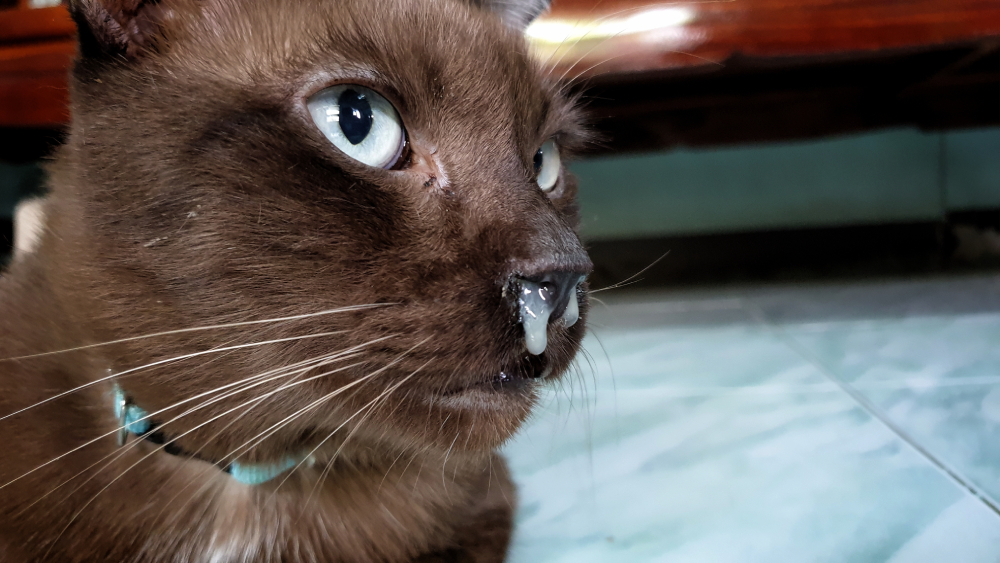
Credit: www.catster.com
Signs To Watch For
Noticing your cat’s nose dripping clear liquid can be concerning. It’s important to understand what signs to watch for. These signs can help determine if your cat needs a vet visit. Pay attention to changes in their behavior, other symptoms, and the frequency of the dripping.
Changes In Behavior
Cats often show signs when they are unwell. Is your cat less playful or hiding more? These can be clues. A dripping nose paired with changes in behavior might indicate an issue. Watch for decreased appetite or reluctance to interact. Such signs could mean your cat is feeling unwell.
Other Symptoms Accompanying Dripping
Dripping noses can come with other symptoms. Sneezing, coughing, or eye discharge are common. These symptoms can suggest a respiratory issue. If your cat also has a fever or seems lethargic, it’s time to consult a vet. Quick action can prevent minor issues from worsening.
Frequency And Duration Of Dripping
How often does your cat’s nose drip? Is it constant or occasional? A nose that drips frequently may need attention. Duration matters too. If the dripping persists for several days, it’s best to seek advice. A persistent drip can be a sign of an underlying problem.
Diagnosis Process
Understanding why your cat’s nose is dripping clear liquid involves a thorough diagnosis process. Identifying the root cause is crucial for effective treatment. Let’s explore the steps involved in diagnosing this common feline issue.
Veterinary Examination
A veterinary examination is essential. The vet observes your cat’s behavior and checks for physical signs. They inspect the nose for swelling or unusual discharge. Listening to your cat’s breathing helps detect any respiratory issues. This initial examination provides valuable clues.
Tests And Procedures
Tests play a crucial role in pinpointing the cause. Blood tests reveal underlying health issues. X-rays show any blockages in nasal passages. Cultures help identify bacterial or viral infections. Allergy tests determine if allergens are involved. These procedures provide detailed insights.
Importance Of Early Detection
Early detection prevents complications. It ensures timely treatment. Addressing symptoms early leads to better outcomes. It reduces stress on your cat. Quick action keeps your furry friend healthy and happy. Recognizing signs early is vital for effective care.
Home Remedies
When your cat’s nose is dripping clear liquid, it’s natural to feel concerned. You might wonder if there’s something you can do at home to help your furry friend feel better. While it’s important to consult a veterinarian for persistent or severe symptoms, several home remedies can offer comfort and relief for mild cases. Let’s explore these remedies and see how they can make a difference in your cat’s well-being.
Humidifying The Air
Have you noticed your cat sneezing more during dry seasons? Dry air can irritate your cat’s nasal passages, leading to a runny nose. Adding a humidifier to your home can help. It keeps the air moist, soothing your cat’s nasal discomfort. You might find that your cat enjoys spending time in rooms where the humidifier is running. Just ensure it’s clean and free of mold to prevent further issues.
Maintaining Clean Environment
Your cat’s surroundings play a crucial role in their health. Dust, pollen, or other irritants can contribute to nasal issues. Regular cleaning can minimize these irritants. Vacuum frequently to reduce dust and allergens. Wash your cat’s bedding weekly to keep it fresh. Have you ever noticed how your cat loves to nap on clean surfaces? Keeping their environment tidy can help reduce nasal irritation.
Nutritional Support
A strong immune system is key to overcoming minor health issues. Providing a balanced diet with essential nutrients can boost your cat’s immunity. Consider adding omega fatty acids, known to support respiratory health. A friend once shared how switching to a high-quality cat food improved her cat’s overall health, including reducing nasal drips. Are you feeding your cat the best diet for their needs? Small changes can make a big impact.
These home remedies can offer comfort and relief for your cat. Have you tried any of these methods with your own pets? What worked best for you and your feline companion? Always remember, if your cat’s symptoms persist, consult a veterinarian for professional advice. Your cat deserves the best care, both at home and with the vet.
Professional Treatments
Professional treatments offer solutions for a cat’s dripping nose. They address underlying causes effectively. Veterinary experts provide targeted care. This ensures your feline companion feels better.
Medications
Medications can help manage nasal discharge. Veterinarians may prescribe antihistamines. These ease allergies causing the drip. Antibiotics treat bacterial infections. They eliminate harmful bacteria causing symptoms. Decongestants might be recommended. They reduce nasal congestion in cats.
Surgical Options
Surgery might be necessary for severe cases. Nasal polyps can cause persistent drip. Removing them can resolve the issue. A vet will assess if surgery is needed. This approach is less common. But it can be effective for chronic conditions.
Follow-up Care
Follow-up care is vital after treatment. Regular vet check-ups monitor progress. They ensure the treatment’s effectiveness. Owners should observe any changes in symptoms. Report them to the vet promptly. Continued care leads to a healthy recovery.
Preventive Measures
Cats may experience clear nasal discharge due to allergies or mild respiratory issues. Keeping your home free from allergens can help. Regularly clean your cat’s bedding and use air purifiers to maintain a healthy environment.
Preventive measures can play a crucial role in ensuring your cat’s nose stays healthy and drip-free. By taking proactive steps, you can help maintain your feline friend’s overall well-being. Let’s explore some practical ways to prevent your cat’s nose from dripping clear liquid.Regular Health Check-ups
Scheduling regular vet visits is essential for catching potential health issues early. A veterinarian can spot subtle signs of illness that you might miss. Think of it as a routine tune-up for your cat’s health. During these visits, ask questions about any changes in your cat’s behavior or health. These discussions can provide insights into preventive care tailored to your cat’s needs.Proper Hygiene Practices
Maintaining cleanliness in your cat’s environment can reduce the risk of infections. Keep their litter box clean, and ensure their bedding is washed regularly. A tidy space can lead to a healthier nose. Pay attention to your cat’s grooming habits. If they seem less interested in self-cleaning, it might be time for a gentle assist with a damp cloth to wipe away any debris around their nose.Balanced Diet
A nutritious diet supports your cat’s immune system, helping them fend off infections. Ensure their meals are rich in essential nutrients and vitamins. Consult with your vet about the best dietary options for your cat’s specific needs. An appropriate diet can make a significant difference in their overall health and prevent unnecessary nose drips. Are there particular foods your cat loves that might not be the best for them? Adjusting their diet could be a simple yet effective preventive measure. By integrating these preventive measures into your routine, you can keep your cat healthy and content. Remember, a happy cat often means a happy owner.When To See A Vet
Clear liquid dripping from a cat’s nose might signal allergies or a cold. Persistent symptoms require a vet’s attention. Early diagnosis can prevent complications.
Is your cat’s nose dripping clear liquid? While it might seem harmless, there are times you should consult a vet. Knowing when it’s necessary to seek professional help can save you and your furry friend from potential worries. Here’s what you should watch out for.Persistent Symptoms
If your cat’s nose continues to drip clear liquid for more than a few days, it may be time to see a vet. Consistency in symptoms often indicates an underlying issue that needs attention. Cats, much like us, can catch colds, but prolonged symptoms could point to something more serious.Severe Or Worsening Condition
Notice if the condition gets worse. If your cat starts sneezing excessively, has difficulty breathing, or you see any discharge turning yellow or green, these can be signs of infection. Immediate veterinary care is crucial in these cases to prevent complications.Unusual Behavior
Pay attention to any changes in your cat’s behavior. Cats are typically creatures of habit. If they suddenly seem lethargic, lose interest in food, or hide more than usual, it could be a sign of illness. Trust your instincts—if something feels off, it’s worth getting checked out. Caring for your pet often involves playing detective. Have you ever noticed how a simple change in their routine can indicate their health status? Being proactive and observant can make all the difference. What has your cat been trying to tell you with their nose?
Credit: www.reddit.com

Credit: www.reddit.com
Frequently Asked Questions
Should I Be Worried If My Cat’s Nose Is Dripping?
A dripping nose in cats can indicate allergies, infections, or respiratory issues. Monitor your cat closely. If symptoms persist or worsen, consult a veterinarian for a proper diagnosis and treatment. Early intervention ensures your cat stays healthy and comfortable.
Why Does My Cat Have Clear Liquid Coming Out Of His Nose?
Clear nasal discharge in cats might indicate allergies, infections, or irritants. Ensure a clean environment and consult a vet.
How Do You Treat Nasal Drip In Cats?
Consult a vet for proper diagnosis and treatment. Keep the cat’s environment clean and humidified. Ensure the cat stays hydrated. Use a saline solution or prescribed medication to clear nasal passages. Avoid exposure to irritants like smoke or strong odors.
Why Is My Cat’s Nose Runny?
A runny nose in cats can indicate allergies, infections, or irritants. Clear liquid is often related to mild issues. However, if symptoms persist, consult a veterinarian. They can rule out more serious conditions and provide appropriate treatment. Keeping your cat’s environment clean may help reduce symptoms.
Conclusion
Clear liquid from a cat’s nose often signals health issues. Understanding the cause is important. Allergies, infections, or irritants might be the reason. Observe your cat’s behavior closely. Look for any changes in appetite or activity. Consult a vet if symptoms persist.
They offer professional advice and treatment. Regular check-ups ensure your cat stays healthy. Proper care and attention make a big difference. Your furry friend deserves the best care. Keep them happy and healthy always. Remember, a healthy cat is a happy cat.
Your vigilance pays off in the long run.