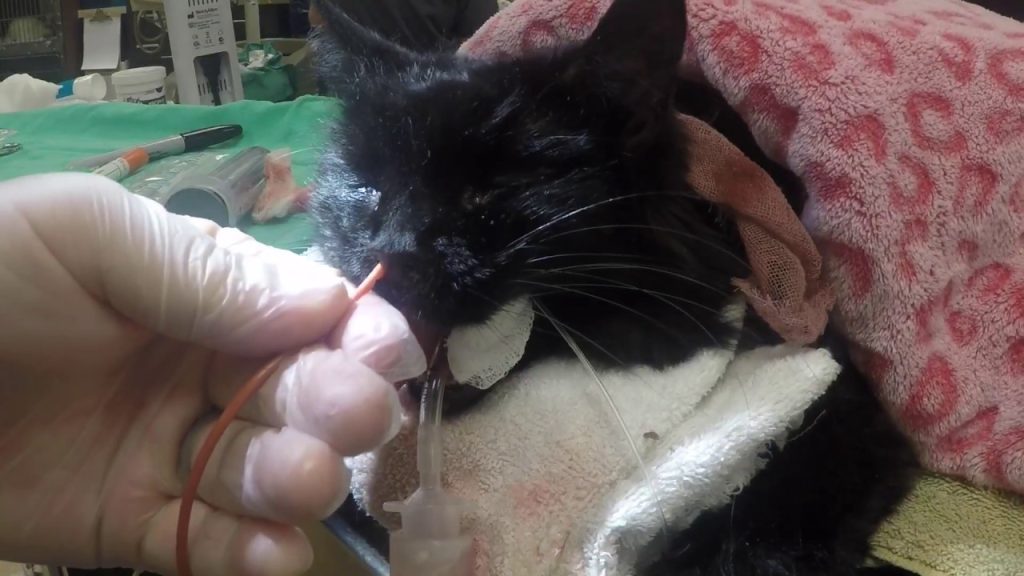
If your feline friend is struggling with a stuffy nose, you’re not alone. Many cat owners face this issue and wonder how they can help their beloved pet breathe easier.
You might notice your cat sneezing more than usual or see discharge from their nose. These signs can be concerning, but don’t worry—there are effective ways to help clear your cat’s nose. In this guide, we’ll explore simple and safe methods that you can use to provide relief for your cat.
By understanding the right techniques, you can ensure your cat feels comfortable and healthy again. Keep reading to discover how you can make a significant difference in your cat’s well-being with just a few easy steps.
Causes Of Nasal Congestion In Cats
Does your cat have a stuffy nose? Understanding why your feline friend might have nasal congestion is crucial for effective care. A clogged nose can make it difficult for cats to breathe and lead to other health issues. Let’s explore some common causes of nasal congestion in cats.
1. Respiratory InfectionsRespiratory infections are a frequent cause of nasal congestion in cats. Viral infections like feline herpesvirus and feline calicivirus can lead to sneezing and a runny nose. Bacterial infections can also be responsible. Have you noticed your cat sneezing more than usual or acting lethargic? It might be time to visit the vet.
2. AllergiesJust like humans, cats can suffer from allergies. Dust, pollen, or even household cleaning products might trigger an allergic reaction. Your cat may experience sneezing, itching, and nasal discharge. If you suspect allergies, try to identify and minimize exposure to potential allergens.
3. Foreign ObjectsCats are curious creatures. Sometimes, they might inhale small foreign objects, causing nasal blockage. If your cat is pawing at its nose or seems uncomfortable, check for any visible obstructions. It’s essential to act quickly before it leads to more serious complications.
4. Fungal InfectionsFungal infections, although less common, can also lead to nasal congestion. These infections can cause inflammation and irritation in your cat’s nasal passages. If your cat has persistent congestion, consider discussing fungal tests with your vet.
5. Environmental FactorsEnvironmental conditions like dry air or smoke can irritate a cat’s nasal passages. Have you noticed a change in your cat’s behavior during winter months or when the fireplace is in use? Monitoring your cat’s reactions to these changes can help prevent nasal congestion.
Understanding these causes can help you take proactive steps to ensure your cat breathes easy. Have you had experiences dealing with a congested cat? Share your stories and insights in the comments below!
Symptoms Of Nasal Issues
Understanding the symptoms of nasal issues in cats is crucial for their well-being. Cats, like humans, can suffer from nasal congestion, runny noses, and sneezing. Identifying these symptoms early can make a big difference in how quickly and effectively you can help your feline friend breathe easier.
Sneezing And Runny Nose
One of the most noticeable signs of nasal issues in cats is frequent sneezing. Just like when you have a cold, your cat may sneeze to clear irritants from their nasal passages. A runny nose, often accompanied by clear or cloudy discharge, can signal anything from a mild irritation to an infection.
Keep an eye on the color and consistency of the discharge. If it’s clear, it might be a simple allergy. However, if it turns yellow or green, it could indicate a bacterial infection.
Breathing Difficulties
Watch for signs that your cat is struggling to breathe. If you notice your cat breathing through their mouth or making unusual sounds while breathing, it could be due to nasal congestion. This is often more apparent when they are at rest.
Pay attention to any changes in their breathing patterns. If your cat is breathing more rapidly or appears to be in distress, it’s important to consult with a vet.
Loss Of Appetite
Did you know that a cat’s sense of smell is key to their appetite? Nasal issues can dull their sense of smell, leading to a decreased interest in food. If your cat is eating less or refusing meals, it might be time to check for nasal blockage.
Consider placing their favorite food near them to see if they show interest. A lack of response could be a signal that their nose needs attention.
Pawing At The Face
Is your cat frequently pawing at their nose or face? This behavior can indicate discomfort or irritation in their nasal passages. Cats often use their paws to try to relieve what they can’t easily reach.
Observe if this behavior is persistent or coupled with other symptoms. It might be your cat’s way of telling you that their nose isn’t as clear as it should be.
Recognizing these symptoms early can help you take swift action. Have you ever noticed these signs in your cat? What steps did you take to help them? Share your experiences in the comments below and let’s ensure our furry companions breathe easy!
Safe Methods For Clearing A Cat’s Nose
Gently use a damp cloth to wipe away mucus from a cat’s nose. Saline solution can help clear nasal passages. Consult a vet for persistent issues.
Clearing a cat’s nose safely is crucial for their comfort and health. Cats can experience nasal congestion due to allergies, infections, or environmental irritants. As a responsible pet owner, knowing the right techniques to help your feline friend breathe easier is important. You might be surprised how simple methods can make a significant difference. Let’s explore two safe ways to clear your cat’s nose: steam therapy and saline solution.Steam Therapy
Steam therapy is an effective way to relieve nasal congestion in cats. It works by loosening mucus and opening up nasal passages. You can create a steamy environment in your bathroom by running a hot shower. Place your cat in the bathroom, ensuring they are comfortable and safe. Be mindful of their stress levels. Steam can help clear their nasal passages without direct contact, making it a gentle option. Think about how you feel after a hot shower—relaxed and able to breathe easier. Your cat can experience similar relief. If your cat seems anxious in the bathroom, try a different method.Saline Solution
Saline solution is another safe method for clearing a cat’s nose. It’s simple to make and use. Mix a teaspoon of salt in a cup of warm water. Ensure the solution is not too hot or too cold. Using a clean dropper, gently apply a few drops into your cat’s nostrils. Be gentle and observe your cat’s reaction. This method can help break down mucus and relieve congestion. Have you ever used saline drops for a stuffy nose? The principle is the same for cats. Saline can soothe irritation and help your cat breathe more freely. If your cat resists, try using less solution or consult a vet. How do you help your cat when they have a stuffy nose? Finding the right method might take some trial and error. Cats can be unpredictable, but with patience, you can find what works best for them.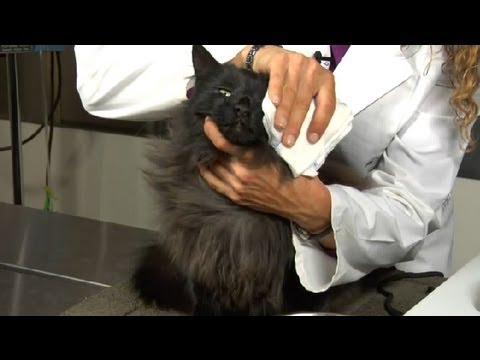
Credit: www.youtube.com
Using A Humidifier
Using a humidifier can be a gentle way to clear your cat’s nose. Moist air helps to loosen mucus, making it easier for your cat to breathe. This method is safe and easy, providing comfort for your furry friend.
Setting Up The Humidifier
Choose a quiet and efficient humidifier. Ensure it is suitable for room size. Place it in the area where your cat spends most of its time. Keep it at a safe distance from your cat. This prevents any unwanted accidents.
Maintaining Optimal Humidity Levels
Monitor the humidity levels in your home. Ideal levels are between 40% and 50%. Use a hygrometer to measure humidity. Adjust the humidifier settings if necessary. This ensures the air is just right for your cat’s health.
Cleaning The Humidifier Regularly
Regular cleaning is crucial for safe operation. Follow the manufacturer’s instructions for cleaning. This prevents mold and bacteria growth. Clean the water tank and filters. Keep the humidifier functioning effectively.
Observing Your Cat’s Response
Watch your cat for changes. Notice if breathing improves. Look for signs of comfort and ease. This indicates the humidifier is helping. Consult a vet if issues persist. Ensure your cat gets the best care.
When To Consult A Veterinarian
Persistent nasal congestion in cats requires veterinary attention. A vet ensures safe and effective treatments for clearing a cat’s nose.
When your cat has a stuffy nose, it might be tempting to try home remedies to clear it up. However, there are times when you should consider reaching out to a veterinarian. Recognizing these moments can make all the difference in your cat’s health.Persistent Symptoms
If your cat’s nasal congestion lasts more than a few days, it’s time to consult a vet. Long-lasting symptoms could be a sign of an underlying condition that requires professional treatment. Your vet can diagnose issues such as infections or allergies that might need medication.Difficulty Breathing
Notice if your cat is struggling to breathe. This could manifest as wheezing or open-mouth breathing. Such symptoms are serious and need immediate veterinary attention to prevent further complications.Unusual Discharge
Check the discharge from your cat’s nose. Clear or slightly cloudy mucus is often normal, but if it’s yellow, green, or bloody, that’s a red flag. These colors can indicate a bacterial infection or other medical issues.Lethargy And Loss Of Appetite
Is your cat less active or refusing to eat? These changes can suggest that your cat is feeling unwell and not just dealing with a simple cold. A vet can help determine whether this is linked to their nasal congestion or a separate issue.Sudden Onset Of Symptoms
If your cat suddenly starts showing symptoms of a blocked nose without any apparent reason, it’s wise to get a professional opinion. Rapid changes in health can sometimes be associated with more serious conditions.Age And Health Considerations
Kittens and older cats are more vulnerable to infections. If your pet falls into these age categories, being proactive about seeking veterinary care can prevent more severe health problems.Follow Your Instincts
Trust your instincts as a cat owner. If something feels off about your cat’s health, it probably is. It’s better to err on the side of caution and consult a veterinarian to ensure your cat gets the care they need. Keeping a close eye on your cat’s health and knowing when to seek professional help can make a significant difference. Have you ever had to take your cat to the vet for nasal congestion? Share your experiences and insights in the comments below.
Credit: www.wikihow.com
Preventive Measures
Ensuring a cat’s nose stays clear involves gentle cleaning and using a humidifier. Regular check-ups help detect underlying issues early. Keeping the environment dust-free also aids in maintaining a healthy respiratory system for your feline friend.
Keeping your cat’s nose clear is crucial for their overall health and well-being. Beyond immediate remedies, preventive measures can help maintain your feline friend’s nasal health. By taking proactive steps, you can reduce the frequency of nasal congestion and keep your cat breathing easy. Let’s explore some practical ways to achieve this.Maintaining Clean Environment
A clean environment plays a vital role in your cat’s respiratory health. Dust, pollen, and other allergens can accumulate in your home, causing nasal congestion. Regularly vacuum and dust your living spaces to minimize these irritants. Consider using air purifiers to enhance air quality. They can effectively filter out particles that might irritate your cat’s sensitive nose. If you notice your cat sneezing frequently, it might be time to check your cleaning routine.Regular Health Check-ups
Routine vet visits are essential in preventing respiratory issues. A vet can identify potential problems before they become serious. How often do you take your cat for a check-up? During these visits, discuss any changes in your cat’s behavior, such as sneezing or nasal discharge. Your vet can offer specific advice or treatments tailored to your pet’s needs. Keeping up with vaccinations also helps protect against respiratory infections. Preventive measures can significantly improve your cat’s quality of life. By maintaining a clean environment and scheduling regular health check-ups, you can help ensure your cat stays healthy and happy. Remember, a little prevention goes a long way in caring for your furry companion.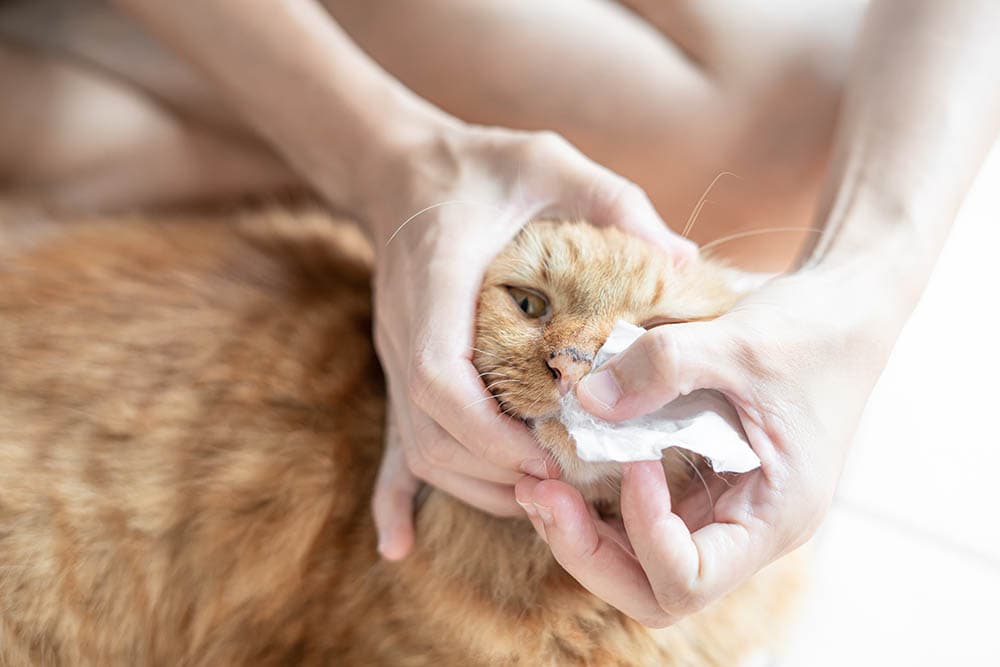
Credit: www.catster.com
Frequently Asked Questions
How Do You Flush A Cat’s Nose?
Gently use a saline solution and a soft syringe to flush the cat’s nose. Ensure the cat is calm. Slowly administer the solution into one nostril, allowing it to drain out. Repeat as needed, and always consult a vet before attempting.
How Do I Empty My Cat’s Nose?
Gently use a soft, damp cloth to wipe your cat’s nose. You can also use saline nasal drops. Consult your vet if symptoms persist or worsen. Always ensure your cat is comfortable during the process.
How Can I Tell If My Cat’s Nose Is Blocked?
If your cat’s nose is blocked, you may notice sneezing, nasal discharge, or breathing difficulties. Cats might also rub their nose frequently or show signs of discomfort. These symptoms suggest a blocked nose and may require attention to ensure your cat’s well-being.
What Causes Nasal Congestion In Cats?
Nasal congestion in cats can be caused by allergies, respiratory infections, or foreign objects. Environmental irritants like dust or smoke may also contribute. Identifying the cause is essential for effective treatment. If symptoms persist, consult a veterinarian for further advice and potential treatment options.
Conclusion
A cat’s nose can get clogged sometimes. Clearing it ensures their comfort. Start with gentle methods like steam or saline drops. Always be patient and calm. If problems persist, consult a vet. Regular check-ups help catch issues early. Your furry friend relies on you for care.
Keep their nose clear for a happy, healthy cat. Small steps can make a big difference. Stay attentive and loving. Your cat will thank you with purrs and cuddles.