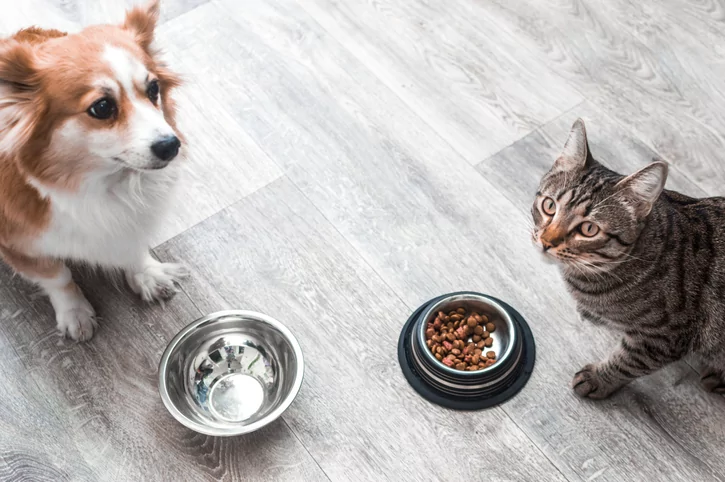
Have you ever caught your dog nosing around the cat’s food bowl? You’re not alone.
Many pet owners find themselves in this curious situation and wonder, “What happens if a dog eats cat food? ” You might think it’s harmless, or perhaps you’re worried about potential health risks. Understanding the effects of this sneaky snack is crucial for your furry friend’s well-being.
We’ll uncover the truth about dogs munching on cat food and what it means for their health. Stay with us to discover how this seemingly small act can impact your dog’s nutrition and behavior. You won’t want to miss these important insights!
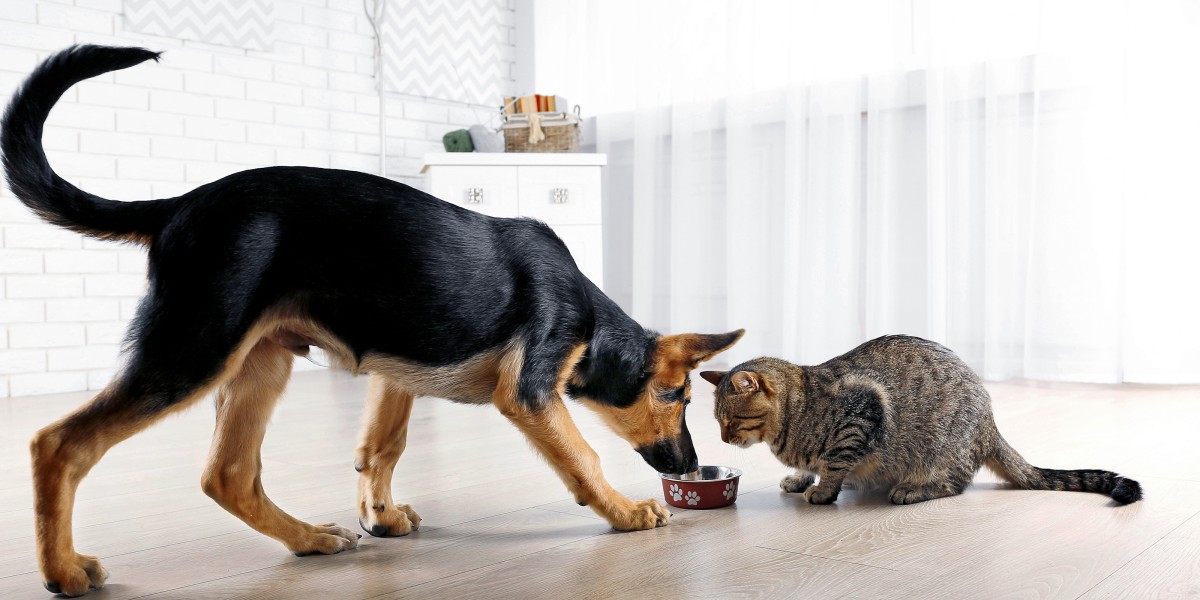
Credit: www.purina.com
Nutritional Differences
Dogs and cats have different dietary needs. Their food reflects these needs. Understanding the differences helps ensure pets stay healthy. Feeding a dog cat food might seem harmless. It can lead to nutritional imbalances over time.
Protein Content
Cats are obligate carnivores. They need more protein than dogs. Cat food is high in protein. This suits a cat’s dietary requirements. Dogs are omnivores. They need less protein and more variety. High protein can strain a dog’s kidneys over time.
Fat Levels
Cat food often contains more fat. This meets a cat’s energy needs. Dogs require less fat in their diet. High-fat content can lead to obesity in dogs. It might cause digestive issues too. Monitoring fat intake is essential for a dog’s health.
Vitamin And Mineral Variances
Cats need more taurine and vitamin A. Their food is rich in these nutrients. Dogs produce taurine naturally. They need less vitamin A from their diet. Excessive intake can be harmful. Feeding a dog cat food can lead to nutrient imbalances. This can affect their health in the long run.

Credit: michupet.com
Immediate Reactions
Ever caught your dog munching on your cat’s food and wondered what might happen next? It’s not uncommon for dogs to sneak a bite or two from their feline friend’s dish. But as a responsible pet owner, you might be curious about the immediate reactions your dog might experience. Let’s dive into the specifics of what you might observe.
Gastrointestinal Upset
If your dog eats cat food, the first thing you might notice is a change in their digestive system. Cat food is high in protein and fat, which can be tough on a dog’s stomach. You may observe symptoms like diarrhea, vomiting, or even bloating.
Imagine finding your dog looking uncomfortable and restless, not knowing what’s happening inside their tummy. It’s concerning, right? Keep an eye out for these signs, as they might require a visit to the vet if they persist.
Behavioral Changes
Another immediate reaction could be a shift in behavior. Has your usually energetic dog suddenly become lethargic? Or perhaps they’re more irritable than usual? Cat food can lead to an energy dip due to its different nutrient composition.
Picture this: your playful pup turning into a couch potato, seemingly disinterested in their favorite game of fetch. It can be puzzling! Ask yourself, is this change worth the risk of letting your dog indulge in cat food?
On the flip side, some dogs might become hyperactive. A sudden sugar rush, perhaps? Be mindful of these unexpected shifts. They might just be your cue to keep the cat food out of reach.
Have you ever experienced these reactions with your dog? How did you handle it? Your insights could be invaluable to fellow pet owners facing the same dilemma.
Long-term Health Implications
Feeding your dog cat food might seem harmless. But it can lead to long-term health issues. Dogs and cats have different dietary needs. Cat food is rich in proteins and fats. These ingredients are not ideal for dogs. Over time, this can affect your dog’s health.
Obesity Risks
Cat food is high in calories. Dogs eating cat food may gain weight quickly. Obesity in dogs can lead to joint problems. Heart disease is another risk. An overweight dog may have a shorter lifespan. Regular exercise and a balanced diet are key. Ensure your dog eats food meant for them.
Nutrient Deficiencies
Dogs need specific nutrients found in dog food. Cat food lacks some of these essential nutrients. A dog eating cat food may miss out on vitamins. This can lead to weak bones and muscles. Over time, nutrient deficiency can affect their immune system. A weak immune system makes them prone to illnesses. Ensure your dog gets a balanced diet. Proper nutrition supports their overall health.
When To Contact A Vet
It’s not uncommon for dogs to sneak a bite of cat food. But what should you do if this happens? Knowing when to contact a vet can make all the difference in ensuring your furry friend’s health and well-being. Let’s dive into the specifics.
Signs Of Distress
Imagine your dog has just gobbled up some cat food. You might brush it off as a quirky incident, but what if your dog starts showing signs of distress? Pay attention to symptoms like vomiting, diarrhea, or lethargy. These could indicate digestive upset or an allergic reaction.
Consider this: is your dog acting unusually withdrawn or whimpering more than usual? These behavioral changes may signal discomfort. If you notice these signs, it might be time to pick up the phone and call your vet.
Repeated Consumption Concerns
Has your dog developed a liking for cat food? If this becomes a habit, there are more serious concerns to address. Cat food is formulated differently, often with higher protein and fat levels, which are not suitable for dogs. Frequent consumption may lead to nutritional imbalance or weight gain.
Think about the long-term health implications. If your dog consistently eats cat food, it could impact their liver and kidney function. It’s crucial to monitor their eating habits and ensure they stick to their own diet.
So, should you wait and see or act quickly? Your dog’s health is a priority. Trust your instincts and reach out to your vet if you notice anything unusual. Would you rather be safe than sorry?
Preventive Measures
Dogs are curious creatures, and sometimes their curiosity leads them to sample food that’s not meant for them, like cat food. While a nibble here and there might not be harmful, regular consumption could lead to health issues. So, how can you prevent your dog from munching on your cat’s meals?
Feeding Strategies
One effective strategy is to create a feeding schedule for both your dog and your cat. By setting specific meal times, you can monitor their eating habits more closely.
Separate feeding areas can also help. If your cat’s food is in a place your dog can’t reach, it’ll be harder for them to sneak a bite.
Consider using feeding stations or elevated bowls for your cat. It makes it difficult for your dog to access the food.
Securing Pet Food
How often do you leave pet food out in the open? It’s tempting to leave a bowl of food accessible at all times, but this can invite unwanted snacking.
Store pet food in airtight containers. This keeps it fresh and prevents your dog from getting into it.
Think about the placement of these containers. Are they on a low shelf where your dog can reach? Place them in high cupboards or secure pantries.
Reflect on your pet’s behavior. Is your dog constantly sniffing around the cat’s feeding area? This could be a sign you need to revisit your food storage strategy.
Have you ever wondered why your dog prefers cat food? Sometimes it’s not just about taste but availability. By managing feeding times and securing storage, you can minimize this issue.
What changes can you make today to protect both your pets’ health? Your proactive steps can ensure peace of mind and a happier household.
Alternative Solutions
Dogs sometimes eat cat food out of curiosity. This can lead to stomach upset or nutritional imbalance. Offering dog-friendly alternatives can help maintain their health.
When your dog sneaks a bite of cat food, it might lead you to wonder about the best course of action. While occasional nibbling might not be harmful, a consistent diet of cat food isn’t ideal for your dog. Dogs and cats have different nutritional needs, and feeding them appropriately supports their health. If you’ve caught your dog in the act, consider these alternative solutions to ensure your dog receives the proper nutrition.Homemade Pet Food
Creating homemade meals for your pet can be a rewarding way to ensure they receive balanced nutrition. You can control the ingredients and adjust them to your dog’s preferences and dietary needs. For example, you could prepare a simple meal with boiled chicken, rice, and vegetables like carrots or peas. Have you ever cooked for your dog? Many find that preparing meals for their pets strengthens the bond and gives peace of mind. It also provides a fun opportunity to experiment with different ingredients while ensuring nutritional balance.Balanced Diet Tips
Providing a balanced diet is crucial for your dog’s health. Ensure the food you offer includes the right mix of proteins, fats, and carbohydrates. Dogs also need vitamins and minerals which can be found in a variety of foods, including fruits and vegetables. Consider speaking with your vet about the best diet for your dog’s specific needs. They can provide guidance on the appropriate portion sizes and food types. Have you noticed any changes in your dog’s energy levels or coat condition? These can be indicators of how well their diet is working for them. Remember, your dog’s health is in your hands. Making informed choices about their diet can lead to a happier, healthier pet. Have you explored new food options for your dog lately?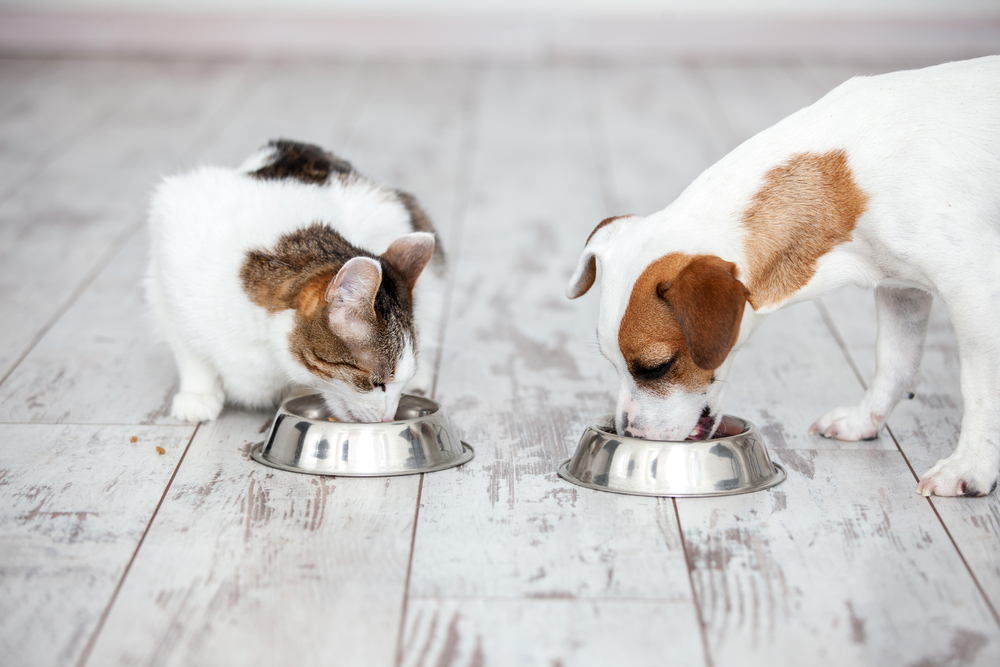
Credit: www.vets-now.com
Frequently Asked Questions
What Should I Do If My Dog Eats Cat Food?
Monitor your dog for any signs of discomfort or illness. Contact your vet if symptoms persist or worsen. Ensure your dog resumes its regular diet and restrict access to cat food. Cat food is not harmful in small quantities but lacks nutrients essential for dogs.
Will Cat Food Hurt My Dog?
Cat food isn’t ideal for dogs. It lacks nutrients dogs need and may cause digestive issues. Occasionally, small amounts may not harm, but regular consumption can lead to obesity and health problems. Always consult your vet for advice tailored to your dog’s specific needs.
What Happens If A Dog Eats A Whole Can Of Cat Food?
A dog eating a whole can of cat food might experience digestive upset or diarrhea. Cat food is richer in protein and fat, which can lead to an upset stomach. It’s not toxic, but frequent consumption isn’t recommended. Consult a vet if symptoms persist or if the dog shows signs of distress.
Can Dogs Safely Eat Cat Food?
Dogs can eat cat food, but it’s not ideal for them. Cat food contains higher protein and fat levels, which can lead to obesity in dogs. Occasionally eating cat food is not harmful, but regular consumption can cause nutritional imbalances and health issues over time.
Conclusion
Dogs eating cat food isn’t ideal. Cat food lacks nutrients dogs need. Occasionally, it’s not harmful. But regular consumption causes health issues. Upset stomachs, obesity, and nutrient imbalances can occur. Always monitor your pet’s diet closely. Ensure they eat food designed for them.
If uncertain, consult your vet for advice. They can provide guidance on proper nutrition. Keep cat food out of reach. Use pet gates or separate feeding areas. This ensures both pets stay healthy. Remember, a balanced diet is key. Your dog’s well-being depends on it.
So, keep their meals dog-specific for a happier, healthier pet.