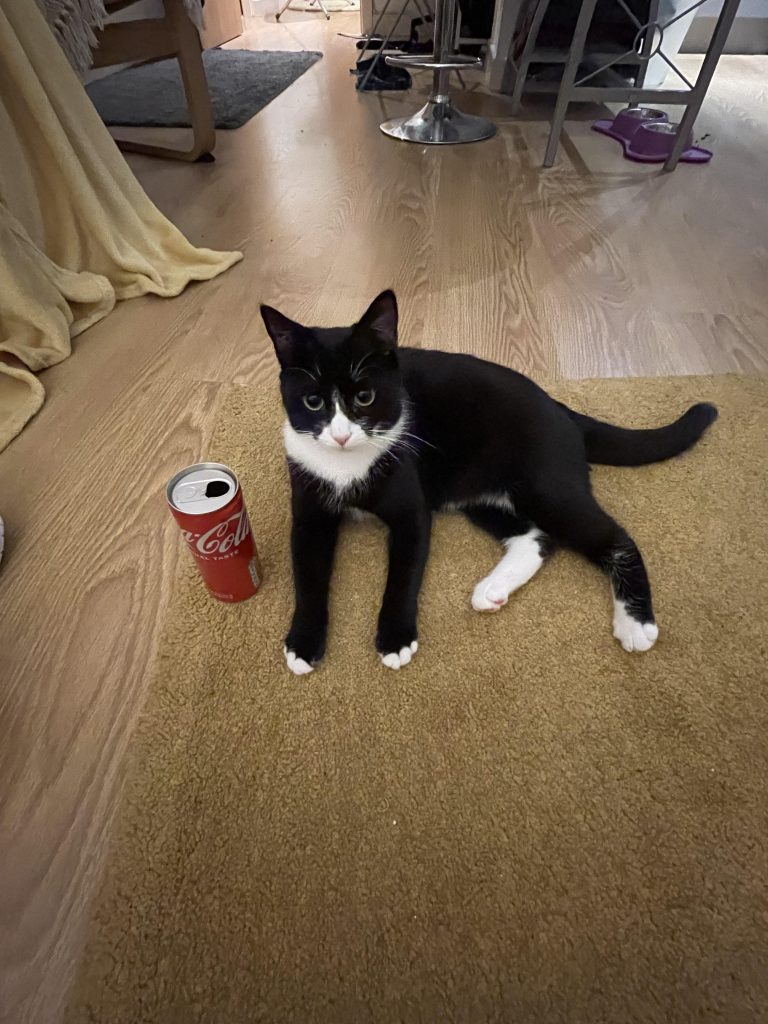
Have you ever wondered how old your beloved one-year-old cat really is in human years? It’s a fascinating question that many cat owners ponder.
Understanding your cat’s age in human terms can help you better care for your feline friend. It allows you to anticipate their needs, behavior, and health requirements more accurately. We unravel the mystery behind your cat’s age, providing insights that will deepen your bond with your furry companion.
Stay with us, and discover why your one-year-old cat might not be as young as you think!

Credit: www.instagram.com
Feline Age Conversion
A 1-year-old cat is like a teenager in human years, around 15 years old. Cats mature quickly in their first year. This rapid growth sets the stage for a lifetime of adventures and companionship.
Understanding the age of your cat in human years can be a curious endeavor. You might wonder how old your furry friend is compared to yourself or your family members. Feline age conversion can help you gauge the maturity and life stage of your cat, offering insights into their behavior and health needs.Understanding Feline Age Conversion
Cats mature much faster than humans. It’s fascinating to consider that a 1-year-old cat is roughly equivalent to a 15-year-old human. This calculation isn’t just about multiplying numbers; it’s about understanding developmental stages.Why Age Conversion Matters
Knowing your cat’s equivalent human age can guide how you care for them. You might notice your 1-year-old cat is full of energy and curiosity, much like a teenager. This is a critical period for socialization and training, ensuring they develop into well-adjusted adults.Factors Influencing Feline Age
Several factors influence how cats age. Breed, health, and lifestyle all play significant roles. For instance, a Maine Coon may mature slower than a Siamese cat. Regular vet check-ups can provide insights into your cat’s specific aging process.Personal Experience With Feline Aging
I remember when my cat turned one. Her playful antics reminded me of a teenager testing boundaries. Recognizing her equivalent age helped me tailor her diet and exercise routine, keeping her healthy and happy. Have you noticed similar behavior in your cat?Practical Tips For Cat Owners
– Monitor Health: Regular vet visits are crucial as your cat ages. – Adjust Diet: Consider age-appropriate food to support their growth. – Engage Playfully: Encourage activities that match their energy levels.Interactive Age Conversion Table
Here’s a simple table to help you convert your cat’s age:| Cat Age (Years) | Human Age Equivalent |
|---|---|
| 1 | 15 |
| 2 | 24 |
| 3 | 28 |
Factors Influencing Cat Aging
Cats age differently than humans. Understanding these differences can help owners provide better care. Several factors influence how cats age over time. Knowing these factors can help predict a cat’s health and lifespan. Let’s explore these factors in detail.
Breed Characteristics
Different breeds age at different rates. Some breeds mature faster than others. For example, Maine Coons grow slower than Siamese cats. Their large size means they take longer to reach full maturity. Smaller breeds may age more quickly. Each breed has unique health risks. These risks can affect their aging process.
Lifestyle And Environment
A cat’s lifestyle impacts its aging process. Indoor cats often live longer than outdoor cats. They face fewer dangers and diseases. Diet plays a critical role too. A balanced diet promotes a healthy body. Regular vet check-ups catch early health issues. Stress levels also affect aging. A calm environment benefits a cat’s longevity.
Physical And Behavioral Changes
A one-year-old cat resembles a teenager in human years, showing youthful energy and curiosity. Physical changes include sleek fur and agile movements. Behavioral shifts might involve increased independence and playful antics, reflecting its growing maturity and confidence.
When your adorable kitten turns one year old, you’ll notice remarkable physical and behavioral changes that reflect their growth. Cats mature quickly, often surprising their owners with how fast they transition from playful kittens to graceful adults. Understanding these changes can deepen your bond and ensure you provide the best care for your feline friend.Growth And Development
By the time your cat reaches one year, they’ve undergone significant growth and development. Imagine a rapid transformation where their once tiny paws have grown into sturdy feet, ready to explore the world. Their sleek fur, which was once soft and fluffy, now gleams with the elegance of adulthood. One-year-old cats generally reach their full size, but their muscles continue to strengthen. You’ll see them leap higher and move with more agility. Their teeth, now fully developed, are perfect for crunching kibble and playfully nibbling on toys.Behavioral Shifts
Behavioral changes are also apparent as your cat matures. Remember those days when your kitten would chase anything that moved? While they still enjoy play, one-year-old cats may exhibit more sophisticated hunting behaviors. They might show increased independence, spending more time exploring alone. But don’t worry; your cat still craves your affection. You might notice them seeking quieter moments, perhaps curling up on your lap, savoring the warmth and comfort. Their sleep patterns evolve too. A kitten’s sleep was often interrupted by bursts of energy. Now, your one-year-old cat may enjoy longer, restful naps, conserving energy for the occasional playtime. Have you noticed your cat becoming more curious about your routines? One-year-old cats often show interest in their owner’s activities, displaying an increased desire to engage with you. This is the perfect time to strengthen your bond through interactive play and regular grooming sessions. So, how do these changes reflect your cat’s maturity? Are you prepared to adapt to their evolving needs? Embrace these shifts and enjoy the journey of watching your feline friend grow.Comparing Cat And Human Ages
Understanding a cat’s age in human years can be intriguing. Many pet owners wonder how old their furry friends truly are. Comparing cat and human ages helps grasp their life stages better. Cats mature rapidly in their first year. This leap surprises many who try to equate feline years to human years.
Age Equivalent Chart
It’s common to compare cat ages with human ages. Here’s a simple chart for clarity:
- 1-year-old cat = 15 human years
- 2-year-old cat = 24 human years
- 3-year-old cat = 28 human years
- 4-year-old cat = 32 human years
- 5-year-old cat = 36 human years
- 6-year-old cat = 40 human years
After the first two years, every cat year equals about four human years. This chart simplifies understanding their aging process.
Misconceptions About Cat Years
Many believe one cat year equals seven human years. This myth oversimplifies feline aging. Cats mature quickly in their early years. By age one, they reach adolescence. This rapid development differs vastly from human growth.
Another misconception is that cats slow down significantly after their early years. While older cats might seem less active, they’re still capable of playful moments. Their energy levels vary based on health and environment, not just age.
Understanding these misconceptions aids in better care. Knowing their true age helps in dietary and health decisions. It ensures they live a comfortable life throughout their years.
Veterinary Insights On Cat Aging
A 1-year-old cat is like a teenager in human years. Cats mature quickly, reaching adulthood at just 12 months. Understanding their aging helps in providing the right care and attention for their needs.
Understanding a cat’s age is crucial for proper care. Cats age differently from humans. A 1-year-old cat might seem young, but in feline years, it’s mature. Veterinarians offer insights into how cats age. This knowledge helps in monitoring health and well-being.Health Indicators
A cat’s health changes as they age. Regular check-ups are vital. Vets look at weight, coat condition, and energy levels. Dental health is another important factor. These indicators show a cat’s overall health. They guide owners on potential needs or adjustments.Age-related Health Concerns
Older cats face specific health issues. Joint problems can develop with age. Heart health might also change. Kidney function is another concern. Vets help identify these conditions early. Early detection aids in managing health effectively. Owners should be aware of these potential concerns. `
Credit: www.reddit.com
Supporting Your Aging Cat
Supporting your aging cat involves understanding their unique needs. As your cat ages, their requirements change. A 1-year-old cat may seem young. But in cat years, they are mature. Caring for them means providing the right nutrition and monitoring their health closely.
Nutrition And Care
Proper nutrition keeps your cat healthy. Choose food with balanced nutrients. Protein is crucial for muscle maintenance. Older cats may need more fiber. Fiber aids in digestion. Ensure they always have fresh water. Hydration is vital for their kidneys. Consider their dental health too. Dry food can help clean their teeth.
Monitoring Health Changes
Regular vet visits are important. They help catch potential issues early. Keep an eye on their weight. Sudden changes can signal health problems. Watch for changes in behavior. Increased sleep might mean pain or discomfort. Note any changes in their coat. A dull coat can indicate health concerns. Early detection can lead to better outcomes.

Credit: icatcare.org
Frequently Asked Questions
How Old Is A 1 Year Old Cat In Human Years?
A 1-year-old cat is approximately 15 human years old. Cats mature faster in their first year. This rapid development means they reach adolescence by their first birthday. Understanding cat age helps in providing appropriate care.
Is A 1 Year Old Cat Still A Kitten?
A 1-year-old cat is often considered a young adult. Most cats transition from kittens to adults around 12 months. Their behavior and energy may still resemble a kitten’s, but they are developing adult characteristics.
What Is The 3-3-3 Rule For Cats?
The 3-3-3 rule for cats explains their adjustment period in a new home. It involves 3 days to feel safe, 3 weeks to settle, and 3 months to fully adjust. This guideline helps pet owners understand the time needed for cats to adapt to new surroundings.
How Old Is A 1 Month Old Cat In Human Years?
A 1-month-old cat is roughly equivalent to a 4-5 year old human child. This comparison helps gauge their developmental stage. Cats age rapidly in their first months, reaching maturity quickly. Understanding their age in human years aids in providing appropriate care and attention.
Conclusion
Understanding a cat’s age can enhance their care and happiness. At one year, a cat is similar to a 15-year-old human. This insight helps in catering to their needs. Energy, curiosity, and playfulness are key traits. Regular vet visits ensure good health.
Balanced diet supports growth and vitality. Observing behavior helps in providing the right environment. Engaging activities keep them active and content. Knowing their developmental stage builds a stronger bond. Cherish the moments and watch them thrive. Your cat’s journey has just begun.
Appreciate the unique personality that unfolds each day.