Is One Can of Cat Food Enough for a Day: Expert Insights
Feeding your feline friend is a daily task that might leave you wondering if you’re getting it right. When you pop open a can of cat food, you might ask yourself, “Is one can of cat food enough for a day?”
This is a common question among cat owners who want the best for their pets. You want to ensure your kitty is happy and healthy, but also avoid overfeeding. Balancing your cat’s diet can feel like a puzzle, but getting it right is crucial for their well-being.
You’ll discover how much food your cat really needs and why it matters. Stick around to find out if one can is truly enough or if your furry friend needs a little more.
Nutritional Requirements Of Cats
Determining if one can of cat food suffices daily depends on the cat’s size and activity level. Cats need balanced nutrition with proteins, fats, and vitamins. Consulting a veterinarian ensures your cat gets adequate food to thrive.
Cats are fascinating creatures with specific nutritional needs. Understanding these needs is crucial to ensure your feline friend remains healthy and happy. While you may wonder if a single can of cat food is sufficient for a day, it’s essential to consider the nutrients your cat requires.Basic Nutrient Needs
Cats are obligate carnivores, meaning they need a diet rich in animal-based proteins. They thrive on nutrients found in meat, such as taurine, which is vital for heart and eye health. Without enough protein, cats can suffer from muscle loss and a weakened immune system. Fats are also a critical part of their diet, providing energy and aiding in the absorption of vitamins. Essential fatty acids like omega-3 and omega-6 are necessary for a shiny coat and healthy skin. Vitamins and minerals, including vitamins A, D, and E, as well as calcium and phosphorus, are required for overall health.Importance Of Balanced Diet
A balanced diet is as important for cats as it is for humans. Feeding your cat only one type of food, like a single can of wet food, might not provide all the nutrients they need. While canned food is rich in moisture, which is excellent for hydration, it might lack some nutrients present in dry food. Mixing dry and wet food can ensure your cat receives a full spectrum of nutrients. You might wonder, “Isn’t one type of food enough?” Consider this: would you eat only one type of meal every day? A varied diet helps prevent nutritional deficiencies and keeps your cat interested in their food. I once tried feeding my cat only canned food, thinking it was sufficient. Over time, I noticed a decline in her energy levels. After consulting with a vet, I learned that adding dry food to her diet made a significant difference. Have you checked the label on your cat’s food? Understanding the ingredients and nutritional content can help you make informed choices. Always ensure your cat’s diet aligns with their age, weight, and health needs.
Credit: www.reddit.com
Serving Size Guidelines
Determining if one can of cat food is enough depends on your cat’s age, weight, and activity level. Check the label for serving size recommendations to ensure your cat gets the right amount of nutrition daily. Consult a veterinarian for personalized advice based on your cat’s specific needs.
Deciding how much cat food to serve your feline friend each day can be tricky. The goal is to ensure they receive enough nutrients without overfeeding. Whether one can of cat food is sufficient depends on several factors. Here, we’ll explore serving size guidelines to help you make the best choice for your pet.Factors Affecting Portion Size
Portion size isn’t a one-size-fits-all deal. It varies based on a variety of factors. One major consideration is the cat food brand and its nutritional content. Different brands have varying calorie and nutrient profiles. Always check the label for recommended serving sizes. You might find that one can of one brand is equivalent to two cans of another.Age And Activity Level Considerations
A kitten’s energy needs differ greatly from those of an older cat. Kittens require more food to support their rapid growth. In contrast, senior cats may need fewer calories to maintain their weight. Your cat’s activity level is also crucial. An indoor cat might not need as much food as an active outdoor explorer. I once had a very active cat named Whiskers. Despite being given one can of food daily, he constantly seemed hungry. After consulting with a vet, I learned his active lifestyle demanded more calories. If your cat is similar, you might need to adjust their diet accordingly. Are you monitoring your cat’s weight regularly? It’s a good way to see if they’re getting the right portion size. A sudden weight gain or loss can be a sign of over or underfeeding. So, is one can enough? It might be, but consider these factors and adjust as needed. Your cat’s health and happiness depend on it.Understanding Cat Food Labels
Decoding cat food labels is crucial to determine if one can suffices for a day. Nutritional content, your cat’s size, and activity levels play key roles in deciding the right amount. Always consult feeding guidelines and consider your pet’s specific needs for optimal health.
Understanding cat food labels can seem tricky at first. Cat food labels hold vital information about what your cat consumes. They help ensure your feline friend gets the right nutrition. Knowing how to read these labels gives you confidence in your choices. You can determine if one can of food meets your cat’s daily needs.Decoding Ingredients
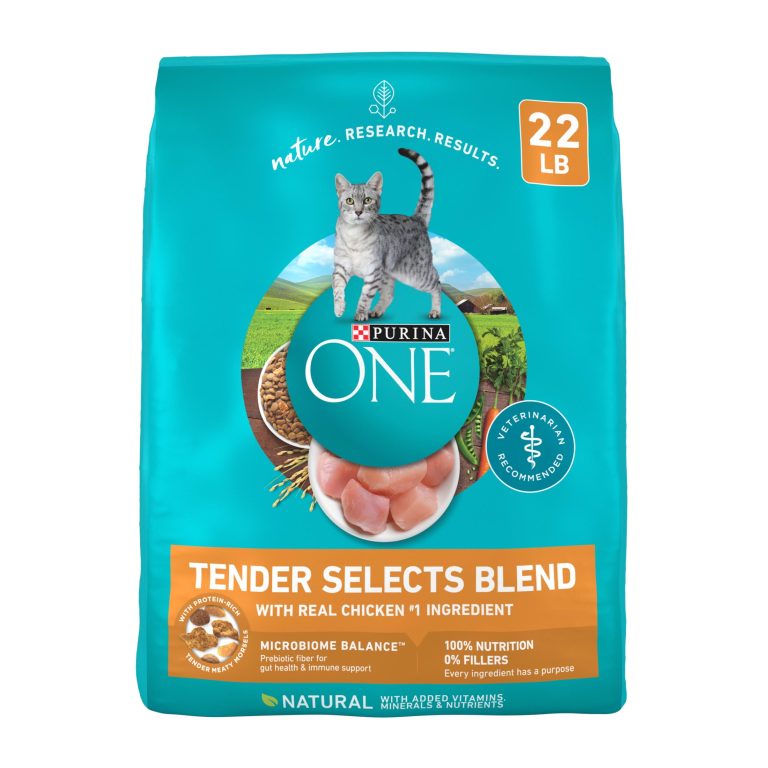
The ingredient list shows what’s inside the cat food. Ingredients appear in order of weight. First-listed items are most abundant. Look for real meat or fish as the first ingredient. Avoid foods with fillers like corn or soy. These don’t provide much nutrition. Preservatives and artificial colors can harm your cat. Opt for natural ingredients when possible.Recognizing Quality Brands
Quality brands focus on balanced nutrition. They use high-quality protein sources. They avoid harmful additives. Trusted brands undergo regular testing. They ensure consistency and safety. Research brands before purchasing. Read reviews from other pet owners. Check for certifications from pet health organizations. Reliable brands prioritize the health of your pet.Pros And Cons Of Single Can Feeding
Deciding if one can of cat food is enough depends on your cat’s needs. Single can feeding is easy and affordable, but might not satisfy a larger or more active cat. Check the can’s nutritional guidelines to ensure your furry friend gets the right balance of nutrients.
Feeding your cat a single can of food each day might seem simple and efficient. However, this approach comes with its pros and cons. Understanding these can help you make a better decision for your feline friend’s health and happiness. Let’s break it down into the benefits and risks.Benefits Of Controlled Feeding
Controlled feeding with one can per day offers consistency. You know exactly how much your cat eats, making it easier to monitor their health and weight. Budgeting becomes straightforward. You can accurately predict your monthly expenses, ensuring you don’t overspend on cat food. A personal story: My cat, Whiskers, thrived on a single can daily. It helped me track his calorie intake, reducing the risk of obesity. Have you considered how a controlled feeding might simplify your pet care routine?Potential Risks Of Underfeeding
Relying on one can might lead to underfeeding. Not all cats have the same nutritional needs. Some require more calories and nutrients than others. Your cat might show signs of hunger, which can lead to behavioral issues like aggression or excessive meowing. Are you prepared to deal with such changes? A friend once switched to single can feeding and found her cat lethargic. Could your cat be missing vital nutrients with limited food intake? By weighing these pros and cons, you can decide if single can feeding is suitable for your cat. Remember, every cat is unique, and what works for one may not work for another.Expert Opinions On Daily Feeding
Experts often discuss cat feeding needs. A single can of cat food might not suffice for daily nutrition. Consult a veterinarian for personalized advice based on your cat’s age, weight, and activity level.
Expert Opinions on Daily Feeding Feeding your feline friend can sometimes feel like solving a puzzle. You’ve probably asked yourself, “Is one can of cat food enough for a day?” It’s a common question among pet owners. To help you make the best decision for your cat’s health, let’s delve into what experts have to say.Veterinarian Recommendations
Veterinarians often emphasize the importance of understanding your cat’s specific needs. Factors such as age, weight, and activity level play a huge role. A young, active cat might need more than a sedentary older one. Most vets suggest a combination of wet and dry food. This ensures balanced nutrition and keeps your cat hydrated. One can of wet food might be sufficient for some cats, but others may require more, depending on their energy expenditure.Nutritionist Insights
Cat nutritionists highlight the importance of the food’s quality. Not all cans are created equal. Some may pack more nutrients and calories, while others might lack essential components. A nutritionist might advise checking the label for protein and fat content. This helps you determine if a single can meets your cat’s daily requirements. They may also recommend supplementing with dry food for extra crunch and dental health. Have you ever noticed your cat’s behavior after eating? If they seem hungry or lethargic, it could be a sign that their diet needs adjustment. Monitoring these signs can provide clues on whether one can is enough. Ultimately, the answer varies. Listen to your cat’s needs and consult with experts to provide the best care. Have you tried different feeding routines? What works best for your feline companion?
Credit: www.reddit.com
Adjusting Diet For Special Needs
Adjusting a cat’s diet for special needs requires careful consideration. Cats have unique dietary requirements. These needs might change due to health conditions or weight issues. Ensuring they receive the right nutrients is vital. It keeps them healthy and happy. Understanding these needs helps in making informed decisions about their diet.
Special Diets For Health Conditions
Cats with health issues might need special diets. Kidney disease is common in older cats. It requires low-phosphorus food. Diabetes in cats needs a high-protein, low-carb diet. Allergies might demand hypoallergenic food. Tailoring their diet helps manage these conditions. Always consult a vet for the best dietary choices.
Adapting For Weight Management
Some cats need weight management diets. Overweight cats face health risks like diabetes. A weight control diet can help. Choose low-calorie food with high protein. It helps maintain muscle mass. Portion control is crucial. Measuring food ensures they get the right amount. Regular exercise also aids weight management.
Monitoring Your Cat’s Health
Monitoring your cat’s health is crucial for ensuring its well-being. Cats often hide health issues. Regular observation can prevent problems. One important aspect to watch is their diet. You might wonder if a single can of cat food suffices. It depends on several factors. Age, size, and activity level matter. Consistent monitoring helps determine the right amount.
Signs Of Malnutrition
Malnutrition can affect your cat’s health. Look for specific signs. Is your cat’s coat dull? That’s a red flag. Check their skin. Is it flaky or dry? Another potential issue. Examine their eyes. Are they clear and bright? If not, consider nutritional changes.
Tracking Weight And Energy Levels
Weight changes can indicate dietary issues. Weigh your cat regularly. Keep a simple log. Note any fluctuations. Is your cat less active? Energy levels can drop with poor nutrition. Observe their playfulness. Are they sleeping more than usual? These signs need attention. Adjust their diet accordingly.
Credit: www.pdsa.org.uk
Frequently Asked Questions
Is 1 Can Of Cat Food A Day Enough?
A single can of cat food daily might not be enough. Cats require balanced nutrition based on age, weight, and activity level. Consult your veterinarian to determine the appropriate portion size for your cat’s specific needs. Always ensure your cat receives sufficient hydration and nutrients for optimal health.
How Much Food Is Enough For A Cat In A Day?
Cats typically need 24 to 35 calories per pound daily, depending on their size and activity. Adjust portions based on weight and energy levels. Consult a vet for personalized advice to ensure your cat’s health and happiness.
How Much Cat Food Is Ideal Daily?
The amount of cat food needed daily depends on the cat’s age, size, and activity level. Generally, one can may suffice for smaller cats, but larger or more active cats might need more. Always consult with your veterinarian for personalized feeding advice.
Can I Feed My Cat Only Canned Food?
Yes, you can feed your cat exclusively canned food. Canned food is often preferred for its moisture content and palatability. However, ensure it meets your cat’s nutritional needs. Consult your vet for a balanced diet plan.
Conclusion
Understanding your cat’s food needs is crucial. One can might suffice for some cats. Others may need more. Monitor your cat’s weight and energy. Adjust food portions if necessary. Consult your vet for personalized advice. Cats need balanced nutrition. Ensure they get enough proteins and vitamins.
This keeps them healthy and active. Every cat is unique. Tailor feeding to your cat’s lifestyle and needs. Choosing the right amount impacts their well-being. Keep track of their eating habits. This ensures they stay happy and healthy. Remember, your cat’s health is in your hands.