Imagine this: your beloved feline, once playful and full of life, suddenly starts showing symptoms of distress. You panic, unsure of what’s going wrong, only to realize that the flea medicine you used to keep them safe might be the culprit.
Flea medicine poisoning in cats is a serious issue that can leave you feeling helpless and anxious. But don’t worry, you’re not alone, and there are steps you can take to help your furry friend recover. We’ll guide you through the critical signs to watch for and the essential actions to take if you suspect flea medicine poisoning.
Your cat’s health and happiness are your top priorities, and knowing how to respond swiftly can make all the difference. Keep reading to learn how you can ensure your pet’s safety and well-being, and restore the peace of mind that comes with knowing your cat is safe and sound.
Credit: spca.bc.ca
Symptoms Of Flea Medicine Poisoning
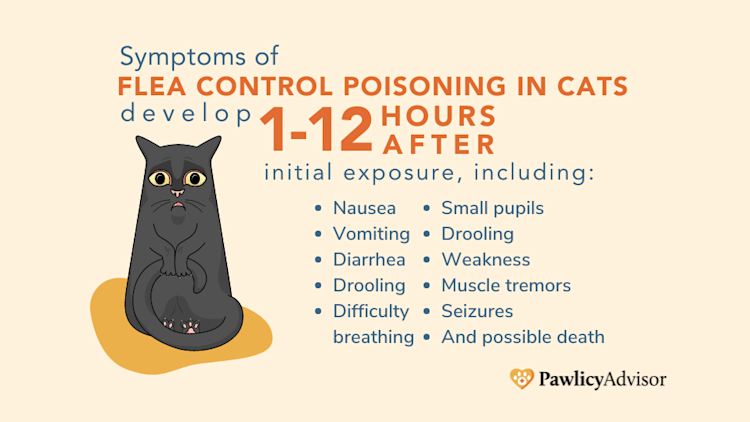
Cats suffering from flea medicine poisoning may experience drooling, vomiting, or seizures. Quick veterinary care is crucial.
When your beloved feline friend shows signs of flea medicine poisoning, it can be an alarming experience. Understanding the symptoms is crucial for quick action. Flea medicine poisoning can manifest in various ways, so being observant can make all the difference. You’ll want to know what to look out for, especially in terms of physical and behavioral changes.Common Signs In Cats
Cats can display a range of symptoms when affected by flea medicine poisoning. Physical signs might include excessive drooling and vomiting. You may also notice your cat has difficulty breathing or appears weak and lethargic. These symptoms can escalate quickly, so immediate attention is essential. If your cat shows any of these signs, it might be time to consult your vet. Have you ever noticed your cat shaking its head or scratching excessively? These could be subtle indicators of an adverse reaction.Behavioral Changes To Watch
Beyond physical symptoms, behavioral changes can signal distress. Your cat might become unusually aggressive or overly timid. It’s important to observe changes in their daily routines. Does your cat seem disinterested in playing or eating? These shifts can be signs of flea medicine poisoning. In some cases, cats might isolate themselves, avoiding interaction altogether. Have you noticed your cat pacing or appearing restless? Such behaviors can be alarming, but they might also be your cat’s way of communicating discomfort. Being attentive to these changes is key to ensuring your cat’s safety and well-being.Recognizing these symptoms in your cat is crucial for timely intervention. Your quick response can help mitigate the effects of flea medicine poisoning. Have you ever faced such a situation with your pet? Knowing what to look for can empower you to act promptly.
Credit: spca.bc.ca
Immediate Actions For Suspected Poisoning
Immediate action is crucial if you suspect flea medicine poisoning in cats. Acting fast can save your pet’s life. Recognizing symptoms early is vital. Symptoms include drooling, vomiting, and tremors. Follow these steps to ensure your cat’s safety.
Emergency Steps
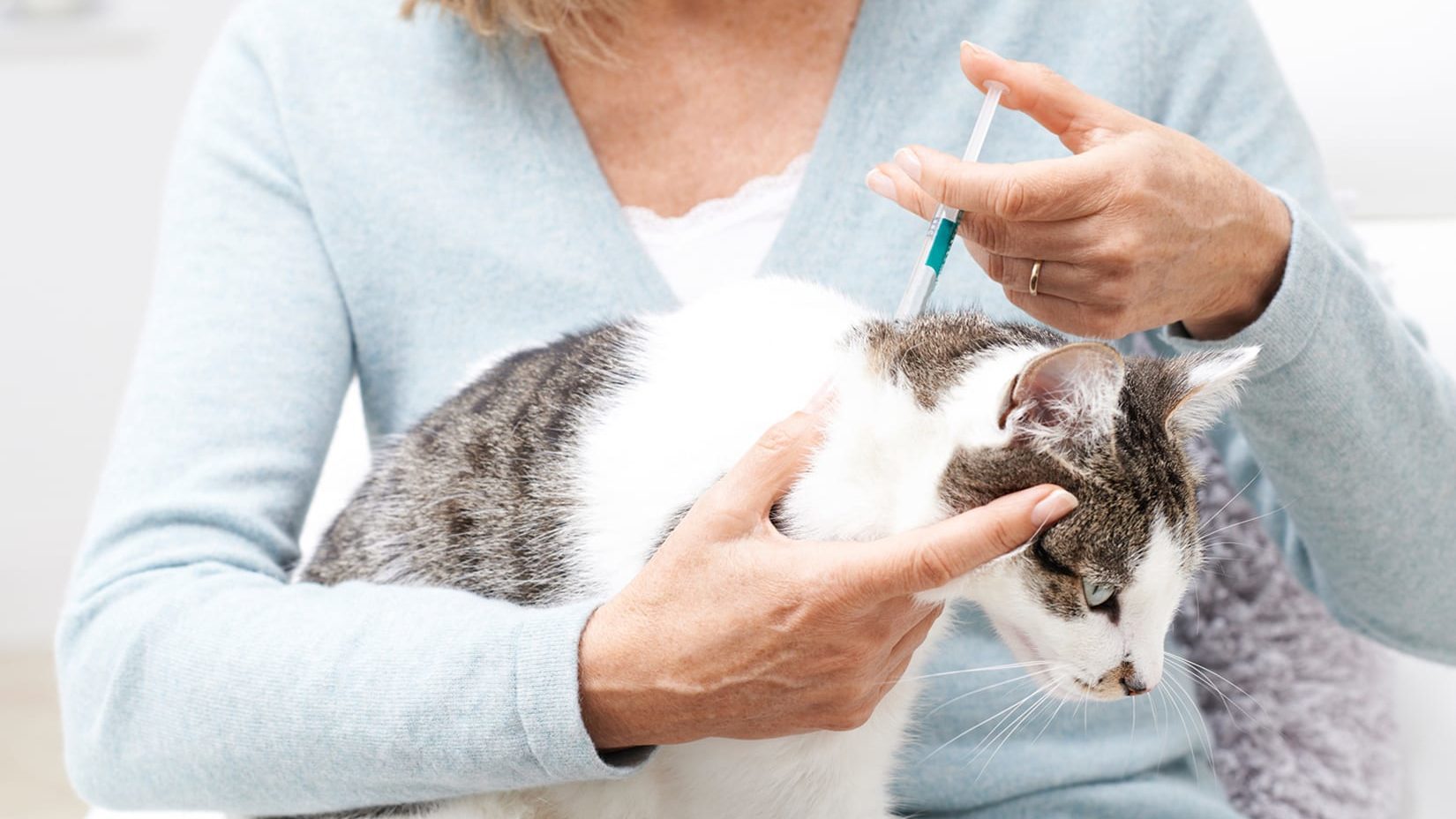
First, remove the flea medicine from your cat’s reach. Wash the affected area with mild soap and water. Use lukewarm water to rinse thoroughly. Avoid scrubbing the skin harshly. This can cause more irritation. Ensure your cat is calm and comfortable. Stress can worsen symptoms. Monitor your cat for any changes.
Contacting A Veterinarian
Immediately call your veterinarian for advice. Describe your cat’s symptoms in detail. Mention the flea medicine used. Provide information on the dosage and application time. Follow your vet’s instructions carefully. They may advise bringing your cat in for treatment. Keep your vet’s contact information handy. It’s essential for emergencies.
Understanding Flea Medicine Ingredients
Flea medicine is essential for keeping your cat healthy and comfortable. Yet, understanding what’s inside these treatments can be a bit of a puzzle. Knowing the ingredients in flea medicine can help you choose safer options for your feline friend. Have you ever wondered why some treatments cause adverse reactions in your pet?
Toxic Components
Many flea medicines contain chemicals that can be toxic to cats. Pyrethrins and pyrethroids are common ingredients that can cause vomiting, tremors, and even seizures in sensitive cats. Organophosphates are another dangerous component found in some flea treatments. These can lead to severe neurological issues. Always read the label and consult your vet before use.
It’s shocking how many products still use these harmful components. Even if a treatment is labeled safe for dogs, it might not be safe for cats. This is a crucial point to remember. Cats are not just small dogs; they have unique sensitivities. Be vigilant and ensure what you choose is specifically formulated for cats.
Safe Alternatives
Thankfully, there are safer options available. Look for products containing less toxic ingredients like nitenpyram or lufenuron. These are known to be gentler on your cat’s system. Brands that emphasize natural ingredients can also be a safer bet.
Some pet owners swear by diatomaceous earth as a natural flea deterrent. It’s worth exploring these alternatives, especially if your cat has had a bad reaction in the past. You might find that a simple switch makes a world of difference in your pet’s health.
Additionally, regular grooming and maintaining a clean environment can significantly reduce the flea population. Could this be the more natural path you’ve been seeking? It’s about finding what works best for your furry friend and ensuring their safety while keeping those pesky fleas at bay.
Safe Treatment Options
Recognizing flea medicine poisoning in cats demands prompt attention. Mild symptoms might include drooling or vomiting. Consulting a vet ensures safe treatment, often involving activated charcoal or IV fluids. Always follow instructions carefully to prevent accidental overdose.
When you notice your feline friend showing signs of flea medicine poisoning, it’s natural to feel a wave of panic. But don’t worry; there are safe treatment options that can help your cat recover. Quick action and informed choices are crucial. It’s not just about healing; it’s about ensuring your pet’s comfort and safety. Let’s dive into some practical steps you can take.Detoxification Methods
Detoxification is often the first step in treating poisoning. One simple method is bathing your cat to remove any remaining flea medicine from their fur. Use mild soap and lukewarm water, rinsing thoroughly. This helps prevent further absorption of toxins through the skin. Hydration is another key factor. Encourage your cat to drink water to help flush out toxins. Offer fresh water frequently and consider using a dropper if your cat isn’t drinking on their own. Have you ever noticed how your cat loves fresh, running water? Try placing a small fountain to entice them to drink more.Medications For Relief
To alleviate symptoms, your vet might prescribe medications. Antihistamines can reduce allergic reactions, while anti-inflammatory drugs can ease pain and swelling. These medications are typically safe when administered correctly, but always follow your vet’s guidance. Activated charcoal is sometimes recommended to bind toxins and prevent further absorption. It’s a simple yet effective remedy. The idea is similar to the way charcoal filters water by trapping impurities. Would you consider this treatment for your cat? Monitoring your cat’s progress is crucial. Keep a close eye on their behavior and report any changes to your vet. Quick updates can make a difference in how your vet adjusts the treatment plan. After all, your cat’s comfort and health are the top priorities. Understanding these safe treatment options can empower you to act swiftly and confidently. Your cat relies on you for protection, and with the right knowledge, you can provide just that.Long-term Care And Monitoring
Flea medicine poisoning in cats can have lasting effects. Long-term care is crucial for a full recovery. Monitoring your cat’s health ensures they heal properly. Consistent check-ups and care help prevent future issues.
Recovery Plans
Develop a recovery plan with your vet. This plan includes regular vet visits. Follow dietary recommendations to support healing. Monitor your cat’s weight and energy levels. Ensure they are drinking enough water. Watch for any changes in behavior or appetite. These might indicate lingering issues.
Preventive Measures
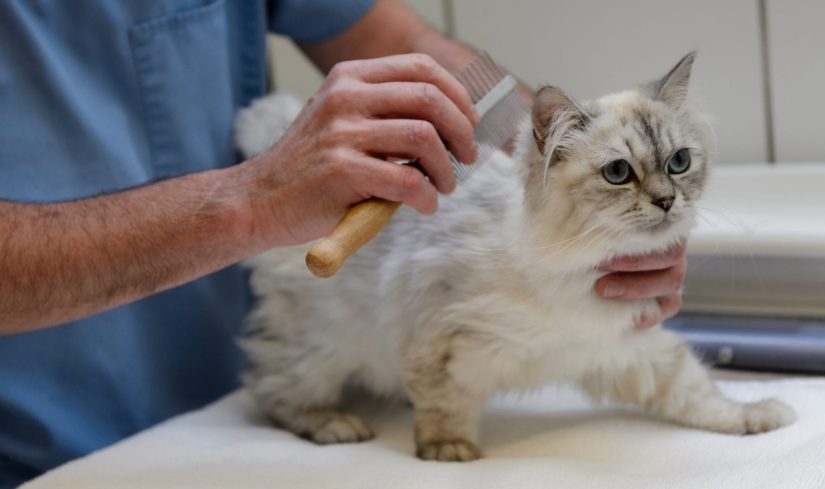
Prevent future flea medicine poisoning by using cat-specific products. Read labels carefully before applying treatments. Store flea medications safely out of reach. Consider natural flea control methods. Keep your home clean to reduce flea infestations. Vacuum carpets and wash bedding often. Regular grooming also helps spot fleas early.

Credit: www.amazon.com
Consulting Veterinary Experts
Consulting veterinary experts helps identify and treat flea medicine poisoning in cats. Experts provide guidance on symptoms and safe treatment options. Their advice ensures proper care for affected cats, minimizing health risks.
When your beloved cat experiences flea medicine poisoning, the situation can be distressing. Consulting veterinary experts becomes crucial. These professionals are your best allies in navigating this challenging situation. They have the knowledge and tools to provide the best care for your feline friend. But how do you go about consulting them? Let’s dive into the details.Choosing A Specialist
When selecting a veterinary expert, look for those who specialize in toxicology or emergency care. A specialist with experience in treating poisoning will understand the nuances of your cat’s condition. You might ask your primary vet for recommendations or search online for specialists in your area. Remember, the right specialist will not only have the necessary qualifications but will also make you feel comfortable and informed. Trust your instincts and choose someone who listens to your concerns and answers your questions.What To Expect During Consultation
During the consultation, the vet will perform a thorough examination of your cat. They may ask about the specific flea medicine used and the symptoms observed. Providing detailed information will help them make an accurate diagnosis. Expect the vet to outline a treatment plan tailored to your cat’s needs. This may include medications to counteract the poison, fluids to prevent dehydration, or even hospitalization for severe cases. It’s important to understand each step of the plan and ask for clarification if needed. Engage actively during the consultation by taking notes and asking questions. This will ensure you’re equipped to support your cat’s recovery at home. How comfortable are you with the treatment plan? Your understanding and involvement are key to a successful outcome.Frequently Asked Questions
How To Treat Flea Medicine Toxicity In Cats?
Seek immediate veterinary care for flea medicine toxicity in cats. The vet may administer IV fluids and medications to manage symptoms. Follow the vet’s advice for home care and monitoring. Avoid using dog flea treatments on cats, as they can be toxic.
Will My Pet Recover From Flea Control Product Toxicity?
Your pet’s recovery from flea control product toxicity depends on the severity and timeliness of treatment. Consult your veterinarian immediately for the best outcomes. With prompt care, many pets recover fully. Monitor your pet closely and follow all veterinary instructions to ensure a safe recovery.
What Happens If A Cat Ingests Flea Medicine?
Cats ingesting flea medicine can cause vomiting, drooling, or seizures. Contact a vet immediately for advice. Keep flea treatments out of reach to prevent accidental ingestion. Always follow package instructions for safe application. Timely intervention can prevent serious health issues in cats.
How Do I Know If My Cat Is Having A Bad Reaction To Flea Medicine?
Watch for signs like vomiting, diarrhea, excessive drooling, or lethargy. Your cat may also scratch or have skin irritation. Contact your vet immediately if these symptoms appear after applying flea medicine.
Conclusion
Caring for a cat with flea medicine poisoning is crucial. Act quickly and stay calm. Contact your vet for guidance. Remove any excess medicine from your cat’s fur. Keep your cat comfortable and hydrated. Monitor for changes in behavior or health.
Prevention is key to avoid future incidents. Use correct doses and check labels carefully. Safe flea treatments are essential for your cat’s health. Take these steps seriously to protect your feline friend. Your cat’s wellbeing depends on your careful attention and action.
Always prioritize safety and consult professionals when needed.