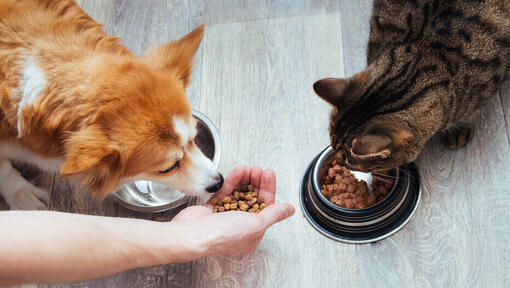
Imagine this: You’re in your kitchen, and you realize you’ve run out of dog food. Your eyes drift to a bag of cat food sitting on the counter.
You wonder, “Can I feed cat food to a dog? ” You’re not alone in your curiosity. Many pet owners find themselves in similar situations, questioning whether one type of pet food can substitute for another. Before you scoop that kibble into your dog’s bowl, there are essential things you need to know.
Understanding the differences between cat and dog food could impact your pet’s health and happiness. So, if you care about the well-being of your furry friend, keep reading. You’ll find out what’s safe, what’s not, and why making the right choice matters more than you might think.
Credit: optimeal.com
Nutritional Differences
Understanding the nutritional differences between cat and dog food is crucial. Both pets have unique dietary needs. Feeding them the wrong food might cause health issues. Let’s explore these differences in detail.
Nutrient Requirements For Cats
Cats need more protein than dogs. Their bodies thrive on high-protein diets. Taurine is essential for cats. It supports heart and eye health. Cat food contains more taurine than dog food.
Nutrient Requirements For Dogs
Dogs have different dietary needs. They require balanced nutrients. Protein, fats, and carbohydrates all matter. Dog food is formulated for these needs. It provides a balanced diet.
Vitamin Content Differences
Cat food has higher vitamin A content. Cats can’t produce vitamin A naturally. Dogs can convert beta-carotene to vitamin A. This difference is important for their health.
Fat Content Variations
Cat food contains more fat. Fat provides energy for cats. Dogs do not need as much fat. Too much fat can cause weight gain in dogs.
Potential Risks Of Feeding Cat Food To Dogs
Feeding cat food to dogs can cause health issues. Obesity is a risk due to high fat. Nutrient imbalance can lead to deficiencies. Always choose the right food for your pet’s needs.
Key Ingredients In Cat Food
When considering your pet’s diet, the question of whether you can feed cat food to a dog often arises. To understand this, it’s crucial to look at the key ingredients in cat food and how they differ from dog food. Cat food is designed to meet the specific dietary needs of felines, but does this mean it’s unsuitable for dogs? Let’s explore the essential components that make cat food unique.
Protein Content
Cats are obligate carnivores, meaning they need a high protein diet. Cat food often contains more protein than dog food. This is because cats require amino acids like taurine, which aren’t as crucial for dogs. If you’re thinking of feeding your dog cat food, consider the protein levels. While dogs enjoy protein, excessive amounts can lead to weight gain or kidney issues.
Fat Levels
Cat food tends to be higher in fat. This is because cats metabolize fat differently than dogs. They need it for energy and maintaining healthy fur. But for dogs, too much fat can be unhealthy. It might lead to obesity or pancreatitis. Have you noticed your dog gaining weight or becoming lethargic after sneaking some cat food? This might be why.
Vitamin And Mineral Needs
Cat food contains higher levels of certain vitamins and minerals like vitamin A and niacin. Cats can’t produce these nutrients as efficiently as dogs. Feeding your dog cat food might lead to an imbalance. Consider if your dog is getting all the necessary nutrients. Would a vitamin deficiency impact your dog’s health?
Fiber Content
Dogs need more fiber than cats. Cat food typically has less fiber, which can affect your dog’s digestion. Have you ever noticed your dog having digestive issues after eating cat food? This could be due to insufficient fiber. You might want to ensure your dog gets the right amount to maintain digestive health.
Understanding these key ingredients can help you make informed decisions about your pet’s diet. It’s tempting to let your dog sneak a bite of cat food, especially if you have both pets at home. But weighing the pros and cons is essential for your pet’s well-being. How do you ensure your furry friends are getting the nutrients they need? These insights might guide your choices.
Potential Health Risks For Dogs
Cat food might not be safe for dogs. Dogs need different nutrients than cats. Feeding cat food can cause digestive issues or nutrient imbalances in dogs. Always choose appropriate dog food to keep your pet healthy.
Feeding cat food to your dog might seem convenient, especially when you run out of dog food. However, this seemingly harmless act can lead to potential health risks for your furry friend. Dogs and cats have distinct dietary needs, and cat food is tailored specifically for felines. It’s crucial to understand the implications on your dog’s health when they consume food not meant for them.Obesity Concerns
Cat food is higher in calories and fat because cats need these nutrients for their high-energy lifestyles. Dogs, on the other hand, require a different balance. Feeding your dog cat food regularly can lead to obesity. Your dog might enjoy the taste, but the excess calories can quickly add up. Overweight dogs face numerous health issues, from joint pain to heart problems. Imagine your dog struggling to run during your daily walks. It’s a reality you want to avoid.Digestive Issues
Dogs may experience digestive problems when consuming cat food. Cat food is richer and can cause stomach upset in dogs, leading to diarrhea or vomiting. Have you ever had to clean up after your dog had an upset stomach? It’s not just unpleasant; it can be stressful for your pet. Dogs have different gut flora compared to cats, and the wrong food can disrupt their digestion. Consider how uncomfortable it would be for your dog to constantly deal with tummy troubles.Allergic Reactions
Some dogs may be allergic to ingredients commonly found in cat food. Cats require higher levels of protein, which often comes from fish or chicken. These proteins can trigger allergies in dogs, resulting in itchy skin or ear infections. If your dog starts scratching more or develops skin irritations, it might be due to the wrong diet. Wouldn’t you prefer your dog to be comfortable and healthy rather than constantly scratching or visiting the vet? Before sharing that bowl of cat food with your dog, consider the potential health risks. Your dog’s well-being is worth the extra effort to provide them with the right food. What steps can you take today to ensure your dog’s diet is safe and appropriate?Short-term Vs Long-term Effects
Feeding cat food to a dog can lead to issues. Short-term, it might cause digestive upset. Long-term, nutritional imbalances may occur, affecting your dog’s health.
Feeding cat food to a dog might seem like a quick fix, especially if you’re out of dog food. But before you make this choice, it’s essential to understand how it affects your dog in both the short-term and long-term. While it might not seem like a big deal at first, the consequences of such dietary choices can add up over time. Let’s explore what happens when you feed your dog cat food for a day versus months.Short-term Effects
In the short term, feeding your dog cat food might not result in any noticeable problems. Your dog might even love the taste, as cat food often contains higher levels of protein and fat. However, the high protein content can sometimes lead to digestive upset. You may notice your dog having a tummy ache or loose stools. Think about the time you tried a new cuisine and ended up feeling bloated. Your dog’s stomach is not much different.Long-term Effects
Over time, feeding your dog cat food can lead to more serious health issues. Dogs and cats have different nutritional needs, and cat food lacks essential nutrients that dogs require. Your dog might miss out on vital nutrients like taurine, leading to potential heart problems. Imagine if you ate only junk food for months. You might end up feeling sluggish and unhealthy. Your dog is no different.Balancing Nutritional Needs
Consider how you balance your own diet. Just as you wouldn’t eat dessert every day, your dog needs a balanced diet too. Switching to a proper dog food ensures they get the nutrients they need to stay healthy. Would you want to risk your dog’s health by sticking to cat food for convenience?Practical Alternatives
If you find yourself without dog food, there are better alternatives than cat food. You could use ingredients you have at home to whip up a temporary dog meal. Think about simple protein sources like chicken or beef, paired with rice or vegetables. This temporary solution can save you from a trip to the vet later.Engage With Your Vet
Consulting with your vet can provide valuable insights tailored to your dog’s needs. They can offer guidance on what to do in a pinch. Have you ever had a question about your health and turned to a professional? Your dog deserves the same care. Your vet can help ensure your dog’s diet supports a long, happy life.Signs Your Dog Ate Cat Food
Dogs eating cat food might show signs like stomach upset, vomiting, or diarrhea. Cat food has higher protein content, which can lead to digestive issues for dogs. Always ensure your dog eats food specifically formulated for them to maintain proper health and nutrition.
When your dog gets into the cat’s food bowl, it might seem like a harmless snack. However, feeding cat food to dogs isn’t ideal. Cat food is high in protein and fat, which can upset your dog’s digestive system. It’s important to be aware of the signs your dog might show after sneaking some of the cat’s dinner. Recognizing these signs can help you address potential health issues early.1. Digestive Upset
If your dog has eaten cat food, you might notice symptoms like vomiting or diarrhea. These signs occur because a dog’s stomach isn’t designed to process the rich ingredients in cat food. Keep an eye on their bathroom habits to catch any problems early.2. Increased Thirst
Cat food is often saltier than dog food. This can make your dog feel thirstier than usual. If your dog suddenly starts drinking more water, it might be due to the extra sodium intake from cat food.3. Changes In Energy Levels
A sudden burst of energy followed by lethargy can be a red flag. The high fat content in cat food can give your dog a temporary energy boost. But it might also lead to a crash, leaving them more tired than usual.4. Weight Fluctuations
Feeding cat food regularly can lead to weight gain due to its high-calorie content. If your dog seems to be gaining weight despite their usual diet and exercise, cat food might be the culprit. Monitoring their weight can help you keep their health in check.5. Allergic Reactions
Dogs can be allergic to certain ingredients in cat food. This might result in skin irritations or excessive itching. If your dog starts scratching more or develops a rash, consider whether they might have had access to cat food. Have you ever caught your dog eating cat food? What signs did you notice? Understanding these symptoms can help you ensure your furry friend stays healthy and happy. Remember, it’s always best to keep cat and dog food separate to avoid these issues.Safe Alternatives For Dogs
Feeding cat food to dogs is not recommended due to different nutritional needs. Dogs require specific nutrients found in dog food. Cat food can be high in fat and protein, which may upset a dog’s stomach. Always consult a vet before making dietary changes for your pet’s safety.
Feeding your dog the right food is crucial for their health and well-being. While you might wonder if it’s okay to give your dog cat food, it’s important to know that dogs have different nutritional needs. Feeding your dog cat food could lead to health issues because it’s not formulated for them. Fortunately, there are safe alternatives you can consider to ensure your dog gets the nutrition they need.Homemade Dog Meals
Preparing homemade meals for your dog can be a rewarding option. It allows you to control the ingredients and ensure a balanced diet. Include lean meats, vegetables, and grains. Always consult your vet before making any drastic changes to your dog’s diet to avoid nutritional imbalances.Commercial Dog Food Brands
Choosing the right commercial dog food is a straightforward solution. Look for brands that use high-quality ingredients and meet the nutritional standards set by pet food authorities. Check the labels for protein, fat, and fiber content to ensure it meets your dog’s needs.Supplemental Diet Options
Consider adding supplements to your dog’s diet. Omega-3 fatty acids, glucosamine, and probiotics can enhance your dog’s overall health. Remember, supplements should not replace a balanced diet but can be a beneficial addition.Raw Food Diet
Some dog owners opt for a raw food diet, believing it mimics what dogs would eat in the wild. This can include raw meat, bones, and organs. If this interests you, research thoroughly and consult your vet to ensure it’s done safely.Veterinarian-recommended Diets
Consulting your vet for a personalized diet plan can be extremely helpful. They can recommend specific foods based on your dog’s health, age, and activity level. This tailored approach ensures your dog receives all the necessary nutrients. Choosing the right food for your dog doesn’t have to be overwhelming. Consider these alternatives and always keep your dog’s health at the forefront of any dietary decision. What changes will you make today to ensure your furry friend’s diet is optimal?Expert Opinions And Advice
Many pet owners wonder if feeding cat food to dogs is safe. Cats and dogs have different nutritional needs. Expert opinions can help clear up the confusion. This section provides insights from veterinarians and pet nutritionists. Understand the implications and make informed decisions for your furry friend.
Veterinarian Insights On Cat Food For Dogs
Veterinarians stress the importance of species-specific diets. Cat food is high in protein and fat. Dogs need balanced nutrients, including carbohydrates. Feeding cat food to dogs can lead to health issues over time. Common problems include obesity and digestive upset. Consult your vet for tailored advice.
Pet Nutritionist Recommendations
Pet nutritionists advise against regular cat food for dogs. Cat food lacks essential nutrients dogs need. Taurine is crucial for cats but not for dogs. Dogs need different vitamins and minerals. A balanced dog diet supports overall health and energy levels. Nutritionists recommend sticking to food designed for dogs.
Potential Health Risks
Feeding dogs cat food may cause health risks. High protein in cat food can burden a dog’s kidneys. It may also lead to liver problems. Long-term consumption affects weight and metabolism. Dogs may experience stomach upset or diarrhea. Owners should observe their pets for any unusual symptoms.
Occasional Feeding: Is It Safe?
Sometimes dogs may eat cat food accidentally. Occasional consumption is usually not harmful. Monitor your dog for any adverse reactions. Avoid making it a habit. Ensure your dog returns to their normal diet. Always have dog food accessible to prevent repeat incidents.
Credit: www.petmd.com
Preventative Measures
Feeding your dog cat food may seem convenient. Yet, it can lead to health issues. Dogs and cats have different dietary needs. Cat food contains higher protein and fat levels. This might not suit your dog’s stomach. Taking preventative measures ensures your dog’s well-being.
Understanding these measures can help maintain your pet’s health. Keep reading to learn more.
Separate Feeding Areas
Creating separate feeding zones for pets is crucial. Dogs may eat cat food if it’s accessible. Place cat food in a location dogs can’t reach. This reduces the risk of them eating the wrong food.
Proper Storage
Store pet food in sealed containers. This keeps food fresh and inaccessible. Dogs can be curious. They may try to get into cat food bags. Using containers prevents this problem.
Monitor Feeding Times
Supervise your pets during meal times. This ensures they eat only their designated food. It helps reinforce feeding habits. Monitoring reduces the chance of dietary mix-ups.
Educate Family Members
Inform everyone in the household about pet diets. Explain the importance of feeding the right food. This ensures everyone follows the same rules. Consistency is key to preventing mistakes.
Consult A Veterinarian
Consult your vet for advice on pet diets. They can provide tailored recommendations. Vets understand the nutritional needs of different pets. Their expertise helps maintain your pet’s health.
Credit: blog.pet.fitness
Frequently Asked Questions
Will Anything Happen If My Dog Eats Cat Food?
Eating cat food occasionally won’t harm most dogs. It lacks essential nutrients dogs need, so don’t make it a habit. Monitor your dog for signs of upset stomach or allergic reactions. If symptoms persist, consult your vet for advice. Ensure your dog eats a balanced diet suited for their needs.
What Cat Food Can Dogs Eat?
Dogs can eat cat food occasionally, but it’s not ideal for regular consumption. Cat food is high in protein and fat, which may upset a dog’s digestive system. Consult a veterinarian before feeding cat food to dogs to ensure safety and health.
Always prioritize dog-specific food for balanced nutrition.
Is It Okay To Feed Cat Food To My Dog?
Feeding cat food to your dog occasionally is generally safe, but not recommended long-term. Cat food lacks essential nutrients dogs need. Ensure your dog receives a balanced diet tailored for dogs to maintain optimal health. Consult a veterinarian for specific dietary advice tailored to your dog’s needs.
What If I Accidentally Gave My Dog Cat Food?
Small amounts of cat food usually don’t harm dogs. Monitor for any signs of discomfort or allergies. If symptoms like vomiting or diarrhea occur, contact your vet immediately. Regular consumption is not recommended as cat food lacks nutrients dogs need.
Always ensure your dog eats a balanced diet tailored for them.
Conclusion
Feeding cat food to dogs isn’t ideal. Each pet has unique needs. Cats and dogs require different nutrients. Cat food can harm dogs over time. It lacks crucial nutrients for dogs. Always consult your vet for advice. Choose food designed for your pet.
Balanced diets keep them healthy. Happy pets are healthier pets. Keep their nutrition in check. Your dog deserves the best. Right food ensures a happy, long life. Simple changes can make a difference. Stay informed for their well-being. Pets rely on us for care.
Make wise choices for them.