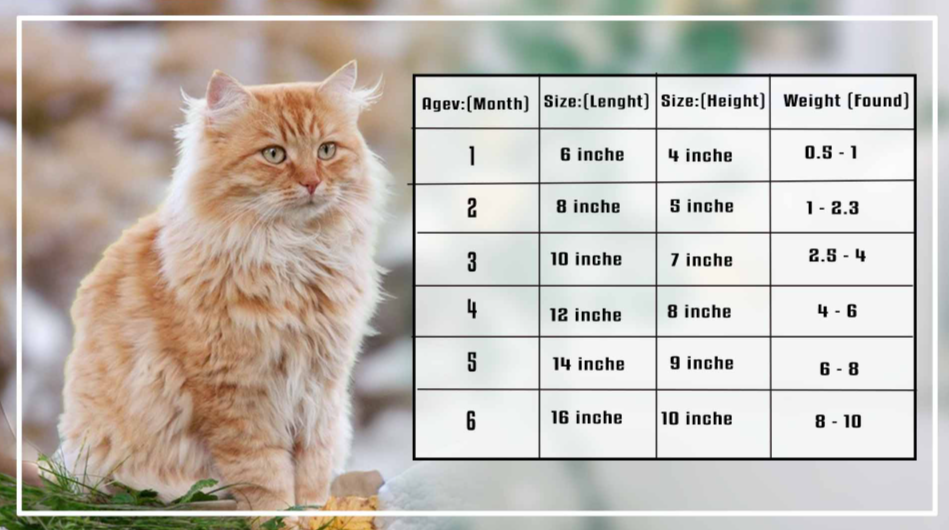
Are you worried about your 1-year-old cat’s weight? You’re not alone.
As a cat owner, it’s natural to want the best for your furry friend, ensuring they’re healthy and happy. But how do you know if your cat’s weight is just right or if there’s a hidden issue you should address?
Understanding your cat’s ideal weight is crucial, not only for their well-being but also for preventing potential health problems. We’ll uncover the secrets to determining how much your 1-year-old cat should weigh. You’ll gain the knowledge to confidently assess your cat’s weight and take actionable steps if needed. Keep reading to ensure your beloved pet is on the right track to a long and healthy life.

Credit: www.reddit.com
Healthy Weight Range
Your one-year-old cat is no longer a kitten, but still in the early stages of adulthood. Ensuring they maintain a healthy weight is crucial for their overall well-being. A balanced weight supports their active lifestyle and prevents health issues. But what exactly is a healthy weight range for a one-year-old cat? Let’s break it down.
Factors Influencing Weight
A cat’s weight can be influenced by several factors including diet, activity level, and genetics. Are you feeding your cat the right portions? Overfeeding can lead to weight gain, while underfeeding may result in a skinny feline.
Consider their activity level too. Cats who love to play and explore might have a leaner physique compared to those who prefer lounging.
Genetics also play a role. Some cats are naturally more robust, while others are slender by nature. Have you ever noticed how some cats are just built differently? It’s not just their diet or exercise habits.
Breed-specific Differences
Different breeds have different weight expectations. A Maine Coon will weigh more than a Siamese, and that’s perfectly normal. The Maine Coon’s size is part of its charm, while the Siamese is known for its sleek appearance.
Understanding your cat’s breed can help set realistic weight goals. If your cat is mixed-breed, consider the characteristics of both breeds. A friend of mine thought her mixed-breed cat was overweight, but she realized its larger size was typical for one of its parent breeds. What breed is your cat, and how does its weight compare?
In essence, the healthy weight range for your one-year-old cat is not a one-size-fits-all scenario. It requires a look at breed-specific norms and individual factors. What’s the best approach for your cat’s health journey?

Credit: www.reddit.com
Signs Of Weight Issues
A healthy 1-year-old cat typically weighs around 8 to 12 pounds. Noticeable weight changes can indicate underlying health problems. Monitor your cat’s eating habits and activity levels to ensure a balanced weight.
Signs of Weight Issues Understanding your cat’s weight is crucial for their health. A 1-year-old cat should be spry and active, but weight issues can sneak up on you. Keeping an eye out for signs of being underweight or overweight can help you maintain your feline friend’s well-being.Indicators Of Underweight
An underweight cat may have visible ribs or a prominent spine. You might notice a lack of muscle tone, making your cat look frail. If your cat seems lethargic or uninterested in play, it might be due to insufficient nutrition. Check your cat’s coat; a dull, dry coat can signal nutritional deficiencies. Does your cat eat less than usual? A decrease in appetite can also be a warning sign of underlying health issues.Indicators Of Overweight
Overweight cats often have difficulty grooming themselves, which can lead to matted fur or skin issues. If you notice your cat’s waistline is not visible or they have a sagging belly, it could be time to assess their diet and activity level. Is your cat reluctant to jump or play? Excess weight can make movement uncomfortable, reducing their natural agility. Regularly feeling for fat deposits, especially around the ribs and abdomen, can help you catch weight gain early. As a cat owner, you hold the key to your pet’s health. Are you ready to make small changes to keep your cat at a healthy weight? Your observations and actions can lead to a happier, healthier life for your feline friend.Monitoring Cat’s Weight
A one-year-old cat typically weighs between 7 to 12 pounds. Regular weight checks help ensure your cat stays healthy. Consult your vet for personalized guidance tailored to your cat’s breed and lifestyle.
Monitoring your cat’s weight is essential to ensure they are growing healthily and staying fit. Weight is a vital indicator of your cat’s overall well-being. It can help you identify potential health issues early on. Just like humans, cats can face weight-related problems, so it’s crucial to keep a close eye on your feline friend’s weight. But how do you do it effectively?Regular Weighing Techniques
One practical way to monitor your cat’s weight is by weighing them regularly. You can use a digital scale for accuracy. If your cat doesn’t like standing still on the scale, try weighing yourself first, then weigh yourself again while holding your cat. Subtract your weight from the total to find out your cat’s weight. Choose a consistent time for weighing, like once a week or every two weeks. This helps you notice any sudden weight changes. Consistency is key to tracking trends rather than one-off fluctuations.Using A Growth Chart
A growth chart can be a helpful tool to track your cat’s weight over time. You can create a simple chart with columns for the date, your cat’s weight, and any notes on their health or behavior. Compare your cat’s weight against breed-specific growth charts available online. These charts provide average weight ranges for cats at various ages, helping you determine if your cat is on track. Have you ever noticed how much easier it is to spot a trend when it’s laid out in a chart? It offers a clear visual representation of your cat’s growth, making it easier to consult with your vet if needed. Keeping a close eye on your cat’s weight not only helps in maintaining their health but also strengthens your bond. It shows you’re attentive and care deeply about their well-being. So, are you ready to keep your feline friend healthy and happy by monitoring their weight more closely?Diet And Nutrition
Ensuring your 1-year-old cat maintains a healthy weight is crucial for their overall well-being. A balanced diet and proper nutrition play a significant role in their growth and energy levels. Understanding what goes into their meals and how much to serve can make all the difference in their health journey. Let’s delve into the essentials of a balanced diet and the importance of portion control for your feline friend.
Balanced Diet Essentials
A balanced diet for your cat should include proteins, fats, and carbohydrates. Proteins are vital for muscle growth and repair, so opt for high-quality sources like chicken, fish, or turkey.
Fats provide energy and aid in nutrient absorption. Look for foods containing omega-3 and omega-6 fatty acids. They support healthy skin and a shiny coat.
Carbohydrates, though not as crucial as proteins and fats, can offer additional energy. Ensure they come from digestible sources like brown rice or sweet potatoes.
Have you ever noticed your cat acting sluggish or excessively hyper? Their diet might be the reason. Adjusting their food can lead to noticeable changes in behavior and energy.
Portion Control Guidelines
Portion control is a key factor in maintaining your cat’s ideal weight. Overfeeding can lead to obesity, while underfeeding might result in malnutrition.
Consider your cat’s activity level when determining portion sizes. Active cats may require more food than those who prefer lounging.
Use measuring cups to ensure consistency in portions. A simple kitchen scale can help keep track of their daily intake.
Have you ever wondered if those extra treats are affecting your cat’s weight? Try limiting treats to special occasions and observe any changes in their weight and energy.
By focusing on diet and nutrition, you can help your cat achieve a healthy weight and live a vibrant life. What changes will you make to your cat’s diet today?
Exercise And Activity
Exercise and activity are essential for maintaining the healthy weight of your one-year-old cat. Cats are naturally curious and energetic creatures, and regular exercise helps them burn calories, reduce stress, and stay fit. Are you wondering how to keep your feline friend active and entertained? Let’s explore the benefits and types of physical activities that can help your cat stay healthy and happy.
Benefits Of Regular Exercise
Regular exercise offers numerous benefits for your cat. It can prevent obesity, which is a common issue among house cats. An active lifestyle helps maintain muscle mass and supports joint health.
Exercise also stimulates your cat’s mind. An engaged cat is less likely to develop behavioral problems. You might notice your cat is more content and relaxed after a good play session.
Ever noticed how a tired cat sleeps better? Exercise can improve your cat’s sleep quality, making them less restless at night.
Types Of Physical Activities
There are plenty of ways to keep your cat active. Interactive toys like feather wands or laser pointers can get your cat moving. These toys mimic the prey-catching experience, satisfying their natural instincts.
Consider setting up a cat tree or shelves for climbing. Cats love to explore and perch, and climbing exercises their muscles. Make your space a playground, and watch your cat become a nimble acrobat.
Have you tried using puzzle feeders? These engage your cat’s mind and encourage movement. It’s a win-win: your cat gets a challenge and a treat.
Why not take your cat for a walk? Yes, cats can be trained to walk on a leash! Start slow and watch your cat’s curiosity take over as they explore the great outdoors.
Remember, you know your cat best. Pay attention to what activities they enjoy and tailor their exercise routine accordingly. Do you have other creative ways to keep your cat active? Share them with your fellow cat lovers in the comments!
Credit: www.prwe.com
Consulting A Veterinarian
Consulting a veterinarian is crucial to determine a healthy weight for your one-year-old cat. Typically, a cat of this age should weigh around 9 to 11 pounds, depending on breed and lifestyle. Regular check-ups ensure your cat’s optimal health and wellbeing.
When you’re concerned about your 1-year-old cat’s weight, consulting a veterinarian is a wise move. They possess the expertise to provide tailored advice for your feline friend. This step ensures that your cat’s health is assessed accurately, setting the stage for effective weight management.Professional Assessment Importance
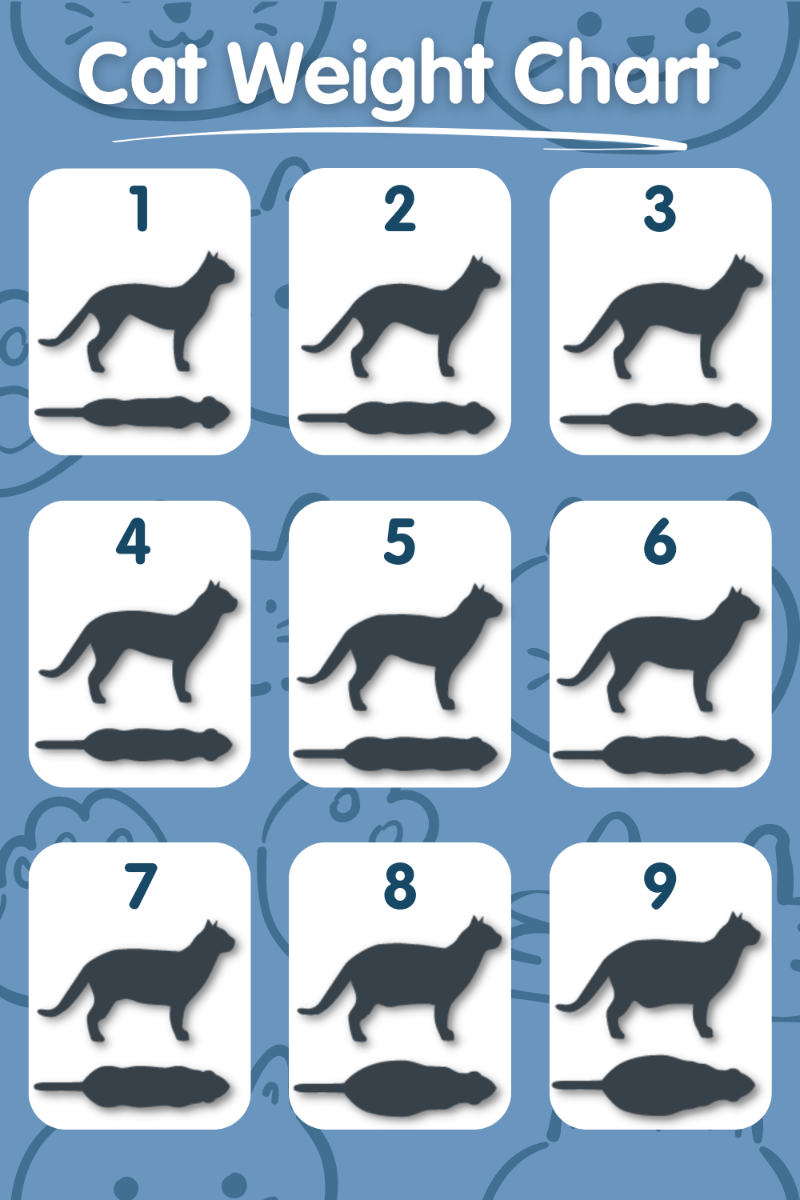
A veterinarian can evaluate your cat’s weight in the context of its overall health. They consider factors like breed, bone structure, and activity level. This professional insight is crucial because what may seem like a healthy weight for one cat might not be ideal for another. Your vet will often perform a physical examination and may use tools like a body condition score chart. This method helps assess the distribution of fat and muscle. Such precise evaluation helps in understanding if your cat is underweight, overweight, or just right. Have you noticed any changes in your cat’s behavior or eating habits? Sharing these observations with your vet can provide additional context. This collaborative approach ensures a comprehensive understanding of your cat’s needs.Creating A Weight Management Plan
Once your cat’s weight is assessed, the next step is creating a weight management plan. Your vet can help you design a balanced diet and exercise routine tailored to your cat’s specific needs. This plan is not just about reducing food intake but ensuring nutritional adequacy. Consider incorporating playtime activities that encourage movement. Simple games like chasing a feather or laser pointer can help your cat burn calories. Engaging your cat in such activities can be fun for both of you and significantly impact its weight. Regular follow-ups with your vet will help track progress. Adjustments to the plan can be made based on how your cat responds. This dynamic process ensures that your cat stays healthy and maintains an ideal weight.Frequently Asked Questions
How Much Do I Feed My 1 Year Old Cat?
Feed your 1-year-old cat about 1/3 to 1/2 cup of dry food daily. Adjust portions based on activity level and weight. Always provide fresh water and consult your vet for personalized advice.
What Is The Average Size Of A 1 Year Old Cat?
A 1-year-old cat typically weighs between 8 to 10 pounds. They measure around 15 to 20 inches in length, excluding the tail. Size can vary based on breed, genetics, and diet. Regular vet check-ups ensure healthy growth and weight maintenance.
Why Is My One Year Old Cat Only 6 Pounds?
Your cat’s weight may depend on breed, diet, or health issues. Consult a vet for proper guidance. Ensure balanced nutrition, regular check-ups, and monitor any unusual behavior. Some cats are naturally smaller, but sudden weight changes might indicate underlying problems.
Always prioritize your cat’s well-being.
Is 7 Lbs A Good Weight For A Cat?
A 7 lbs weight can be normal for some cats, especially smaller breeds. Consult a vet to ensure it’s healthy for your cat’s specific breed and age. Maintaining a healthy weight is vital for your cat’s well-being. Always monitor your cat’s diet and activity levels.
Conclusion
Your cat’s weight matters for their health. A 1-year-old cat should ideally weigh between 8 to 10 pounds. This varies with breed and activity level. Always check with your vet for guidance. Regular vet visits help monitor weight. A balanced diet plays a key role.
Active play keeps them fit and happy. Keep an eye on any sudden weight changes. Adjust food portions as needed. Your cat deserves the best care. Healthy weight means a happy cat. Enjoy your journey with your feline friend!