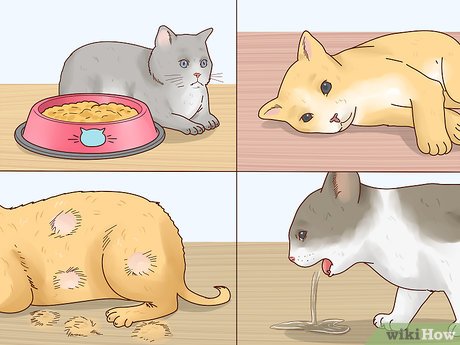
When your feline friend is under the weather, it’s not just a slight inconvenience. It’s a heart-wrenching experience that leaves you feeling worried and helpless.
Cat fever is one of those common yet concerning conditions that can make your usually playful companion lethargic and unwell. As a devoted cat owner, you want nothing more than to restore your pet’s health and happiness. But how do you effectively treat cat fever?
In this guide, you’ll discover simple, actionable steps to help your cat feel better quickly. Unlock the secrets to soothing your kitty’s discomfort and bringing back their purrs and playful antics. Stay with us as we delve into practical ways to tackle cat fever, ensuring your beloved pet receives the care they deserve.
Recognizing Cat Fever Symptoms
Recognizing cat fever symptoms is crucial for your pet’s health. Cats can’t tell you when they feel unwell, so you must learn the signs. Spotting these symptoms early can help you seek timely veterinary care. Understanding the indicators of cat fever empowers you to take action swiftly.
Lethargy And Lack Of Energy
One of the first signs of fever is lethargy. Your cat may sleep more than usual. They might seem less playful. A usually active cat may not want to move. This change in behavior is a red flag.
Loss Of Appetite
Cats with fever often refuse food. They might ignore their favorite meals. This sudden loss of appetite is worrisome. It can lead to weight loss and weakness. Monitor your cat’s eating habits closely.
Increased Heart Rate
A fever can cause a faster heartbeat. You may notice rapid breathing. This is a stress response to illness. Feel your cat’s chest or side gently. If the heartbeat seems fast, consult a vet.
Warm Ears And Paws
A cat’s ears and paws may feel warm. This is another symptom of fever. Touch these areas gently to check their temperature. If they feel unusually warm, it could be a sign of fever.
Shivering Or Trembling
Some cats shiver when they have a fever. This shivering resembles cold chills in humans. It indicates your cat might be fighting an infection. Shivering needs immediate attention.
Dehydration
Fever can cause dehydration. Check your cat’s skin elasticity. Gently pinch the skin between the shoulders. If it doesn’t snap back quickly, your cat may be dehydrated. This can worsen the fever.
Isolation From Family
Sick cats often hide away. They may isolate themselves from family members. This behavior shows they are not feeling well. Pay attention to any changes in social behavior.
Vocalization Changes
Your cat might meow more or less. Changes in vocalization can signal discomfort. Listen for any unusual sounds. It may indicate that your cat is in distress.

Credit: www.tiktok.com
Causes Of Fever In Cats
Fever in cats can stem from infections, inflammation, or stress. Addressing cat fever involves identifying the cause and providing appropriate care. Visit a vet for guidance on medication, hydration, and comfort measures to help your cat recover.
Understanding the causes of fever in cats can be a game-changer for any pet owner. Recognizing what might lead to your feline friend’s elevated temperature can help you address the issue more effectively and promptly. Whether it’s an infection or an inflammatory condition, knowing the root cause can be the first step towards proper treatment and care.Infections And Illnesses
Bacterial, viral, and fungal infections are common culprits behind feline fevers. For example, upper respiratory infections, much like the common cold in humans, can lead to a feverish cat. Has your cat been sneezing or exhibiting a runny nose? These could be signs that an infection is at play.Inflammatory Conditions
Conditions like arthritis or pancreatitis can also cause a rise in your cat’s body temperature. If your cat seems more lethargic or reluctant to move, inflammation might be the reason. Have you noticed any swelling or tenderness in your cat? This could be your clue.Environmental Factors
Heatstroke is a less common but potential cause of fever in cats, especially during hot weather. Did you know that a cat left in a hot car can develop a fever rapidly? Always ensure your pet has access to a cool and shaded area.Recent Vaccinations
Sometimes, vaccinations can trigger a temporary fever as part of the immune response. Has your cat been vaccinated recently? While this is usually short-lived, monitoring your cat for any unusual behavior is essential.Stress And Anxiety
Stress can have a physical effect on cats, sometimes leading to fever. Have you moved recently, or is there a new pet in the house? Changes in their environment can stress your cat and impact their health. Understanding these causes isn’t just about treating the fever; it’s about ensuring your cat’s overall well-being. By identifying the reason behind your cat’s fever, you can take action that targets the problem directly. So, what steps will you take to ensure your cat stays healthy and happy?Home Remedies For Mild Fever
Cats can experience mild fever, often caused by infections or stress. Offering warm water and a cozy resting spot can help. Keep their environment calm and monitor their temperature regularly to ensure comfort.
Dealing with a cat’s mild fever can be worrying, but there are simple home remedies that can help soothe your furry friend. These remedies focus on creating a comfortable environment and ensuring your cat stays hydrated. It’s important to monitor your cat closely and consult a vet if the fever persists.Hydration Techniques
Keeping your cat hydrated is crucial. Fever can lead to dehydration, making it essential for your cat to drink enough water. Try placing multiple bowls of fresh water around the house. This gives your cat easy access to hydration wherever they roam. You might also consider adding a little chicken broth to the water. This can entice even the fussiest cats to take a sip. Remember, a hydrated cat is a healthier cat. How do you ensure your cat is drinking enough?Comfort And Environment
Creating a cozy space for your cat is vital during their recovery. A familiar, quiet environment can help them relax. Use soft bedding or a favorite blanket to provide warmth and comfort. Cats often seek warmth when they’re not feeling well. Consider dimming the lights or playing soft music. This can create a soothing atmosphere and reduce stress for your pet. Have you noticed your cat’s favorite spot for relaxation? It might be the perfect place to set up their comfort zone. Taking these steps can make a significant difference in your cat’s recovery from a mild fever. By paying attention to their needs, you’re helping them heal faster while nurturing your bond with them.
Credit: www.consolata.org
When To Seek Veterinary Care
Recognizing cat fever early ensures prompt care. Look for symptoms like lethargy, appetite loss, or shivering. Seek veterinary attention if symptoms persist, ensuring your cat receives the best treatment.
When your cat shows signs of fever, it can be concerning. Knowing when to seek veterinary care is crucial for your pet’s health. Understanding when professional help is needed can make all the difference in your cat’s recovery. Let’s explore when it’s time to contact your vet and what warning signs to look for.Warning Signs
Your cat might not always show obvious symptoms of illness. Pay attention to subtle changes in behavior. Is your cat sleeping more than usual? Have they lost interest in their favorite toy? These can be indicators of fever. Look for physical signs like warm ears or paws and a dry nose. You might notice a decrease in appetite or drinking water. These are signs that should prompt a closer look. A personal experience taught me this lesson. My cat once stopped eating for a day. Initially, I thought it was just a mood swing. But it turned out to be a fever that needed vet care.Emergency Situations
Sometimes, the situation can become urgent. If your cat is panting heavily or seems disoriented, these are red flags. Persistent vomiting or diarrhea is a sign you should never ignore. Notice if there’s any swelling or unusual discharge from eyes or nose. Such symptoms can escalate quickly, requiring immediate attention. Ask yourself, how would you feel if your cat was in severe distress? You wouldn’t hesitate to get help. Be prepared to act swiftly. Knowing when to seek veterinary care is essential. It empowers you to make informed decisions for your cat’s health. Stay observant and trust your instincts. Your vigilance can save your pet from serious health issues.Diagnostic Tests And Procedures
When your cat is under the weather with a fever, knowing what steps to take can make all the difference. Diagnostic tests and procedures are crucial in pinpointing the exact cause of your cat’s fever, ensuring they receive the right treatment. But what tests are commonly used, and how do you interpret the results? Let’s dive in to find out.
Common Tests
Veterinarians often start with a physical examination, checking for visible signs of illness. They may perform a blood test to analyze your cat’s white blood cell count, which can indicate an infection.
Urinalysis is another common test. It helps detect issues in the urinary tract or systemic diseases. Stool samples might be checked for parasites. X-rays or ultrasounds could be used to look deeper into potential internal issues.
Have you ever wondered why so many tests? Each one provides a piece of the puzzle. A simple blood test can reveal underlying conditions that might not be immediately apparent.
Understanding Results
Once tests are conducted, understanding the results can be overwhelming. A high white blood cell count often signals an infection, but it could also indicate inflammation or stress. Your vet will help decipher this.
If urinalysis shows bacteria, it could mean a urinary tract infection. Parasites found in stool samples suggest a need for specific medication. Imaging results like X-rays can reveal fractures or masses.
Have you noticed how a simple test can lead to peace of mind? When my cat had a fever, the blood test showed she had a manageable viral infection. It was a relief to know exactly what was going on.
Remember, every test has its purpose. They guide the way to accurate diagnosis and effective treatment. Next time your cat is ill, consider what tests might be necessary. What insights could they offer?
Medical Treatments And Medications
Treating cat fever involves ensuring the cat stays hydrated and comfortable. Monitor temperature and provide a quiet resting space. Consult a veterinarian for precise medication and guidance tailored to your cat’s needs.
When your cat is feeling under the weather with a fever, it can be a worrying time. Understanding the medical treatments and medications available can help you feel more prepared. Let’s explore some of the options that veterinarians might recommend to get your furry friend back to their playful self.Prescription Options
Veterinarians often prescribe medications tailored to treat the underlying cause of your cat’s fever. Antibiotics might be necessary if a bacterial infection is detected. These work by eliminating harmful bacteria and reducing the fever. In some cases, antiviral drugs are used if a viral infection is suspected. You should always follow the vet’s instructions to ensure the medications are effective. Have you ever wondered why completing a medication course is crucial? It’s because stopping early can lead to a recurrence or resistance.Pain Management
Fever can sometimes be accompanied by discomfort or pain. Pain management is essential to help your cat feel better during recovery. Non-steroidal anti-inflammatory drugs (NSAIDs) are commonly prescribed to reduce inflammation and relieve pain. However, it’s important to remember that not all human medications are safe for cats. Always consult with your vet before giving your cat any medication. Have you ever been tempted to share your own painkillers with your pet? It’s a risky move that could harm them instead of helping. By understanding these medical treatments and medications, you’re better equipped to support your cat’s health. It’s always best to consult with your vet to find the most effective treatment plan. Your cat relies on you for their well-being, and being informed is the first step in providing the best care.Preventing Future Fever Episodes
Identifying the cause of a cat’s fever helps in preventing future episodes. Regular vet check-ups and maintaining a clean environment play crucial roles. Providing balanced nutrition boosts the immune system, reducing fever risks.
Preventing future fever episodes in your cat requires a proactive approach. By focusing on nutrition, regular vet check-ups, and understanding your cat’s unique needs, you can significantly reduce the risk of recurring fevers. Let’s explore how you can achieve this and ensure your feline friend stays healthy and happy.Nutrition And Diet
The right diet is crucial for your cat’s immune system. A balanced diet rich in vitamins, minerals, and proteins can fortify their defenses against illnesses. Ensure your cat’s meals include quality sources of animal protein, as cats are obligate carnivores. Consult with your vet to choose the best food for your cat’s age and health condition. Sometimes, food allergies can cause immune system issues, leading to frequent illnesses. Have you ever noticed your cat reacting negatively to certain foods? Consider adding Omega-3 fatty acids to their diet, which are known to boost immunity. These can be found in fish oil supplements or specific cat foods. Always read labels and avoid foods with artificial additives or excessive grains.Regular Check-ups
Regular vet visits are essential in keeping fever episodes at bay. They help in early detection of underlying health issues before they escalate. Schedule appointments at least twice a year for a comprehensive health assessment. During these check-ups, discuss any behavioral changes you’ve noticed in your cat. Small changes can sometimes indicate health issues. Have you been vigilant about observing your cat’s habits? Vaccinations are a key component of preventive care. Ensure your cat is up-to-date with all required shots to protect against common feline diseases. Regular blood tests can also detect problems not visible to the naked eye, providing peace of mind. Taking these steps will help you build a strong foundation for your cat’s health. By focusing on nutrition and regular check-ups, you’re not just treating fevers; you’re actively working to prevent them. Are you ready to make these changes for your cat’s wellbeing?Promoting Overall Cat Health
Treating cat fever involves monitoring symptoms and ensuring hydration. Consult a vet for appropriate medication. Keep your cat comfortable and calm during recovery to promote overall health.
Promoting overall cat health is essential in preventing and treating cat fever. Cats, much like humans, thrive on a balanced lifestyle. Ensuring your feline friend remains active and stress-free can significantly boost their immune system and overall well-being. Let’s delve into some practical ways to keep your cat healthy and happy.Exercise And Activity
Regular exercise is crucial for your cat’s health. It helps maintain a healthy weight, improves mood, and strengthens the immune system. You might wonder how to engage your cat in physical activity. Interactive toys, like laser pointers or feather wands, can turn playtime into an exercise session. Cats also enjoy exploring, so consider creating a stimulating environment with climbing trees or tunnels. Even a simple cardboard box can become an adventurous playground. Remember, a playful cat is a healthy cat.Stress Reduction
Stress can weaken your cat’s immune system, making them more susceptible to illnesses like fever. Just as you feel better in a calm environment, so does your cat. Create a peaceful space at home where your cat can retreat. This could be a cozy bed in a quiet corner or a sunny windowsill. Routine is also important. Try to maintain consistent feeding and playtimes. When I adopted my cat, Luna, I noticed she was particularly sensitive to loud noises. By providing a quiet space and keeping a routine, her stress levels decreased significantly. Have you noticed any stressors affecting your cat? Addressing them can make a world of difference.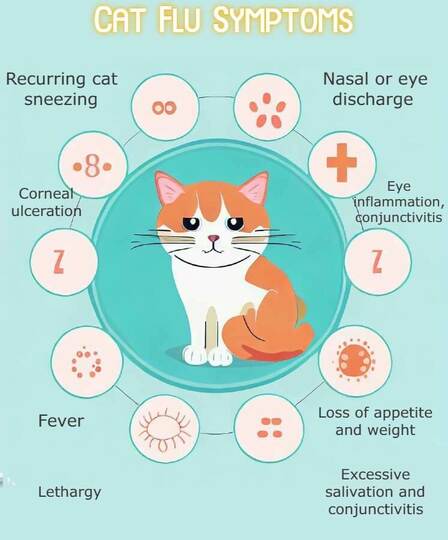
Credit: www.naturalpet.co.nz
Frequently Asked Questions
How Can I Treat My Cat’s Fever At Home?
Keep your cat hydrated and cool. Offer fresh water frequently. Use damp cloths to gently lower body temperature. Monitor symptoms closely. Consult a vet if fever persists or worsens.
How Can You Tell If A Cat Has A Fever?
Check for symptoms like lethargy, warm ears, decreased appetite, and shivering. Use a pet thermometer for accuracy.
Can Cats Recover From Fever On Their Own?
Cats can sometimes recover from mild fevers on their own. Always monitor their condition closely. Consult a veterinarian if the fever persists or worsens. Providing fresh water and a quiet space can help support recovery. Immediate veterinary care is essential for high or prolonged fevers.
How Do You Treat A Sick Cat Without Going To The Vet?
Ensure your cat has a quiet, comfortable space. Offer plenty of fresh water and bland food. Monitor symptoms carefully. Consider natural remedies like probiotics or pumpkin for digestion. Consult online resources or hotlines for guidance. Seek veterinary help if symptoms persist or worsen.
Conclusion
Caring for a cat with fever is crucial. Start with a vet visit. The vet can diagnose the cause. Follow their advice closely. Ensure your cat stays hydrated. Offer easy-to-eat food. Keep them in a cozy spot. Monitor their temperature daily.
Watch for changes in behavior. Rest is vital for recovery. Medications might be needed. Always follow the vet’s prescription. Remember, your love and care help them heal. With patience, your cat will bounce back. Your furry friend depends on you.
Stay attentive. Keep them comfortable and loved.