Your feline friend isn’t just a pet; they’re part of your family. So, when they’re not feeling their best, you naturally want to help them feel better as soon as possible.
Bladder infections in cats are more common than you might think, and they can cause your cat a lot of discomfort. If you’ve noticed your cat making frequent trips to the litter box, crying out while urinating, or having accidents around the house, your furry companion might be dealing with a bladder infection.
Understanding how to treat a bladder infection in cats is crucial for their health and your peace of mind. Not only can the right treatment alleviate your cat’s discomfort, but it can also prevent more serious health issues down the line. This article will guide you through the signs to watch for, treatment options available, and how to provide the best care for your beloved pet. Stay with us to ensure your cat gets back to their playful, happy self in no time.
Credit: www.wcrah.com
Symptoms Of Bladder Infection In Cats
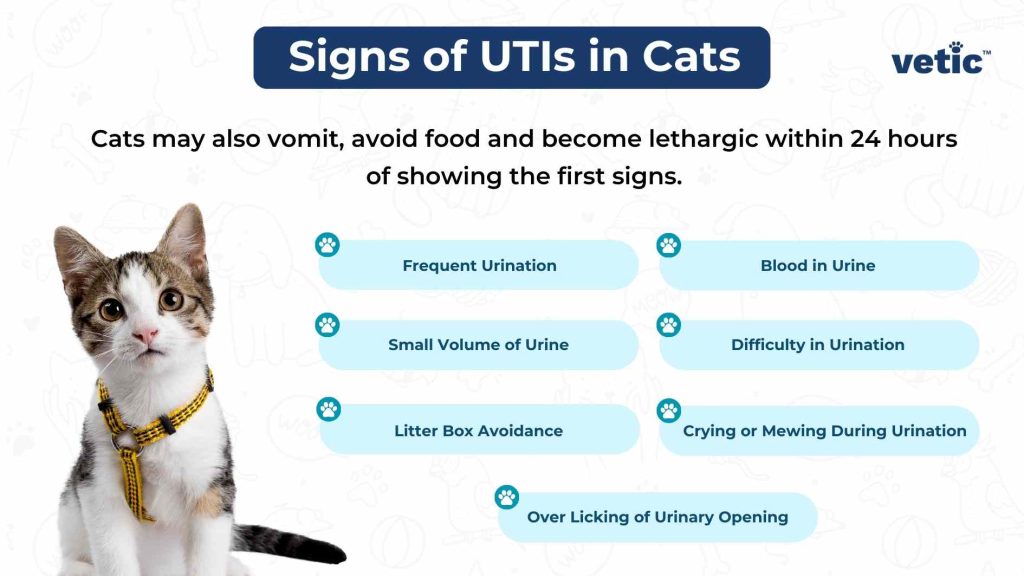
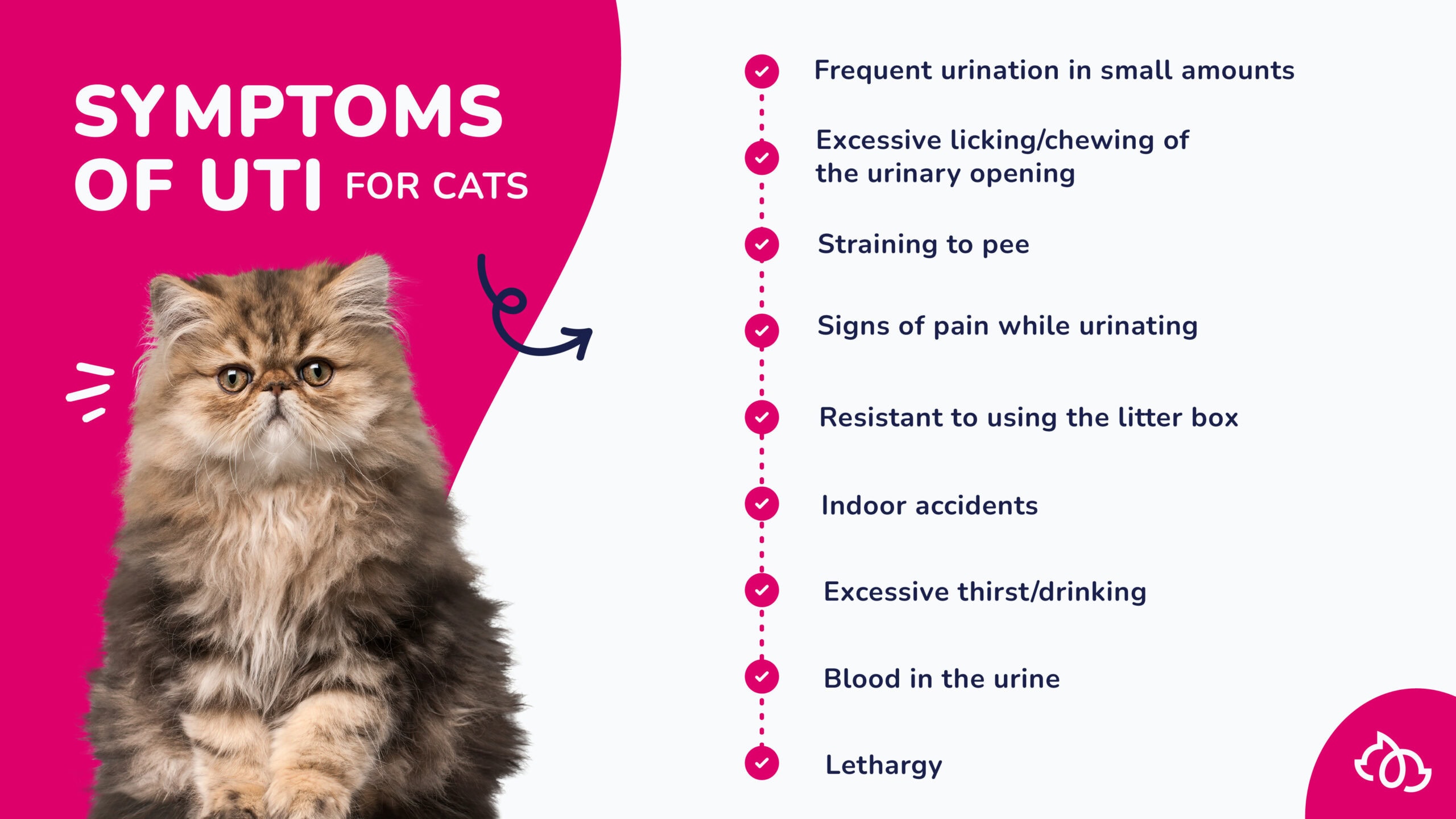
Recognizing the symptoms of a bladder infection in cats is crucial for timely treatment. Cats often hide their pain, making it hard to spot issues. Knowing these signs can help you act fast and ensure your cat gets the care they need.
Frequent Urination
Cats with bladder infections may urinate often. They might visit the litter box repeatedly. Small amounts of urine each time could indicate an infection. This behavior signals discomfort or pain.
Blood In Urine
Blood in your cat’s urine is a red flag. Look for pink or red stains in the litter box. This could mean a serious infection. Blood in the urine requires immediate veterinary attention.
Painful Urination
Your cat may cry when urinating. They might strain or look uncomfortable. Pain during urination is a common sign of bladder issues. Watch for signs of distress during bathroom visits.
Lethargy And Appetite Loss
Bladder infections can make cats tired. They may sleep more or seem less active. Appetite loss is another symptom. If your cat stops eating, it could indicate an infection. Keep an eye on their energy levels and eating habits.
Causes Of Bladder Infection
Bladder infections in cats often result from bacteria entering the urinary tract. Stress or underlying health issues can increase the risk. Identifying symptoms early is crucial for effective treatment and recovery.
Understanding the causes of bladder infection in cats is crucial for effective treatment. You might wonder why your feline friend is suddenly having difficulty urinating or seems to be in discomfort. The reasons can be varied, and knowing these can help you take swift action to ensure your cat’s health.Bacterial Infections
Bacterial infections are a common cause of bladder infections in cats. When harmful bacteria enter the urinary tract, they can multiply and lead to an infection. This often happens when a cat’s immune system is weakened or the bladder environment becomes conducive for bacterial growth. Regularly cleaning your cat’s litter box can help reduce the risk. It’s also important to ensure your cat has access to fresh water at all times. Have you noticed your cat drinking less water than usual? This could be a contributing factor.Urinary Tract Obstructions
Urinary tract obstructions can lead to bladder infections. These obstructions might be due to crystals or stones forming in the urinary tract. Male cats are particularly at risk due to their narrower urethra. A few years ago, my cat Simba suddenly stopped using his litter box. After a visit to the vet, we discovered he had a urinary blockage. Early detection through regular vet check-ups can prevent such painful experiences for your pet.Diet And Nutrition Factors
Diet plays a significant role in maintaining your cat’s urinary health. Cats need a diet that supports their urinary system and prevents the formation of crystals. Foods high in magnesium or other minerals can contribute to stone formation. Switching to a high-quality cat food designed for urinary health can make a difference. Are you feeding your cat a balanced diet that meets all their nutritional needs? Consulting your vet about your cat’s diet can provide helpful insights. Understanding these causes empowers you to make informed decisions about your cat’s health. Keep a close eye on their habits and consult with your veterinarian if you notice anything unusual. Your proactive approach can ensure your cat stays happy and healthy.Diagnosis Techniques
Veterinarians use urine tests and ultrasounds to identify bladder infections in cats. These techniques help find bacteria and inflammation signs. Quick diagnosis ensures effective treatment, easing discomfort and preventing complications.
When your furry friend starts showing signs of discomfort, it can be worrying. Understanding the right diagnosis techniques for a bladder infection in cats can make a world of difference. Knowing what to expect during a vet visit can help you feel more prepared and involved in your cat’s care.Physical Examination
The first step often involves a physical examination. Your vet will gently palpate your cat’s abdomen to check for any pain or abnormalities in the bladder area. They might also observe your cat’s posture and behavior. A vet once mentioned how a cat’s posture during urination can reveal a lot. If your cat seems to strain or hunch more than usual, it’s a red flag worth noting.Urine Analysis
Next, a urine analysis is usually conducted. This test checks for blood, bacteria, crystals, or other anomalies in your cat’s urine. Collecting a urine sample can be tricky, but your vet has methods to make it stress-free for your cat. Ever tried using special non-absorbent litter? It’s a clever way to collect urine without causing your cat distress.Imaging Tests
If more information is needed, imaging tests like X-rays or ultrasounds might be recommended. These tools help visualize your cat’s bladder and urinary tract, revealing stones or structural issues. Imagine seeing a clear picture of your cat’s insides—it’s fascinating and crucial for pinpointing the problem. This step can sometimes catch issues that might go unnoticed with other tests. Have you ever been surprised by how much technology can uncover about your pet’s health? Understanding these diagnosis techniques not only aids in treatment but also strengthens your bond with your cat. It’s about being proactive and informed, ensuring your feline companion gets the best care possible.Medication Options
When your feline friend is dealing with a bladder infection, it’s crucial to explore medication options that can help alleviate their discomfort. Knowing what medications are available and how they work can make a big difference in your cat’s recovery process. Let’s dive into the different types of medications that may be prescribed to treat bladder infections in cats.
Antibiotics
Antibiotics are often the first line of defense against bacterial bladder infections in cats. They target the bacteria causing the infection, helping to clear it up efficiently. Your vet might prescribe a specific antibiotic based on your cat’s medical history and the type of bacteria involved.
It’s important to follow the vet’s instructions closely. Missing doses or stopping treatment too early can lead to antibiotic resistance, making future infections harder to treat. Have you ever noticed how quickly your cat perks up after just a few days on antibiotics? That’s the magic of modern medicine.
Pain Relievers
Bladder infections can cause significant discomfort. Pain relievers can help manage your cat’s pain, ensuring they feel more comfortable as they recover. If you’ve seen your cat pacing or straining in the litter box, you know how distressing it can be for both of you.
Always consult with your vet before giving any pain medication to your cat. The wrong dosage or type can be harmful. Have you considered how a slight relief from pain can improve your cat’s mood and appetite?
Anti-inflammatory Drugs
Inflammation is often a culprit in bladder infections, contributing to pain and discomfort. Anti-inflammatory drugs can reduce swelling and irritation in the bladder, speeding up recovery. Does your cat seem more relaxed after taking these medications?
Monitoring your cat’s response is key. These drugs can have side effects, so keep an eye on any changes in behavior or appetite. Have you noticed how reducing inflammation can make your cat’s bathroom visits less frequent and less stressful?
Choosing the right medication is vital for your cat’s health. What steps will you take to ensure your cat receives the best possible care during their recovery?
Home Care Practices
Bladder infections in cats can be challenging for pet owners. Home care practices can ease symptoms and speed recovery. These practices focus on hydration, dietary changes, and stress reduction. Each plays a vital role in managing bladder infections effectively.
Hydration
Water intake is crucial. Fresh water should be available at all times. Encourage your cat to drink more. Adding water to wet food can help. Consider using a cat water fountain. Cats often drink more from moving water sources.
Dietary Changes
Diet impacts bladder health. A balanced diet supports urinary tract function. Choose cat food designed for urinary health. Wet food helps maintain hydration levels. Avoid foods high in magnesium. They can contribute to stone formation.
Stress Reduction
Stress can worsen bladder infections. Create a calm environment for your cat. Provide a quiet space to rest. Engage in gentle play activities. Use pheromone diffusers to promote relaxation. Minimize changes in your cat’s routine.
Preventive Measures
Cats suffering from bladder infections need timely care. Ensure they have fresh water daily to prevent dehydration. Regular vet check-ups help catch early signs, reducing complications.
Preventive Measures for Bladder Infections in Cats Caring for your feline friend’s urinary health is crucial, and prevention is often more effective than treatment. By focusing on preventive measures, you can significantly reduce the risk of your cat developing a bladder infection. Let’s dive into some practical ways you can keep your cat’s urinary system healthy.Regular Vet Check-ups
Regular vet check-ups are essential in catching any early signs of bladder infections. A routine visit can help identify issues before they become serious, saving your cat from discomfort. Have you ever noticed how your cat seems to sense when it’s time to visit the vet? Despite their reluctance, these check-ups are a crucial part of maintaining their health.Proper Nutrition
What your cat eats plays a significant role in preventing bladder infections. A balanced diet ensures that your cat gets the necessary nutrients to keep their urinary system functioning smoothly. Consider choosing food specifically designed for urinary health, which can lower the risk of infections.Maintaining Healthy Weight
Keeping your cat at a healthy weight is more important than you might think. Overweight cats are more prone to a variety of health issues, including bladder infections. Regular playtime and portion control can help maintain your cat’s weight, leading to a happier and healthier life. Taking these preventive measures not only helps avoid bladder infections but also contributes to your cat’s overall well-being. Have you considered how these steps could make a significant difference in your cat’s health? By being proactive, you’re investing in a long and happy life for your feline companion.When To Consult A Veterinarian
Understanding when to consult a veterinarian for your cat’s bladder infection can be crucial for your pet’s health. While some symptoms may seem manageable at home, others require immediate professional attention. Knowing the difference can save your cat from unnecessary pain and complications.
Persistent Symptoms
Has your cat been showing signs of a bladder infection for more than a couple of days? If so, it’s time to seek professional help. Cats are good at hiding discomfort, so if symptoms like frequent urination or blood in the urine persist, a vet visit is necessary.
Ignoring these signs can lead to more severe health issues. Early intervention can prevent complications like kidney infections. So, don’t wait too long to make that appointment.
Severe Pain
Severe pain in your cat should never be ignored. If your cat is yowling, avoiding the litter box, or showing aggression, they’re likely in distress. These are red flags that demand veterinary intervention.
I remember when my own cat started yowling loudly, prompting an urgent vet visit. It turned out to be a severe bladder infection that needed immediate treatment. Trust your instincts; if something seems off, consult a vet.
Recurring Infections
Does your cat frequently suffer from bladder infections? Recurring issues might indicate an underlying problem. A vet can help determine if there’s a chronic condition that needs ongoing management.
Recurring infections might also be linked to diet or lifestyle. A veterinarian can provide valuable insights into changes that could prevent future episodes. So, if you find yourself frequently visiting the vet for the same issue, it’s time to dig deeper.
Addressing these concerns promptly can make all the difference in your cat’s quality of life. What steps will you take today to ensure your feline friend stays healthy and happy?
Credit: thevets.com

Credit: www.consolata.org
Frequently Asked Questions
How Can I Treat My Cat’s Uti At Home?
Ensure your cat drinks plenty of water to flush out bacteria. Feed them wet food to increase moisture intake. Provide cranberry supplements, but consult your vet first. Monitor symptoms closely and seek veterinary care if the condition worsens. Always prioritize professional advice for your cat’s health.
Will A Cat’s Bladder Infection Go Away On Its Own?
A cat’s bladder infection typically requires veterinary treatment. Early diagnosis and medication can prevent complications. Ignoring symptoms might worsen the condition. Consult a vet for proper care and recovery. Prompt attention ensures your cat’s health and comfort.
How Do I Know If My Cat Has A Bladder Infection?
Watch for symptoms like frequent urination, blood in urine, straining, or excessive licking. Consult a vet for diagnosis.
Can A Dirty Litter Box Give A Cat A Uti?
A dirty litter box can increase stress and risk of urinary tract infections in cats. Bacteria thrive in unclean environments, potentially causing UTIs. Regular cleaning helps prevent infections, keeping your cat healthy. Ensure the litter box is clean to avoid health issues.
Conclusion
Caring for your cat’s bladder health is important. Simple steps can help. Keep your cat hydrated. Provide clean water daily. Choose a proper diet. Consult your vet for guidance. Regular check-ups matter. Early detection prevents complications. Watch for signs of discomfort.
Prompt treatment is crucial. A healthy lifestyle supports recovery. Your love and attention make a difference. Protect your cat from stress. Happy cats heal faster. Consistent care ensures well-being. Remember, your efforts lead to a healthier pet. Stay informed and proactive.
Your cat deserves the best care. Always prioritize their health and happiness.