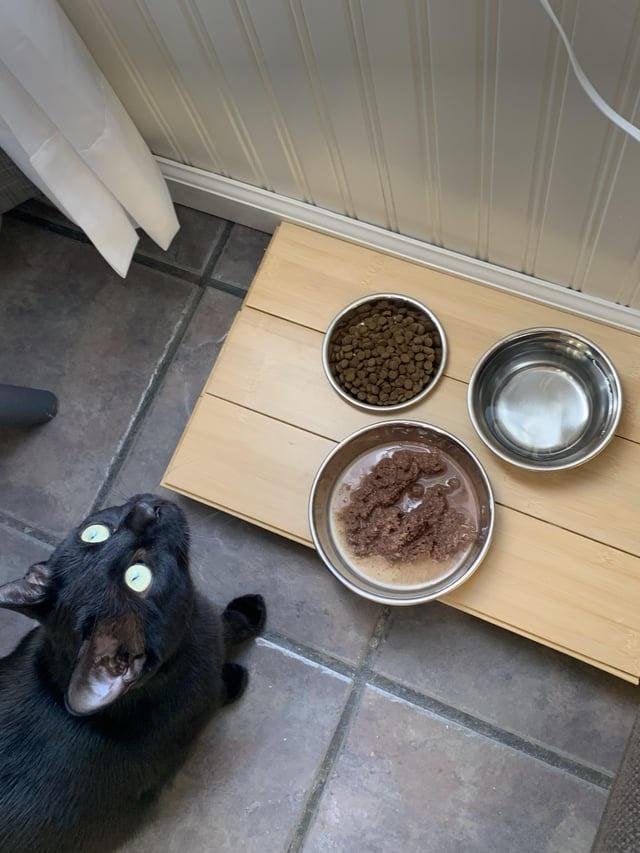
Have you ever found yourself staring at your cat’s food bowl, wondering if you’re feeding your one-year-old feline just the right amount? You’re not alone.
Getting the portion size right for your cat is crucial for their health and happiness. If you feed them too little, they might miss out on essential nutrients. Too much, and you’re risking obesity, which can lead to a host of health problems.
It’s not just about filling the bowl; it’s about understanding your cat’s unique needs. As you read on, you’ll discover key insights into your cat’s nutritional requirements, ensuring they stay fit, active, and content. Let’s dive in and uncover the secrets of a perfectly balanced diet for your one-year-old cat.
Credit: www.consolata.org
Understanding Cat Dietary Needs
Understanding a cat’s dietary needs is crucial for their health. A one-year-old cat is transitioning from kittenhood to adulthood. This stage requires specific attention to their growth, development, and nutritional needs. Proper feeding helps maintain their health and energy levels.
Growth And Development
At one year, cats reach adulthood, but they still grow. Their bones and muscles continue developing. This growth requires balanced nutrition. A diet rich in protein supports muscle development. Calcium and phosphorus strengthen bones. These nutrients ensure optimal growth.
Nutritional Requirements
A one-year-old cat needs high-quality protein. Protein fuels their active lifestyle. It supports lean muscle mass. Cats also need essential fatty acids. These promote healthy skin and a shiny coat. Vitamins and minerals are vital too. They support various bodily functions.
Hydration is equally important. Cats often drink less water. Wet food can help maintain hydration. It provides moisture and essential nutrients. Consider the cat’s weight and activity level. Adjust food portions accordingly. Regular vet visits ensure dietary needs are met.
Factors Influencing Food Intake
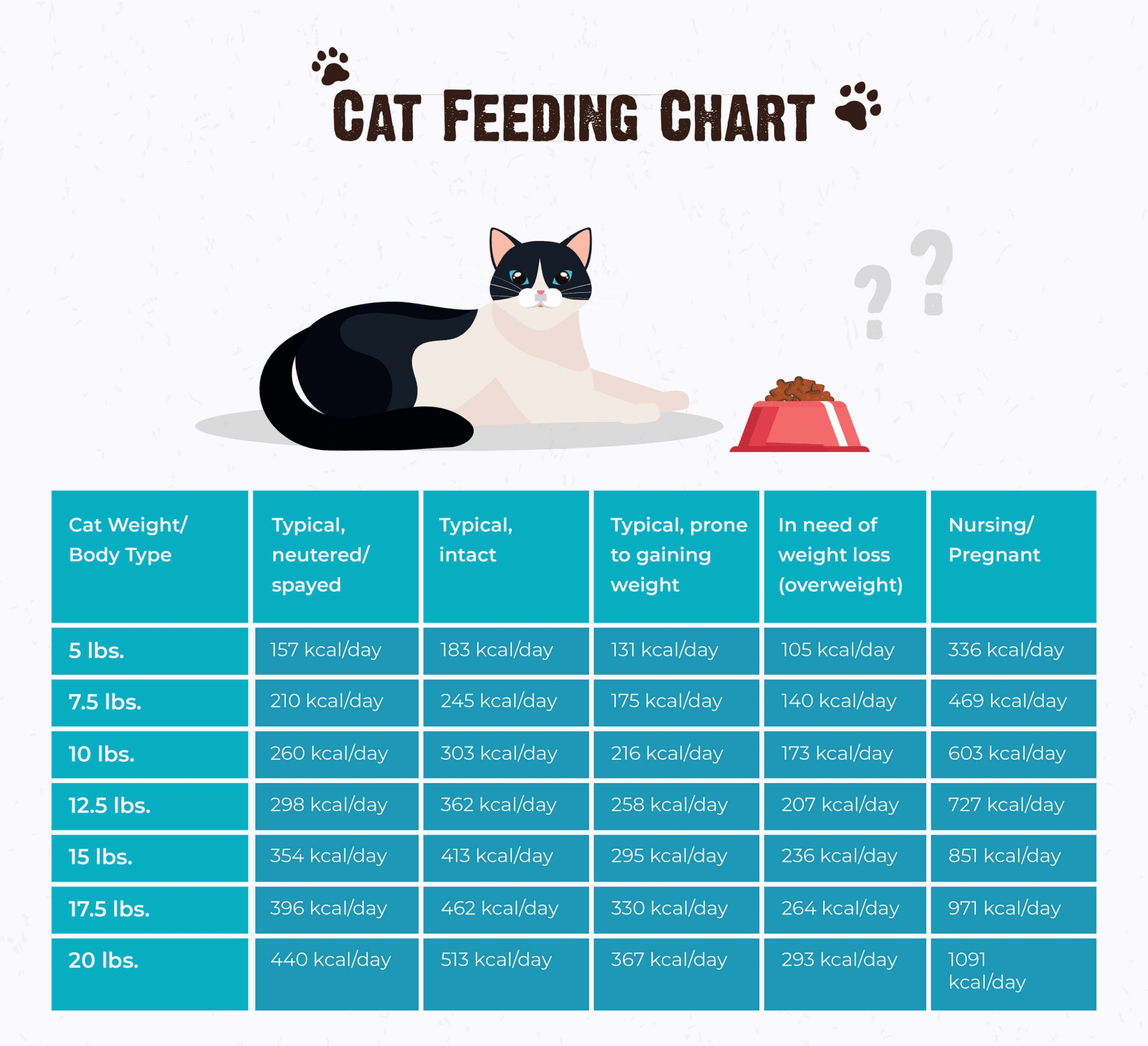
A cat’s food intake depends on age, weight, and activity level. A one-year-old cat typically needs 200 to 250 calories daily. Regular vet check-ups ensure they maintain a healthy diet.
Understanding how much your one-year-old cat should eat involves considering several factors. It’s not as simple as feeding them based on age alone. You need to consider their activity level, breed, size, and any health conditions they might have. This helps ensure your cat gets the right balance of nutrients for a happy, healthy life.Activity Level
Cats with high energy levels need more food to fuel their adventures. If your cat zooms around the house or enjoys outdoor escapades, they’ll likely require more calories. On the other hand, a laid-back feline lounging most of the day will need fewer calories.Think about your cat’s daily routine. Are they more of a sprinter or a couch potato? Adjust their portions accordingly, and you might notice a more satisfied kitty.
Breed And Size
Different breeds have different nutritional needs. A large Maine Coon will eat more than a petite Siamese due to size differences. Similarly, some breeds are naturally more active or have different metabolic rates.Research your cat’s breed to understand any unique dietary needs. Knowing this can help tailor their diet for optimal health. Have you ever noticed how your friend’s cat might eat significantly more or less than yours? Breed and size could be the reason.
Health Conditions
Health issues can significantly impact how much food your cat needs. Conditions like diabetes or hyperthyroidism may increase appetite, while others might reduce it. Regular vet visits can help identify such conditions early.If your cat has a specific health condition, consult your vet to adjust their diet. This ensures they are getting the nutrients they need without exacerbating any health issues. Have you noticed any changes in your cat’s eating habits? It might be worth discussing with a professional.
Understanding these factors helps you tailor your cat’s diet to their unique needs. This way, you can ensure they stay healthy and happy, without overfeeding or underfeeding. Have you considered how these factors play a role in your cat’s eating habits?
Types Of Cat Food
Understanding the types of cat food is crucial for your cat’s health. Each type offers unique benefits and supports different nutritional needs. This guide explores dry food, wet food, and raw diets for your one-year-old feline friend.
Dry Food
Dry food is popular among cat owners. It is convenient and easy to store. It helps maintain dental health by reducing plaque buildup. However, it has lower moisture content. Ensure your cat drinks plenty of water. Choose high-quality brands to provide essential nutrients.
Wet Food
Wet food contains more moisture than dry food. This helps keep your cat hydrated. It often has higher protein content, supporting muscle growth. Wet food can be more appetizing. Cats with picky eating habits may prefer it. Refrigerate any leftovers for freshness.
Raw Diets
Raw diets mimic a cat’s natural eating habits. They include uncooked meat, organs, and bones. Supporters believe it offers better digestion and shinier coats. Raw diets require careful preparation. Ensure it meets all nutritional needs. Consult your vet for guidance. Raw food must be stored properly to avoid spoilage.

Credit: www.reddit.com
Portion Sizes And Feeding Frequency
Understanding how much your one-year-old cat should eat is crucial. Cats need the right balance of nutrients to stay healthy. Portion sizes and feeding frequency play a significant role. They affect your cat’s energy levels and overall well-being.
Daily Caloric Needs
One-year-old cats have specific caloric needs. They typically require around 250 to 280 calories each day. This amount can vary based on their activity level. Indoor cats may need fewer calories than outdoor cats. It’s vital to adjust their diet accordingly.
Feeding Schedule
Establishing a consistent feeding schedule is essential. Most cats benefit from eating two to three meals daily. This routine helps with digestion and maintains energy levels. Consider feeding your cat in the morning and evening. Add a small meal in the afternoon if needed.
Signs Of Overfeeding Or Underfeeding
A one-year-old cat’s eating habits reveal its health. Overfeeding leads to weight gain and lethargy. Underfeeding results in visible ribs and low energy. Monitor your cat’s weight and adjust portions to find the right balance.
Feeding your one-year-old cat the right amount is crucial for its health and happiness. Just like humans, cats can suffer from the consequences of eating too much or too little. Identifying signs of overfeeding or underfeeding can help you adjust their diet accordingly. Your cat might not tell you directly, but their body and behavior can speak volumes. Let’s dive into the signs you need to watch for.Weight Changes
Monitoring your cat’s weight is a straightforward way to assess their diet. Sudden weight gain might indicate overfeeding, leading to obesity-related health problems. On the other hand, unexpected weight loss can be a sign of underfeeding or even illness. A healthy cat should have a slight waist when viewed from above. You can gently run your fingers along their ribs; they should be palpable but not protruding. Have you noticed any changes in your cat’s weight recently?Behavioral Indicators
Your cat’s behavior can offer clues about their eating habits. A cat that constantly begs for food or seems obsessed with mealtime might be underfed. Conversely, a lethargic cat that shows little interest in play could be overfed. Observe how your cat behaves before and after meals. Do they seem satisfied or still on the hunt for more food? Your cat’s energy levels and playfulness can be tell-tale signs. Small changes in behavior may hint at dietary adjustments needed. Is your cat more sluggish or more restless than usual?:strip_icc()/how-much-canned-food-to-feed-554404-Final-4e9268619c4847eaac29498a6a17d88c.png)
Credit: www.thesprucepets.com
Tips For Healthy Eating Habits
Determining the right portion for a one-year-old cat involves considering its weight and activity level. Usually, cats around this age need about 200 calories daily. Consult a veterinarian to tailor feeding based on specific health needs and ensure balanced nutrition.
Feeding your one-year-old cat the right amount of food is crucial for their health and happiness. It’s not just about filling the bowl; it’s about ensuring they have a balanced diet and monitoring their food intake. Developing healthy eating habits now can set the stage for a long and active life for your feline friend. Here are some actionable tips that might make all the difference.Balanced Diet
A balanced diet is essential for your cat’s overall health. Cats are obligate carnivores, meaning they need protein to thrive. Ensure their meals include high-quality cat food that lists meat as the first ingredient. You might notice your cat prefers wet food or dry food. Both have their benefits, but a mix can offer the best of both worlds. Wet food helps with hydration, while dry food can be good for their teeth. Consider consulting your vet for personalized advice. They can recommend specific brands or types of food based on your cat’s health needs.Monitoring Food Intake
Monitoring your cat’s food intake is more than just watching the bowl empty. It’s about understanding their eating patterns and adjusting as needed. Is your cat finishing their meal too quickly? They might be hungry or just enjoy their food. Try setting specific meal times instead of free feeding. This helps regulate their metabolism and prevents overeating. Use a measuring cup to ensure consistent portion sizes. Keep an eye on their weight. Regularly check if they’re gaining or losing weight unexpectedly. This could indicate a need to adjust their diet or consult a vet. Creating healthy eating habits for your one-year-old cat is a rewarding journey. What new insights have you discovered about your cat’s eating habits? Embrace these tips to foster a healthier lifestyle for your furry friend.Frequently Asked Questions
How Much Food Should A 1 Year Old Cat Eat Per Day?
A 1-year-old cat typically needs 200-250 calories daily. This equates to about 2/3 to 1 cup of dry food or 5-6 ounces of wet food. Consult your veterinarian for specific dietary needs based on your cat’s weight, activity level, and health.
Is 1 Cup Of Cat Food Too Much?
One cup of cat food may be too much for some cats. It depends on their age, weight, and activity level. Always follow the feeding guidelines on the cat food packaging and consult your veterinarian for personalized advice. Adjust portions based on your cat’s needs to maintain a healthy weight.
Do Cats Stop Eating When They Are Full?
Cats usually stop eating when they’re full. Their natural instincts help regulate food intake. Some may overeat due to stress or boredom. Regular feeding schedules and portion control can help maintain healthy eating habits. Always consult a vet if you notice unusual eating behavior in your cat.
What Is The Ideal Weight For A 1 Year Old Cat?
A 1-year-old cat typically weighs between 8 to 12 pounds. Weight varies by breed, diet, and health. Always consult a veterinarian for personalized advice and ensure your cat maintains a healthy weight. Regular check-ups and balanced nutrition are essential for your cat’s well-being.
Conclusion
Feeding a one-year-old cat requires careful attention to its needs. Consider portion sizes that match your cat’s activity level and weight. Regular feeding schedules help maintain a healthy diet. Always provide fresh water alongside meals. Consult your vet for specific dietary advice.
They know your cat’s health best. Keep an eye on your cat’s weight and energy levels. Adjust food portions as needed. A balanced diet ensures your cat stays happy and healthy. Remember, a well-fed cat leads to a joyful companion.
Your cat deserves the best care and nutrition possible.