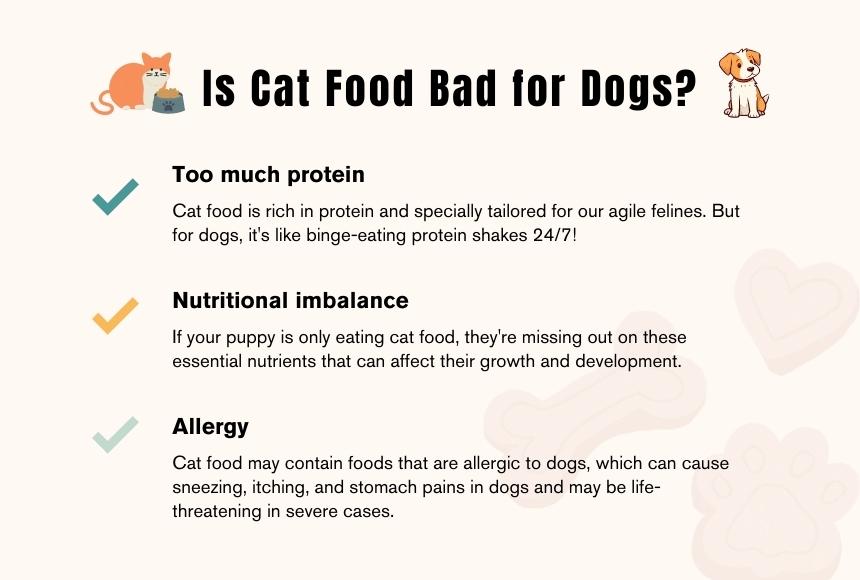
Imagine this: you’re in the pet aisle, picking out the perfect food for your puppy. You spot a bag of cat food and wonder, “Could this work?”
Puppies are curious creatures, and you might have caught them nibbling on your cat’s food before. But is this harmless, or could it be bad for your furry friend? Your puppy’s health and happiness depend on the right nutrition. Understanding the differences between cat food and dog food is crucial.
We’ll uncover whether cat food is a safe option for your puppy. Could it be beneficial, or does it pose hidden risks? Stay with us to discover the truth and ensure your puppy gets the best start in life.

Credit: greensafaris.com
Puppy Nutrition Needs
Feeding puppies cat food can harm their growth. Cat food lacks essential nutrients puppies need. Puppy food supports healthy development with the right balance of protein, vitamins, and minerals.
Understanding what puppies need is crucial for their growth. Puppies require a balanced diet to thrive. Their dietary needs differ from cats. Feeding them cat food can lead to health issues. Cat food lacks the essential nutrients puppies need. Let’s explore why puppy-specific nutrition matters.Growth And Development
Puppies grow rapidly in their first year. Proper nutrition supports their development. They need more calories than adult dogs. Their diet should support bone growth and muscle development. Cat food is high in protein but lacks other essentials. A puppy’s diet needs more than just protein.Essential Nutrients
Puppies need specific nutrients for a healthy life. Proteins are crucial, but so are fats and carbohydrates. Calcium supports strong bones, and DHA aids brain development. Vitamins and minerals boost their immune system. Cat food often misses these balanced nutrients. Puppies need a tailored diet to meet these needs. `Cat Food Composition
Understanding the composition of cat food is crucial for pet owners. Cats and puppies have different dietary needs. Cat food might not be suitable for puppies. Let’s explore the typical ingredients and nutritional profile found in cat food.
Typical Ingredients
Cat food often includes meat like chicken or fish. These are primary protein sources. It may also contain grains such as corn and wheat. Vegetables and fruits can be part of the mix. Cat food often includes added vitamins and minerals. Some brands use artificial flavors or colors. Taurine is a key ingredient in cat food, vital for cats.
Nutritional Profile
Cat food is high in protein and fat. These nutrients support a cat’s metabolism. Calcium and phosphorus levels are balanced for feline health. Cat food usually has less fiber than dog food. It contains essential amino acids like taurine. The calorie count can be higher than in dog food. This supports a cat’s energy needs.
Differences Between Cat And Puppy Food
Walking down the pet food aisle, you might wonder why there are separate sections for cats and puppies. Aren’t they all just hungry little furballs? The truth is, cat food and puppy food are formulated differently to cater to their unique nutritional needs. Feeding your puppy cat food can lead to health issues. Let’s dig into the specifics.
Protein Levels
Cats are obligate carnivores, meaning they need high protein levels to thrive. Their food often contains more protein than puppy food. Puppies, while carnivorous, have a broader dietary requirement that includes carbohydrates and other nutrients. Feeding your puppy food meant for cats can overload them with protein. This excess can strain their young kidneys and liver. Have you ever noticed how energetic puppies are? They need balanced nutrition for all that play and growth.
Fat Content
Cat food is typically higher in fat content than puppy food. Cats rely on fats for energy and maintaining a sleek coat. Puppies, on the other hand, require a different fat-to-protein ratio to support their developing bodies. Too much fat from cat food can lead to obesity in puppies. Imagine if you were to eat dessert all day—delicious, but not great for your health! Ensuring your puppy gets the right fat content helps them maintain a healthy weight and supports their rapid growth.
Vitamins And Minerals
Vitamin and mineral needs differ significantly between cats and puppies. Cat food contains taurine, an essential amino acid for cats but unnecessary for puppies. Puppies need nutrients like calcium and phosphorus for bone development, which cat food may lack. Feeding your puppy the wrong vitamins and minerals can stunt their growth or cause developmental issues. Have you ever checked the labels on your own food? It’s the same with pet food—attention to detail can make a difference.
So next time you’re tempted to share your cat’s food with your puppy, remember these differences. Is the convenience worth compromising your puppy’s health? Ensure your little buddy gets the nutrition they need to grow into a healthy and happy dog.
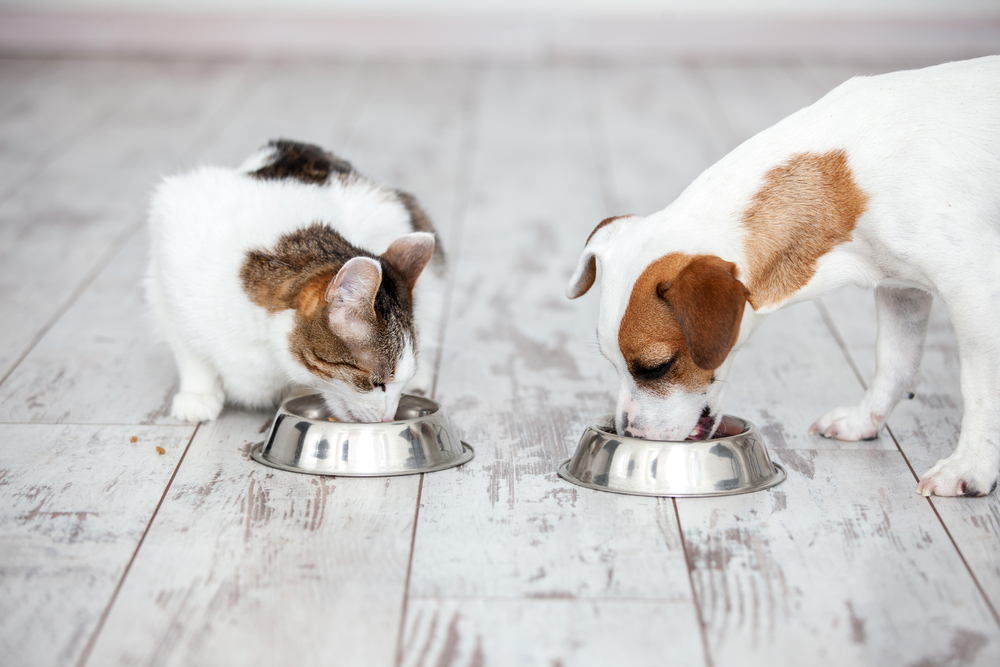
Credit: www.vets-now.com
Potential Risks Of Feeding Cat Food To Puppies
Feeding puppies cat food can lead to nutritional imbalance, affecting their growth and energy levels. Their specific dietary needs differ from cats, requiring essential proteins and nutrients for healthy development. Improper diet might cause digestive issues and weak immunity, impacting their overall health.
Feeding cat food to puppies might seem harmless, especially if you’re juggling multiple pets and want to simplify feeding time. But this shortcut could lead to a host of issues for your puppy. You might be surprised at how different the dietary needs are for cats and dogs, despite both being adorable bundles of fur. Let’s dive into the potential risks associated with feeding cat food to your puppy.Nutritional Imbalance
Puppies require a balanced diet designed specifically for their growth and development. Cat food often contains higher protein levels and lacks essential nutrients that dogs need, like certain vitamins and minerals. This imbalance can lead to deficiencies or excesses, impacting your puppy’s growth or even causing digestive problems. Have you ever noticed your puppy being less energetic or not growing as expected? It might be the diet.Health Concerns
A puppy’s health can be significantly affected by consuming cat food regularly. Cat food is formulated to meet the dietary requirements of cats, not dogs. High protein and fat content can lead to obesity in puppies, as their metabolism differs from that of cats. Moreover, the absence of necessary nutrients can weaken their immune system, making them more susceptible to diseases. Would you risk your puppy’s health for convenience?Behavioral Issues
Feeding cat food to puppies might even influence their behavior. Puppies accustomed to the taste of cat food might become picky eaters, refusing to eat their intended puppy kibble. This fussiness can create challenges in ensuring they receive a balanced diet. Additionally, a change in diet might cause gastrointestinal discomfort, leading to restlessness or irritability. Is a picky puppy something you’re prepared to handle? Consider these risks carefully and remember that your puppy’s well-being lies in your hands. Aim for a diet tailored to their needs, ensuring their growth, health, and behavior remain optimal. Your puppy deserves the best start in life, don’t you agree?Signs Of Poor Nutrition In Puppies
Feeding puppies cat food can lead to poor nutrition. Look for signs like sluggishness, weight loss, or dull coat. Puppies need specific nutrients for growth, which cat food lacks.
Puppies are bundles of energy and curiosity, which is why providing them with the right nutrition is crucial for their growth and development. Poor nutrition can have significant effects on a puppy’s health, potentially stemming from feeding them inappropriate foods like cat food. While it might be tempting to share your feline friend’s food with your puppy, doing so can lead to various health issues. Being aware of the signs of poor nutrition can help you make informed decisions and keep your puppy on the path to a healthy life.Physical Symptoms
You might notice visible changes in your puppy if they’re not getting the right nutrition. Dull fur, excessive shedding, or flaky skin can indicate a lack of essential nutrients. Have you ever seen your puppy’s ribs becoming more pronounced? Weight loss or a lack of weight gain might mean your puppy isn’t getting the calories or protein they need. Lethargy is another sign of poor nutrition. Puppies should be lively and playful. If your puppy seems tired all the time, it’s worth considering their diet. Also, pay attention to digestive issues like diarrhea or vomiting, as these can signal that something isn’t right with their nutrition.Developmental Delays
Poor nutrition doesn’t just affect your puppy’s appearance; it can also hinder their development. Puppies grow quickly, and during this time, they need a balanced diet to support their bone and muscle growth. Are you noticing your puppy isn’t as active or coordinated as other puppies their age? This could be a sign of nutritional deficiencies affecting their development. Cognitive development is another area impacted by poor nutrition. If your puppy seems slower to learn commands or isn’t as responsive to training, it might be linked to their diet. Ensuring your puppy receives a diet rich in essential nutrients like omega-3 fatty acids can support their brain development. Is your puppy experiencing any of these symptoms? Evaluating their diet could be the key to resolving these issues. Feeding your puppy the right food tailored to their needs is essential for their health and happiness. Are you ready to make the necessary changes to ensure your puppy grows into a healthy adult dog?Safe Alternatives For Puppy Diets
Feeding your puppy the right diet is crucial for growth and health. Puppies have different nutritional needs than adult dogs or cats. Cat food may not provide the necessary nutrients for puppies. Instead, consider safe and nutritious alternatives. These alternatives ensure your puppy gets the right balance of nutrients. Let’s explore some safe options for your puppy’s diet.
Commercial Puppy Food
Commercial puppy food is specially formulated for growing puppies. It contains the right balance of protein, fat, and vitamins. These nutrients support healthy growth and development. Choose a reputable brand with high-quality ingredients. Look for food labeled specifically for puppies. Ensure it’s approved by veterinary nutritionists. This ensures your puppy gets the best nutrition available.
Homemade Diet Options
Some owners prefer homemade diets for their puppies. This option allows control over ingredients and quality. Ensure the diet includes lean proteins, like chicken or turkey. Add carbohydrates from sources such as rice or sweet potatoes. Include vegetables for vitamins and minerals. Consult with a veterinarian for a balanced recipe. A balanced homemade diet supports healthy growth and development.
Tips For Choosing Puppy Food
Puppies need different nutrients than cats. Feeding cat food can harm your puppy’s growth and health. Choose puppy-specific food to ensure they get the right balance of proteins, vitamins, and minerals for their development.
Choosing the right food for your puppy can feel daunting. You want them to grow strong and healthy, but with so many options, it can be tough to know where to start. Here’s a guide to help you make informed decisions about what goes into your puppy’s bowl.Reading Labels
Start by reading the labels on puppy food packages. Look for ingredients that are natural and wholesome, like chicken, lamb, or fish as the main protein source. Avoid foods with fillers like corn and soy, which provide little nutritional value. Check for the AAFCO (Association of American Feed Control Officials) statement. This ensures the food meets the minimum nutritional requirements for puppies. Watch out for artificial preservatives and colors. These additives can be harmful and are unnecessary for your puppy’s diet.Consulting Veterinarians
Your veterinarian is a valuable resource when choosing puppy food. They can recommend brands that suit your puppy’s breed, size, and health needs. If your puppy has allergies or a sensitive stomach, your vet can guide you toward hypoallergenic or special diet options. Don’t hesitate to ask questions about portion sizes and feeding schedules. Vets can provide personalized advice that keeps your puppy on the right track. Have you ever wondered if the cheapest food on the shelf is good enough? Or if the most expensive one is truly worth it? Consulting with professionals can clear up these doubts and help you make the best choice for your furry friend. In the end, the goal is to support your puppy’s growth and well-being. By taking the time to read labels and consult with a veterinarian, you’re setting your puppy up for a healthy future.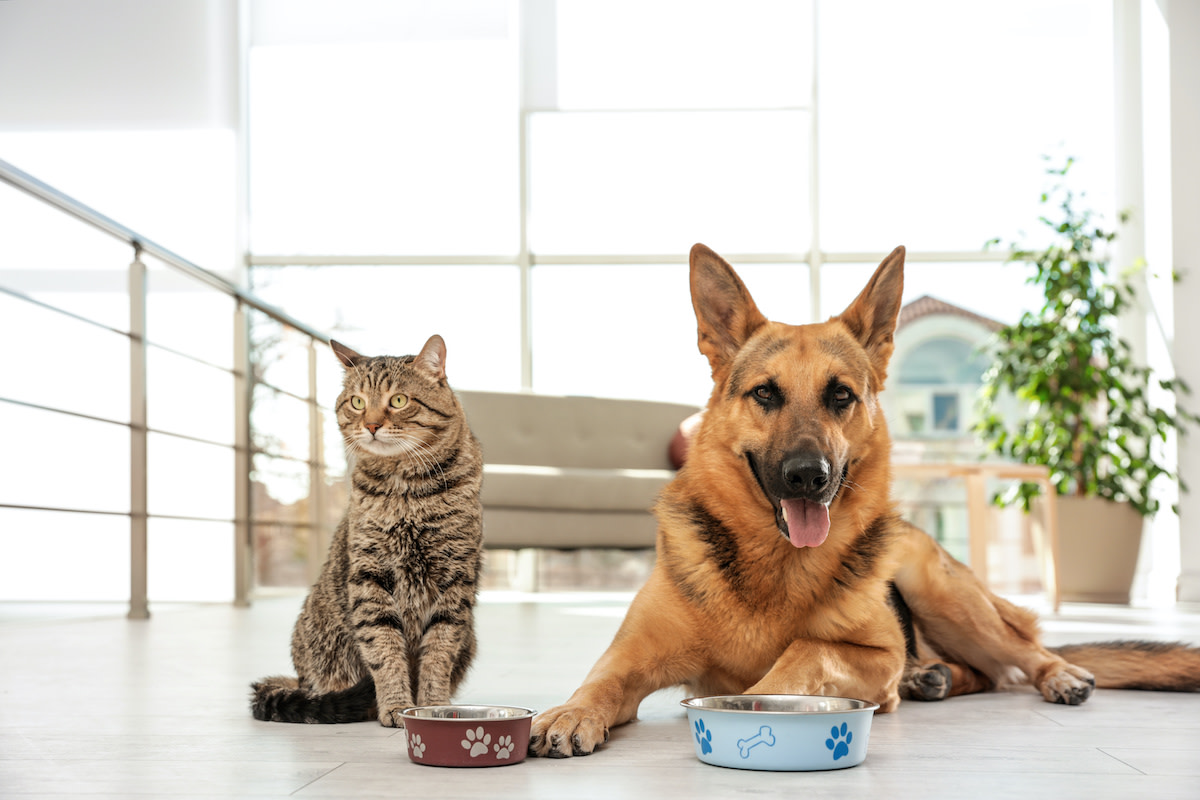
Credit: www.masterclass.com
Frequently Asked Questions
What Happens If My Puppy Eats The Cat’s Food?
Puppies can eat cat food occasionally without harm. Cat food is higher in protein and fat. Regular consumption may cause digestive issues or nutritional imbalances. Ensure your puppy has a balanced diet specifically for dogs. Consult a vet if your puppy shows signs of discomfort or persistent health issues.
Is Cat Food Ok For Puppies To Eat?
Cat food is not ideal for puppies. Puppies need a diet formulated for their growth and development. Cat food lacks essential nutrients required by puppies, such as proper protein and calcium levels. Feeding puppies cat food regularly can lead to nutritional imbalances and health issues.
Always choose puppy-specific food for optimal health.
Why Does My Puppy Want To Eat My Cat’s Food?
Puppies eat cat food because it’s often tastier and higher in protein. They’re curious and may find it appealing. Ensure a balanced diet by keeping their food separate and accessible.
Why Shouldn’t Dogs Have Cat Food?
Dogs shouldn’t eat cat food because it’s high in protein and fat, leading to obesity. Cat food lacks essential nutrients for dogs, causing deficiencies. It may upset a dog’s digestive system. Feeding dogs cat food regularly can result in long-term health issues.
Always provide species-appropriate food.
Conclusion
Feeding puppies cat food can harm their health. Cat food has different nutrients. Puppies need specific nutrients for growth. Their bodies require more protein and fat. Cat food lacks these essential elements. It may lead to nutritional deficiencies. Always choose puppy-specific food for young dogs.
Consult a vet for the best advice. Proper diet ensures healthy development. Keep your puppy’s food separate from cats. This prevents accidents and promotes wellness. Remember, puppy health depends on good nutrition. Make informed choices for your furry friend’s diet.
Their growth and happiness depend on it.