You notice your cat isn’t acting like its usual playful self. Maybe there’s a little swelling, or perhaps it’s more than a little.
Your furry friend might be suffering from an abscess, a painful condition that needs your immediate attention. But don’t worry, because understanding how to treat an abscess on a cat is simpler than you might think. You want your cat to be comfortable and healthy, and by taking the right steps, you can ensure just that.
In this guide, you’ll discover easy, effective ways to care for your cat, alleviating its pain and preventing future issues. Ready to help your cat feel better? Let’s dive into what you need to do.
Signs Of An Abscess
Understanding the signs of an abscess in your cat is crucial. Early detection can prevent complications and ensure proper care. Abscesses are pockets of pus formed due to infections. These infections often arise from bites or scratches. Recognizing symptoms early helps in managing the situation better.
Behavioral Changes
Behavioral changes are often the first indicator of an abscess. Your cat may become more withdrawn or less active. Increased aggression or irritability can signal discomfort. Cats might avoid physical contact, even with their owners. Pay attention if your cat hides more frequently. Unusual vocalizations may suggest distress or pain.
Physical Symptoms
Physical symptoms are more apparent as the abscess develops. Swelling or lumps on the skin are common signs. These areas may feel warm to the touch. Redness or inflammation around the affected spot is typical. Your cat might limp or favor a limb if the abscess is on a leg. Pus or blood discharge is a clear indication of an infection. Foul odor from the wound can signal an abscess.
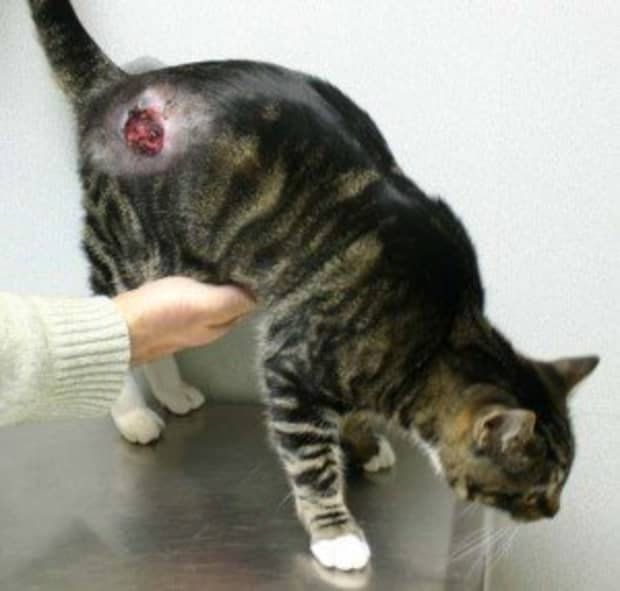
Credit: urbananimalveterinary.com
Initial Assessment
Caring for a cat means being alert to their health issues. An abscess can cause discomfort and needs attention. The first step in treatment is a thorough initial assessment. This helps determine the best course of action for your furry friend. Let’s explore the key aspects of this assessment.
Identifying The Abscess
An abscess is a swollen, painful area on your cat’s skin. It often forms due to an infection. Check for signs like redness, swelling, or pus. Your cat may groom the area excessively or show signs of discomfort. Abscesses are common in areas prone to bites or scratches. Pay special attention to the head, neck, and tail.
Evaluating Severity
Consider the size and condition of the abscess. A small, firm lump might be less severe. Large, soft abscesses might indicate more serious infections. Observe your cat’s behavior. Are they eating less or hiding more? These can be signs of severe discomfort or pain. A severe abscess may require immediate veterinary attention.
Gathering Supplies
Treating an abscess on a cat requires the right supplies. This ensures the process is smooth and effective. Gathering these supplies beforehand saves time and stress. A prepared pet owner is a confident one. Let’s explore the essentials needed.
Essential First Aid Kit
A first aid kit is crucial for any pet emergency. Include gauze pads, antiseptic wipes, and a gentle antiseptic solution. These items help clean the wound. Tweezers and scissors might be necessary. They assist in removing debris or cutting bandages.
Ensure you have a clean towel or cloth. It helps in drying the area after cleaning. Having these supplies ready makes the process efficient.
Safety Equipment
Safety equipment protects both you and your cat. Start with a pair of disposable gloves. They prevent the spread of infection. An Elizabethan collar can be handy. It stops the cat from licking the wound.
Consider a towel or blanket to wrap your cat. This keeps them calm during treatment. Safety is key for a successful abscess treatment.
Cleaning The Wound
Start by gently cleaning the wound with warm water and mild soap. This helps remove dirt and bacteria. Pat the area dry with a clean cloth to prevent further infection.
Cleaning a wound on your cat, especially an abscess, is crucial to ensure your furry friend’s speedy recovery. Abscesses are painful pockets of pus that can cause discomfort and lead to more serious infections if not treated properly. You might wonder, how can you help your cat heal effectively? Let’s dive into practical ways to clean the wound safely and efficiently, ensuring your feline companion stays healthy and happy.Using Antiseptic Solutions
Antiseptic solutions are your best friends when cleaning a cat’s wound. They help eliminate bacteria and prevent infection. Look for cat-safe options like diluted iodine or chlorhexidine. These solutions are effective and gentle on your cat’s sensitive skin. Apply the solution with a clean cotton ball or gauze. Be gentle and avoid rubbing too hard, which can irritate the wound further.Avoiding Harmful Products
Not all products are safe for your cat. Avoid using alcohol or hydrogen peroxide as they can be too harsh and slow down healing. Many common household disinfectants are toxic to cats. Always check labels and ensure the product is safe for feline use. Remember a time when your cat got into something they shouldn’t have? Cats are curious, so it’s crucial to ensure cleaning products are non-toxic if they lick their wound. Cleaning your cat’s wound is a simple yet vital step in treating an abscess. With careful attention and the right products, you can help your cat heal quickly and comfortably. Are you ready to take charge of your cat’s care?Drainage Techniques
Caring for a cat with an abscess may seem daunting. Drainage is a crucial technique. It helps remove pus and reduce swelling. Proper drainage promotes faster healing. It’s essential to follow safe methods to avoid complications. This section explains when and how to attempt drainage.
When To Attempt Drainage
Only drain an abscess if it’s soft and ready to burst. If the abscess is hard, wait until it softens. If the cat seems in pain, consult a vet first. Drainage should be attempted only if the abscess is visible and accessible. Make sure your cat is calm and comfortable before starting.
Steps For Safe Drainage
Begin by washing your hands thoroughly. Gather clean materials like gauze and towels. Wear gloves to prevent infection. Gently press around the abscess to encourage pus to flow. Use a warm compress to soften the skin. Place gauze near the abscess to catch any pus. Never use sharp objects; they can injure your cat.
If pus flows, allow it to drain completely. Use clean gauze to wipe away pus. Rinse the area with saline solution. Apply antiseptic to prevent bacteria. Monitor the cat for signs of discomfort. If pus doesn’t drain, seek veterinary help promptly.
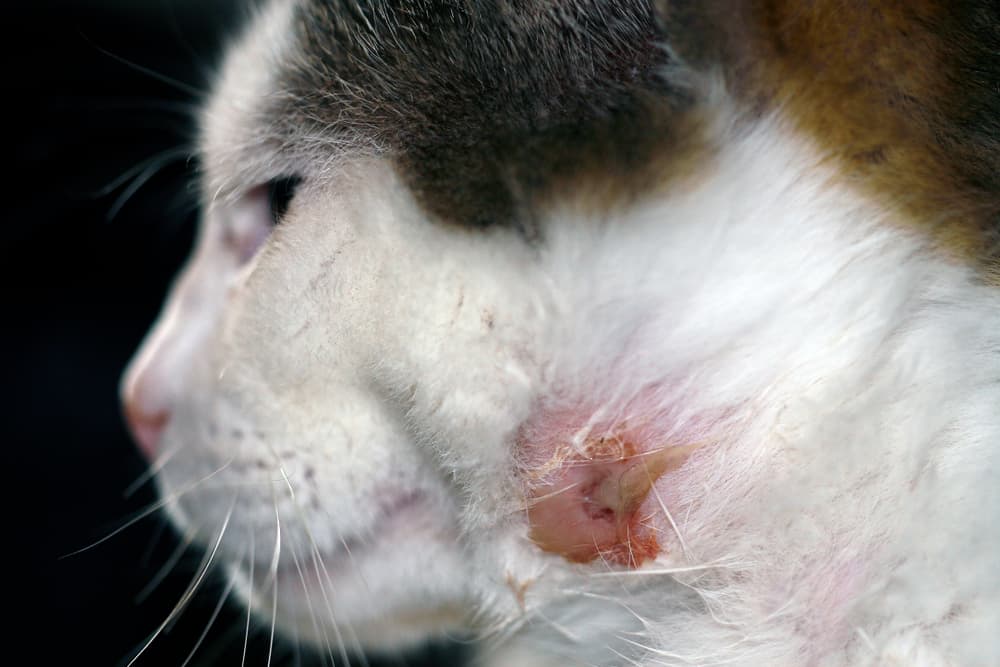
Credit: www.sydneyvetspecialists.com.au
Applying Medication
Treating a cat’s abscess involves gently cleaning the area with warm water. Apply prescribed antibiotic ointment to prevent infection. Use a soft cloth to clean and apply medication twice daily.
Applying medication is crucial in treating a cat’s abscess. Proper medication can speed up healing and reduce discomfort. Understanding the types of treatments available is essential. Each treatment type addresses different needs. Let’s explore the options.Topical Treatments
Topical treatments are applied directly to the abscess. They help reduce swelling and fight bacteria. Clean the area first with mild antiseptic. This removes debris and bacteria. Then, apply the topical ointment as directed by a vet. Be gentle to avoid hurting your cat. Common topical treatments include antibiotic creams. These are safe and effective for minor abscesses. Always consult your vet before applying any new treatment.Oral Antibiotics
Oral antibiotics are often necessary for severe abscesses. They work from within to eliminate bacteria. Your vet will prescribe the right antibiotic for your cat. Administer the medication according to the vet’s instructions. Use a pill pocket or a syringe for easier administration. Ensure your cat completes the full course of antibiotics. Stopping early can cause bacteria to return. Watch for any side effects, like vomiting or diarrhea. Report these to your vet immediately.Monitoring Recovery
Treating an abscess on a cat requires careful monitoring and timely interventions. Cleaning the wound and applying prescribed medication helps in healing. Regular check-ups ensure the abscess is recovering properly and prevent complications.
Monitoring your cat’s recovery from an abscess is crucial to ensure they return to their playful self. Observing the healing process can help you identify signs of improvement or indicators of infection early on. Your vigilance can make a significant difference in your cat’s health journey.Signs Of Improvement
Begin by noting any reduction in swelling or redness around the abscess site. A decrease in these symptoms usually suggests that the healing process is on track. Check if your cat is regaining their usual energy and appetite. Eating and playing normally are positive signs. Look for the formation of a scab over the wound, which indicates healing tissue. This is a natural part of recovery.Indicators Of Infection
Watch for an increase in swelling or redness, which might suggest an infection. Prompt action can prevent complications. Be alert to any foul odor or unusual discharge from the abscess site. This could indicate that the infection is persisting or worsening. If your cat seems lethargic or refuses to eat, it could be a sign that they’re not recovering as expected. Consult your vet if you notice these symptoms. Have you ever monitored a pet’s recovery before? Share your experiences and insights in the comments below!Seeking Veterinary Help
Dealing with an abscess on your cat can be a worrying experience, especially when you’re unsure about the severity of the condition. Seeking veterinary help is crucial to ensure your furry friend receives the best care possible. Understanding when to consult a vet and how to prepare for the visit can make the process smoother for both you and your pet.
When To Consult A Vet
Abscesses can be painful and potentially dangerous for your cat. If you notice swelling, pus, or if your cat is in distress, it’s time to consult a vet.
Don’t wait if the abscess isn’t healing or is growing larger. Your vet can assess whether it requires drainage or antibiotics.
Have you ever faced a situation where your cat seemed fine one day and lethargic the next? That’s often how abscesses develop, so quick action is vital.
Preparing For The Visit
Preparation is key to a successful vet visit. Gather information about your cat’s symptoms, including any changes in behavior or appetite.
Make a list of questions or concerns you have for the vet. This ensures you cover everything during the appointment.
Consider your cat’s comfort during travel. Use a cozy carrier and perhaps a familiar blanket to ease their stress. How do you make your pet feel safe in unfamiliar situations?
Remember, the vet is there to help. Clear communication and detailed observations can make a big difference in diagnosing and treating your cat’s abscess effectively.
Preventive Measures
Cats can suffer from abscesses due to fights or scratches. Preventing these painful infections is crucial for your furry friend’s health. By taking simple steps, you can minimize the risk of abscesses developing. Focus on reducing risk factors and maintaining hygiene to keep your cat safe.
Reducing Risk Factors
Limit your cat’s outdoor time to reduce encounters with other animals. This decreases chances of injury or infection. Ensure your cat is up-to-date with vaccinations. Vaccines help protect against diseases that can lead to abscesses. Spaying or neutering reduces aggressive behaviors. This lowers the chance of fights and subsequent injuries.
Maintaining Hygiene
Regular grooming keeps your cat clean and free from parasites. Check your cat’s fur for ticks and fleas. These pests can lead to infections. Clean wounds immediately if your cat gets hurt. Use antiseptic solutions to prevent bacteria buildup. Ensure your cat’s environment is tidy. A clean home reduces exposure to harmful germs.
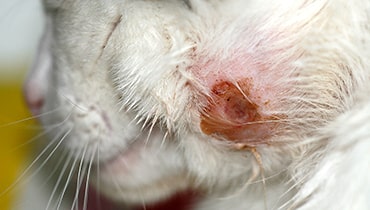
Credit: www.pdsa.org.uk
Frequently Asked Questions
How Can I Treat My Cat Abscess At Home?
Clean the abscess gently with warm water and mild antiseptic. Apply a warm compress to reduce swelling. Consult your vet for appropriate antibiotics. Keep the area clean and monitor for signs of infection. Always seek professional advice if the abscess worsens or doesn’t heal.
Can A Cat Heal From An Abscess On Its Own?
Cats rarely heal from an abscess without treatment. Veterinary care is often necessary to prevent infection. Abscesses can worsen quickly, requiring antibiotics or drainage. Prompt attention ensures faster recovery and avoids complications. Always consult a vet for proper diagnosis and treatment to ensure your cat’s health and well-being.
How Do You Treat An Abscess After It Pops?
Clean the area with mild soap and water. Apply an antiseptic ointment. Cover with a sterile bandage. Keep it dry and clean. Seek medical advice if it worsens.
How To Treat A Cat Tooth Abscess At Home?
Clean the area with warm saline solution to reduce infection risk. Apply a warm compress to ease pain. Encourage soft food for easier eating. Monitor the abscess for worsening signs. Consult a vet if the condition doesn’t improve.
Conclusion
Caring for a cat’s abscess needs patience and attention. Quick action helps healing. Clean the wound gently and use prescribed treatments. Keep your cat calm and comfortable. Monitor changes and consult a vet if needed. A healthy diet supports recovery.
Regular check-ups prevent future abscesses. Love and care ensure your cat feels safe and cared for. Trust your instincts and seek advice when unsure. Your furry friend relies on you for their well-being. Treat abscesses promptly and watch your cat return to their playful self.