You’re petting your beloved cat, and suddenly your fingers stumble upon a tangled, matted mess of fur. Sound familiar?
Hair mats are not just unsightly; they can be uncomfortable and even painful for your feline friend. But don’t worry—you’re not alone, and there’s a solution. Imagine the relief of seeing your cat’s coat soft, smooth, and mat-free again. In this guide, you’ll discover simple, effective techniques to remove those pesky hair mats without causing your furry companion any distress.
If you’ve ever felt the frustration of dealing with these stubborn tangles, or the guilt of knowing your cat might be uncomfortable, keep reading. Your cat deserves the best, and with a little knowledge, you can ensure they feel and look their best, too.
Causes Of Hair Mats
Hair mats in cats often develop due to loose fur, dirt, and oil buildup. Regular grooming helps prevent mat formation and keeps your cat’s coat healthy.
Removing hair mats from your cat can be a challenging task, especially if your furry friend is prone to them. Understanding why these mats form is the first step in tackling the problem effectively. Hair mats are not just a nuisance; they can affect your cat’s comfort and health. Let’s delve into the causes of hair mats to help you manage them better.1. Lack Of Regular Grooming
Cats are generally good at grooming themselves, but sometimes they need a little extra help. If your cat isn’t groomed regularly, their fur can start to clump together. Consider this: when was the last time you gave your cat a thorough brushing? Regular grooming prevents the fur from becoming tangled and matted.2. Long Hair Breeds
Certain cat breeds like Persians and Maine Coons are more prone to hair mats due to their long, dense fur. If you own a long-haired cat, you might have noticed the increased need for grooming. These breeds require more frequent brushing to keep their coats smooth and mat-free. Have you noticed your cat struggling to clean hard-to-reach areas?3. Skin Conditions
Skin conditions can lead to hair mats by causing excessive shedding or oil buildup. If your cat has allergies or skin infections, their fur can become greasy and matted. A trip to the vet could reveal underlying skin issues that are contributing to the problem. Is your cat scratching more than usual?4. Age And Mobility Issues
Older cats or cats with mobility issues might find grooming difficult. As they age, the ability to reach different parts of their body diminishes, leading to mats forming in neglected areas. Have you noticed your cat slowing down or struggling to clean themselves?5. Outdoor Adventures
Cats that enjoy exploring the great outdoors often bring back more than they bargained for. Dirt, leaves, and other debris can get tangled in their fur, leading to mats. If your cat loves outdoor adventures, regular post-adventure grooming can help keep their coat clean and mat-free. What does your cat love bringing home from their outdoor escapades? Understanding these causes not only equips you to prevent mats but also enhances your bond with your feline friend by ensuring their comfort and well-being. Regular grooming sessions can become a cherished routine that both you and your cat look forward to. Which cause resonates most with your cat’s situation?Identifying Hair Mats
Hair mats on cats can be a real nuisance. They cause discomfort and health issues for your furry friend. Identifying these mats early is key. It helps prevent pain and skin problems. Let’s explore how to spot them effectively.
What Are Hair Mats?
Hair mats are tangled clumps of fur. They form due to loose hair and dirt. These mats can pull on the skin. This causes irritation and discomfort for your cat. Regular grooming helps, but sometimes mats appear anyway.
Common Areas For Mats
Mats often form in specific areas. Look under the armpits, behind the ears, and around the tail. The belly and chest are other hotspots. These areas experience constant movement. This leads to more tangling and mat formation.
Signs Your Cat Has Mats
Feel for lumps while petting your cat. Look for discomfort signs too. Your cat may lick or scratch certain spots. They might avoid grooming certain areas. These are clues that mats are forming.
Why Regular Checks Are Important
Regular checks help catch mats early. Early detection makes removal easier. It also reduces skin irritation. Regular grooming sessions are a good time for checking. Make it a routine part of pet care.
Essential Tools For Removing Mats
Removing hair mats from your cat requires the right tools. Using the correct tools not only makes the process easier but also safer for your pet. Let’s explore the essential tools you need to effectively remove mats from your cat’s fur.
Combs And Brushes
Combs and brushes are basic tools for tackling hair mats. A wide-toothed comb works well for detangling. It gently separates the fur without causing pain. A slicker brush can also help. It removes loose fur and reduces mat formation. Use these tools regularly to prevent mats.
Dematting Tools
Dematting tools are specifically designed for stubborn mats. They have sharp blades to cut through tangles. Use with care to avoid cutting your cat’s skin. These tools are effective for dense mats. Always follow the tool’s instructions for safe use.
Detangling Sprays
Detangling sprays can make the process smoother. They soften the fur and make it easier to comb. Spray lightly on the affected area. Let it sit for a few minutes. Then, gently work through the mat with a comb. These sprays can protect your cat’s fur and skin.
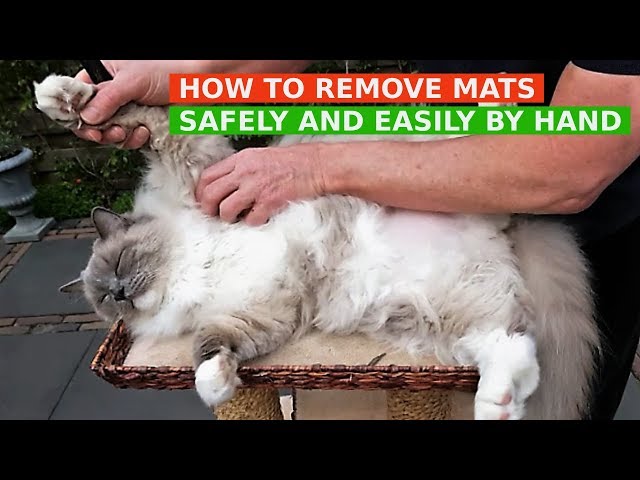
Credit: www.youtube.com
Step-by-step Mat Removal
Removing hair mats from your cat can be daunting, but with a clear, step-by-step approach, you can make the process smoother for both you and your feline friend. Hair mats are not just unsightly; they can cause discomfort and skin issues for your cat. Addressing this problem promptly and correctly is vital for your pet’s health and happiness. Let’s dive into the detailed steps of mat removal.
Preparing The Cat
Ensure your cat is calm and comfortable before you begin. A quiet room away from distractions is ideal. You might want to use treats to create a positive association with the process. Speaking in soothing tones can help ease any anxiety your cat may feel.
Consider brushing out any loose fur before tackling the mats. This can make the process less stressful for your cat and easier for you. You’ll also want to gather your tools: a comb, scissors, and possibly a detangler spray.
Gently Loosening The Mat
Start by gently working the mat with your fingers. This initial step can help you understand the mat’s structure and loosen it. Use a detangler spray if necessary—it can soften the mat, making it easier to comb through.
With patience, use a comb to tease out the edges of the mat. Begin at the tips and slowly work your way toward the base. Remember, abrupt movements can pull at your cat’s skin, causing discomfort.
Cutting Techniques
Sometimes, mats are too stubborn to comb out and require cutting. Choose scissors with rounded tips to prevent accidental poking. You might find this step nerve-wracking, but carefulness is key.
Cut the mat vertically into smaller sections before attempting to comb again. This technique minimizes the risk of cutting your cat’s skin and makes the mat easier to manage. Always keep a close eye on your cat’s reactions to ensure they remain comfortable.
Have you ever wondered why some cats are more prone to mats than others? Could it be their lifestyle, or perhaps their grooming habits? Addressing these questions can help prevent future matting and ensure your cat’s coat stays healthy and beautiful. As you work through these steps, remember that patience and gentleness are your best tools in mat removal. Happy grooming!
Preventing Future Mats
Removing hair mats from cats involves gentle brushing and regular grooming. Soft brushes help untangle knots without hurting your cat. Regularly check your cat’s fur to keep mats away.
Preventing future mats in your cat’s fur is a task that requires consistent attention and care. By understanding what causes mats and how to avoid them, you can ensure your feline friend remains comfortable and healthy. Mats can be painful and lead to skin infections if not properly managed. Taking proactive steps can save you and your cat from the stress of dealing with tangled fur. Let’s dive into practical strategies that can help keep your cat’s coat smooth and mat-free.Regular Grooming Routines
Make grooming a regular part of your cat’s routine. Frequent brushing helps keep the fur tangle-free. For long-haired cats, aim for daily grooming sessions. Short-haired breeds can be groomed once or twice a week. Invest in high-quality grooming tools that suit your cat’s needs. Use a slicker brush for removing loose hairs and a comb for detangling. Create a calming environment to make grooming enjoyable for your cat. You might find that your cat starts to look forward to these sessions. Consider setting a specific time for grooming, like after meals or playtime. This helps establish a routine and makes it easier for you to remember. Regular grooming not only prevents mats but also strengthens the bond between you and your pet.Diet And Nutrition
A healthy diet plays a crucial role in maintaining your cat’s coat. Good nutrition provides the essential oils and nutrients that keep the fur strong and shiny. Include foods rich in omega-3 fatty acids, like salmon or fish oil supplements. Ensure your cat’s diet is balanced with the right mix of proteins, vitamins, and minerals. Consult your vet to determine the best dietary plan. A well-fed cat is less likely to develop skin issues that lead to mats. Observe your cat’s response to dietary changes. You may notice improvements in fur texture and reduced matting. Have you ever wondered if your cat’s diet affects their coat? The answer is a resounding yes, and it’s a factor you can control. By focusing on these two key areas—grooming and diet—you can significantly reduce the risk of hair mats in your cat. What strategies will you try first to make your cat’s fur care routine more effective?:strip_icc()/how-to-de-mat-a-cat-552043-01-3bcd9ef0901041f4b5dc04c4c36c9bd8.JPG)
Credit: www.thesprucepets.com
When To Seek Professional Help
Recognizing when to seek professional help is crucial in preventing discomfort for your cat with hair mats. If mats are large or causing pain, a vet or groomer can safely remove them. Regular grooming can help avoid future tangles and maintain your cat’s comfort.
Dealing with hair mats on your cat can be a daunting task. Sometimes, home remedies just don’t cut it, and it’s important to recognize when a professional’s touch is necessary. Knowing when to seek help can save you and your cat from unnecessary stress and potential harm.Persistent Mats
If you’ve tried everything and the mats just won’t budge, it’s time to consider professional grooming. Stubborn mats can cause discomfort and even pain for your cat. A professional groomer has the tools and experience to safely remove mats without harming your feline friend.Injuries Or Skin Issues
When you notice redness, sores, or any sign of skin irritation beneath the mats, it’s crucial to seek help. Attempting to remove mats in these conditions can worsen the problem. Professional groomers or veterinarians are equipped to address these issues carefully and provide necessary treatments.Unusual Behavior
Is your cat acting differently? Perhaps they’re more withdrawn or irritable. This could be a sign that the mats are causing pain or discomfort. A professional can assess the situation and determine the best course of action, ensuring your cat’s well-being.Lack Of Grooming Tools Or Experience
Not everyone has the right tools or know-how to safely remove hair mats. You might think, “I can handle this,” but without proper tools, you risk hurting your cat. Professional groomers have specialized equipment and training to manage these tricky situations.Regular Grooming Needs
Some cats are more prone to matting due to their fur type or health conditions. If your cat frequently experiences mats, regular professional grooming may be the solution. It can prevent mats from forming and keep your cat’s coat healthy and manageable.Peace Of Mind
Lastly, consider your own peace of mind. Are you feeling anxious about removing mats yourself? A professional can alleviate this stress, ensuring the job is done right. Trusting an expert can lead to a happier, healthier cat and a more relaxed you. When do you decide it’s time to call in the pros for your cat’s grooming needs? Share your thoughts and experiences in the comments below!Common Mistakes To Avoid
Removing hair mats from your cat can be tricky. It’s essential to know the right techniques. Many make mistakes that can lead to discomfort or injury. Understanding these common errors helps you avoid them.
1. Using The Wrong Tools
Many use regular scissors. This can hurt your cat. Special grooming tools exist for mats. They make the task safer. Invest in a mat splitter or a dematting comb. These tools are designed for this purpose.
2. Pulling Too Hard
Pulling on mats can cause pain. Cats have sensitive skin. Gentle brushing is key. Work slowly and carefully. Your cat will appreciate the patience.
3. Ignoring The Root Of The Mat
Focus on the base of the mat. Cutting only the surface won’t solve the problem. Mats often form close to the skin. Address the root for a lasting solution.
4. Not Checking For Skin Issues
Mats can hide skin problems. Check your cat’s skin when removing mats. Look for redness or irritation. Treat any issues before they worsen.
5. Skipping Regular Grooming
Regular grooming prevents mats. Many skip routine brushing. This leads to bigger problems. Groom your cat weekly to avoid matting. It keeps their coat healthy and shiny.
6. Attempting Alone With A Stressed Cat
A stressed cat may resist grooming. Seek help if your cat is anxious. Another person can hold or comfort your pet. This makes the process smoother.
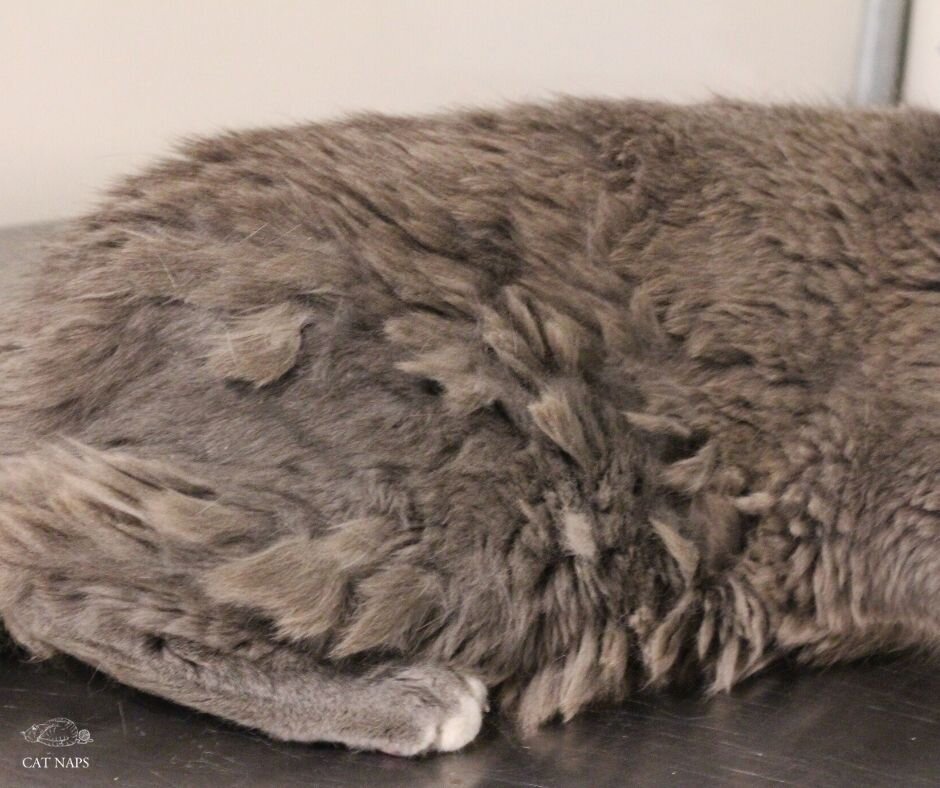
Credit: www.catnapscattery.com
Frequently Asked Questions
How To Safely Remove Matted Hair From A Cat?
Gently detangle matted hair using your fingers. Use a wide-tooth comb or mat splitter for tough knots. Trim severe mats carefully with blunt-tipped scissors. Reward your cat with treats to keep them calm. Consult a professional groomer or veterinarian if needed.
Should I Cut Off My Cat’s Matted Fur?
Consult a vet before cutting matted fur. Using scissors may harm your cat’s skin. Try detangling with a comb first. If mats persist, professional grooming is recommended for safety. Regular brushing prevents matting and keeps fur healthy.
Why Do Indoor Cats Get Matted Fur?
Indoor cats get matted fur due to lack of grooming, obesity, or underlying health issues. Their fur tangles easily, especially in long-haired breeds. Regular brushing and grooming help prevent mats. Ensure your cat maintains a healthy weight and consult a vet for any health concerns.
Why Is My Cat’s Fur Matted Into Clumps?
Matted fur occurs due to poor grooming, shedding, or dirt accumulation. Ensure regular brushing to prevent tangles. Check for health issues like arthritis or obesity that may hinder grooming. Consult a vet if mats persist or worsen, as underlying health problems could be the cause.
Conclusion
Caring for your cat’s coat is vital. Regular brushing prevents painful mats. Use gentle detangling techniques to ease the process. Patience is key during grooming sessions. Consider professional help for stubborn mats. Regular grooming keeps your cat happy and healthy.
It also strengthens your bond. Always check for any skin issues while grooming. Healthy skin means a happy cat. Use the right tools for better results. Cats love comfort, so make grooming a positive experience. Your effort helps maintain their comfort and well-being.
Keep your furry friend mat-free and content.