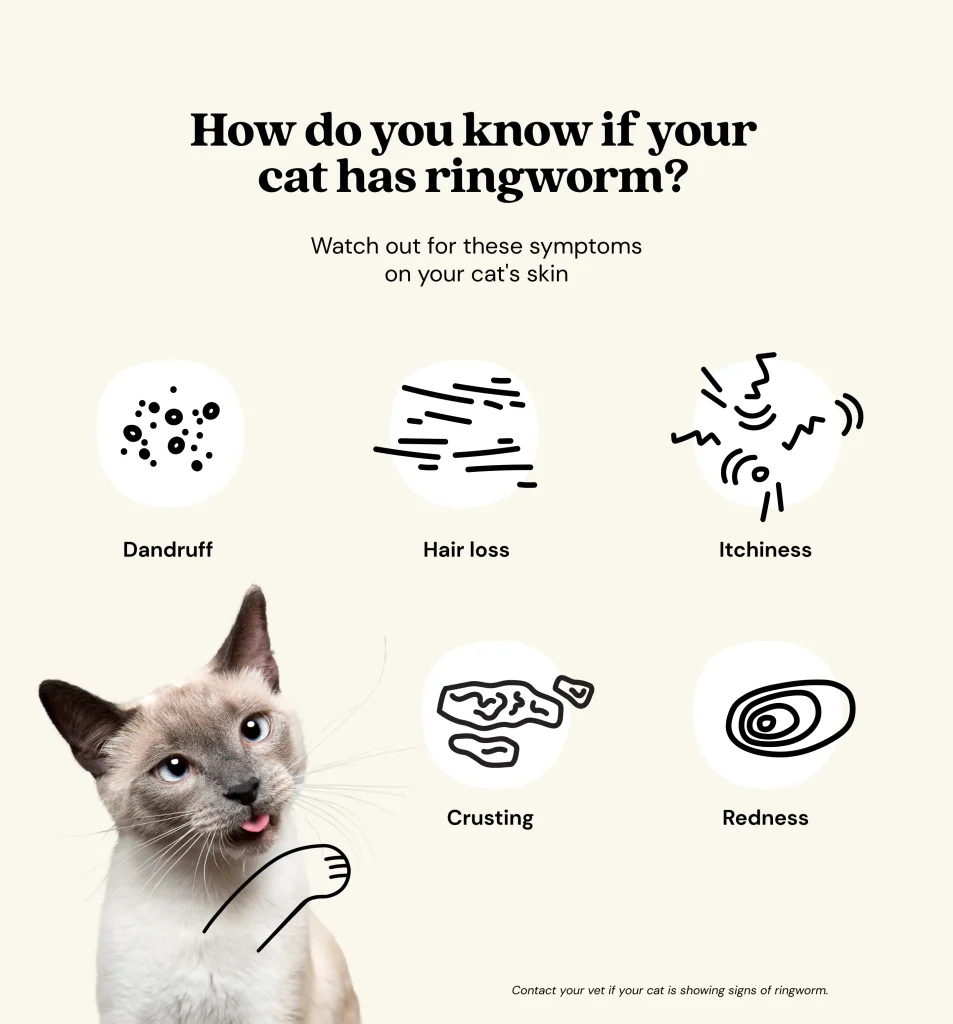
Is your cat scratching more than usual? Have you noticed circular patches of hair loss on its fur?
These could be signs of ringworm, a common fungal infection in cats. The thought of your beloved pet being uncomfortable can be distressing, but don’t worry—you’re not alone in this. Understanding how to treat ringworm on cats can not only help your furry friend recover faster but also prevent the infection from spreading to your home and family.
In this guide, you’ll discover simple, effective treatments and crucial tips to protect your cat and yourself. Keep reading to learn how to restore your cat’s health and your peace of mind.
Identifying Ringworm In Cats
Cats can suffer from ringworm, a common fungal infection affecting skin, hair, and nails. Identifying ringworm early helps in effective treatment and recovery. Observing your cat’s behavior and appearance is crucial. Understanding symptoms and causes aids in timely identification.
Common Symptoms
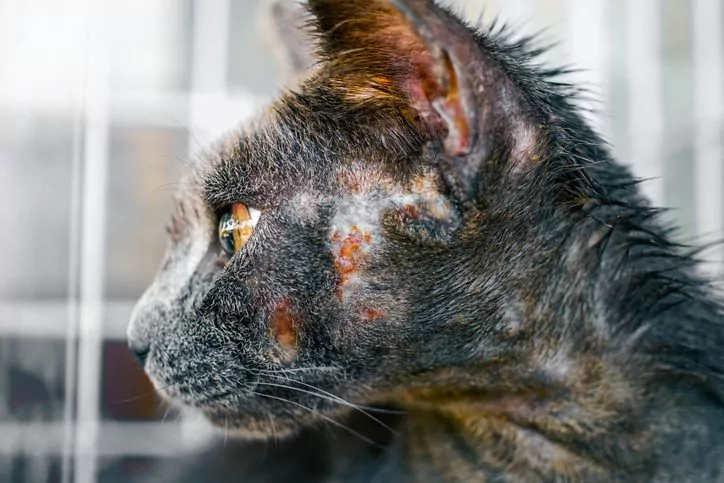
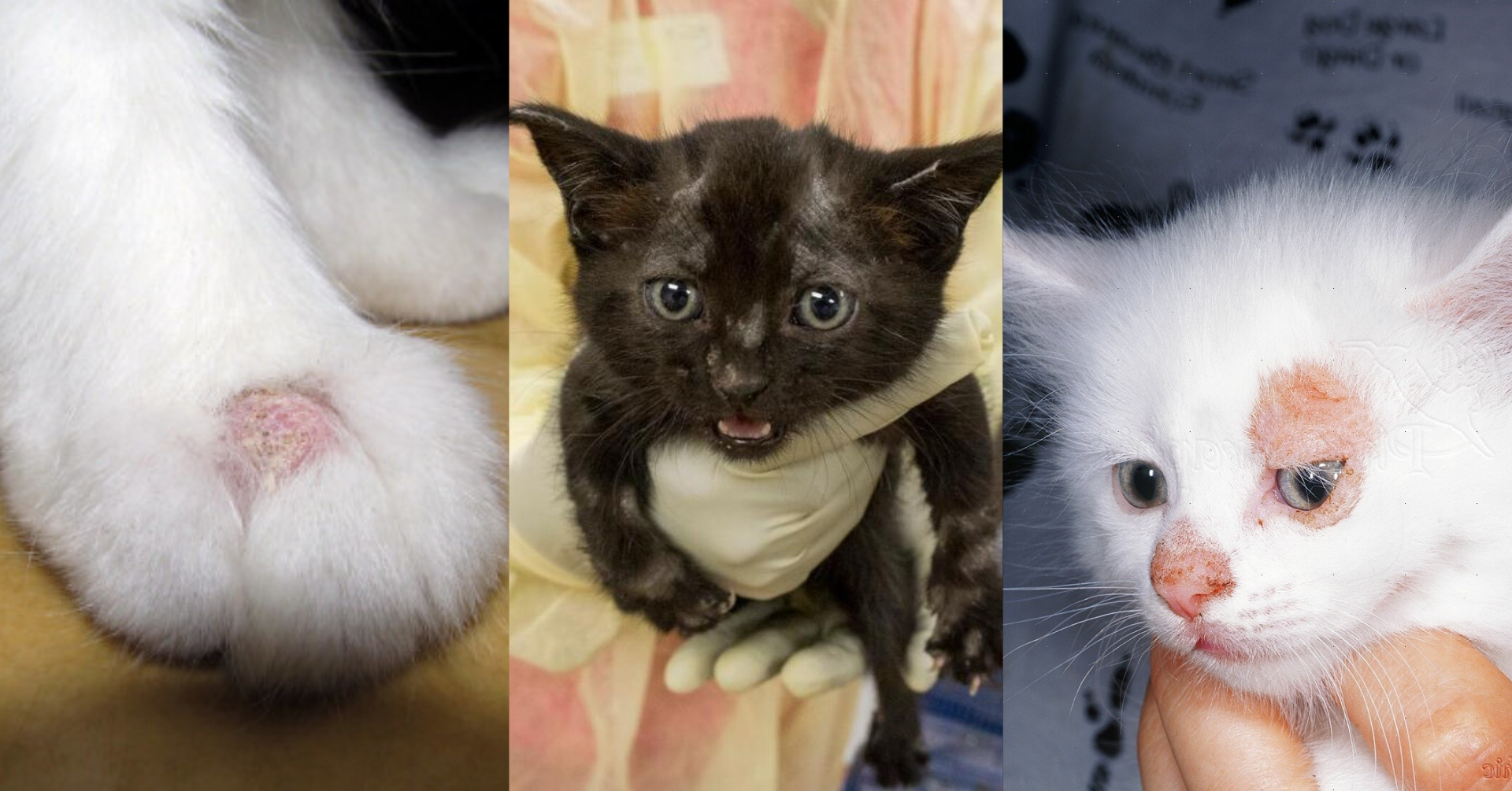
Ringworm in cats shows distinct signs. Look for circular bald patches. These patches are often red or scaly. Cats might scratch or lick these areas frequently. Hair loss can be prominent. Watch for broken hairs. Areas like the face, ears, and paws are common spots. Check for crusty skin or dandruff. Sometimes, nails might look brittle or distorted. If your cat seems uncomfortable, these could be signs.
Causes And Transmission
Ringworm is caused by a fungus, not a worm. It spreads easily between animals. Cats can contract it from infected animals or humans. Contaminated objects like bedding and grooming tools also transmit ringworm. High humidity environments aid fungal growth. Cats with weakened immune systems are more susceptible. Young kittens and older cats are at higher risk. Ensuring cleanliness and proper hygiene reduces transmission chances.
Precautions Before Treatment
Before treating ringworm in cats, certain precautions are essential. These steps protect both the cat and everyone in the household. Ensuring safety reduces the risk of spreading the infection. Proper care and hygiene can help manage the situation effectively.
Hygiene Practices
Start by washing hands after touching your cat. Use soap and warm water. Clean your cat’s bedding and toys regularly. Use hot water and a pet-safe detergent. Vacuum carpets and furniture to remove fungal spores. Dispose of the vacuum bag immediately to prevent contamination.
Preventing Spread To Humans And Other Pets
Isolate the infected cat from other pets. This minimizes the chance of spreading the infection. Keep children away from the infected cat until treatment is complete. Wear gloves when applying medication to your cat. This precaution helps prevent the fungus from reaching your skin.
Natural Antifungal Treatments
Ringworm in cats can be treated with natural antifungal remedies like coconut oil and apple cider vinegar. These gentle treatments can soothe the skin and promote healing. Regular application may help eliminate the fungal infection and prevent its spread.
Treating ringworm in cats naturally is an excellent option for pet owners who prefer using gentle remedies. Many cat owners have found success with natural antifungal treatments, reducing the need for harsh chemicals. These remedies are not only easy to find but also simple to apply. Let’s dive into two popular options: apple cider vinegar and coconut oil.Apple Cider Vinegar
Apple cider vinegar is a household staple with impressive antifungal properties. It’s a go-to remedy for many cat owners battling ringworm. You might be surprised at how effective it can be. To use apple cider vinegar, dilute it with equal parts water. This ensures it’s gentle on your cat’s skin. Dab the solution onto the affected areas using a cotton ball or soft cloth. Repeat this process twice daily. Regular application helps inhibit fungal growth. Have you ever tried apple cider vinegar for your own skin issues? It can be just as beneficial for your furry friend.Coconut Oil
Coconut oil is another natural remedy that works wonders. It’s not only antifungal but also soothing for irritated skin. Cats generally tolerate it well, making it a stress-free option for treatment. Simply apply a small amount of coconut oil directly to the ringworm patches. Use your fingers to gently massage it in. This helps the oil penetrate deeply and provides relief. Consider doing this once or twice a day. Watch as your cat’s skin improves over time. Have you noticed how coconut oil can also improve the texture of your skin or hair? It’s a versatile remedy with great potential. Natural treatments offer a gentle way to tackle ringworm. They can be effective without exposing your cat to harsh chemicals. Why not give them a try and see the positive impact they can have on your pet’s health?Herbal Remedies
Ringworm in cats can be distressing for pet owners. Herbal remedies offer a natural solution. They can soothe and heal affected skin. These remedies are gentle yet effective.
Aloe Vera Gel
Aloe vera gel is known for its soothing properties. It reduces inflammation and promotes healing. Apply a thin layer on the cat’s affected skin. Ensure the gel is pure and free from additives. Aloe vera can speed up recovery.
Tea Tree Oil
Tea tree oil is a powerful antifungal agent. It helps fight ringworm naturally. Dilute the oil with a carrier oil before use. Apply it gently to the infected area. Monitor your cat for any irritation. Tea tree oil can be a helpful herbal remedy.
Bathing Techniques
Ringworm in cats is a common skin infection caused by fungi. Bathing your cat is an essential step in treating ringworm. It helps remove fungi from the skin and fur. Proper bathing techniques can speed up the healing process.
Using Antifungal Shampoos
Antifungal shampoos are effective against ringworm. They contain ingredients that kill fungi. Choose a shampoo specifically designed for cats. Read labels carefully to ensure safety and effectiveness. Follow instructions on the bottle closely. Test the shampoo on a small area first. This checks for any allergic reactions.
Frequency And Method
Bathing frequency depends on the severity of the infection. Consult your vet for a recommended schedule. Generally, two to three times a week is common. Start by gently wetting your cat’s fur. Use warm water to avoid discomfort. Apply the antifungal shampoo and lather well. Focus on affected areas for thorough cleansing. Rinse thoroughly to remove all shampoo residue. Dry your cat with a clean towel. Keep your cat warm to prevent chills.
Credit: careyanimalhospital.com
Dietary Support
Ringworm in cats can be managed with dietary support. Boost your cat’s immune system with a balanced diet. Ensure essential vitamins and minerals to aid recovery and skin health.
Caring for a cat with ringworm can be challenging, but did you know that dietary support plays a crucial role in recovery? Ensuring your feline friend has a robust immune system and a balanced diet can expedite healing. Just like humans, cats benefit significantly from the right nutrients that help combat infections. Let’s delve into how dietary support can make a difference in treating ringworm in cats.Boosting Immune System
A strong immune system is your cat’s best defense against ringworm. A balanced diet rich in proteins can fortify your cat’s natural defenses. Consider providing high-quality cat food with no artificial additives, as these can sometimes weaken immunity. My cat, Luna, battled ringworm last year. By focusing on immune-boosting foods, I noticed a remarkable improvement in her condition. Have you checked the ingredient list on your cat’s food recently? Opt for foods rich in omega-3 fatty acids and antioxidants, as they support immune health.Nutritional Supplements
Adding nutritional supplements can also aid in your cat’s recovery from ringworm. Consult your vet about incorporating supplements like fish oil, which is known for its anti-inflammatory properties. Another option is probiotics, which promote healthy gut flora and enhance immunity. These can be easily mixed into your cat’s meals. Have you ever tried using supplements for your pet? If not, it might be time to start. Remember, a little extra nutrition goes a long way in ensuring your cat’s health and happiness. Always consult with your vet to tailor the best plan for your furry companion. By focusing on dietary support, you’re not just treating ringworm—you’re investing in your cat’s overall well-being. What changes can you make to your cat’s diet today to boost their health?Monitoring And Follow-up
Monitoring your cat’s recovery from ringworm is crucial. This ensures the treatment is effective and the infection is under control. Regular checks and follow-ups help track progress. They also help in identifying any issues early. This section focuses on how to monitor your cat’s recovery. It also guides you on when to seek professional help.
Signs Of Improvement
Look for visible changes in your cat’s skin. Healthy skin is a good sign. The hair should start regrowing in affected areas. Reduced redness and inflammation indicate healing. Your cat should scratch less. This means the irritation is subsiding. Keep an eye on their behavior. A happier cat often means improvement.
When To Consult A Vet
Consult a vet if you see no improvement in two weeks. If the infection spreads, seek help. New spots or worsening symptoms are concerning. Persistent scratching and discomfort need attention. Any signs of pain should not be ignored. A vet can adjust treatment if needed. Always trust your instincts. Early intervention is key.
Credit: www.coloradoanimalrescue.org
Preventing Future Infections
Preventing future ringworm infections in cats is crucial. It keeps your pet healthy and your home safe. Ringworm spreads easily. Once your cat is clear, it’s important to follow steps to keep it that way. Simple actions can make a big difference. This section guides you through important preventive measures.
Maintaining Clean Environment
Regular cleaning of your cat’s space is essential. Wash your cat’s bedding weekly. Use hot water. Disinfect your home regularly. Focus on areas your cat frequents. Vacuum your carpets and floors. It helps remove spores. Keep your cat’s litter box clean. Replace litter often. A clean environment reduces infection risk.
Regular Vet Check-ups
Schedule regular check-ups with your vet. Early detection helps in prevention. Your vet can spot signs of ringworm. They can offer advice on keeping your cat healthy. Maintain a good relationship with your vet. It ensures your cat receives the best care. Regular health checks are an investment in your cat’s well-being.

Credit: lolahemp.com
Frequently Asked Questions
How Can I Treat My Cat’s Ringworm Fast At Home?
Clean the infected area with antifungal shampoo. Use apple cider vinegar as a natural remedy. Apply coconut oil to soothe irritation. Keep your cat’s environment clean and dry. Consult a vet if symptoms persist.
Can Cat Ringworm Heal On Its Own?
Cat ringworm might improve without treatment, but professional care accelerates healing. It’s contagious and requires proper medical intervention to prevent spread. Consult a vet for treatment options to ensure effective recovery.
What Triggers Ringworm In Cats?
Ringworm in cats is triggered by fungi called dermatophytes. It spreads through direct contact with infected animals or contaminated objects. Stress, poor nutrition, and weakened immune systems increase susceptibility. Keeping your cat’s environment clean helps prevent infection.
Is It Safe To Touch A Cat With Ringworm?
Touching a cat with ringworm can spread the infection. Use gloves and wash hands thoroughly after contact. Ringworm is contagious, affecting humans and other animals. Seek veterinary advice for treatment to prevent further spread. Always maintain hygiene to reduce the risk of transmission.
Conclusion
Treating ringworm in cats requires patience and care. Always consult a vet first. Use prescribed medications consistently. Clean your cat’s environment regularly. This prevents reinfection. Monitor your cat’s progress closely. Notice any changes in their skin. Keep your cat isolated if needed.
This stops the spread to other pets. Maintain good hygiene yourself. Wash hands after handling your cat. Ringworm can spread to humans too. A healthy diet supports recovery. Ensure your cat gets proper nutrition. With these steps, your cat can recover.
Happy and healthy once again. Remember, you’re not alone in this. Help is always available.