If you’re a cat owner, your feline friend’s health is likely a top priority. But what happens when your cat is diagnosed with coccidia?
You might find yourself wondering, “Is coccidia contagious to other cats? ” It’s a question that can make any pet parent uneasy. The thought of one cat’s illness spreading to others in your household is troubling. To protect your furry family members, understanding the nature of coccidia is crucial.
We’ll dive deep into whether coccidia can spread among cats and what you can do to prevent an outbreak. You’ll gain peace of mind and the knowledge to keep your cats safe and healthy. So, let’s unravel the mystery of coccidia and learn how you can be the best guardian for your beloved pets.

Credit: www.petmd.com
What Is Coccidia?
Have you ever wondered about the tiny parasites that might be lurking in your cat’s digestive system? If so, you might want to learn about Coccidia. These microscopic organisms can sometimes cause serious health issues for your feline friend. Understanding what Coccidia is can help you protect your pet and keep your household safe.
Coccidia are single-celled organisms that live in the intestinal tract of animals, including cats. They are not visible to the naked eye but can cause noticeable symptoms. While many cats might carry Coccidia without showing any signs, others may suffer from diarrhea, weight loss, and dehydration.
These parasites are more common in kittens and cats with compromised immune systems. They thrive in environments with poor hygiene. Have you ever seen a stray cat? They often live in dirty surroundings, making them vulnerable to these parasites.
Consider the last time you cleaned your cat’s litter box. Did you notice any unusual changes in your cat’s stool? These could be signs of Coccidia infection. Regular cleaning and hygiene play a crucial role in preventing these pesky parasites.
Is Your Cat At Risk?
Ask yourself, how often does your cat interact with other animals? If your cat frequently shares spaces with other cats, the risk of contracting Coccidia increases. Do you have multiple cats in your household? It’s essential to monitor each of them for symptoms.
Even indoor cats can be exposed to Coccidia if they come into contact with infected fecal matter. Keeping your home clean and your cat’s environment sanitary can drastically reduce the risk.
How Can You Protect Your Cat?
Think about your cat’s daily routine. Do they spend time outdoors or in areas where other animals roam? Limiting exposure to potentially contaminated environments can help in prevention.
Consult your veterinarian regularly. They can test for Coccidia and provide you with advice tailored to your cat’s needs. If your cat shows any symptoms, seek professional help immediately.
Are you prepared to take proactive steps? Keeping your cat healthy requires vigilance and care. Regular vet visits, maintaining hygiene, and monitoring your pet’s behavior are practical measures you can adopt today.
So, what’s your next move? Ensuring your cat’s well-being might mean adjusting your daily routine. Are you ready to make those changes for the sake of your furry companion?
Credit: www.paparazzibengals.com
Symptoms In Cats
Coccidia can spread easily between cats. Infected cats may show symptoms like diarrhea, vomiting, and dehydration. Keep infected cats separate to prevent the spread of this parasite.
Understanding the symptoms of coccidia in cats is crucial for every cat owner. Recognizing these signs early can help you seek prompt treatment, ensuring your furry friend stays healthy. While coccidia is a common parasitic infection in cats, its symptoms can sometimes be subtle, making it easy to overlook.What Are The Common Symptoms?
Coccidia often causes gastrointestinal issues. You might notice your cat experiencing diarrhea, which could be mild or severe. If your cat has persistent diarrhea, it’s time to consult your vet. Cats with coccidia may also show signs of dehydration. Pay attention to whether your cat is drinking less water or appears lethargic. Dehydration can be dangerous, especially for kittens.Is Your Cat Losing Weight?
Unexpected weight loss is another symptom to watch for. If your cat is eating normally but still losing weight, this could be a red flag. Coccidia can prevent nutrients from being absorbed properly, leading to weight loss.Are There Signs Of Weakness?
A cat infected with coccidia might seem weaker than usual. You may notice less interest in play or activity. This lack of energy can be distressing for you and your pet.What About Vomiting?
Vomiting is not as common but can occur. If your cat is frequently vomiting, alongside other symptoms, it could indicate coccidia. Always monitor any changes in your cat’s digestive habits.Should You Be Concerned About Blood In Stool?
Seeing blood in your cat’s stool can be alarming. While it doesn’t automatically mean coccidia, it is a symptom that warrants a vet visit. Blood can sometimes appear due to irritation in the intestines. Have you noticed any of these symptoms in your cat? Recognizing these signs early can make all the difference. Always consult with your veterinarian to ensure the best care for your feline friend.Transmission Among Cats
Coccidia is a microscopic parasite that can cause significant health issues in cats, especially kittens. Understanding how coccidia spreads among cats is crucial for maintaining a healthy home environment. If you’ve ever wondered how your cats might transmit this parasite to each other, you’re not alone. Let’s dive into the key ways coccidia can move from one feline to another.
Direct Contact With Infected Feces
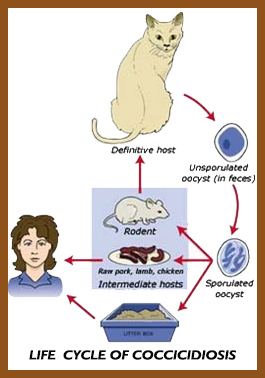
The most common way coccidia spreads is through direct contact with infected feces. Cats can easily pick up the parasite if they step on feces and later groom themselves. Have you noticed your cat sniffing around the litter box more than usual? This could be a risk factor for transmission. Keeping the litter box clean and ensuring your cats don’t have access to contaminated areas are practical steps you can take.
Shared Litter Boxes
Shared litter boxes can be a hotspot for coccidia transmission. If one cat is infected, the chances are high that others using the same box will be exposed. Do you have multiple cats sharing a litter box? Consider adding more boxes and cleaning them frequently. This reduces the risk and helps in controlling the spread of the parasite.
Contaminated Environment
It’s not just litter boxes that pose a threat. Contaminated areas like bedding or toys can also harbor coccidia. When was the last time you cleaned your cat’s favorite sleeping spot? Regularly washing items and disinfecting surfaces can minimize the risk of coccidia spreading in your home.
Outdoor Exposure
Cats that venture outdoors are more likely to encounter coccidia. They might come into contact with infected feces from other animals or in the soil. If your cat loves the outdoors, keep a close eye on their activities. You might want to consider limiting their outdoor time or supervising them to ensure they aren’t getting exposed to potential sources of infection.
Understanding how coccidia spreads among cats empowers you to take proactive measures. What steps are you willing to take to protect your feline friends? Implementing changes today can prevent health issues tomorrow, keeping your cats safe and healthy.
Risk Factors
Coccidia can spread between cats through contact with infected feces or contaminated environments. Young kittens and stressed cats are more vulnerable. Maintaining clean spaces and proper hygiene helps reduce the risk of transmission.
Understanding the risk factors for coccidia in cats is crucial if you want to keep your feline friends healthy. Coccidia are tiny parasites that can wreak havoc on a cat’s digestive system. While they’re not always a cause for panic, knowing what makes your cat vulnerable can help you take preventive measures.Environmental Exposure
Cats who roam outdoors or live in multi-cat households are more likely to contract coccidia. These environments increase the chance of coming into contact with infected feces. If your cat is an outdoor explorer, consider monitoring their activities and creating a clean space indoors.Age And Immunity
Kittens and older cats are at higher risk. Kittens have immature immune systems, and senior cats often have weakened defenses. Both groups should receive regular veterinary check-ups to catch any signs of coccidia early.Stress Levels
Did you know stress can make your cat more susceptible to parasites? Stress weakens a cat’s immune system, making it easier for coccidia to take hold. Simple changes like a new pet or moving house can elevate stress levels. Keeping a consistent routine can help reduce this risk.Hygiene Practices
Do you clean your cat’s litter box daily? Poor hygiene can increase the risk of coccidia spreading among cats. Make sure to wash your hands after cleaning the litter box and keep feeding areas clean. A little effort goes a long way in preventing infection.Diet And Nutrition
A balanced diet strengthens a cat’s immune system. Cats with poor nutrition are more prone to infections, including coccidia. Ensure your cat gets a high-quality diet tailored to their age and health needs.How prepared are you to manage these risk factors? By staying informed and proactive, you can minimize the chances of coccidia affecting your beloved pets. Would you take these steps to safeguard your cats’ health? Your actions today can make a significant difference.
Diagnosis Methods
Coccidia can spread easily among cats through infected feces. Diagnosing it involves examining the cat’s stool for parasites. Early detection helps manage the spread and protect other cats from infection.
Understanding how to diagnose coccidia in cats is crucial for preventing the spread of this infection. Accurate diagnosis ensures timely treatment and can save your cat from unnecessary discomfort. Knowing the right diagnostic methods can empower you to act quickly and decisively.Physical Examination
During a physical examination, your vet will check for visible symptoms like diarrhea or dehydration. They might ask about any recent changes in your cat’s behavior or diet. These observations are important initial steps to narrow down the possible causes.Fecal Testing
Fecal testing is a common method for diagnosing coccidia. The vet will collect a stool sample from your cat. They will then examine it under a microscope to detect the presence of coccidia parasites. This method is straightforward and effective.Stained Slides
Stained slides can provide a clearer view of the parasites. The vet uses special stains that highlight the coccidia organisms. This technique increases the chances of detecting even a small number of parasites. It’s a helpful tool when standard fecal tests don’t provide a definitive answer.Polymerase Chain Reaction (pcr)
PCR is a more advanced diagnostic method. It involves analyzing the DNA of the stool sample. This test can identify coccidia with high precision, even if the parasite count is low. It’s often used when other methods don’t yield conclusive results.Consulting With Veterinary Experts
Sometimes, consulting with a veterinary expert in parasitology might be necessary. This can be particularly useful if your cat has recurring infections. They can offer insights based on specialized knowledge and experience. Have you ever wondered why a thorough diagnosis is essential? It’s not just about confirming an infection; it’s also about ensuring the right treatment plan. Accurate diagnosis means less trial and error, saving time and stress for both you and your feline friend. Understanding these methods allows you to discuss options confidently with your vet. By being informed, you become an active participant in your cat’s health journey. Don’t wait for symptoms to worsen; early diagnosis is key to effective treatment.Treatment Options
Coccidia can spread easily between cats, especially in places where cats share litter boxes or food bowls. Treatment includes prescribed medications to eliminate parasites and supportive care to prevent dehydration. Early diagnosis and proper sanitation are crucial to control the infection and protect other pets.
When your feline friend is diagnosed with coccidia, it can be overwhelming to figure out the next steps. Thankfully, there are effective treatment options available that can help your cat recover and prevent the spread of this parasite to other pets. Understanding these treatments can not only ease your concerns but also ensure that your cat gets the best possible care.Medications
The primary treatment for coccidia involves anti-parasitic medications. Your vet will likely prescribe drugs like sulfadimethoxine or ponazuril. These medications work by killing the parasites and are typically given over several days. It’s crucial to follow the vet’s dosage instructions closely. Missing doses can lead to ineffective treatment and prolong the infection. Have you ever forgotten your own medication? Just like you, your cat’s health depends on consistency.Hydration And Nutrition
Cats with coccidia often suffer from diarrhea, leading to dehydration. Ensure your cat has plenty of fresh water available. Consider offering wet food to help maintain hydration. A balanced diet supports recovery. You may want to consult your vet about any dietary changes that could aid in your cat’s healing process. How does your cat respond to different foods? Observing their preferences can be key to encouraging them to eat during recovery.Environmental Management
Coccidia can spread through contaminated environments. Regularly clean your cat’s litter box and surrounding areas. Use a disinfectant that’s safe for pets to eliminate any lingering parasites. Are there areas of your home where your cat spends a lot of time? Pay extra attention to these spots to prevent re-infection. It’s amazing how a little extra cleaning can make such a big difference in your cat’s health.Regular Vet Check-ups
After treatment, follow-up vet visits are important to ensure the infection is fully cleared. Your vet might recommend stool tests to confirm that the coccidia are gone. Have you ever skipped a follow-up appointment? Just like humans, cats need these check-ups to catch any unresolved issues early. Staying proactive can save you and your cat a lot of trouble down the road. Treating coccidia is a process that involves medication, care, and vigilance. By understanding these treatment options, you can effectively support your cat’s recovery and keep your household healthy. What steps will you take today to ensure your cat’s wellness?Preventive Measures
Coccidia can spread easily among cats through infected feces. Cleaning litter boxes daily and sanitizing surfaces help reduce the risk. Keeping cats indoors and away from stray animals also minimizes exposure.
Preventing the spread of coccidia among cats is crucial to maintaining a healthy feline environment. Coccidia, a microscopic parasite, can easily jump from one cat to another, especially in multi-cat households. Implementing preventive measures not only protects your pets but also ensures peace of mind for you as an owner. Let’s explore some effective strategies to keep coccidia at bay.Isolation Of Infected Cats
When a cat is diagnosed with coccidia, the first step is to isolate the infected cat from others. This reduces the risk of the parasite spreading through shared spaces. Ensure the infected cat has a separate litter box and feeding area.Regular Cleaning And Sanitization
Daily cleaning of litter boxes is essential. Use a bleach solution to disinfect, as coccidia oocysts are resistant to most common cleaners. Consistently clean bedding and toys, too, to eliminate any lingering parasites.Maintaining A Clean Environment
A clean living space is vital. Vacuum floors and carpets frequently to remove any potential oocysts. Consider a steam cleaner for deep cleaning, as heat can destroy coccidia.Ensuring Proper Nutrition
A well-nourished cat has a stronger immune system, which helps in fighting off infections. Provide a balanced diet with quality cat food. Regular vet check-ups can ensure your cat is receiving the necessary nutrients.Monitoring Outdoor Exposure
If your cats enjoy outdoor adventures, monitor their activities. Limit access to areas where they might encounter feces from other animals. Create a safe outdoor space to minimize contact with potential sources of coccidia.Regular Vet Visits
Routine vet visits are a must. Early detection can prevent an outbreak in your home. Discuss preventive treatments with your vet, especially if you have multiple cats. Taking these steps can significantly reduce the risk of coccidia spreading among your cats. What changes will you make today to safeguard your feline friends?
Credit: www.petcarerx.com
Impact On Health
Understanding the impact of coccidia on your cat’s health can help you make informed decisions about their care. Coccidia, a type of parasite, primarily affects the intestines. It’s crucial to know how this condition can affect your feline friend and what signs to watch for.
Symptoms Of Coccidia Infection
When coccidia infects a cat, symptoms can range from mild to severe. You might notice diarrhea, which can sometimes be bloody. Other signs include vomiting and loss of appetite. These symptoms can lead to dehydration, making it essential to keep a close eye on your cat’s water intake.
Long-term Health Effects
If left untreated, coccidia can cause more serious health problems. Chronic diarrhea might lead to weight loss and nutrient deficiencies. This can weaken your cat’s immune system, making them more susceptible to other illnesses. Regular vet check-ups can help catch these issues early.
You can take steps to prevent coccidia infection in your cats. Ensure their living area is clean, and regularly wash their bedding. Keep an eye on their litter box, as coccidia can spread through feces. Consider whether your outdoor cats might be at higher risk and adjust their environment accordingly.
Importance Of Veterinary Care
Veterinary care is crucial in managing coccidia infections. A vet can prescribe medication to eliminate the parasites effectively. They can also offer guidance on diet changes to support your cat’s recovery. Don’t hesitate to contact your vet if you suspect your cat might be infected.
Have you ever had to deal with a sick pet? It can be heart-wrenching to see them suffer. But knowing what to look for and how to act can make all the difference. Keeping informed and proactive can ensure your cat lives a happy, healthy life.
Frequently Asked Questions
How To Clean After Coccidia In Cats?
Clean litter boxes with bleach and hot water. Wash pet bedding in hot water. Vacuum carpets and upholstery thoroughly. Disinfect floors and surfaces using pet-safe cleaners. Regular cleaning reduces the risk of reinfection.
How Do You Stop Coccidia From Spreading?
To stop coccidia, clean infected areas thoroughly. Remove feces promptly and disinfect surfaces. Wash pet bedding regularly. Ensure proper ventilation and maintain hygiene. Consult a vet for medication or treatment if necessary.
What Does Coccidia Poop Smell Like?
Coccidia-infected poop often has a strong, foul smell. This odor can be unusually pungent and noticeable. If you notice smelly feces in pets, it might indicate a coccidia infection. Always consult a vet for proper diagnosis and treatment.
How Long Does It Take To Cure Coccidia In Cats?
Coccidia in cats typically takes about one to two weeks to cure with proper treatment. Medication prescribed by a veterinarian is essential. Ensure your cat stays hydrated and maintains good hygiene. Follow the vet’s instructions precisely for effective recovery.
Conclusion
Coccidia can spread between cats, especially in close living spaces. Keeping litter boxes clean helps prevent this spread. Regular vet check-ups are crucial for early detection. Watch for symptoms like diarrhea in your cat. Swift action can stop the parasite from spreading.
Isolation of infected cats reduces risk to others. Understanding coccidia helps protect your furry friends. Knowledge and prevention are key. Always consult your vet for concerns. Your cat’s health and safety come first. Stay informed and proactive in their care.