
Have you ever wondered why your feline friend suddenly becomes more vocal or restless at certain times of the year? Understanding when cats go into heat is crucial for any cat owner.
This knowledge not only helps you manage your pet’s behavior but also aids in making informed decisions about their care and well-being. You’re about to discover the intriguing patterns of feline mating cycles and how they can impact your household.
Dive into this essential guide to unravel the mysteries of cat heat cycles and learn how to keep your furry companion comfortable and content.

Credit: teslaclub.sk
Cat Heat Cycle Basics
Understanding the cat heat cycle can be crucial for every cat owner. This natural process, known as estrus, signals that your feline friend is ready to mate. But when exactly does this happen? And how can you tell if your cat is in heat? Knowing the basics can help you provide better care and make informed decisions about your pet’s health.
What Is The Cat Heat Cycle?
The cat heat cycle is a recurring phase that female cats experience. It typically starts when they reach sexual maturity, usually around six months old. During this time, hormonal changes occur, prompting cats to seek a mate.
Most cats go into heat several times a year, mainly influenced by factors like daylight hours and seasonal temperature changes. This means you might notice your cat displaying heat behaviors more frequently during spring and summer.
How Long Does A Cat Stay In Heat?
A cat’s heat period usually lasts between 4 to 10 days. However, if a cat doesn’t mate, she may go back into heat after just a few weeks. Some cats can experience heat every few weeks, making it feel like a constant cycle.
Do you notice your cat being unusually vocal or restless? These are typical signs of being in heat. It’s essential to recognize them to manage your cat’s needs effectively.
Signs Your Cat Is In Heat
Look out for increased vocalization—your cat may seem louder or more persistent. This is her way of calling potential mates.
- Excessive grooming or licking of her genital area
- More affectionate behavior or rubbing against objects
- Attempts to escape and roam outside
These behaviors can be challenging but are a natural part of the cycle. How do you manage this? Consider keeping your cat indoors to avoid unwanted mating or consult your vet about spaying options.
Managing Your Cat’s Heat Cycle
Keeping your cat comfortable during her heat cycle is vital. Ensure she has a safe and quiet space to relax. Offer toys or activities to distract her and reduce stress.
Is your cat not spayed? Spaying is a permanent solution to prevent the heat cycle and its accompanying behaviors. It also helps reduce the risk of certain health issues.
Have you ever watched your cat’s behavior change with the seasons? Understanding the basics of the cat heat cycle can transform how you care for your feline companion. What steps will you take to keep your cat happy and healthy through these phases?
Seasonal Influences On Heat Cycles
Cats often go into heat based on seasons. The time of year affects their cycles. Understanding this can help cat owners prepare. Cat’s heat cycles are closely linked to daylight and temperature changes. This natural rhythm is vital for their reproductive health. In many regions, cats are more likely to enter heat during specific times.
In regions with distinct seasons, cats may have clear cycle patterns. Warmer months often trigger these cycles due to increased daylight. This is why many cats experience heat in spring and summer. Their bodies react to the changes in their environment. This natural response ensures better survival chances for kittens.
Understanding Daylight’s Role
Daylight plays a crucial role in cat heat cycles. Longer days signal their bodies to prepare for reproduction. These signals are strongest during spring and summer. Cats are more likely to go into heat during these times. This is a natural adaptation for their survival.
Influence Of Temperature
Temperature also affects cat heat cycles. Warmer weather often triggers these cycles. Cats in warmer climates may experience heat more frequently. Their bodies respond to the environment, ensuring optimal conditions for offspring.
Regional Variations
Different regions show varied heat cycle patterns. In colder areas, cats might enter heat later in the year. In tropical regions, they may have cycles throughout the year. Understanding these variations helps in predicting cat behavior.
Human Impact On Cycles
Indoor cats may experience different heat patterns. Artificial lighting and controlled temperatures can alter their cycles. These changes can make predicting cycles more challenging. Owners should be aware of these influences on their pets.
Signs Of A Cat In Heat
Spring and summer often mark the time for cats to go into heat. They become vocal and restless, seeking attention. Increased grooming and affectionate behavior signal this seasonal change.
Understanding the signs of a cat in heat is crucial for any cat owner. When a female cat is in heat, she displays specific behaviors that can be both intriguing and challenging. These signs indicate her readiness to mate and can significantly impact her and your daily life. By recognizing these signs, you can better manage her needs and maintain a peaceful home environment.Physical Changes
During the heat cycle, your cat’s body undergoes noticeable changes. You might observe her genitals becoming more swollen and sensitive. This physical alteration is a clear sign that she is in heat and ready to mate.Vocalization
One of the most unmistakable signs is increased vocalization. Your cat may start yowling or meowing loudly and frequently. This behavior is her way of attracting a mate. The sounds can be quite loud and persistent, often more intense at night.Increased Affection
Cats in heat often become more affectionate. She might rub against you, furniture, or other objects more than usual. This behavior is her way of seeking attention and comfort. How do you respond when your cat seeks extra affection?Changes In Posture
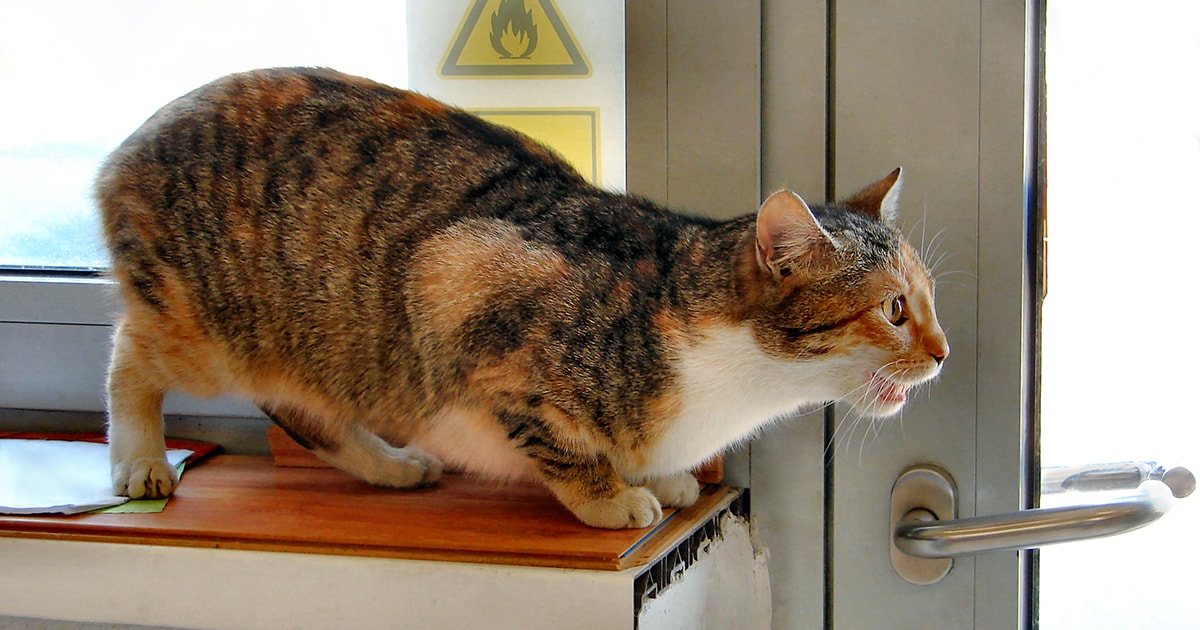
Watch for changes in her posture. Your cat may assume a mating position, with her hindquarters raised and tail to one side. This stance is a clear signal that she is ready to mate, and it might surprise you if you’re seeing it for the first time.Restlessness
A cat in heat often appears restless. She may pace around the house, unable to settle down. This restlessness is driven by her hormonal changes and the instinctive desire to find a mate. Can you create a calming environment to help ease her discomfort?Urine Marking
Be alert to any changes in her litter box habits. Some cats in heat start urine marking around the house. This behavior is a way to communicate with potential mates. It’s essential to address this promptly to maintain a clean home. Understanding these signs can help you provide the best care for your feline friend during this time. Each cat is unique, and learning her specific behaviors can strengthen your bond. Are you prepared to support your cat through her heat cycle?Breeding Season Patterns
Cats are fascinating creatures with unique breeding patterns. Understanding these patterns helps pet owners care for their feline friends. Cat breeding seasons are influenced by various factors. Light exposure plays a significant role. Knowing the timing can aid in managing their behaviors.
Understanding Breeding Seasons
Female cats, known as queens, experience heat cycles. These cycles are seasonal. They often start in early spring. Longer daylight triggers hormonal changes. This signals the start of their breeding season.
The Role Of Light
Light exposure affects a cat’s reproductive cycle. More daylight means more activity. Cats are sensitive to environmental changes. Increased light stimulates their hormonal system. This leads to the beginning of mating behaviors.
Seasonal Variations
Heat cycles vary depending on location. In warmer regions, cycles may start earlier. Cats in colder climates may have delayed cycles. Temperature and light both influence breeding patterns.
Heat Cycle Duration
A cat’s heat cycle lasts several days. Typically, it lasts between four and seven days. During this time, cats exhibit specific behaviors. These behaviors help identify their readiness to mate.
Behavioral Signs Of Heat
Cats in heat show clear signs. They become more vocal. Increased affection is common. Restlessness and unusual movements may occur. Recognizing these signs helps owners manage their cats effectively.
Impact Of Climate And Location
Understanding the impact of climate and location on your cat’s heat cycle can offer valuable insights and help you better prepare for this natural phase. Cats are influenced by their environment in fascinating ways, and where you live might affect when your cat goes into heat. So, let’s dive into how climate and location play a role in this cycle.
How Climate Affects Cat Heat Cycles
Climate can significantly impact the timing of a cat’s heat cycle. In warmer regions, cats may experience heat cycles more frequently due to increased daylight hours and temperature. This is because warm weather and longer days stimulate hormone production.
On the other hand, in colder climates, the heat cycle might be less frequent or delayed. If you live in an area with harsh winters, your cat may go into heat less often during the colder months. Have you noticed any changes in your cat’s behavior during different seasons?
Influence Of Geographic Location
Your geographic location plays a role in your cat’s reproductive cycle. Cats in tropical regions, where there’s less variation in daylight throughout the year, might exhibit a more consistent heat cycle. This can make planning for your pet’s care more predictable.
Conversely, in areas with distinct seasonal changes, cats might have fewer heat cycles during shorter days. If you reside in such a location, you might find your cat’s behavior shifting noticeably as seasons change. Are you prepared for these fluctuations?
Personal Experience: Observing Changes In My Cat
Living in a temperate climate, I noticed my cat went into heat more frequently during the spring and summer. The longer daylight hours seemed to energize her. I learned to anticipate this change and prepare accordingly.
Conversely, during the winter months, her heat cycles were less frequent, allowing us a respite from the intensity. Have you observed any similar patterns with your own cat? It’s intriguing how the environment can shape our pets’ natural rhythms.
Practical Tips For Managing Heat Cycles
- Track your cat’s cycles to predict changes in behavior. This helps in planning vet visits or arranging care.
- Consider spaying your cat to avoid dealing with heat cycles entirely. This can be a viable option if the cycles become too challenging.
- Provide comfort during this time by creating a calm environment. Use soothing music or a warm blanket.
How do you plan to adjust your approach based on your cat’s location and climate?
Credit: www.pdsa.org.uk
Managing Cats During Heat
Managing cats during their heat cycle can be challenging for cat owners. Understanding the changes and techniques can help. This period can be stressful. But with the right approach, it can be manageable.
Behavioral Changes
Cats in heat often become more vocal. Expect loud and frequent meowing. They may also become more affectionate. Rubbing against furniture or people is common. Restlessness and pacing are typical behaviors. These changes indicate their desire to mate. Owners should be aware of these signs.
Handling Techniques
Keeping a cat calm is important during heat. Provide a quiet space for them. Soft bedding and toys can help distract them. Use gentle strokes to soothe them. Avoid scolding or punishment. This can increase stress levels. Consider using pheromone diffusers. These can create a calming environment. Spaying is a long-term solution. It prevents future heat cycles. Consult a vet for advice on this option.
Veterinary Insights
Cats typically go into heat during spring and summer. Warmer weather and longer daylight hours trigger this cycle. Understanding this timing helps in planning for your feline’s care and needs.
Understanding the nuances of when cats go into heat can make a world of difference for pet owners. By gaining insights from veterinary professionals, you can better manage your cat’s needs and behaviors during these times. With the right knowledge, you can ensure your furry friend stays happy and healthy. Let’s dive into some expert advice.Understanding The Feline Estrous Cycle
Cats typically experience their first heat cycle, known as estrus, around six months of age. However, this can vary based on breed and individual health. A veterinarian can confirm when your kitten is likely to begin this cycle. The estrous cycle is influenced by daylight. Longer days in spring and summer often trigger heat cycles. This is why many cats go into heat between February and October.Signs Your Cat Is In Heat
Recognizing when your cat is in heat can help you prepare for their behavioral changes. Vets note that cats in heat often become more vocal and affectionate. You might notice your cat rubbing against furniture or you more frequently. Another sign is the classic “calling” behavior, where the cat emits a loud, drawn-out meow. This is a normal part of the cycle but can be challenging for owners to manage.Managing Behavioral Changes
During a cat’s heat cycle, they may attempt to escape outdoors to find a mate. To prevent this, ensure all windows and doors are securely closed. Consider providing extra playtime to help your cat burn off excess energy. Some owners find that comforting their cat with gentle petting or a warm blanket helps calm them. This can also strengthen your bond and provide reassurance.Health Considerations
Veterinarians often recommend spaying to prevent the challenges associated with heat cycles. Spaying not only eliminates heat behaviors but also reduces the risk of certain health issues, like uterine infections and breast tumors. If you choose not to spay your cat, regular veterinary check-ups become even more crucial. These appointments can help monitor your cat’s reproductive health and detect any potential issues early.Ask Your Vet
Your veterinarian is your best resource for questions about your cat’s heat cycles. Don’t hesitate to reach out with any concerns or curiosities. They can provide tailored advice specific to your cat’s breed and lifestyle. Is there a particular behavior you’re curious about? Or perhaps a tip you’ve found helpful during your cat’s heat cycle? Share your experiences and questions with your vet for personalized guidance. Veterinary insights offer valuable guidance in navigating your cat’s heat cycles. By staying informed and proactive, you can provide the best care for your feline companion.Preventive Measures
Cats usually go into heat during spring and fall. This period is known as the breeding season. To prevent unwanted litters, consider spaying your cat before these seasons start. Regular veterinary visits can help manage your cat’s reproductive health effectively.
Cats go into heat during warmer seasons. This is usually spring and early fall. This period can be challenging for cat owners. Cats may become more vocal and restless. Preventive measures can help manage this phase effectively.Spaying And Neutering
Spaying female cats prevents them from going into heat. It eliminates unwanted pregnancies. Neutering male cats reduces aggressive behaviors. It also prevents marking territory with urine. These procedures can be done by a veterinarian. They are safe and beneficial for your cat’s health. Spaying and neutering also help control the cat population.Environmental Adjustments
Adjusting the environment can calm a cat in heat. Keep your cat indoors during this time. This prevents encounters with other cats. Play with your cat more often. It helps reduce stress and excess energy. Provide a quiet space for your cat to relax. Using pheromone sprays can soothe your cat. Make sure your cat has enough water and food.
Credit: www.pdsa.org.uk
Frequently Asked Questions
What Months Do Cats Get In Heat?
Cats typically go into heat during spring and summer months. This period can vary based on climate and daylight. Most female cats experience multiple heat cycles from February to October. Regular veterinary check-ups can help manage and understand your cat’s reproductive health.
How Do You Stop A Cat From Heating?
Spay or neuter your cat to prevent heating. Ensure a calm environment and avoid exposing them to male cats. Consider consulting a veterinarian for hormonal treatments.
What Are The Signs Of A Cat Going Into Heat?
Cats in heat may become more vocal and affectionate. Increased restlessness is common. They may urinate more frequently and adopt mating postures. You might notice a raised hindquarters and excessive grooming. Female cats may try to escape outdoors. These behaviors signal your cat is ready to mate.
Is Being In Heat Painful For Cats?
Cats in heat may experience discomfort but not pain. They display restless behavior and vocalization. Providing comfort can help.
Conclusion
Understanding when cats go into heat helps pet owners prepare. Typically, cats experience heat cycles in spring and summer. Warmer weather and longer days trigger these cycles. During this time, female cats may act differently. They might meow more or seem restless.
Recognizing these signs is key. It helps in caring for your feline friend. Knowledge of their cycle ensures you provide the best care. You now know what to expect. This information aids in keeping your cat comfortable and healthy. Always consult a vet for specific concerns.
Your cat’s health is important. Stay informed and attentive.