Are you curious about what your cat might enjoy eating besides the usual cat food? You’re not alone!
Many cat owners wonder if their feline friends are missing out on other tasty treats. While cats often seem mysterious and independent, their dietary needs and preferences can be just as varied as ours. Understanding what else your cat can safely eat is not only intriguing but also important for their health and happiness.
Stick around as we explore surprising and safe options that might just make your kitty purr with delight.
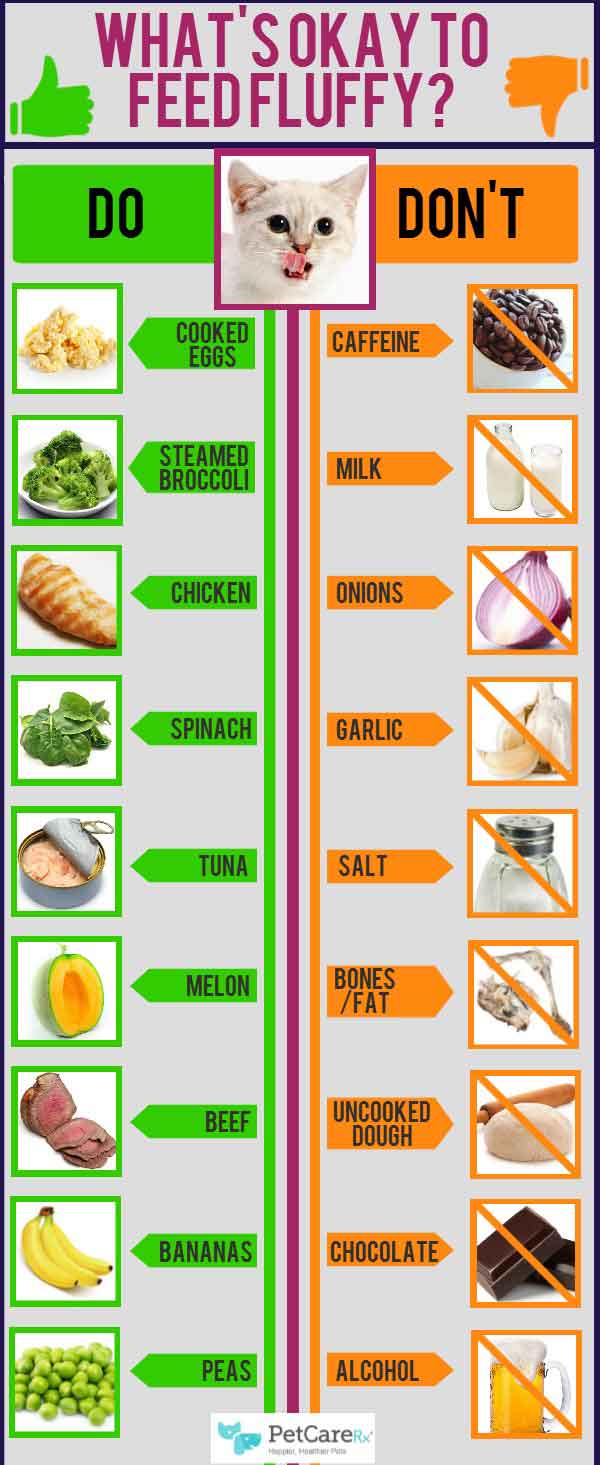
Credit: www.petcarerx.com
Natural Prey
Cats often hunt small animals like mice and birds as natural prey. They also enjoy insects and lizards. These creatures provide them with essential nutrients and satisfy their hunting instincts.
Cats, those fascinating little predators, have a natural instinct for hunting that goes beyond the cat food you provide. Natural prey is a crucial part of a cat’s diet in the wild, offering them a variety of nutrients and mental stimulation. While you may not see your indoor cat chasing down prey, understanding what they naturally hunt can offer insights into their nutritional needs and behaviors.Rodents And Small Mammals
Cats are excellent hunters of rodents and small mammals. Mice, rats, and even small rabbits form a significant part of a feral cat’s diet. If you’ve ever noticed your cat stalking a toy with intense focus, that’s their inner predator practicing the skills needed to catch these creatures. Rodents offer a protein-rich meal and are a natural source of taurine, an essential nutrient for cats. Have you ever wondered why your cat loves those squeaky toys? It’s because they mimic the sound of their natural prey.Birds
Birds are another target for cats in the wild. While not as easy to catch as rodents, birds provide an excellent source of nutrition. Birds can be a challenge for cats, requiring agility and patience. If your cat has ever brought you a feathery “gift,” it was likely practicing this sophisticated hunting technique. Watching a cat leap with grace at a feather on a string is a small-scale version of bird hunting.Insects
Though it might surprise you, insects are also on the menu for many cats. They are often more of a snack than a meal, but they can be packed with protein and are readily available. Think of the times your cat has chased a fly or pounced on a spider. These actions are not just playful antics but a demonstration of their instinct to hunt insects. Insects can also offer some entertainment and mental stimulation, keeping your cat engaged and active. Have you ever considered how these natural hunting behaviors might influence your cat’s dietary needs or play preferences? Understanding the prey that cats would naturally hunt can help you provide a more enriching environment for your furry friend.Home-cooked Meals
Cats enjoy variety in their diet beyond just cat food. Chicken, fish, and eggs can be delightful treats. These home-cooked meals provide nutrients and flavors cats love, making them healthier and happier.
If you’ve ever wondered what else your cat can munch on apart from store-bought cat food, home-cooked meals might be a delightful option. Preparing meals for your feline friend at home can be both rewarding and beneficial. Not only does it allow you to control the ingredients, but it also offers an opportunity to bond with your pet. Let’s dive into what makes a balanced home-cooked meal for your cat.Protein Sources
Cats are obligate carnivores, meaning their diet primarily requires protein from animal sources. Chicken, turkey, and fish like salmon are excellent choices. These meats can be cooked and served plain, without any seasoning or additives. Eggs are also a good protein source and can be scrambled or boiled. Ensure they are fully cooked to avoid any risk of salmonella. Occasionally, offering small amounts of liver can also be beneficial due to its rich nutrient content.Vegetables And Grains
While cats don’t need vegetables and grains as much as dogs do, these can still be part of a balanced diet. Cats can enjoy small amounts of cooked vegetables like carrots, peas, or green beans. These can provide fiber and essential vitamins. When it comes to grains, a bit of cooked rice or oatmeal can be included. These grains should be served in moderation, primarily to help with digestion and provide an energy boost.Balancing Homemade Diets
Creating a balanced homemade diet is crucial to ensure your cat gets all necessary nutrients. Cats need a mix of protein, fats, and minimal carbohydrates. Including a variety of meats and occasionally adding supplements can help achieve this balance. Consulting with a veterinarian before making any significant dietary changes is wise. They can guide you on the right proportions and any additional supplements your cat may need. Are you ready to try home-cooked meals for your cat? It’s a commitment, but the satisfaction of providing a tailored diet can be immensely rewarding.Raw Food Diets
Cats enjoy a variety of raw foods beyond their usual meals. Fresh meats like chicken or fish can be safe treats. Fruits and vegetables, such as small pieces of carrot or apple, might pique their curiosity.
Cats are natural carnivores, and some pet owners are shifting towards raw food diets to align with their innate eating habits. Feeding your cat raw food can offer a more natural and varied diet, potentially leading to numerous health benefits. However, it’s crucial to understand both the advantages and risks associated with this diet choice.Benefits Of Raw Feeding
Raw feeding can enhance your cat’s overall health. Many cat owners report improved coat condition and higher energy levels in their pets. Moreover, raw diets can be tailored to suit specific nutritional needs, allowing you to add or remove ingredients based on your cat’s health requirements. One common observation is the reduction in stool odor and volume, a change welcomed by many pet owners. Have you ever noticed any positive changes in your cat’s behavior or health after a diet switch?Risks And Precautions
While raw feeding has its benefits, it also carries risks. Raw meat can harbor harmful bacteria like Salmonella, which could make your cat sick. Cross-contamination is another concern; you need to maintain strict hygiene practices to protect both your pet and yourself. Consulting a veterinarian before starting a raw diet is vital. They can guide you on balancing nutrients to ensure your cat receives all essential vitamins and minerals.Common Raw Ingredients
Raw diets often include a variety of meats like chicken, beef, and turkey, which are rich in proteins. Some pet owners add organ meats such as liver and kidney, which are packed with nutrients. Additionally, bones are a common ingredient, providing calcium and aiding dental health. However, ensure they are safe and appropriate for your cat’s size. When considering a raw food diet for your cat, what ingredients do you think your feline friend would enjoy most?Commercial Alternatives
When you think of feeding your cat, traditional cat food might be the first thing that comes to mind. However, there are several commercial alternatives that can add variety and nutrition to your feline’s diet. These options not only cater to your cat’s taste buds but also offer a range of health benefits. Let’s dive into some of these commercial alternatives that you might consider offering your furry friend.
Freeze-dried Options
Freeze-dried cat food is a rising star in the pet food industry. It retains nutrients and flavor, making it an enticing option for cats. The freeze-drying process preserves the food without using artificial additives. Imagine your cat savoring a meal that tastes as fresh as the day it was prepared. Brands like Stella & Chewy’s and Primal offer a range of protein-rich freeze-dried choices. These meals are easy to store and serve, providing convenience for you and delight for your cat.
Dehydrated Meals
Dehydrated meals are another fantastic option if you’re looking for something more natural for your cat. These meals require you to simply add water to rehydrate the food, bringing it back to life in minutes. It’s a bit like cooking instant noodles, but for your cat. Dehydrated meals often contain whole foods and minimal processing, ensuring your cat gets a nutritious meal. Brands such as The Honest Kitchen offer dehydrated cat food that you can customize by adding proteins or veggies.
Organic And Natural Brands
If you’re considering organic or natural foods for your cat, the market is expanding with exciting choices. These products are free from synthetic chemicals and artificial ingredients, aligning with a more holistic lifestyle. What if you could ensure your cat’s meals are as clean and pure as your own? Brands like Newman’s Own and Organix provide organic options that prioritize quality ingredients. You’ll find meals crafted with organic chicken, vegetables, and grains, offering a wholesome dining experience for your cat.
With these alternatives, you can break the monotony of regular cat food and offer your pet something different. Have you ever tried giving your cat something outside the usual kibble or canned food? Consider experimenting with these options and observe how your cat responds. It might surprise you how much they enjoy these commercial alternatives!
Human Foods
Cats are curious creatures. They often show interest in human food. While their main diet should be cat food, some human foods are safe. Knowing which foods are safe and which to avoid is crucial. Let’s explore what human foods cats can eat.
Safe Human Snacks
Some human snacks are safe for cats. Cooked chicken is a favorite. It provides protein without harmful additives. Fish is another safe option. Ensure it’s cooked and free from bones. Small pieces of cheese can be a treat. Choose low-lactose varieties like cheddar. Eggs are also safe when cooked. They are rich in protein and easy to digest.
Foods To Avoid
Not all human foods are safe for cats. Chocolate is toxic and should be avoided. It can cause serious health issues. Onions and garlic are harmful. They can damage red blood cells. Grapes and raisins are dangerous. They can lead to kidney failure. Caffeine is also unsafe. It can cause heart problems and restlessness.
Moderation And Portion Control
Even safe foods need moderation. Cats have small stomachs. Overfeeding can cause obesity and health issues. Offer human snacks as occasional treats. Keep portions small and infrequent. Monitor your cat’s reaction to new foods. Look for signs of allergies or discomfort.
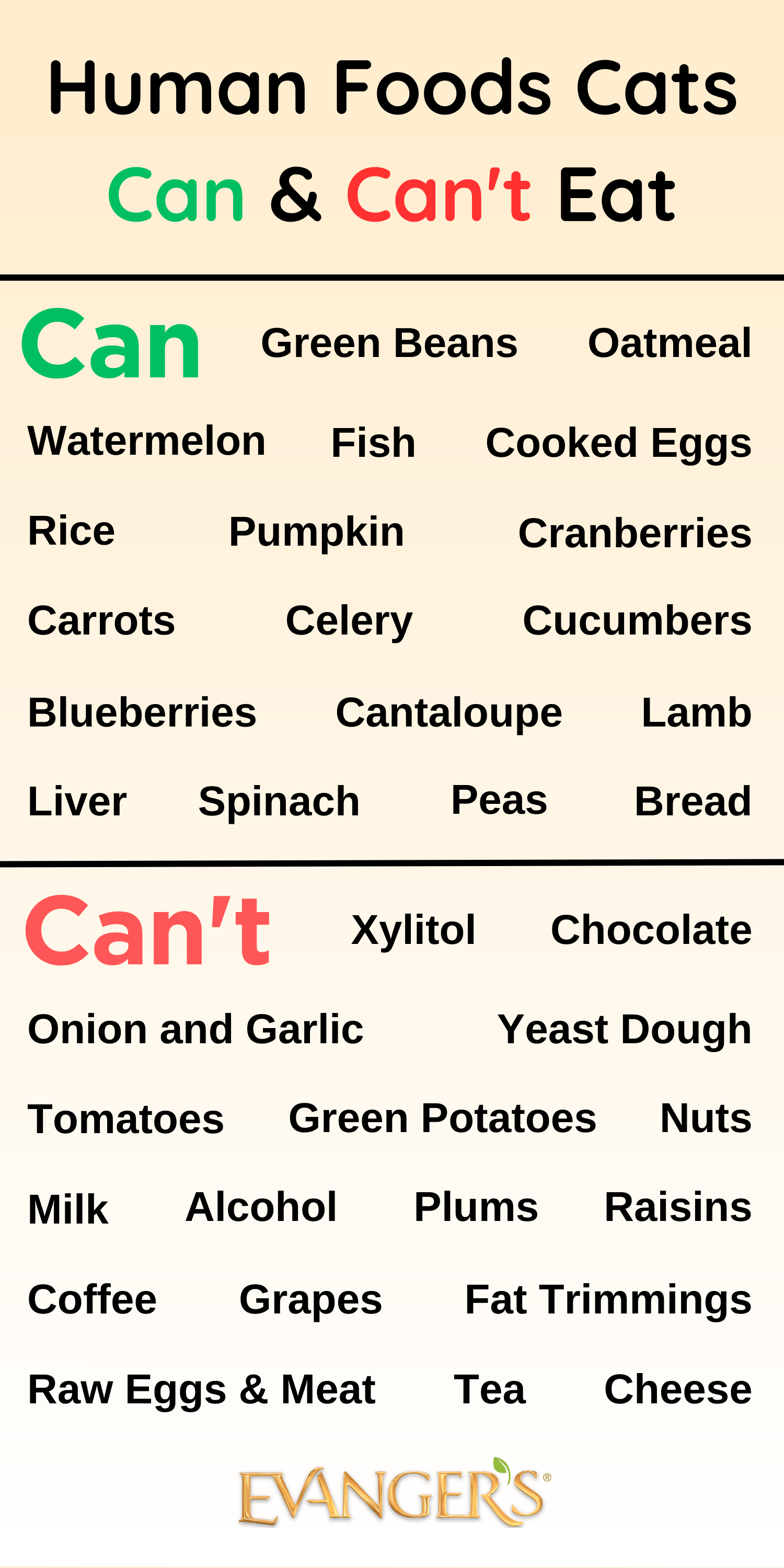
Credit: evangersdogfood.com
Supplemental Treats
Cats enjoy a variety of foods besides their regular meals. Small pieces of cooked meat or fish make a tasty treat. Some cats even nibble on certain vegetables like carrots or peas. Always ensure treats are safe and suitable for their diet.
Cats often crave variety in their diet. Supplemental treats offer them tasty options beyond standard cat food. These treats not only satisfy their taste buds but also provide additional nutrients. Offering different treats keeps your feline friend happy and healthy. Let’s explore some options.Healthy Treat Choices
Many cat owners opt for natural treats. Small pieces of cooked chicken or turkey are popular. These meats are low in fat and high in protein. Fish treats, like cooked salmon, are rich in omega-3s. These support a cat’s shiny coat and healthy skin. Vegetables like carrots or peas can also be given. Ensure they are cooked and given in moderation.Nutritional Supplements
Cats sometimes need extra nutrients. Nutritional supplements can fill this gap. Omega-3 oils support joint health and improve fur. Probiotics boost digestion and strengthen their immune system. Vitamin supplements can enhance overall health. Always consult a vet before adding supplements.Training Rewards
Training a cat? Use treats as rewards. Small, tasty bits motivate cats to learn new tricks. Choose treats they find irresistible. Soft treats are ideal as they are easy to eat. Keep these training sessions short and rewarding. This keeps your cat engaged and eager to learn. Offering your cat a variety of treats keeps them satisfied. Remember, moderation is key in supplementing their diet.Credit: www.lemon8-app.com
Frequently Asked Questions
What Do I Feed My Cat If I Don’t Have Cat Food?
Offer cooked chicken, turkey, or fish without seasoning. Provide plain rice or scrambled eggs. Ensure clean water is available. Consult your vet for guidance.
What Human Food Is Safe For Cats?
Cats can eat cooked chicken, turkey, and lean beef. Offer small amounts of plain rice and peas. Avoid onions, garlic, and chocolate. Always check with your vet before introducing new foods.
Can Cats Eat Anything Besides Cat Food?
Yes, cats can eat certain human foods like cooked chicken, fish, and small amounts of plain rice. Ensure these foods are free from seasonings, bones, and harmful ingredients. Always consult your veterinarian before introducing new foods to your cat’s diet to ensure their safety and health.
What Do Cats Naturally Eat?
Cats naturally eat small mammals, birds, and insects. They are obligate carnivores and require meat for nutrients. Their diet includes proteins, fats, and minimal carbohydrates. Wild cats hunt prey to meet their dietary needs. Domestic cats thrive on high-quality, meat-based food tailored to their nutritional requirements.
Conclusion
Cats enjoy a variety of foods beyond cat food. They love cooked chicken, fish, and turkey. Small portions of eggs can also be a treat. Some cats nibble on certain vegetables like carrots or peas. Remember, treats should be safe and in moderation.
Always ensure foods are safe for cats. Avoid chocolate, onions, and garlic. They can harm your furry friend. Every cat is unique. Monitor their preferences and reactions. Consult your vet for dietary advice. Keep your cat’s diet balanced and healthy.
Happy feeding!