How to Apply Cat Flea Treatment: Expert Tips & Tricks
Are fleas turning your cat’s life—and yours—into a restless nightmare? You’re not alone.
These tiny pests can invade your home, causing discomfort for your furry friend and frustration for you. But fear not! With the right approach, you can reclaim your space and ensure your cat stays itch-free and happy. In this guide, you’ll discover simple steps to effectively apply cat flea treatment.
By the end, you’ll feel confident and empowered, ready to put an end to the flea frenzy and give your cat the comfort they deserve. Keep reading, because the solution is at your fingertips, and it’s easier than you might think!
Credit: m.youtube.com
Choosing The Right Flea Treatment
Choosing the right flea treatment for your cat can feel overwhelming with so many options available. You want something effective yet safe for your furry friend. It’s all about finding a balance between efficacy and safety. But how do you make that decision? Let’s explore the types of flea treatments and what you should consider to ensure your cat stays healthy and comfortable.
Types Of Flea Treatments
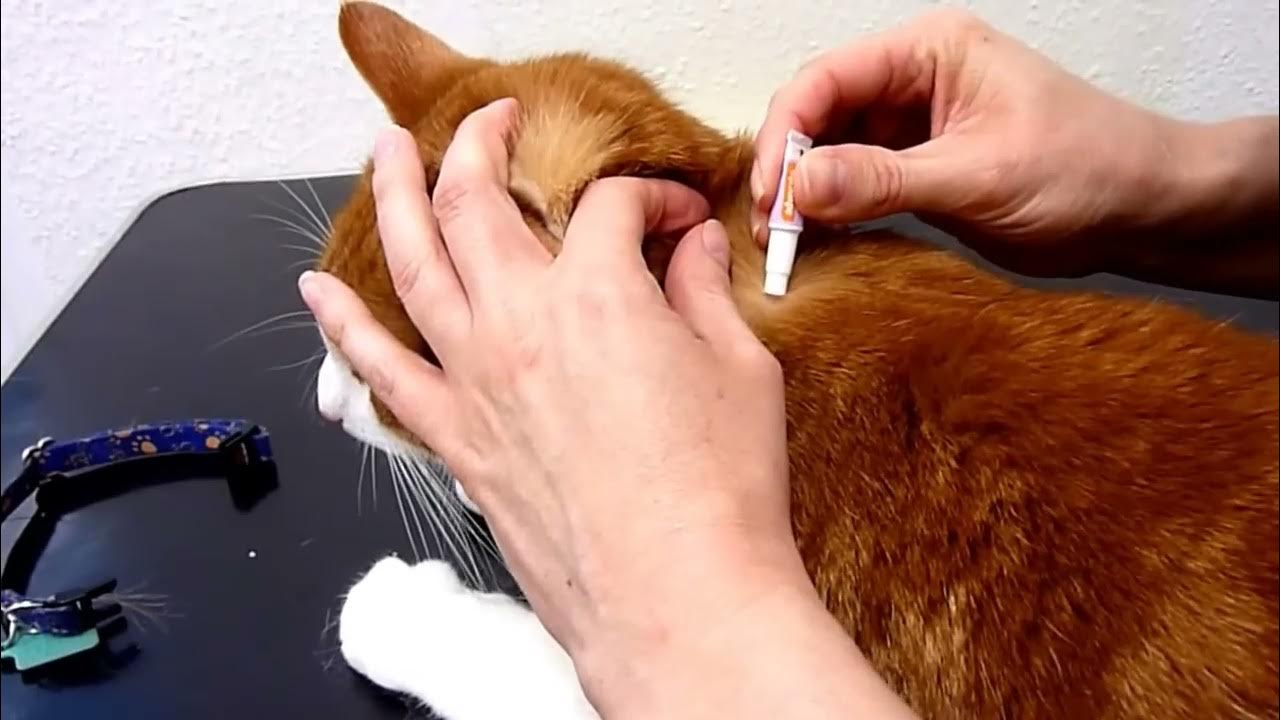
Flea treatments come in various forms, each with its unique benefits and application methods. Spot-on treatments are popular because they are easy to apply and offer long-lasting protection. They are applied directly to your cat’s skin, usually at the back of the neck.
Oral medications are another option. These are typically administered monthly and can be effective in breaking the flea lifecycle. Tablets might seem daunting, but many cats tolerate them well with a bit of practice.
Flea collars can provide extended protection, lasting several months. However, they might not suit all cats, especially those sensitive to wearing collars. It’s essential to ensure the collar fits properly to avoid discomfort.
Safety And Efficacy
Safety should be your top priority when selecting a flea treatment. Always check the product label for age and weight recommendations. Some treatments might not be suitable for young kittens or elderly cats.
Efficacy is equally important. A product might be safe, but if it doesn’t effectively eliminate fleas, your cat will continue to suffer. Research user reviews and consult your vet for recommendations. They can provide insights based on your cat’s specific needs.
Have you ever wondered if natural treatments could be an option? While some swear by essential oils and herbal remedies, these can sometimes pose risks. It’s crucial to have a vet confirm their safety before use.
Ultimately, choosing a flea treatment involves weighing several factors. You know your cat best, so consider their temperament, age, and health status. What works for one cat might not work for another. How will you decide what’s best for your feline friend?
Preparing Your Cat For Treatment
Gently calm your cat before applying flea treatment to ensure a stress-free experience. Part the fur to expose the skin, then apply the treatment directly for effective results. Always follow product instructions for your cat’s safety.
Preparing your cat for flea treatment ensures a stress-free experience. Cats can sense changes and may become anxious. A calm environment benefits both you and your feline friend. Preparation involves several simple steps. These steps help ease the process, ensuring your cat remains relaxed and comfortable.Calming Techniques
Create a peaceful atmosphere for your cat. Play soft music to soothe them. Speak in gentle tones and provide affection. Offer treats to create a positive association. Familiar scents help reduce stress. Use a calming spray or diffuser in the area. These techniques help keep your cat calm and cooperative.Gathering Necessary Supplies
Organize all treatment items beforehand. You will need the flea treatment product. Have a towel ready to wrap your cat, if needed. Keep a comb handy for checking fleas. Use gloves to protect your hands. A treat or toy can be used as a reward. Ensure everything is within reach before starting. This preparation saves time and reduces stress.Application Methods
Dealing with cat fleas can be a daunting task, but knowing how to apply treatment effectively is crucial. Have you ever wondered if you’re using the right method for your furry friend? With various application methods available, it’s important to understand each option’s strengths and how they best fit your pet’s needs. Let’s dive into the different ways you can tackle those pesky fleas.
Topical Treatments
Topical treatments are popular because they’re easy to apply. Simply part your cat’s fur and apply the solution directly onto the skin, usually between the shoulder blades. Have you noticed how your cat reacts when you apply it? Some cats barely flinch, while others may need a treat to calm down. The key is ensuring the medication reaches the skin and not just the fur. Many topical treatments start working quickly, and you might see a reduction in scratching within hours.
Oral Medications
Oral medications offer a convenient alternative to topical treatments. These are given by mouth, either in tablet or liquid form. Ever had trouble convincing your cat to swallow a pill? A little hack is hiding it in a tasty treat or mixing it with their favorite food. Oral medications can be powerful, providing protection from fleas for up to a month or more. These treatments often work from the inside out, attacking fleas at different stages of their lifecycle.
Flea Collars
Flea collars are a low-maintenance option that many pet owners prefer. They continuously release active ingredients that repel and kill fleas. Do you find putting on a collar easier than struggling with other treatments? Simply adjust the collar to fit snugly but comfortably around your cat’s neck. Many collars offer long-term protection, lasting several months. Plus, they’re ideal for cats who dislike topical or oral treatments.
Choosing the right method depends on your cat’s personality and lifestyle. Have you considered combining treatments for optimal protection? Share your experience and discover what works best for your feline friend.

Credit: petfriendlybox.com
Monitoring After Treatment
After applying cat flea treatment, keep an eye on your pet’s behavior and skin condition. Check for any signs of irritation or fleas. Regular grooming helps ensure the treatment’s effectiveness.
Monitoring after treating your cat for fleas is crucial. It’s not just about applying the treatment and hoping for the best. You need to observe how your cat responds, ensuring the treatment is effective and safe. This step is essential to ensure your cat’s comfort and health.Signs Of Improvement
After treatment, you should start noticing positive changes. Your cat might stop scratching incessantly, a clear indication of relief. You may also see fewer fleas in areas where your cat spends most of its time. It’s a good idea to check your cat’s fur regularly—part the hair and inspect the skin for flea dirt or bites. Is your cat more playful or relaxed? These can be subtle signs that the treatment is working. It’s rewarding to see your furry friend getting back to their usual self.Potential Side Effects
While flea treatments are generally safe, they can sometimes cause side effects. Keep an eye out for signs like excessive drooling, vomiting, or redness on the skin. If your cat seems unusually lethargic or distressed, this might be a reaction to the treatment. Have you noticed any changes in your cat’s behavior? If you suspect a negative reaction, consult with your vet promptly. It’s better to err on the side of caution. Your vet can suggest alternatives or provide additional care. Monitoring is not just about spotting issues—it’s about understanding your cat’s needs. How does your cat respond to the treatment? Does it bring comfort or cause irritation? Your observations will guide you in providing the best care.Preventing Future Infestations
Applying cat flea treatment effectively prevents future infestations. Use a vet-recommended product on your cat’s skin. Regularly vacuum and wash pet bedding to eliminate flea eggs.
Applying cat flea treatment is crucial to keeping your pet healthy. Preventing future infestations is just as important. Fleas not only cause discomfort for your cat but can also lead to skin infections. After treating your cat, focus on maintaining a flea-free environment. This requires regular cleaning and environmental control. Both steps are vital to ensure your home and pet remain safe from fleas.Regular Cleaning
Vacuum your home frequently to remove fleas and eggs. Pay special attention to areas your cat frequents. Wash your cat’s bedding in hot water weekly. This kills fleas and eggs hiding in the fabric. Clean carpets, rugs, and furniture regularly. Fleas often nest in these places. Use flea sprays or powders on carpets to deter fleas. These products help break the flea life cycle.Environmental Control
Control your environment to keep fleas at bay. Treat your yard with pet-safe insecticides. Fleas thrive in moist and shaded areas. Keep grass and shrubs trimmed to reduce flea habitats. Seal cracks and crevices in your home. Fleas can enter through small openings. Use flea traps in your home. They help monitor flea activity and reduce infestations. Regularly check your cat for fleas. Early detection prevents infestations from worsening.Consulting With A Veterinarian
Consulting with a veterinarian ensures the safe application of cat flea treatment. Veterinarians offer guidance on selecting the right product. Proper application techniques help prevent discomfort and ensure effectiveness.
Consulting with a veterinarian is a crucial step when considering cat flea treatment. While there are numerous products available over the counter, a vet provides expert guidance tailored to your cat’s specific needs. Their experience and knowledge ensure that your furry friend receives the most effective and safe treatment.When To Seek Professional Help
Not all flea infestations are created equal. If your cat is scratching excessively, has visible fleas, or shows signs of skin irritation, it’s time to consult a vet. Additionally, if your cat is young, elderly, or has existing health issues, professional advice becomes even more essential. Consider the severity of the infestation. Is your home infested as well? A veterinarian can help you develop a comprehensive plan to tackle the issue effectively. Sometimes, you might think a situation is manageable, but a vet can identify underlying problems that aren’t obvious.Questions To Ask
When meeting with a veterinarian, be prepared with questions that will help you make informed decisions. Ask about the safest and most effective flea treatments for your cat’s age and weight. Inquire about potential side effects and how to recognize them. Don’t hesitate to ask about alternative treatments. There might be natural or less conventional options that suit your lifestyle better. If your cat has previously reacted to treatments, discuss this to avoid repeating past mistakes. Think about your long-term strategy. How can you prevent future infestations? A vet can offer insights on preventative measures, such as regular grooming routines or environmental controls in your home. Engage with your vet as a partner in your cat’s health. Their expertise, combined with your proactive approach, ensures the best outcome for your feline companion. What other questions might you ask a professional to ensure you’re taking the best possible care of your pet?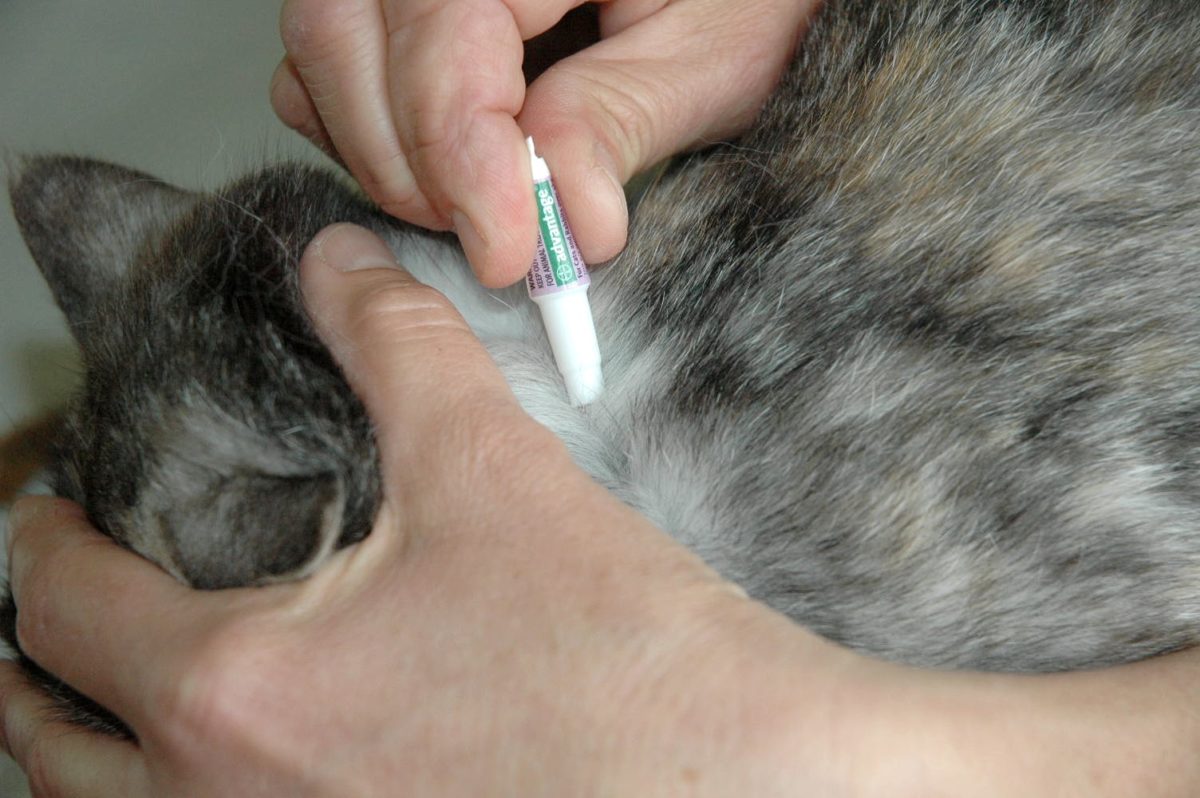
Credit: friendswithtales.co.nz
Frequently Asked Questions
What Is The Best Way To Put Flea Medicine On A Cat?
Apply flea medicine between the cat’s shoulder blades. Part the fur to expose the skin. Squeeze the contents directly onto the skin. Ensure the product doesn’t spread onto the fur. Avoid touching the area until it dries. Follow package instructions for the correct dosage and frequency.
Can I Apply Flea Treatment To A Wet Cat?
Avoid applying flea treatment to a wet cat. Dry fur ensures proper absorption and effectiveness. Check product instructions for specific guidelines. Always consult your veterinarian for advice on flea treatment application. Proper timing ensures your cat’s safety and health.
How Long To Not Touch A Cat After Flea Treatment?
Avoid touching your cat for 24 to 48 hours after flea treatment. This allows the medication to absorb fully into their skin. Always follow the specific instructions provided on the product label for the best results and safety.
Are You Supposed To Rub In Flea Medicine?
Do not rub flea medicine into your pet’s skin. Apply it directly as directed by the product instructions. Rubbing can cause irritation and reduce effectiveness. Ensure the medicine stays on the skin surface for optimal protection against fleas. Always follow the manufacturer’s guidelines for best results.
Conclusion
Applying cat flea treatment is essential for your pet’s health. Ensure you follow the instructions carefully. This keeps your cat safe and flea-free. Always choose a treatment suitable for your pet’s needs. Consult a vet if you’re unsure. Regular checks and treatments prevent flea infestations.
A happy cat means a happy home. Stay consistent with your flea control routine. Your pet deserves the best care and attention. Remember, prevention is key. Protect your cat today and enjoy peace of mind. Healthy pets lead to a joyful life.