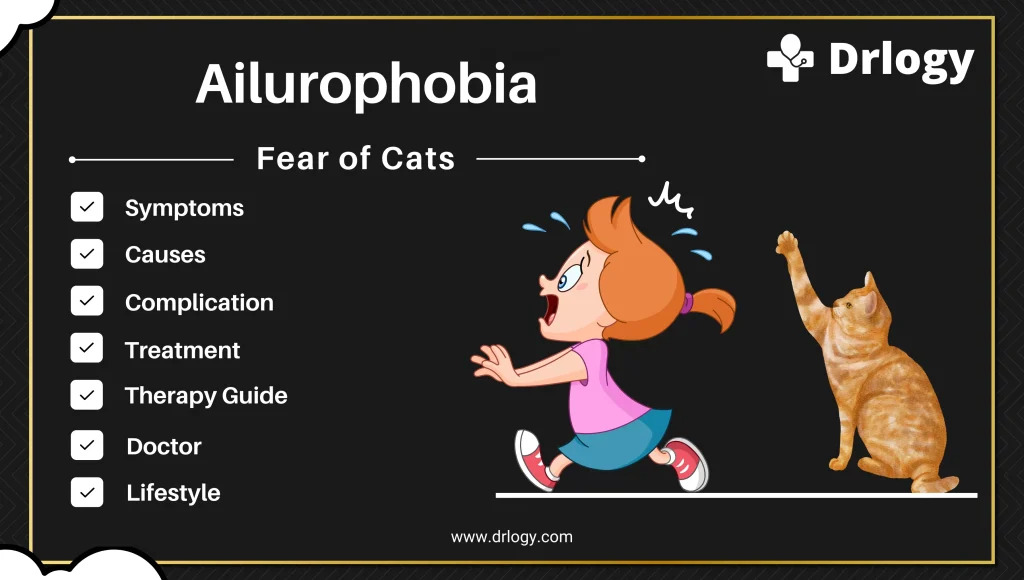
Imagine walking into a room and feeling your heart race at the mere sight of a cat. For some, this isn’t just a quirky fear but a real phobia.
If you’ve ever felt an inexplicable dread when faced with a feline friend, you might be experiencing what’s known as Ailurophobia. But why do some people have this fear, and how does it manifest? Understanding this unique phobia could be the key to overcoming it or helping someone you care about.
We’ll explore everything you need to know about Ailurophobia, from its causes to potential solutions. Dive in and discover how to transform fear into understanding. You might just find the insight you’ve been searching for!

Credit: www.fearof.net
Defining Ailurophobia
Have you ever wondered what it means to have a fear of cats? This specific phobia is known as ailurophobia. It’s not just about being uncomfortable around cats; it’s a condition that can affect daily life and relationships. Some people might avoid visiting friends or family who own cats, while others might feel anxious even seeing a cat in a picture or on TV.
Understanding Ailurophobia
Ailurophobia is more than just a dislike for cats. It is a genuine fear that can trigger panic attacks and intense anxiety. The word ‘ailurophobia’ comes from the Greek ‘ailuros’, meaning cat, and ‘phobos’, meaning fear.
Individuals with ailurophobia might experience symptoms such as shortness of breath, rapid heartbeat, or even dizziness when they encounter a cat. These reactions are involuntary and can be quite distressing.
Common Causes Of Ailurophobia
What leads someone to develop ailurophobia? Past experiences can play a significant role. A traumatic encounter with a cat in childhood might leave lasting impressions. Sometimes, it’s not direct experiences but rather stories or myths that contribute to this fear.
Social influences can also be a factor. If you grew up in an environment where cats were portrayed negatively, it could shape your perception and lead to fear. Understanding these causes can be the first step toward addressing and overcoming this phobia.
Coping With Ailurophobia
Living with ailurophobia can be challenging, but there are ways to manage it. One approach is gradual exposure therapy, where you slowly introduce yourself to cats in a controlled setting. This can help reduce fear over time.
Professional help is another option. Therapists can offer techniques to manage anxiety and fear. Cognitive-behavioral therapy is particularly effective for phobias like ailurophobia. Have you considered how understanding your fear might help you cope better?
A Personal Perspective
Imagine visiting a friend who has a cat. You might feel your heart racing and your palms sweating just thinking about it. Sharing your concerns with your friend could lead to supportive solutions, like keeping the cat in another room during your visit.
Have you ever felt embarrassed about your fear? You’re not alone. Discussing your experience can help relieve the stress and anxiety. It can also open up conversations about similar fears others might have.
Addressing ailurophobia is about understanding and overcoming fears. Whether through personal strategies or professional help, you can find ways to lead a more comfortable and fear-free life. What steps will you take today to begin overcoming your fear of cats?
Symptoms Of Ailurophobia
Fear of cats, called ailurophobia, causes anxiety and panic near cats. Common symptoms include sweating, rapid heartbeat, and dizziness. Some may experience difficulty breathing or an urge to escape. This intense fear can disrupt daily life and social interactions.
Understanding the symptoms of ailurophobia, or the fear of cats, can help you or someone you know manage this anxiety. It’s more than just a dislike for cats; it’s a genuine fear that can affect daily life. Recognizing the signs is the first step toward addressing and overcoming this phobia.Physical Symptoms
When a person with ailurophobia encounters a cat, their body may react intensely. You might notice sweating, trembling, or even a racing heartbeat. These physical symptoms can be alarming, but they are your body’s natural response to fear.Emotional Reactions
The fear of cats can trigger strong emotional responses. You may feel an overwhelming sense of dread or panic at the thought of encountering a cat. This can lead to anxiety even when no cats are present, impacting your peace of mind.Avoidance Behavior
People with ailurophobia often go to great lengths to avoid places where cats might be. You might find yourself skipping social gatherings at a friend’s house who owns a cat. This avoidance can limit your experiences and affect your social life.Cognitive Symptoms
Your thoughts can be dominated by a fear of cats, even when you’re not near one. You may constantly worry about encountering a cat or obsess over past negative experiences with them. These intrusive thoughts can be exhausting and distressing.Impact On Daily Life
The fear of cats can affect various aspects of your life. You might avoid visiting certain neighborhoods, parks, or stores. This phobia can even influence your decisions about where to live, work, or travel, all in an attempt to stay away from cats. Understanding these symptoms can make ailurophobia feel less isolating. Have you ever adjusted your routine just to avoid something you’re afraid of? Recognizing these behaviors is key to finding solutions and regaining control.Causes Of Fear
Ailurophobia is the term for fear of cats. This fear may stem from negative past experiences or cultural beliefs. People with ailurophobia might feel anxious or avoid places where cats are present.
Feline fears, or ailurophobia, can arise from various causes. Understanding these causes helps in addressing this phobia. Let’s explore some common reasons behind this fear.Traumatic Experiences
Past traumatic events can trigger a fear of cats. A childhood incident like a scratch can linger in memory. Negative experiences create lasting impressions. These lead to anxiety around cats. Even witnessing someone else’s distress can cause fear.Cultural Influences
Cultural factors also play a role in fear of cats. In some cultures, cats are linked with superstitions. Black cats, for example, are seen as bad luck in certain traditions. These beliefs can instill fear. Stories passed down amplify this fear over time.Genetic Factors
Genetics might contribute to phobias, including fear of cats. Some people are more prone to anxiety. A family history of phobias increases the likelihood. Genetics can influence how individuals react to fears. It makes certain fears more prevalent in families. `
Credit: www.hillspet.com
Psychological Impact
Understanding the psychological impact of ailurophobia, or the fear of cats, can be crucial for those experiencing it. This fear can deeply affect emotional well-being and daily routines, often leading to stress and anxiety. Recognizing these impacts can be the first step towards managing and overcoming this phobia.
Emotional Responses
People with a fear of cats may experience intense emotions when they encounter a feline. You might feel overwhelming anxiety or panic in their presence. Some even describe physical reactions such as a racing heart or sweating.
This fear can trigger a fight-or-flight response. The sight of a cat could lead to immediate avoidance or withdrawal from the situation. These emotional responses can sometimes feel out of control, impacting your ability to enjoy everyday activities.
Effects On Daily Life
Ailurophobia can influence various aspects of daily life. Consider how avoiding places where cats might be can limit social interactions. You might skip visiting friends who have cats or avoid outdoor spaces where stray cats are common.
Think about the stress of unexpected encounters, like spotting a cat while walking or seeing them in public spaces. This can lead to heightened vigilance, constantly scanning environments for cats.
How often have you rearranged plans or altered routines to avoid these animals? These adjustments can be exhausting and limit your freedom, highlighting the significant impact this fear can have on daily life.
Addressing the psychological impact of ailurophobia involves understanding these emotional and daily life challenges. By recognizing these effects, you open the door to strategies that can help manage and reduce fear. Have you considered seeking professional help or practicing exposure therapy? Small steps can lead to big changes in overcoming this fear.
Diagnosis Process
A fear of cats is called Ailurophobia. Identifying this phobia involves recognizing symptoms such as anxiety or panic near cats. A mental health professional may conduct interviews and questionnaires for accurate diagnosis. Understanding the fear’s origin helps in creating an effective treatment plan.
The diagnosis process for ailurophobia, the fear of cats, is crucial in understanding and addressing this specific phobia. Many people experience a range of emotions when faced with cats, from mild discomfort to intense fear. Understanding the diagnosis process can help you overcome this fear and lead a more peaceful life.Understanding Symptoms
Recognizing symptoms is the first step in the diagnosis process. Do you feel panic, dread, or intense anxiety at the sight of a cat? Physical symptoms like sweating, trembling, or a racing heart are common. Take note of how your body reacts. Are your fears affecting your daily activities or relationships? Understanding your symptoms helps pinpoint the severity of your phobia.Consulting A Professional
Seek advice from a mental health professional. They can offer insights into your fear and guide you through the diagnosis process. A psychologist or psychiatrist will typically conduct interviews and assessments to understand your condition better. Have you considered sharing your experiences with them? Discussing personal stories can reveal the root of your fear, whether it’s a past traumatic event or an unexplained dread.Assessment Techniques
Professionals may use various assessment techniques to diagnose ailurophobia. These can include questionnaires, behavioral observations, and self-reports. Imagine filling out a survey about your fear. It might ask how often you encounter cats and your emotional response to them. These tools are designed to measure the intensity and impact of your phobia.Developing A Diagnosis Plan
Once diagnosed, developing a plan to manage your fear is crucial. This might involve therapy, medication, or self-help strategies. Are you ready to face your fear head-on? Consider cognitive-behavioral therapy (CBT), which can help change your thought patterns. Exposure therapy might gradually introduce you to cats in a controlled environment, reducing fear over time.Reflecting On Personal Experiences
Reflect on how this fear has impacted your life. Have you avoided social gatherings where cats might be present? Sharing these stories with a professional can provide clarity and direction. Are you open to trying new strategies to manage your phobia? Personal experiences can be a powerful motivator, showing you the benefits of overcoming your fear. The diagnosis process for ailurophobia involves understanding symptoms, consulting professionals, using assessment techniques, and developing a plan. Are you ready to take the first step towards conquering your fear of cats?
Credit: www.tapovanvidhyalay.in
Treatment Options
Ailurophobia, the fear of cats, can be overwhelming. Treatments include therapy, relaxation techniques, and gradual exposure. These methods help manage anxiety and ease discomfort around cats.
Understanding the treatment options for a fear of cats, also known as ailurophobia, can be a critical step toward overcoming this often overwhelming fear. It’s essential to know that you’re not alone, and there are effective strategies available to help. Let’s explore some practical and actionable insights to guide you on your path to managing this phobia.Therapy Techniques
Therapy can be a powerful tool in addressing ailurophobia. Cognitive Behavioral Therapy (CBT) is particularly effective, helping you identify and change negative thought patterns. Exposure therapy is another technique, where you’re gradually exposed to cats in a controlled environment to lessen your fear over time. Imagine the relief of seeing a cat and not feeling that familiar pang of anxiety! A friend of mine used guided imagery as part of her therapy. She started by visualizing a peaceful interaction with a cat, which gradually made her more comfortable with real-life encounters. Could this imaginative approach work for you too?Medication
Sometimes therapy alone might not be enough, and that’s okay. Medication can be an option to reduce anxiety symptoms associated with ailurophobia. Anti-anxiety medications or antidepressants may be prescribed by a healthcare provider. Discussing your symptoms openly with a doctor can lead to a personalized treatment plan. Remember, medication isn’t a long-term solution, but it can be a helpful aid as you work through your fear in therapy.Self-help Strategies
Taking steps on your own can be empowering. Start by learning about cats and their behavior, which can demystify them and make them seem less intimidating. You might even volunteer at a local animal shelter to gain exposure in a safe setting. Breathing exercises and mindfulness can also be beneficial. Practicing deep breathing when you feel anxious around cats can help calm your nerves. Have you tried visualizing a peaceful place while breathing deeply to ease anxiety? Engaging with others who have overcome similar fears can provide support and encouragement. Online forums and support groups can be great places to share your journey and gain insights. Overcoming ailurophobia is possible with the right combination of strategies. Which of these treatment options resonates with you the most?Living With Ailurophobia
Living with ailurophobia means fearing cats intensely. This unusual fear can make everyday life challenging. Understanding and managing ailurophobia is crucial for those affected.
Living with a fear of cats, known as ailurophobia, can be a challenging experience. It might seem surprising to those who adore their feline friends, but this fear is very real for some. If you find yourself anxious at the sight of a cat, you’re not alone. Understanding and managing this fear is crucial to leading a comfortable life. Let’s explore practical ways to cope and the support systems that can help you along the way.Coping Mechanisms
Finding effective coping mechanisms is essential. Start by identifying your triggers. Is it the sight of a cat, their movements, or perhaps the idea of them approaching you? Knowing what sets off your fear can help you manage your reactions. Consider gradual exposure. Begin with pictures of cats, then videos, before possibly visiting a friend who owns a calm, friendly cat. This slow exposure can help ease your anxiety over time. Relaxation techniques such as deep breathing or meditation can be beneficial. These practices help calm your mind and reduce stress levels when faced with a cat.Support Systems
Support systems play a vital role in managing ailurophobia. Talk to friends or family about your fear. They can offer understanding and make accommodations to help you feel at ease. Professional help is another valuable resource. Therapists can provide strategies tailored to your specific situation. Cognitive-behavioral therapy, for instance, has been effective for many in overcoming their fears. Online communities can also be a source of support. Sharing experiences with others who understand what you’re going through can be comforting and empowering. Do you have a personal story or experience with ailurophobia? Sharing it could be the first step towards finding peace with your fear. Remember, you’re not alone in this journey, and there are resources and people ready to help.Debunking Myths
Many people hold misconceptions about the fear of cats, also known as ailurophobia. This fear can be misunderstood and surrounded by myths. Understanding the truth behind these myths helps those affected by ailurophobia.
Myth: Cats Are Always Aggressive
Cats are often perceived as aggressive creatures. This misconception fuels fear in ailurophobia sufferers. In reality, most cats are gentle and affectionate. Aggression in cats usually results from fear or discomfort. Proper understanding of cat behavior can reduce this fear.
Myth: All Cat Fears Stem From Traumatic Experiences
Not everyone afraid of cats has faced trauma. Ailurophobia may arise from other factors, such as cultural beliefs or learned behaviors. Genetics can also play a role. People might inherit fear tendencies from their ancestors.
Myth: Fear Of Cats Is Uncommon
Fear of cats affects many people worldwide. It is more common than assumed. Some individuals may hide their phobia due to stigma. Recognizing its prevalence can lead to better support and understanding.
Myth: Cats Are Unclean Animals
Many people falsely believe cats are dirty. This myth can intensify fear. Cats are naturally clean and groom themselves regularly. They spend much of their time cleaning their fur. Properly cared for, cats are as clean as other pets.
Famous Personalities With Ailurophobia
Ailurophobia is the term for fear of cats. Some famous personalities, like Napoleon Bonaparte and Julius Caesar, reportedly suffered from this uncommon phobia. Despite their achievements, the presence of cats could unsettle them.
Imagine a world where the sight of a cat sends shivers down your spine. It’s a reality for some, including several famous personalities who have openly admitted their fear of cats, known as ailurophobia. This isn’t just a quirky trait; it can impact social interactions and even professional choices. Let’s delve into the lives of those who have faced this unusual phobia.Mark Twain
Mark Twain, beloved author of classics like “The Adventures of Tom Sawyer,” had an intriguing relationship with cats. While he adored them, his fear was linked to their unpredictable nature. This fear didn’t stop him from writing about them, showcasing how our fears can sometimes fuel creativity.Napoleon Bonaparte
Napoleon Bonaparte, the renowned French military leader, was known for his strategic brilliance but also for his ailurophobia. Cats were often seen as symbols of mystery and independence, qualities Napoleon perhaps found unsettling. Could this fear have influenced his leadership style?Alexander The Great
Alexander the Great, the legendary conqueror, reportedly had a fear of cats. His phobia might have been linked to superstitions prevalent during his time. It’s fascinating to think how such a mighty figure could be wary of something as common as a cat.Julius Caesar
Julius Caesar, another powerful figure in history, was said to have had a fear of cats. This ailurophobia could have stemmed from cultural beliefs associating cats with bad omens. How might this have affected his decision-making or interactions with others?Practical Insights For You
So, how can these stories of famous personalities help you? If you have a fear of cats, consider seeking exposure therapy or talking to a professional. Recognizing your fear is the first step to overcoming it. Do you feel judged by others for your phobia? Remember, even the most influential people have faced similar challenges. Your fear doesn’t define you; how you choose to address it does. What will you do the next time a cat crosses your path? Will you embrace the challenge or shy away? The choice is yours, and perhaps, the stories of these renowned figures can inspire a new perspective.Stories Of Overcoming
People with a fear of cats, known as ailurophobia, face many challenges. This phobia can cause anxiety and stress in everyday situations. Yet, many individuals have inspiring stories of overcoming this fear. Their journeys offer hope and encouragement to others struggling with similar fears.
A Journey Of Self-discovery
Emma always felt uneasy around cats. She avoided them at every chance. One day, she met a friend’s gentle cat named Whiskers. Whiskers was calm and friendly. Emma decided to learn more about cats. She read books and watched videos. Slowly, she spent more time near Whiskers. Over time, her fear faded. Emma discovered a new sense of confidence and peace.
Support From Loved Ones
John’s family loved cats, but he felt terrified. His sister owned a playful kitten named Max. John’s family supported him with patience and understanding. They introduced Max to John slowly. First, he watched Max from a distance. Then, he started petting him with his sister’s guidance. Gradually, John grew comfortable. His family’s support made all the difference.
Therapy And Professional Help
Alice sought professional help to overcome her cat fear. She attended therapy sessions regularly. Her therapist used exposure therapy techniques. They started with cat pictures, then videos. Finally, Alice visited a cat café with her therapist. Each step was small but significant. Alice learned coping strategies. Therapy helped her conquer her fear and embrace new experiences.
Finding Strength In Community
Mark joined a support group for people with animal phobias. The group shared experiences and tips. Together, they faced their fears in a safe environment. Mark felt understood and accepted. He practiced being around cats with the group. Their encouragement helped him immensely. Mark’s journey showed the power of community and shared goals.
Frequently Asked Questions
Is It Normal To Be Afraid Of Cats?
Yes, it’s normal to fear cats. Many people experience anxiety due to past experiences or cultural beliefs. Understanding and gradual exposure can help reduce fear.
What Is Hippopotomonstrosesquippedaliophobia The Fear Of?
Hippopotomonstrosesquippedaliophobia is the fear of long words. This phobia can cause anxiety in individuals. Many people find the irony in its lengthy name amusing. Those affected may avoid situations involving complex vocabulary. Treatment options include therapy and relaxation techniques to manage the fear effectively.
Is Ailurophobia A Mental Disorder?
Yes, ailurophobia is considered a specific phobia, which is a type of anxiety disorder. It involves an irrational fear of cats. Treatment options include therapy and medication.
What Does Gatophobia Mean?
Gatophobia refers to an irrational fear of cats. People with this phobia experience intense anxiety around cats. Symptoms may include sweating, rapid heartbeat, and avoidance. Treatment options like therapy can help manage gatophobia. Understanding this fear can lead to effective coping strategies and improved mental health.
Conclusion
Understanding ailurophobia can help those who fear cats. This fear is real and affects many people. Simple steps and support can make a difference. Knowledge eases anxiety and promotes healing. Talking to friends or a therapist helps too. Patience is key in overcoming this fear.
Remember, you’re not alone in this journey. Support is available and effective. Embrace small victories along the way. Each step forward counts.