Imagine this: your cat is scratching its ears more than usual, shaking its head, or even showing signs of discomfort. These could be signs of ear mites, a common issue that can cause distress for both your cat and you.
You might feel a mix of concern and urgency to help your furry friend feel better as soon as possible. Understanding how to treat ear mites in your cat is not just about relief but also about ensuring their overall well-being.
You’re about to uncover simple, effective ways to handle this issue at home. By the end of this read, you’ll feel confident and equipped with the knowledge to give your cat the care they need. Stick around, because your cat’s comfort is just a few steps away.
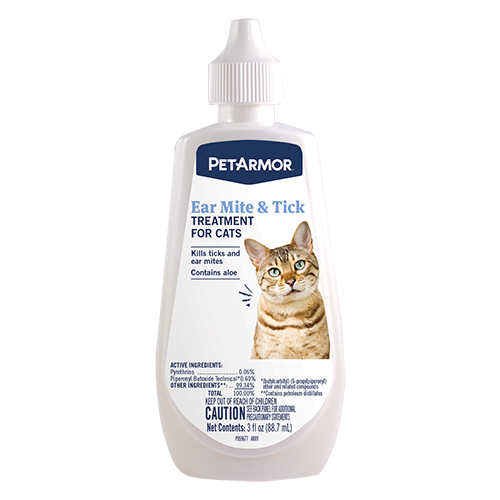
Credit: petarmor.com
Identifying Ear Mites
Ear mites cause itching and discomfort in cats. Treat them using vet-recommended ear drops or medications. Clean your cat’s ears gently to remove debris and prevent recurrence.
Identifying ear mites in cats can be challenging. These tiny pests wreak havoc in your feline friend’s ears. Recognizing the signs is crucial for timely treatment. Cats are prone to ear mites, especially those who venture outdoors. To ensure your cat’s health, understanding the symptoms and causes is important. Diagnosing the infestation accurately can prevent further complications.Symptoms In Cats
Look for frequent head shaking. Scratching around the ears is common. Cats may experience intense itching. Dark discharge in the ears often appears. Noticeable odor from the ears is a sign. Cats might lose hair around the ears. Ear mites can lead to skin infections. Behavioral changes may occur. Your cat may seem irritable or restless.Common Causes
Ear mites spread easily among animals. Contact with infected cats is a major cause. Outdoor cats are at higher risk. Shared bedding or grooming tools can transfer mites. Unclean environments increase the risk. Mites thrive in warm, moist conditions. Immunocompromised cats are more susceptible. Kittens are especially vulnerable. Regular exposure to other animals increases risks.Diagnosing The Infestation
A vet can confirm ear mites. Use an otoscope for examination. Microscopic analysis of ear discharge helps. A swab from the ear canal is collected. Visual inspection for mites is crucial. It’s important to identify mite eggs too. Regular check-ups can catch infestations early. Keeping records of symptoms aids diagnosis. An experienced vet ensures accurate identification.
Credit: www.amazon.com
Over-the-counter Treatments
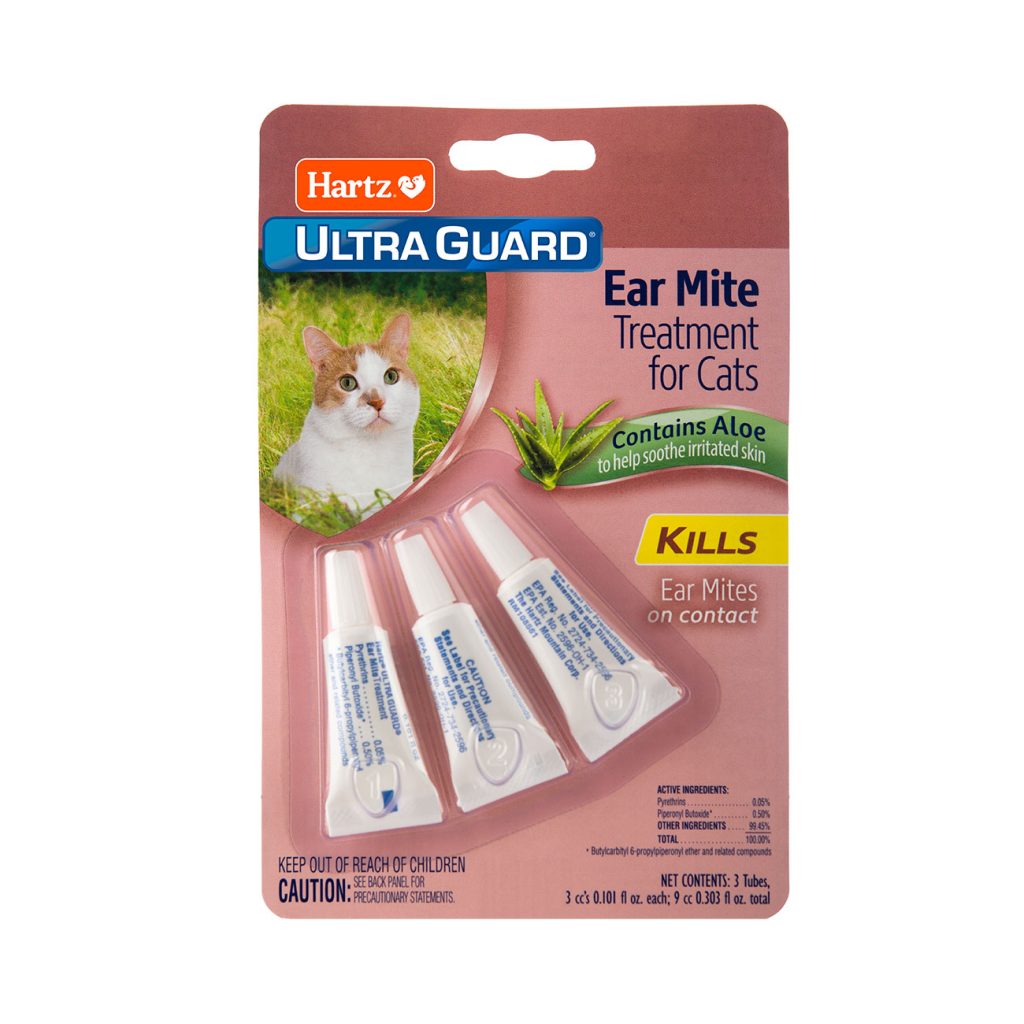
Ear mites in cats can be treated with over-the-counter products. These treatments often include ear drops or topical solutions. Regular application helps eliminate mites and soothe irritation.
When your furry friend is dealing with the discomfort of ear mites, you might wonder if there’s a simple solution you can try at home. Over-the-counter treatments can be a great first step. They are easy to access and often budget-friendly. But how effective are they in tackling the pesky mites?Topical Solutions
Topical solutions are a popular choice for managing ear mites in cats. These treatments are applied directly to the ear, providing targeted relief. Many pet owners appreciate the ease of application, as you don’t need any special equipment or expertise. Look for products with ingredients like ivermectin or pyrethrins, which are known for their effectiveness against mites. Always follow the instructions on the package to ensure safe and effective use. Have you tried a topical solution before? Share your experience in the comments below.Ear Drops Options
Ear drops present another effective over-the-counter option. They work by soothing the ear canal while simultaneously eliminating mites. Some ear drops also help reduce inflammation and discomfort, making your cat feel better quickly. When selecting ear drops, it’s crucial to choose a product specifically designed for cats. Dogs have different sensitivities, and a product safe for them might not be safe for your feline friend. Do you know how to apply ear drops correctly? A gentle approach can make a big difference.Effectiveness And Limitations
Over-the-counter treatments can be quite effective for mild infestations, offering relief within a few days. However, they may not work for severe cases or infestations that have gone untreated for a long time. It’s essential to monitor your cat’s condition and consult a vet if symptoms persist. While these treatments are accessible, they come with limitations. They may not address secondary infections or underlying health issues. Have you considered combining these treatments with regular vet check-ups for comprehensive care? Balancing home treatment with professional advice ensures your cat’s ears stay healthy and mite-free. Ultimately, over-the-counter treatments offer a practical first step in managing ear mites. By understanding their benefits and limitations, you can make informed choices for your pet’s health.Prescription Medications
Ear mites in cats can be treated with prescription medications that kill the parasites effectively. These medications are often applied directly in the ear, ensuring quick relief and preventing further infestation. Consult a veterinarian for the best treatment option tailored to your cat’s needs.
Treating ear mites in cats can be a challenging task. Prescription medications offer an effective solution endorsed by veterinarians. These medications are specifically formulated to target and eliminate ear mites, ensuring your feline friend gets the relief they deserve. When considering prescription options, it’s crucial to understand the process and potential side effects to make informed decisions for your cat’s health.Vet-recommended Products
Veterinarians often recommend specific products based on the severity of the infestation. Commonly prescribed medications include Selamectin, Ivermectin, and Milbemycin. These are designed to eradicate ear mites effectively. They work by disrupting the mites’ nervous system, leading to their eventual death. It’s essential to follow your vet’s advice on which product best suits your cat’s condition.Application Process
Administering prescription medications is usually straightforward. Your vet will likely instruct you to apply the product directly into your cat’s ear canal. This ensures the medication reaches the mites where they live. It’s crucial to maintain a calm environment during application, as cats can be sensitive to this process. Have you ever tried sneaking a dose of medicine into a cat’s ear? It can be an adventure itself!Potential Side Effects
While prescription medications are generally safe, they can have side effects. Some cats might experience mild irritation or redness in the ear area. More severe reactions, though rare, can include vomiting or diarrhea. It’s important to monitor your cat after application and report any unusual symptoms to your vet immediately. Are you prepared to handle any unexpected reactions? Being informed can help you act quickly. Prescription medications provide a direct approach to treating ear mites, but they require careful consideration. By understanding the vet-recommended products, application process, and potential side effects, you can take confident steps in ensuring your cat’s comfort and health.
Credit: www.amazon.com
Home Remedies
Ear mites in cats can be a pesky problem, causing discomfort for your feline friend. While visiting a vet is always recommended, you might be curious about home remedies that can help. These remedies can be simple and effective, especially if you’re looking for natural solutions. Let’s explore some ways you can tackle ear mites at home using everyday items.
Natural Oils
Natural oils like olive oil and coconut oil can be a gentle way to help your cat combat ear mites. The oils can suffocate the mites, making it easier for your cat to get rid of them. Simply add a few drops into your cat’s ear and massage gently. This can help loosen debris and soothe irritation. Have you ever tried using oils for other home remedies?
Herbal Treatments
Herbal treatments are another avenue you can explore. Chamomile tea is known for its soothing properties. After brewing a cup, let it cool and use it as a gentle rinse for your cat’s ears. This can help reduce inflammation and discomfort. Garlic infused oil is another option, thanks to garlic’s natural antibacterial properties. However, use it sparingly to avoid overwhelming your cat’s senses.
Safety Considerations
When trying home remedies, safety should always be your priority. Ensure any oil or herbal treatment is at room temperature. Cats have sensitive skin, and hot liquids can cause burns. Avoid strong oils like tea tree oil, which can be toxic to cats. Always observe your cat’s reaction to any remedy. If there’s excessive scratching or discomfort, stop immediately and consult your vet. Would you risk your cat’s safety for the sake of a home remedy?
Preventive Measures
Preventing ear mites in cats is not just about dealing with the infestation when it happens, but about taking proactive steps to ensure it doesn’t occur in the first place. This involves regular maintenance of your cat’s environment and health. By implementing preventive measures, you can save your furry friend from discomfort and yourself from the hassle of treatment.
Regular Cleaning
Cleaning your cat’s ears regularly is a simple yet effective way to prevent ear mites. Use a vet-approved ear cleaning solution and a soft cloth to gently clean the outer ear. Avoid using cotton swabs as they can push debris further into the ear canal.
Make ear cleaning a routine part of grooming. This not only helps in preventing mites but also allows you to notice any changes in your cat’s ear health. This practice saved me a trip to the vet when I noticed unusual debris during a cleaning session.
Environmental Control
Your cat’s environment plays a critical role in preventing ear mite infestations. Ensure their bedding and favorite lounging spots are cleaned regularly. Vacuuming carpets and upholstery can also help reduce the chance of mites spreading.
Consider using flea and tick control products that also target ear mites. These products offer an additional layer of protection. Have you checked if your current product covers ear mites?
Routine Vet Check-ups
Regular vet check-ups are essential for maintaining your cat’s overall health, including their ears. A veterinarian can spot early signs of ear mites that you might miss. Scheduled visits also ensure your cat’s vaccinations and preventive treatments are up-to-date.
Discuss preventive strategies with your vet during these visits. They can recommend the best products and practices for your specific situation. When was the last time you updated your cat’s health plan?
Implementing these preventive measures can make a significant difference in your cat’s comfort and well-being. By staying vigilant and proactive, you can keep those pesky ear mites at bay.
When To Consult A Veterinarian
Consult a veterinarian if your cat shows signs of ear mites, like excessive scratching or head shaking. A vet can recommend treatments such as ear drops or medications to eliminate these parasites effectively.
When it comes to treating ear mites in your cat, knowing when to seek professional help is crucial. While many cases can be managed at home, there are situations where consulting a veterinarian becomes necessary. Understanding the signs that indicate a need for expert intervention can save your cat from unnecessary discomfort and potential complications.Severe Symptoms
If your cat displays severe symptoms, it’s time to consult a veterinarian. Look out for excessive scratching, redness, or swelling in and around the ears. If your cat seems to be in pain or you notice any discharge, these are clear signals that professional help is needed. A veterinarian can provide effective treatment and relief for your cat.Recurring Infestations
Has your cat had multiple ear mite infestations in a short period? Recurring infestations can indicate an underlying issue that needs addressing. A visit to the vet can uncover potential problems, such as a weakened immune system or an undiagnosed skin condition. Addressing these issues can prevent future infestations and improve your cat’s overall health.Comprehensive Health Check
Ear mites might just be the tip of the iceberg. A comprehensive health check by a veterinarian can reveal other health issues your cat might be facing. Regular check-ups ensure your cat remains in optimal health, catching problems early before they escalate. A vet’s insight is invaluable in maintaining your cat’s well-being. Remember, your cat trusts you to make the best decisions for their health. When in doubt, always prioritize their comfort and safety by seeking professional advice. Have you ever hesitated to take your cat to the vet and later realized it was necessary? Your experiences could guide others in making timely decisions.Frequently Asked Questions
How Can I Tell If My Cat Has Ear Mites?
Watch for frequent head shaking, ear scratching, and dark, crumbly ear discharge. Check for redness or inflammation inside the ears. If symptoms persist, consult a vet.
Can Cat Ear Mites Go Away On Their Own?
Cat ear mites typically don’t disappear without treatment. Proper veterinary care is crucial for effective elimination. Use prescribed medications and follow vet instructions. Regular cleaning helps prevent re-infestation. Early intervention ensures better outcomes and protects your cat’s health. Always seek professional advice for persistent issues.
How Do You Get Rid Of Ear Mites Without Going To The Vet?
Clean ears with mineral oil-soaked cotton balls. Apply a few drops of olive oil to suffocate mites. Use over-the-counter ear mite treatments. Maintain regular cleaning to prevent reinfestation. Always consult a vet if symptoms persist.
What Are Ear Mites In Cats?
Ear mites are tiny parasites that live in a cat’s ear canal. They cause irritation, itching, and inflammation. Affected cats may scratch their ears excessively. These mites are contagious and spread easily among pets. Early detection and treatment are crucial to prevent discomfort and complications.
Conclusion
Caring for a cat with ear mites requires patience. Regular cleaning helps reduce discomfort. Consult your vet for safe treatments. Avoid home remedies that may harm. Monitor your cat for signs of improvement. Watch for scratching or head shaking. Reduce risks by keeping your cat’s environment clean.
Regular check-ups ensure your cat stays healthy. Ear mites are treatable with proper care. A happy, healthy cat enjoys life more. Remember, early detection makes treatment easier. Simple steps lead to a healthier cat. Your feline friend deserves the best care possible.