Is your cat’s fur looking a bit tangled and matted? Mats in a cat’s fur can not only be unsightly but also uncomfortable for your furry friend.
They can cause skin irritation, restrict movement, and even lead to infections if left unchecked. You’re probably wondering how to tackle those pesky knots without causing stress to your cat—or yourself. Don’t worry; you’re not alone in this. Many cat owners face this challenge, and there’s a gentle, effective way to resolve it.
Discover how you can keep your cat’s coat smooth, healthy, and mat-free. By the end of this article, you’ll feel confident and equipped to handle mats with ease, ensuring your cat stays happy and comfortable. Ready to learn the secrets of maintaining a pristine feline coat? Let’s dive in.
Causes Of Matting In Cats
Keeping your cat’s fur free from mats can be quite a challenge. If you’ve ever struggled with tangled fur, you’re not alone. Understanding the causes of matting in cats is the first step in preventing it. Let’s explore what might be causing those knots and tangles.
1. Shedding CyclesCats experience natural shedding cycles. During these periods, loose fur can easily become trapped in the coat. If not brushed regularly, this loose hair intertwines and forms mats. Have you noticed more fur around your home during certain seasons? That’s a clue that shedding is in full swing!
2. Lack of GroomingSome cats are meticulous groomers, while others may be less diligent. If your cat isn’t grooming effectively, the fur can become tangled. Personal experience taught me this when my older cat stopped grooming due to arthritis. Regular grooming sessions became essential.
3. Long-Haired BreedsLong-haired breeds like Persians and Maine Coons are prone to matting. Their luscious locks require more maintenance. Think of their fur as a beautiful but high-maintenance coat that needs special care. Are you ready to put in the extra effort for your long-haired friend?
4. Humidity and MoistureHumidity can play a sneaky role in matting. Moisture from rain or even a bath can cause hair to clump together. It’s like the fur just decides to stick together! Consider how often your cat’s fur gets wet, and whether a quick dry-off could help.
5. Movement and ActivityActive cats often end up with mats due to their playful antics. Rolling around and exploring can twist fur into knots. If your cat is a little adventurer, mats might just be a part of their lifestyle. How does your cat’s activity level affect their fur?
Understanding these causes can help you keep your cat’s fur smooth and mat-free. Regular grooming and attention to these factors will make a world of difference. Remember, a little prevention goes a long way in keeping your furry friend comfortable and happy.
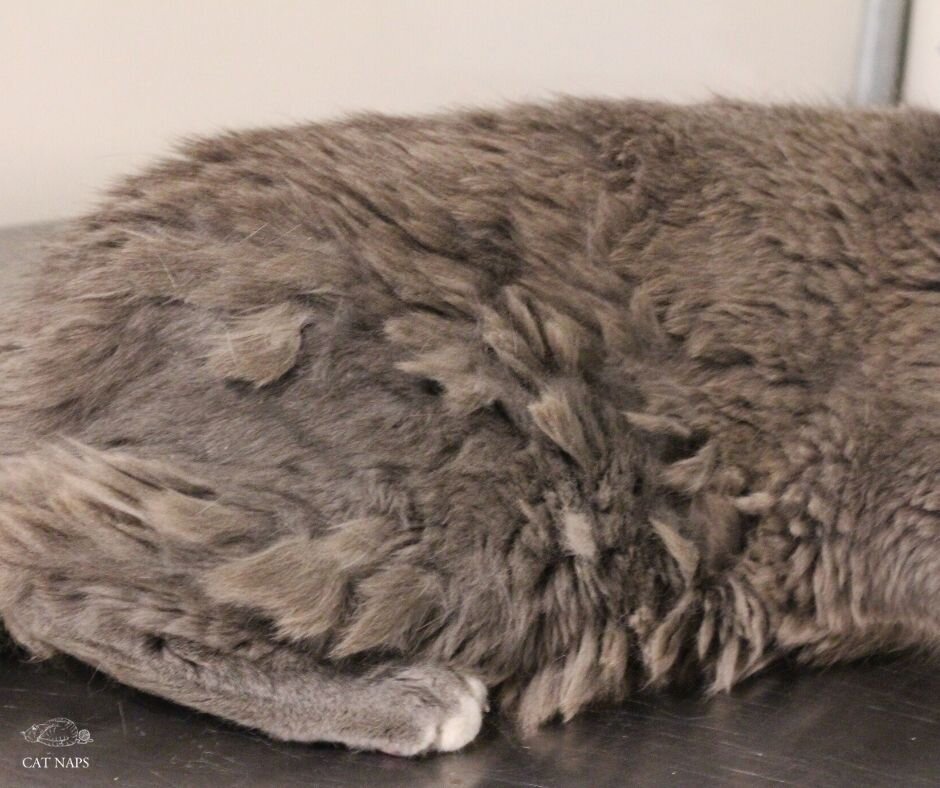
Credit: www.catnapscattery.com
Tools For Removing Mats
Tackling mats in cat fur requires the right tools. A wide-toothed comb or mat splitter helps untangle stubborn knots gently. Regular grooming with brushes designed for cats prevents mats from forming.
Getting mats out of your cat’s fur can be a challenging task, but the right tools can make the job much easier. Mats can cause discomfort and even pain for your feline friend, so it’s important to tackle them effectively. Whether you’re a seasoned pet owner or new to the world of furry companions, understanding which tools to use can transform grooming from a dreaded chore to a bonding experience.Combs And Brushes
Combs and brushes are your first line of defense against mats. A wide-toothed comb is ideal for loosening tangles without pulling on your cat’s skin. Use a slicker brush to follow up and capture loose fur. A friend once shared how her long-haired cat, Luna, enjoyed the gentle strokes of a slicker brush, turning grooming sessions into a purring fest. Do you have a favorite brush that your cat loves?Dematting Tools
Dematting tools are specialized for tackling stubborn mats. They have sharp blades designed to cut through tangles without harming your cat. It’s crucial to use these tools with care and precision. Consider using a dematting rake, especially for those thick, dense mats. I once hesitated to use a dematting tool on my cat, but with a steady hand and gentle approach, it became an effective solution.Clippers And Scissors
Sometimes, mats are too severe for combs or brushes. Clippers and scissors come to the rescue in these cases. Always opt for pet-safe clippers, and if using scissors, ensure they’re rounded-tip to avoid injury. A neighbor of mine swore by her pet clippers for her Persian cat’s frequent matting issues. Have you ever tried using clippers on your pet, and if so, how did it go? Remember, patience and calm are key when using these tools. With the right tools, removing mats doesn’t have to be a stressful ordeal. Each grooming session can strengthen the bond with your cat. What tools will you be adding to your grooming kit?Step-by-step Mat Removal
Dealing with mats in a cat’s fur can be tricky. Mats are clumps of tangled hair that can cause discomfort. Removing them requires patience and care. Follow this step-by-step guide for safe mat removal.
Preparing Your Cat
Start by ensuring your cat is calm. Pick a quiet spot where your cat feels safe. Have treats ready to keep your cat relaxed. Gather your tools: a wide-tooth comb, detangling spray, and scissors.
Identifying Problem Areas
Carefully check your cat’s fur for mats. Common areas include behind the ears, under the legs, and the belly. Gently run your fingers through the fur to find tangled spots. Take note of the size and location of each mat.
Gentle Dematting Techniques
Begin by applying a detangling spray to the mat. This helps loosen the tangles. Use your fingers to gently pull apart the mat. Start at the ends and work towards the skin. If the mat is stubborn, use the wide-tooth comb. Be gentle to avoid hurting your cat.
For very tight mats, carefully use scissors. Place a comb between the skin and the mat. This protects the skin from accidental cuts. Cut the mat in small sections, then comb out the pieces.
Reward your cat with treats and praise throughout the process. This keeps the experience positive for both you and your cat.
Professional Grooming Assistance
Dealing with mats in cat fur can be challenging. Sometimes, professional grooming assistance is the best solution. Skilled groomers have the expertise and tools to handle stubborn mats safely. They ensure your cat’s coat remains healthy and neat.
When To Seek Help
Mats can cause discomfort for your cat. If the mats are large or close to the skin, it’s time to consult a groomer. Persistent tangles may lead to skin irritation. Professional help prevents issues and keeps your cat comfortable.
Choosing A Qualified Groomer
Selecting the right groomer is crucial. Look for certifications and experience. A qualified groomer understands different cat breeds. They know how to handle each type of fur. Read reviews and ask for recommendations. This ensures you find someone trustworthy.
Visit the grooming facility. Check cleanliness and equipment. A good groomer keeps tools sanitized and organized. Discuss your cat’s needs before scheduling an appointment. Communication is key for a successful grooming experience.
Preventing Future Mats
Gently brush your cat’s fur to prevent mats. Regular grooming helps avoid tangled hair. Use a detangling spray for stubborn knots.
Preventing Future Mats Mats in your cat’s fur can be a real nuisance, not just for you but for your furry friend too. Once you’ve tackled those pesky tangles, it’s crucial to ensure they don’t return. Prevention is key! With some simple strategies, you can keep your cat’s coat healthy and free from mats. Let’s delve into how you can prevent future mats through regular grooming, proper diet, and managing environmental factors.Regular Grooming Schedule
Establishing a regular grooming schedule is essential. Brush your cat’s fur at least once a week. For long-haired breeds, more frequent grooming might be necessary. Use a slicker brush or comb designed for cats. This helps remove loose hairs and prevents them from clumping. Consider setting a reminder on your phone or calendar. It’s easy to forget amidst your busy schedule!Diet And Hydration
Ensure your cat is eating a balanced diet. A diet rich in omega-3 fatty acids can improve fur health and reduce matting. Hydration is equally important. Cats often don’t drink enough water, which can affect their skin and fur. Try adding wet food to their diet or using a cat water fountain to encourage drinking. Think about how often you check your cat’s water bowl. Could you increase their access to fresh water?Environmental Factors
Your cat’s environment plays a role in their fur health. A clean, dry, and comfortable space can prevent mats. Avoid letting your cat get wet without drying them properly. Wet fur is more prone to tangling. Consider the humidity in your home. High humidity can lead to matted fur. Use a dehumidifier if necessary. By focusing on these areas, you’re not only preventing mats but also enhancing your cat’s overall well-being. Wouldn’t it be great to see your cat with a shiny, mat-free coat all the time?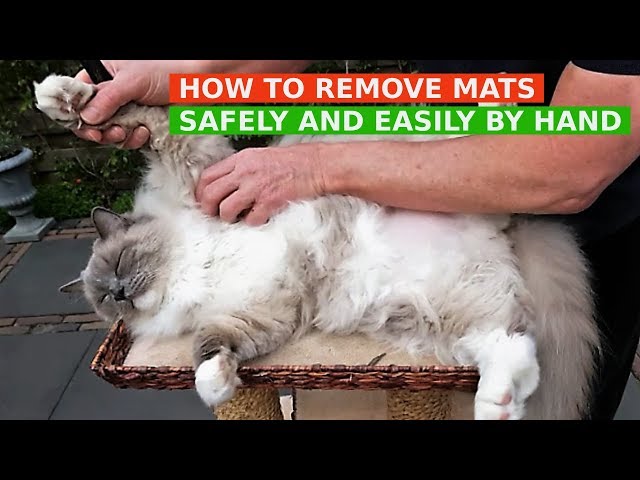
Credit: www.youtube.com
Handling Difficult Cats
Gently detangling mats from cat fur requires patience and care. Use a wide-toothed comb to work through knots slowly. Trim stubborn mats with scissors if needed, ensuring not to cut the skin. Regular brushing helps prevent future tangles, keeping your cat’s coat smooth and healthy.
Handling a difficult cat requires patience and understanding. Cats with matted fur might feel uncomfortable, making them irritable. Handling them carefully is essential to avoid stress or injury. Learning the right techniques can make the process smoother for both you and your cat.Calming Techniques
A calm cat is easier to manage. Create a soothing environment. Use soft lighting and gentle voices. Some cats respond well to calming sprays or diffusers. These products release pheromones that help cats relax. Play soft music to set a peaceful tone. Allow your cat to approach you. Let them feel in control.Safe Restraint Methods
Safety is crucial for both you and your cat. Use a towel to gently wrap your cat. This method provides a sense of security. Ensure the towel is snug but not tight. Leave their head exposed for comfort. If a towel isn’t an option, use a grooming bag. These bags offer zippers for easy access to problem areas. Always keep your cat’s comfort in mind. Avoid excessive force. Your goal is a gentle restraint.Health Issues Related To Matting
Matting in cat fur is not just a grooming issue. It can lead to several health problems for your feline friend. These tangled clumps of hair can cause discomfort and pain. Understanding the health risks associated with matting is crucial for cat owners. Proper care can prevent serious health issues. Let’s explore the potential health problems that can arise from matted cat fur.
Skin Infections
Mats trap dirt and moisture close to the skin. This environment is perfect for bacteria to grow. It can lead to skin infections. Your cat may scratch more often, worsening the problem. Redness and swelling are common signs of infection. If untreated, these infections can spread. Regular grooming helps prevent mats and reduces infection risks.
Allergies And Irritations
Matted fur can also cause skin irritations. Allergens like dust and pollen get trapped in the mats. This can lead to allergic reactions. You might notice your cat scratching more. Red bumps or rashes can appear on the skin. Mats can irritate the skin, causing discomfort. Regular brushing helps remove allergens and prevent matting. This keeps your cat’s coat healthy and irritation-free.
:strip_icc()/how-to-de-mat-a-cat-552043-01-3bcd9ef0901041f4b5dc04c4c36c9bd8.JPG)
Credit: www.thesprucepets.com
Frequently Asked Questions
How To Dissolve Matted Cat Fur?
Gently apply a detangling spray or conditioner to the matted fur. Use your fingers to loosen the mats. Carefully comb through with a wide-toothed comb, starting from the ends. For stubborn mats, seek professional grooming assistance. Regular brushing prevents future matting.
Should You Cut Mats Out Of Cat Hair?
Carefully trim mats from cat hair using pet-safe scissors. This prevents skin irritation and discomfort. Regular brushing helps avoid mats. For severe cases, consult a professional groomer. Avoid pulling or cutting too close to the skin to prevent injury. Always prioritize your cat’s comfort and safety.
How To Shave Matted Fur Off A Cat?
Gently comb out as much of the mat as possible. Use clippers designed for pets to shave the remaining mats. Keep the skin taut to avoid cuts. Work slowly and carefully, ensuring your cat feels safe. Consult a professional groomer for severe cases.
Why Is My Cat’s Fur Matted Into Clumps?
Matting in cat fur can result from lack of grooming, shedding, or health issues. Regular brushing prevents tangles. Ensure your cat’s diet supports healthy coat. Consult a vet if matting persists, as it could indicate skin problems or discomfort. Proper care maintains smooth fur and a happy cat.
Conclusion
Matted fur can cause discomfort for your cat. Regular brushing helps prevent mats. Choose the right brush for your cat’s fur type. Use detangler sprays for tough mats. Reward your cat with treats during grooming. Seek professional help if mats persist.
Happy grooming means a happier cat. Keep your furry friend comfortable and mat-free. Your cat will thank you with purrs. Enjoy bonding with your cat while grooming. Make it a pleasant routine for both. Always be gentle and patient. Your efforts make a big difference.
A well-groomed cat is a happy cat.