Imagine your cat shaking its head or scratching its ears more than usual. You might wonder what’s causing this discomfort.
The culprit could be ear mites, tiny parasites that love to live in your cat’s ears. These pesky invaders can cause a lot of irritation and even lead to infections if not treated promptly. But how do cats get ear mites in the first place?
Understanding this can help you protect your furry friend from unnecessary pain. We’ll dive into the various ways cats can catch ear mites and what you can do to keep them at bay. By the end, you’ll have the knowledge to keep your cat’s ears healthy and happy. Keep reading to discover the secrets to preventing ear mites and ensuring your cat’s comfort.
:strip_icc()/about-ear-mites-dogs-and-cats-3384667_final-8dbaa8f5eb53452da5516085dee7c5d2.png)
Credit: www.thesprucepets.com
Causes Of Ear Mites In Cats
Ear mites are tiny parasites that infest a cat’s ears. They cause irritation and discomfort. Understanding the causes of ear mites helps prevent them. Cats can get ear mites from various sources. Let’s explore these causes in detail.
Common Sources Of Infestation
Outdoor cats are more prone to ear mites. They often come into contact with other animals. Wildlife like foxes and raccoons carry mites. Cats can get mites from these animals. Stray cats are another source of infestation. They may have ear mites and pass them to household cats.
Environmental Factors
Ear mites thrive in dirty environments. Poor hygiene leads to infestations. A clean living space reduces risks. Regular cleaning of a cat’s bedding helps. Mites can survive in carpets and upholstery. Vacuuming regularly keeps mites at bay.
Transmission Between Animals
Ear mites spread easily between animals. Cats in close contact can transmit mites. Sharing bedding or grooming each other increases the risk. Dogs can also carry ear mites. Cats living with dogs are at risk too. Keeping pets separate minimizes transmission.
Symptoms Of Ear Mites
Cats can get ear mites through close contact with infected animals. Symptoms include excessive scratching and head shaking. You may notice dark discharge or a foul odor from their ears.
Symptoms of Ear Mites Ear mites can turn your feline friend’s world upside down. These tiny parasites are a common issue in cats, leading to uncomfortable symptoms that can affect their overall well-being. As a cat owner, recognizing these symptoms early can help you take swift action to ensure your pet’s comfort and health.Behavioral Signs
When your cat is dealing with ear mites, you’ll likely notice changes in their behavior. They may scratch their ears frequently or shake their head more often than usual. This was exactly what my cat, Whiskers, did—a constant head tilt and ear scratching spree that was hard to ignore. Your cat might also become irritable or restless. This is their way of expressing discomfort. Have you ever been so itchy that you couldn’t focus on anything else? That’s your cat’s reality with ear mites.Physical Indicators
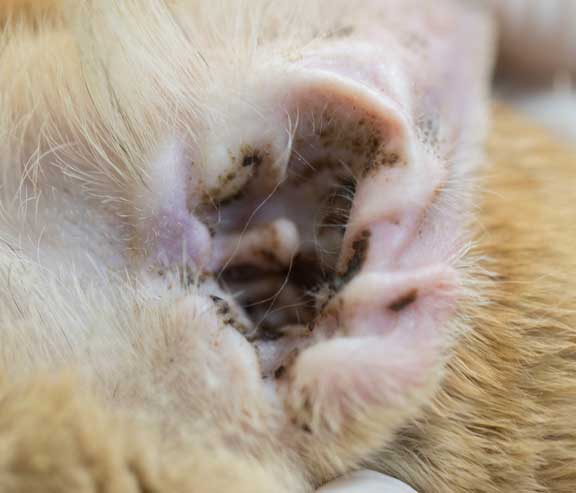
Visible signs in your cat’s ears can be a telltale sign of ear mites. Look for dark, crumbly ear wax that resembles coffee grounds. This is a clear indication that mites might be present. Redness and inflammation in the ear canal are also common. Sometimes, you may even notice an unpleasant odor. Keeping an eye out for these signs can help you catch the infestation before it worsens.Complications From Infestation
Ignoring ear mites can lead to bigger problems. Your cat might develop secondary infections due to constant scratching and irritation. These infections can cause further pain and even hearing loss in severe cases. In some instances, untreated ear mites can spread to other pets in your home. This creates a cycle of discomfort and treatment that can be stressful for everyone involved. Are you prepared to handle an infestation across multiple pets? Recognizing the symptoms of ear mites is crucial for maintaining your cat’s health and happiness. By understanding these signs, you’re one step closer to ensuring your cat lives a comfortable and mite-free life. Have you checked your cat’s ears lately? It might be time for a closer look.Diagnosing Ear Mites
Ear mites can cause discomfort for cats. Identifying them early is crucial. Cats with ear mites show signs like itching and head shaking. Diagnosing ear mites helps provide relief. Two main methods exist: veterinary examination and home diagnosis.
Veterinary Examination
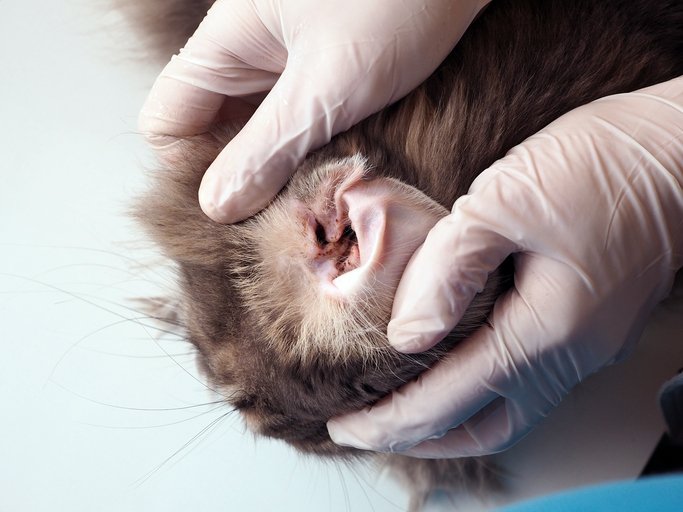
A vet visit ensures accurate diagnosis. Vets use special tools for examination. Otoscopes help see deep into the ear canal. Vets may take ear swabs for lab analysis. This checks for mites and infections. Professional diagnosis prevents misidentification. It ensures proper treatment for your cat.
Home Diagnosis Methods
You can check for ear mites at home. Gently clean the cat’s ear with a cotton ball. Look for dark, crumbly wax resembling coffee grounds. This could indicate mites. Observe your cat’s behavior for excessive scratching. Home diagnosis can guide you to seek vet help. Always follow up with a vet for confirmation.
Credit: www.reedanimalhospital.com
Treatment Options
Ear mites in cats can be uncomfortable and irritating, but the good news is that there are various treatment options available to alleviate this pesky problem. Whether you’re looking for medications, home remedies, or professional treatments, there’s a solution to suit your needs and your furry friend’s comfort. Understanding these options can help you make an informed decision on how best to tackle ear mites effectively.
Medications
Medications are often the first line of defense against ear mites. Over-the-counter ear mite treatments are available at pet stores, and they typically come in the form of drops or ointments. These medications work by killing the mites directly and are usually easy to apply.
Veterinary-prescribed medications can be more potent and are sometimes necessary for severe infestations. These may include topical solutions or injections. Always follow the vet’s instructions carefully to ensure the best outcome for your cat.
Home Remedies
If you’re a fan of natural solutions, some home remedies can be effective in managing ear mites. Olive oil is a gentle option that can help soothe your cat’s ears and suffocate mites. Simply warm a small amount and apply it gently to the ear canal.
Another home remedy is using diluted hydrogen peroxide, though this should be done cautiously to avoid irritation. Remember to consult your vet before trying any home remedy to ensure it’s safe for your feline friend.
Professional Treatments
Sometimes, professional treatment is necessary to fully eradicate ear mites, especially if the infestation is severe. A veterinarian can clean your cat’s ears thoroughly and prescribe powerful medications to tackle the issue.
Professional treatments also include follow-up visits to monitor progress and ensure the mites are completely gone. Have you considered the peace of mind that comes with knowing your cat is receiving expert care?
Choosing the right treatment option depends on your cat’s specific needs and the severity of the infestation. Whether you opt for medications, home remedies, or professional treatments, the goal is to provide relief and restore your cat’s comfort. With the right approach, your furry friend will be free from ear mites and back to their playful self in no time.
Prevention Tips
Preventing ear mites in cats is crucial for their health and comfort. By adopting certain measures, you can reduce the risk of infestation. This guide provides simple tips to keep your feline friend’s ears mite-free.
Regular Cleaning Practices
Clean your cat’s ears weekly. Use a vet-approved solution. This helps remove dirt and wax buildup. Always use soft materials to avoid injury. Check for signs of redness or irritation.
Monitoring And Early Detection
Observe your cat’s behavior daily. Scratching or head shaking may indicate mites. Early detection prevents severe infestations. Examine their ears for black debris. Contact your vet at the first sign of trouble.
Reducing Exposure Risks
Limit contact with unknown animals. Mites spread easily from one pet to another. Keep your cat indoors or supervise outdoor activities. Regularly clean bedding and toys. This reduces mite habitats.

Credit: www.broglilaneweaver.com
When To Seek Veterinary Help
Cats often get ear mites from other animals, especially in environments like shelters. These tiny parasites cause irritation and scratching. If your cat shakes its head frequently or scratches its ears, consider visiting a vet for proper diagnosis and treatment.
When your furry friend is scratching their ears more than usual, you might wonder if it’s time to call the vet. Knowing when to seek veterinary help for ear mites can save your cat from discomfort and possible health complications. Paying attention to specific signs can guide you in making this important decision.Signs Of Serious Infestation
If your cat’s ear scratching is accompanied by relentless head shaking or frequent pawing at their ears, it might signal a serious infestation. You might also notice a foul odor or dark discharge coming from their ears. These are red flags that warrant a vet visit, as they can indicate a severe case needing professional treatment. Observing your cat’s behavior can also offer clues. If they’re unusually irritable or lethargic, it’s a sign that the infestation could be causing more than just discomfort. Trust your instincts—if something feels off, it’s better to err on the side of caution and consult a vet.Long-term Health Impacts
Ignoring ear mites can lead to long-term health issues for your cat. Chronic infestations can cause permanent damage to the ear canal, leading to hearing loss or balance problems. Imagine the frustration of constant itching and discomfort. If left untreated, the mites can cause skin infections or even spread to other pets in your home. Prompt veterinary care can prevent these consequences, ensuring your cat maintains their health and happiness. Wouldn’t you want to avoid a situation where your pet suffers needlessly? By recognizing the signs early and acting swiftly, you can protect your cat from the long-term impacts of ear mites. Prioritize their health and comfort; they deserve it.Frequently Asked Questions
How Does An Indoor Cat Get Ear Mites?
Indoor cats can get ear mites from contact with infected animals or contaminated objects like bedding. Ear mites spread quickly and are highly contagious. Regular cleaning and vet check-ups can help prevent infestations. Ensure your cat’s environment is clean and check for signs of ear discomfort frequently.
Can Ear Mites Infest Your House?
Yes, ear mites can infest your house. They spread from pets to furniture and carpets. Regular cleaning and treating pets help prevent infestations. Consult a vet for effective treatment options to eliminate mites from pets and home.
How To Get Rid Of Ear Mites In A Cat?
Clean your cat’s ears gently using a vet-recommended solution. Apply prescribed ear mite medication as directed. Regularly wash bedding and vacuum to eliminate mites. Schedule a vet check-up to ensure complete treatment.
What Are Ear Mites In Cats?
Ear mites are tiny parasites that infest a cat’s ears. They cause irritation, redness, and itching. Cats with ear mites often scratch their ears excessively. If untreated, ear mites can lead to infections. It’s essential to consult a vet for diagnosis and treatment to prevent complications.
Conclusion
Ear mites in cats are common but manageable. Regular checks help spot issues early. Clean your cat’s ears gently. This prevents mites from settling in. Vet visits are crucial for proper diagnosis. Treatment options are effective and readily available. Keep your home clean to reduce mite spread.
Monitoring your cat’s behavior can catch problems fast. Look for signs like frequent scratching. Quick action keeps your cat comfortable. Ear health is essential for your cat’s well-being. Protecting your pet from ear mites ensures a happier life. Stay informed and proactive in caring for your furry friend.