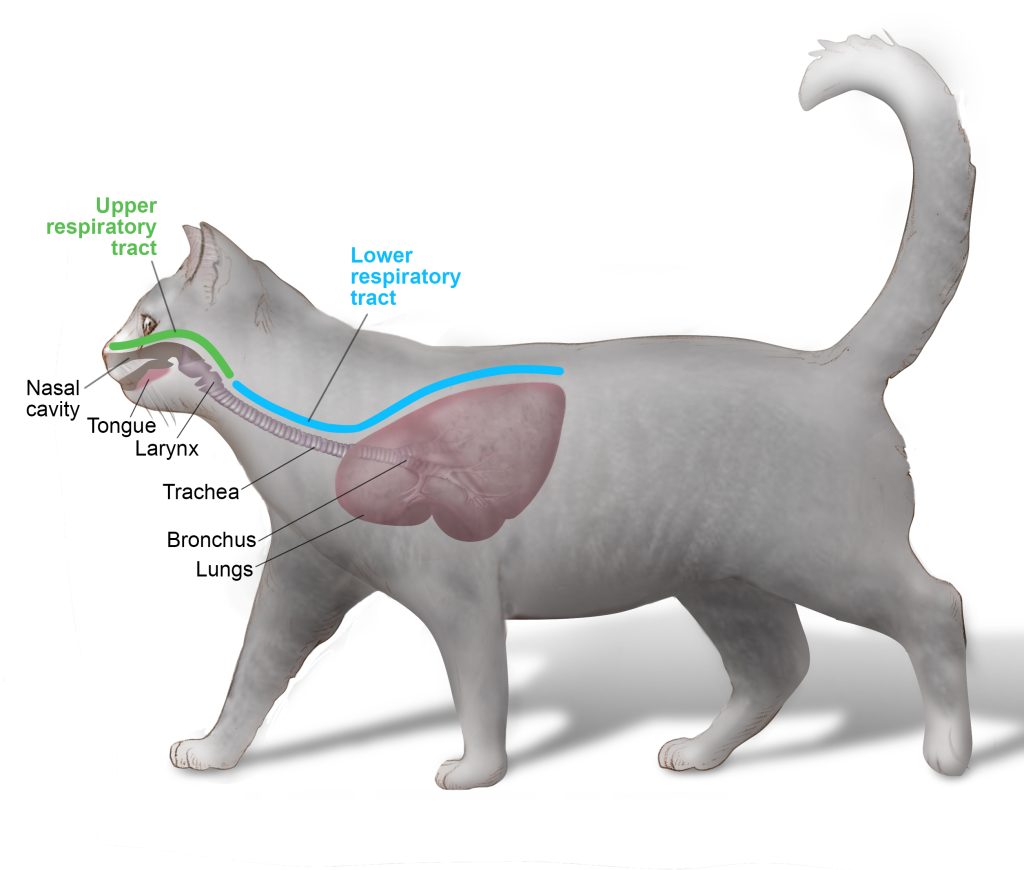
Imagine your beloved feline friend suddenly starts sneezing, coughing, or displaying other signs of discomfort. It’s heartbreaking to see them suffer, isn’t it?
Respiratory infections in cats are more common than you might think, and knowing how to treat them effectively can make a world of difference. You want your cat to be healthy and playful, and understanding the steps to take when they’re under the weather is key.
In this guide, you’ll uncover simple, yet powerful, ways to help your cat recover from a respiratory infection. We’ll walk you through essential tips and remedies that not only ease your cat’s symptoms but also strengthen the bond you share. Imagine the relief you’ll feel knowing that you’re equipped with the right knowledge to care for your furry companion. Ready to discover how you can make your cat feel better quickly and safely? Let’s dive in and turn those stressful moments into a path to healing and comfort.
Recognizing Symptoms
Cats with respiratory infections may show signs like sneezing or coughing. Clear discharge from the nose is another indicator. Keep an eye on any difficulty in breathing and contact a vet for proper care.
Recognizing symptoms of a respiratory infection in cats is crucial. Early detection can prevent complications. Cats often hide their illnesses. Observing subtle signs can be challenging.Common Signs
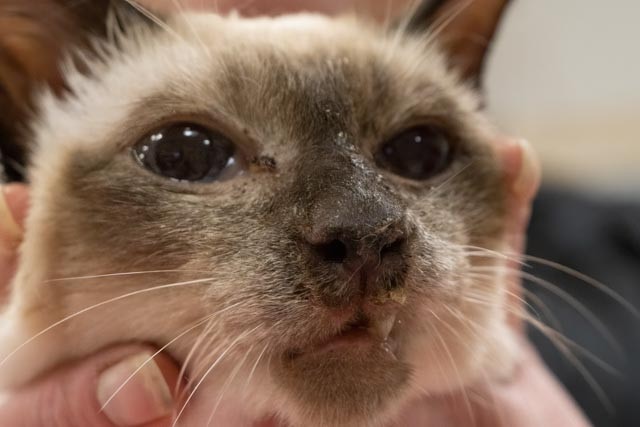
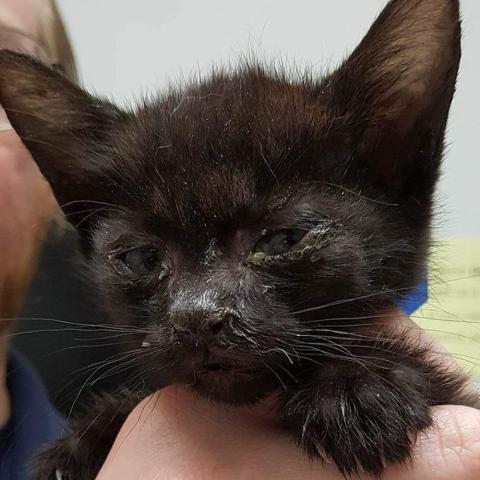
Cats with respiratory infections may show various symptoms. Sneezing is frequent and noticeable. Nasal discharge is another common sign. This can be clear or colored. Coughing might occur, though not always. You may hear wheezing or labored breathing. Cats might become less active. A decrease in appetite is possible. Eyes may become watery or irritated. Fever is sometimes present. Monitor your cat’s behavior closely.When To See A Vet
Certain symptoms require veterinary attention. Difficulty breathing needs immediate care. Persistent coughing is concerning. If your cat stops eating, visit a vet. Prolonged lethargy is alarming. High fever demands professional help. Chronic nasal discharge is a red flag. Eye irritation that worsens should be checked. If symptoms persist for days, see a vet. Early intervention can save lives. Always prioritize your cat’s health.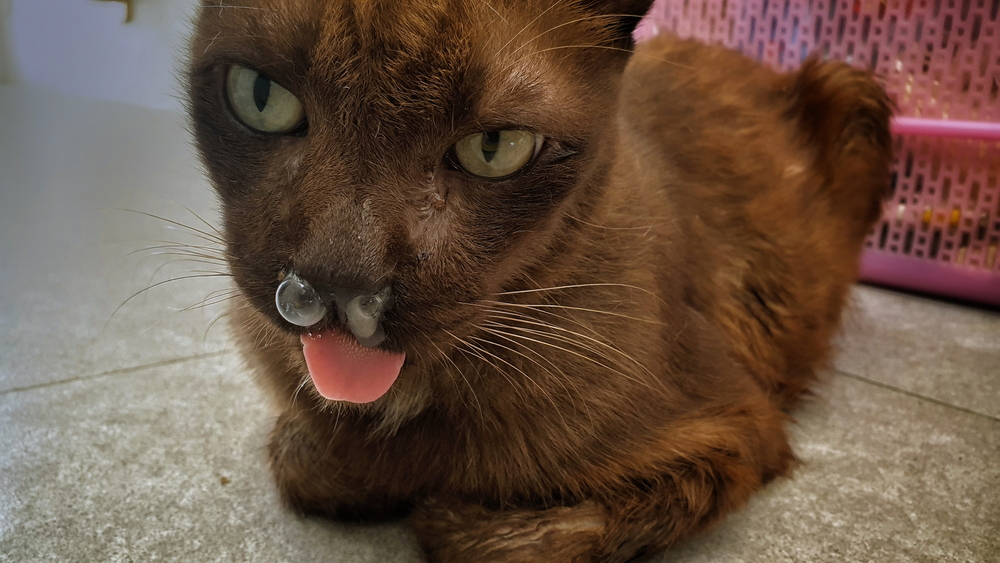
Credit: wesvet.com
Veterinary Diagnosis
Respiratory infections in cats often require veterinary diagnosis for effective treatment. Symptoms include coughing and sneezing. Treatment usually involves medication and supportive care, ensuring the cat’s comfort and recovery.
Understanding how to treat a respiratory infection in cats starts with a thorough veterinary diagnosis. This crucial step ensures that your feline friend receives the right treatment promptly. A visit to the vet provides clarity on the severity of the infection and helps tailor the best care plan for your cat.Physical Examination
The first step in the veterinary diagnosis of a respiratory infection is a comprehensive physical examination. During this process, the vet will check your cat’s vital signs, such as temperature, heart rate, and respiratory rate. They will also listen to your cat’s lungs and heart using a stethoscope to detect any abnormal sounds. The vet may observe symptoms like sneezing, nasal discharge, or coughing. These signs help in forming an initial assessment. Have you ever noticed how your cat’s demeanor changes when they’re unwell? This is why observing their behavior is vital and should be shared with the vet.Diagnostic Tests
Once the physical examination is complete, diagnostic tests are often necessary to confirm the diagnosis. Blood tests can reveal if an infection is present and provide insights into your cat’s overall health. X-rays might be required to get a clear picture of the lungs and airways. This helps in identifying any obstructions or abnormalities. I remember when my cat, Whiskers, had her first X-ray. The clarity it provided was immense and eased my worries. Sometimes, vets might suggest a nasal or throat swab to identify the specific bacteria or virus causing the infection. This ensures that the treatment plan is as effective as possible. Have you ever wondered how these detailed tests can pinpoint the exact issue? They are invaluable in crafting the best approach to care. Understanding the importance of a veterinary diagnosis can make a significant difference in your cat’s recovery journey. By partnering closely with your vet, you ensure that your feline companion receives the best possible care tailored to their unique needs.Medical Treatments
When cats face respiratory infections, medical treatments play a crucial role. These treatments aim to alleviate symptoms and promote healing. Understanding the specific medication options can help in managing your cat’s health more effectively.
Antibiotics
Antibiotics are often prescribed for bacterial infections. They target harmful bacteria, helping your cat recover. A vet will determine the specific antibiotic based on the infection type. It’s essential to complete the entire course. This prevents bacteria from becoming resistant. Missing doses can lead to recurrence or complications. Always follow the vet’s instructions for best results.
Antiviral Medications
Viral infections require a different approach. Antiviral medications focus on reducing viral activity. They assist the immune system in fighting the virus. The vet will assess if these medications are necessary. Some viruses may not need medication. Supportive care often helps manage symptoms. It’s important to monitor your cat’s condition. Regular updates with the vet ensure effective treatment.
Credit: www.petmd.com
Home Care Strategies
Caring for cats with respiratory infections involves ensuring a warm environment and maintaining hydration. Regularly clean the cat’s nose and eyes to prevent buildup. Consult a vet for antibiotics if symptoms persist.
Caring for a cat with a respiratory infection can be challenging, yet rewarding. By focusing on effective home care strategies, you can help your feline friend recover quickly and comfortably. Simple changes in your home environment, nutritional adjustments, and a bit of patience can make all the difference. Ready to explore how you can help your cat breathe easier? Let’s dive into some practical tips you can apply today.Improving Air Quality
Creating a clean and breathable environment for your cat is vital. Consider using an air purifier to reduce allergens and dust particles in the air. This can be especially helpful if your home has smokers or if you live in an urban area with pollution. Regularly cleaning your cat’s bedding and vacuuming carpets can also minimize irritants. Keeping windows closed during high pollen seasons can prevent outdoor allergens from entering your home. Have you noticed your cat sneezing less after these changes?Nutritional Support
Proper nutrition plays a crucial role in recovery. Ensure your cat’s diet is rich in essential vitamins and minerals. Foods high in omega-3 fatty acids can help reduce inflammation and support immune health. Offering warm, wet food can be more enticing and easier for your cat to eat, especially if they have a reduced appetite. You might even try adding a bit of chicken broth to encourage them to eat. Have you ever seen the boost in energy that a nourishing meal gives your cat? By focusing on these home care strategies, you can create a supportive environment that fosters healing. What small changes will you make to improve your cat’s health today?Preventative Measures
Caring for your feline friend means taking proactive steps to ensure their health, especially when it comes to respiratory infections. Preventative measures are vital in keeping your cat healthy and happy, as these infections can be quite distressing for them. By focusing on vaccination and regular checkups, you can create a robust defense against these ailments. Let’s dive into how these strategies can make a difference.
Vaccination
Vaccination acts as a shield for your cat against harmful pathogens. It’s like giving them a superhero cape that protects them from various diseases, including respiratory infections. Regular vaccinations can significantly reduce the risk of your cat contracting these infections.
Imagine your cat playing happily in the garden, breathing freely without any discomfort. This peace of mind is achieved through timely vaccinations. Consult your vet to establish a schedule that’s tailored to your cat’s needs. Remember, prevention is better than cure.
Does your cat have a vaccination card? If not, it might be time to get one. Keep track of the vaccines and ensure they’re up to date. This simple step can save you and your cat a lot of trouble in the future.
Regular Checkups
Regular checkups are like routine tune-ups for your cat’s health. These visits can catch early signs of respiratory infections before they become serious. Your vet can offer insights into your cat’s health and suggest necessary adjustments to their care routine.
Have you ever thought of a vet visit as a quick health audit? It’s a chance to ask questions and learn about potential risks. During these visits, you can discuss any changes in your cat’s behavior or breathing patterns, ensuring they’re in the best possible health.
These checkups also strengthen your relationship with your vet, creating a partnership focused on your cat’s well-being. With regular visits, you’re not just addressing problems; you’re actively preventing them.
Preventative measures are not just about avoiding illness; they’re about enhancing your cat’s quality of life. Are you ready to take action? Implementing these strategies today can lead to a healthier tomorrow for your furry friend.
Credit: www.multcopets.org
Alternative Therapies
Explore natural remedies for treating respiratory infections in cats. Herbal supplements and gentle steam therapy can ease symptoms. Consult a vet to ensure safety and effectiveness.
When your cat is battling a respiratory infection, traditional treatments like antibiotics are often the first line of defense. However, some cat owners are turning to alternative therapies to complement these treatments and enhance their pet’s recovery. These therapies can be particularly appealing if you’re looking for natural ways to boost your cat’s immune system and overall well-being.Herbal Remedies
Herbal remedies can be a gentle way to support your cat’s respiratory health. Herbs like echinacea and licorice root are known for their immune-boosting properties. They can help reduce symptoms and speed up recovery. You might wonder, “Are herbs safe for my cat?” It’s important to consult with your vet before adding any herbal remedies to your cat’s treatment plan. Some herbs can be toxic to cats, so professional guidance is crucial. Consider using a cat-friendly herbal supplement formulated specifically for respiratory health. These products often come in easy-to-administer forms like drops or powders, making it simple to add to your cat’s food.Acupuncture
Acupuncture isn’t just for humans. It can be an effective alternative therapy for cats with respiratory infections. This ancient practice involves inserting thin needles into specific points on the body to stimulate healing and alleviate symptoms. You might think, “Will my cat tolerate acupuncture?” Surprisingly, many cats handle it well and may even enjoy the sessions. The key is to find a certified veterinary acupuncturist who has experience working with felines. One cat owner shared their story about how acupuncture helped their cat breathe easier and regain energy. This alternative therapy can be a valuable addition to your cat’s recovery process, especially if traditional treatments aren’t fully effective. Alternative therapies offer you additional ways to support your cat’s health. Have you considered integrating these into your cat’s care routine?Monitoring Recovery
Monitoring your cat’s recovery from a respiratory infection is crucial. It helps ensure your pet returns to full health. Observing your cat’s progress helps identify any lingering issues. Regular monitoring can prevent complications and promote faster healing.
Tracking Progress
Keep a close eye on your cat’s symptoms. Notice changes in appetite or behavior. Record their activity levels daily. Check for normal breathing patterns. Note any discharge from the nose or eyes. Consistent tracking helps you understand their recovery journey. This information can be valuable for your vet as well.
Follow-up Appointments
Schedule regular follow-up appointments with your vet. These visits are essential for evaluating your cat’s health. Your vet can perform necessary tests and examinations. Discuss any concerns you have noticed during recovery. Your vet may adjust treatments based on your observations. Regular check-ups ensure your cat is on the right path to recovery.
Frequently Asked Questions
Will A Cat’s Respiratory Infection Go Away On Its Own?
A cat’s respiratory infection might not resolve on its own. Veterinary care can be necessary for proper treatment. Symptoms include sneezing, coughing, and nasal discharge. Prompt attention prevents complications and ensures recovery. Always consult a vet for persistent symptoms.
What Are The Three Signs Of A Respiratory Infection?
Coughing, difficulty breathing, and chest congestion are three signs of a respiratory infection. Seek medical advice if symptoms persist.
Does A Cat Need Antibiotics For An Upper Respiratory Infection?
Cats may need antibiotics if their upper respiratory infection is caused by bacteria. Consult a veterinarian to determine if antibiotics are necessary. Proper diagnosis ensures appropriate treatment for recovery.
What Are Common Symptoms Of Cat Respiratory Infection?
Common symptoms include sneezing, coughing, nasal discharge, and lethargy. You may also notice a loss of appetite. Monitor breathing difficulties as well. These symptoms can vary in severity. If symptoms persist, consult a vet for accurate diagnosis and treatment. Early detection is key to effective management.
Conclusion
Caring for a cat with a respiratory infection requires attention and love. Quick action helps your cat heal faster. Always consult your vet for advice. They provide the best care plan for your pet. Ensure a clean and stress-free environment at home.
Offer nutritious food to boost your cat’s immune system. Monitor symptoms closely, like coughing or sneezing. Remember, early detection leads to better recovery. Keep your furry friend comfortable and safe. Your dedication makes a difference in their health. Stay informed and proactive.
Your cat relies on you for their well-being.