Have you noticed your cat scratching more than usual or spotted odd, circular patches on their skin? If so, ringworm might be the culprit.
This common fungal infection can spread quickly, causing discomfort for your furry friend and potential health risks for your household. Understanding how to treat ringworm in cats is crucial for their health and your peace of mind. But don’t worry, you’re not alone in this.
With the right knowledge and approach, you can tackle this issue effectively and ensure your cat is happy and healthy once again. Dive into this guide to discover practical, proven strategies to treat ringworm and keep it from coming back. Your cat deserves the best care, and you have the power to provide it. Keep reading to find out how.
Identifying Ringworm Symptoms
Understanding how to identify ringworm symptoms in cats is crucial for ensuring their health and well-being. Ringworm, despite its name, is not a worm but a fungal infection that affects the skin, hair, and nails of your feline friends. Early detection can help you take quick action and prevent the infection from spreading to other pets or humans in your household. Let’s dive into how you can spot these symptoms effectively.
Common Signs In Cats
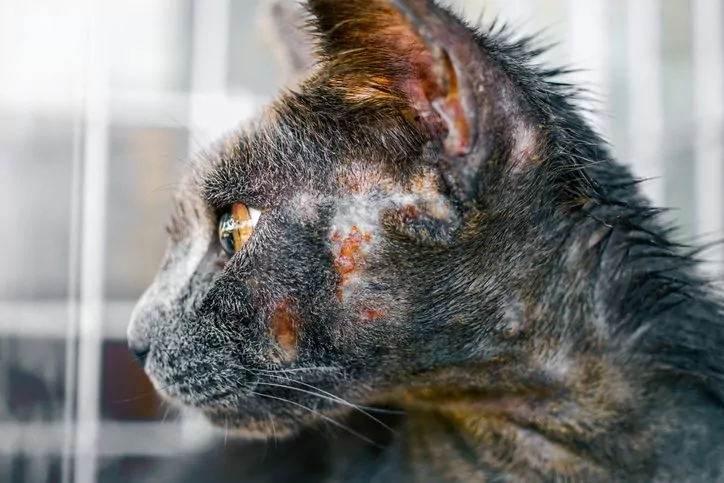
Ringworm often presents itself in a few noticeable ways. You might see circular patches of hair loss on your cat’s body. These patches can have a reddish ring around them, which is a classic sign of this fungal infection.
Another symptom is dry, scaly skin. Cats may experience itchiness, prompting them to scratch or groom excessively. Keep an eye out for broken hairs around the lesions, as this can further indicate the presence of ringworm.
Sometimes, you’ll notice dandruff-like flakes in your cat’s fur. This can be mistaken for a simple skin condition, but when coupled with other symptoms, it’s worth considering ringworm as a possibility.
Differentiating From Other Skin Issues
Many skin conditions can mimic the symptoms of ringworm. For instance, allergies or flea infestations can also cause itching and hair loss. So, how do you tell them apart?
Ringworm typically forms distinct, circular lesions, unlike random patches of hair loss from other issues. The red ring around these lesions is a unique identifier.
Conduct a visual comparison. If your cat has symmetrical hair loss, it might be an allergy. Ringworm lesions are often asymmetrical and isolated. If you’re unsure, consulting a vet can provide clarity and peace of mind.
Remember, your cat’s comfort and health are in your hands. Have you ever noticed these symptoms in your pet? Taking a proactive approach can make all the difference in managing their health effectively.

Credit: www.fetchpet.com
Consulting A Veterinarian
Veterinary advice is crucial for treating ringworm in cats effectively. Prescription antifungal medications can help eradicate the infection. Regular follow-ups ensure the cat’s recovery and prevent future outbreaks.
Consulting a veterinarian is crucial for treating ringworm in cats. This fungal infection can spread quickly. A vet’s expertise ensures accurate diagnosis and treatment. A timely visit helps prevent the infection from worsening. It also protects other pets and humans in your household. Let’s explore why professional consultation is essential.Importance Of Professional Diagnosis
A veterinarian can identify ringworm accurately. They use special tools and tests. Misdiagnosis can lead to wrong treatments. This may worsen your cat’s condition. Only a vet can confirm the presence of ringworm. They distinguish it from other skin issues. Ringworm symptoms often mimic other diseases. Professional diagnosis ensures proper care.Preparing For The Vet Visit
Prepare your cat for the vet visit. Gently handle your cat before leaving. Use a secure carrier to transport them. Make a list of symptoms you observe. Note changes in your cat’s behavior. Share this information with the vet. It helps in accurate diagnosis. Clean your cat’s environment to prevent spread. Wash their bedding and toys. This reduces the risk of re-infection.Topical Treatments
Dealing with ringworm in cats can be a challenge for pet owners. Topical treatments are often the first line of defense against this pesky fungal infection. These treatments can effectively target the fungus on your cat’s skin, providing relief and promoting healing. But how do you choose the right one, and how do you apply it properly? Let’s dive into the details.
Antifungal Creams And Ointments
Antifungal creams and ointments are popular choices for treating ringworm. These products are designed to stop the growth of the fungus and reduce the infection on your cat’s skin. You can find these treatments at your local pet store or consult your vet for a recommendation.
Brands like Lotrimin and Tinactin offer formulations that are safe for cats. They contain active ingredients such as clotrimazole or tolnaftate, which have proven effective in treating ringworm. Always check the label to ensure the product is suitable for feline use.
Application Tips For Cat Owners
Applying topical treatments can be tricky, especially if your cat is not fond of being handled. Here’s how you can make the process easier:
- Start by cleaning the infected area with a damp cloth. This removes any dirt or debris and helps the treatment penetrate the skin.
- Apply a thin layer of the cream or ointment directly onto the ringworm patch. Avoid excessive rubbing, which might irritate your cat’s skin.
- Use a cone or soft collar to prevent your cat from licking off the treatment. This ensures the medication stays in place and works effectively.
Consistency is key when treating ringworm. Apply the treatment daily or as directed by your vet. You might wonder, “How long will it take to see results?” Generally, you should notice improvement within a week, but complete healing can take a few weeks.
Have you ever battled ringworm in your cat? What worked best for you? Share your tips with other cat owners in the comments. Your experience might just be the advice someone else needs.
Oral Medications
Ringworm in cats can be stubborn. While topical treatments help, sometimes they are not enough. Oral medications may be needed to fully combat the infection. These medicines work from the inside. They attack the fungus causing ringworm. This approach can be more effective for severe cases. It ensures the fungus is eliminated from the whole body.
When Oral Treatment Is Necessary
Oral treatment is essential when ringworm spreads rapidly. If your cat has multiple lesions, oral medications might be required. Persistent infections that do not respond to topical creams need oral pills. Vets may suggest oral treatment for long-term infections. Oral medications are also advised for cats living with others to prevent spreading.
Potential Side Effects
Oral medications can cause side effects. Some cats may experience upset stomachs. Vomiting or diarrhea might occur. Monitor your cat for changes in behavior. Loss of appetite is another possible side effect. Liver problems can arise from prolonged use. Regular vet visits help ensure your cat’s health. Always follow your vet’s guidance on dosage.
Environmental Cleaning
Treating ringworm in cats involves careful cleaning of the environment. Regularly disinfect surfaces and wash bedding to prevent spread. Use antifungal treatments prescribed by a vet to eliminate the infection effectively.
Ringworm in cats isn’t just a concern for your feline friend; it can impact your entire home environment. Keeping your surroundings clean is crucial in eradicating this pesky fungus and preventing its spread. But how do you ensure your home is not a breeding ground for ringworm spores? Let’s dive into practical strategies for environmental cleaning, focusing on disinfecting your home and preventing the spread to humans and other pets.Disinfecting Your Home
Start by identifying areas where your cat spends most of its time. These spots are likely to be contaminated with ringworm spores. Vacuum carpets, rugs, and furniture regularly to remove any hair or skin flakes. It’s surprising how many spores can hide in your favorite couch or under that cozy area rug. Use a disinfectant proven to kill ringworm spores. A bleach solution is effective, but ensure proper ventilation and safety precautions. Wipe down surfaces such as countertops, floors, and even door handles. Ask yourself, how often do you touch these surfaces without thinking about what’s on them? Don’t forget to wash your cat’s bedding in hot water with a strong detergent. This is a simple yet effective step to keep ringworm at bay. Imagine finding comfort in your bed only to realize it’s a hotspot for germs!Preventing Spread To Humans And Other Pets
Are you aware that ringworm can easily spread from cats to humans and other pets? Take proactive measures by washing your hands after handling your cat. You might be surprised at how quickly the spores can transfer from fur to your skin. Keep your infected cat separate from other pets to minimize the risk of spreading. It’s not just about protecting your other furry friends; it’s about creating a safe environment for all. Consider setting up a designated area for your cat, ensuring it’s clean and comfortable. Regularly check other pets for signs of ringworm. Early detection can prevent a small issue from becoming a household problem. You wouldn’t want a minor infection to lead to a full-blown outbreak, would you? Incorporating these cleaning habits into your routine can significantly reduce the risk of ringworm spreading throughout your home. Remember, a clean environment is not only healthier for your cat but for everyone in your household. What’s your go-to cleaning tip for dealing with pet-related issues?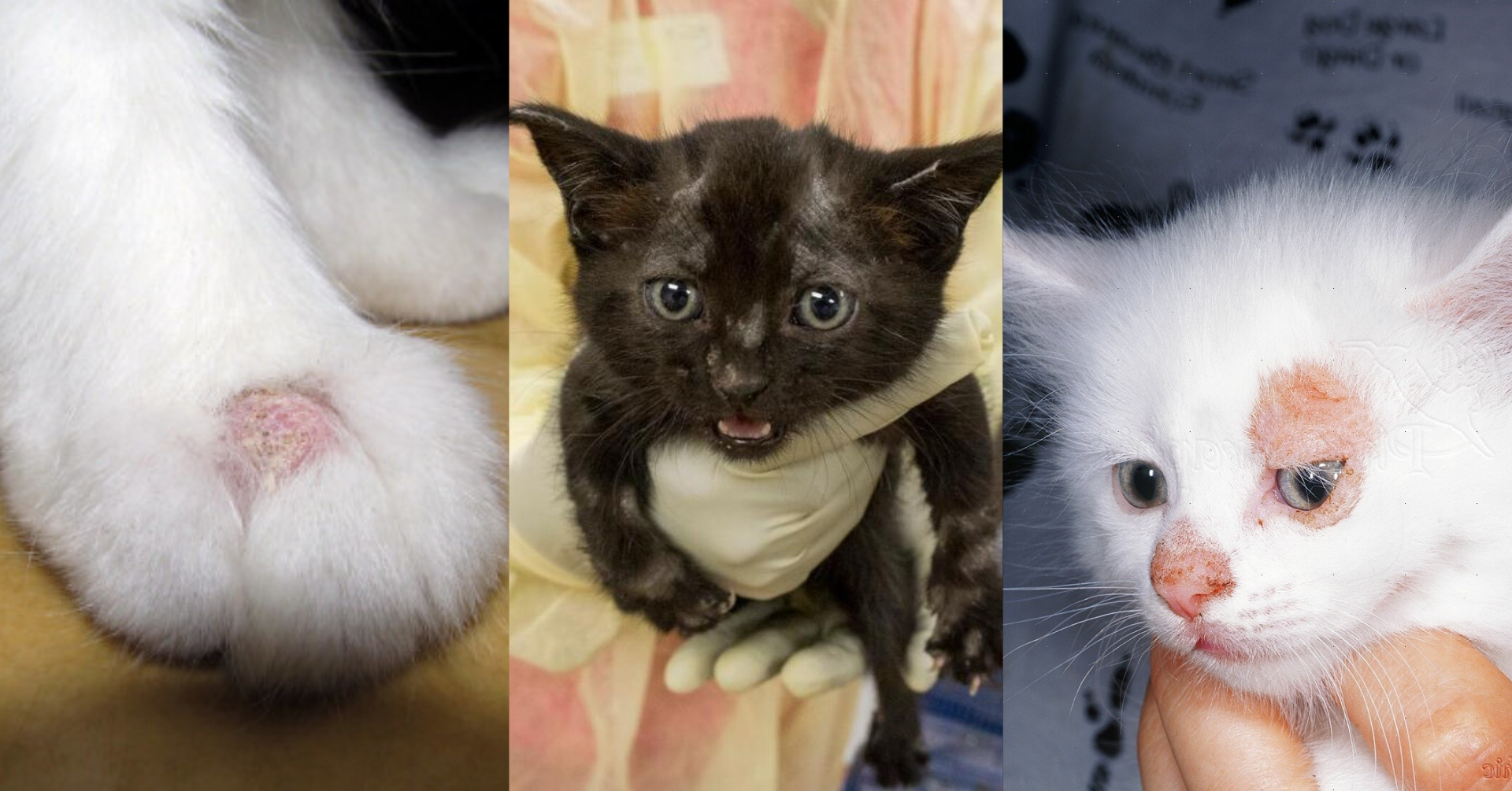
Credit: www.coloradoanimalrescue.org
Natural Remedies
Ringworm in cats can be distressing for both pets and owners. Many cat owners prefer natural remedies to treat this fungal infection. These remedies often use herbs and household items. They can be gentle on your cat’s skin. Let’s explore some safe and effective options for your feline friend.
Safe Herbal Solutions
Herbal solutions can be a gentle way to tackle ringworm. Aloe vera is known for its soothing properties. Apply a small amount of pure aloe gel to the infected area. Make sure it’s safe for cats, with no added chemicals.
Another option is apple cider vinegar. Dilute it with water before use. Spray the solution on the affected skin. This can help to restore pH balance and fight infection. Be careful not to use it on open wounds.
Effectiveness And Limitations
Natural remedies can be effective for mild cases of ringworm. They may reduce itchiness and inflammation. But they might not work for severe infections. Always monitor your cat’s condition.
Consult a vet if the infection worsens. Some herbs might not suit all cats. Test a small patch of skin first. This can prevent adverse reactions. Remember, natural doesn’t always mean safe for every pet.
Preventive Measures
Keeping your cat’s environment clean helps prevent ringworm. Regularly wash bedding and toys. Use antifungal shampoos and topical treatments as recommended by a vet. Ensure your cat’s immune system is strong with a balanced diet. Regular check-ups can detect issues early, reducing the spread of ringworm.
Preventing ringworm in cats requires a proactive approach. By taking preventive measures, you can protect your feline friend from this pesky fungal infection. It’s not just about treating the problem—it’s about keeping your cat healthy and happy.Regular Health Checks
Regular health checks are essential for early detection and prevention of ringworm. Schedule routine vet visits even if your cat seems perfectly healthy. A quick check-up can catch issues before they become serious. Inspect your cat’s skin and coat frequently. Look for any changes like scaly patches or hair loss. These could be early signs of ringworm. Don’t forget to groom your cat regularly. Brushing not only keeps their coat shiny but also helps you spot potential problems early.Maintaining A Clean Environment
A clean environment is crucial in preventing ringworm. Keep your cat’s living area tidy and free from dirt and debris. Regular cleaning reduces the risk of fungal spores lingering and spreading. Wash your cat’s bedding and toys frequently. Use hot water to eliminate any potential spores. This simple step can make a big difference in preventing infections. Consider your own hygiene too. Wash your hands after handling your cat, especially if they’ve been outside. This helps prevent transferring any potential spores to other areas of your home. Have you ever noticed how a simple routine can make a big impact? By keeping your cat’s environment clean and ensuring regular health checks, you can effectively reduce the risk of ringworm. Are there any other preventive measures you’ve found effective in keeping your furry friend healthy?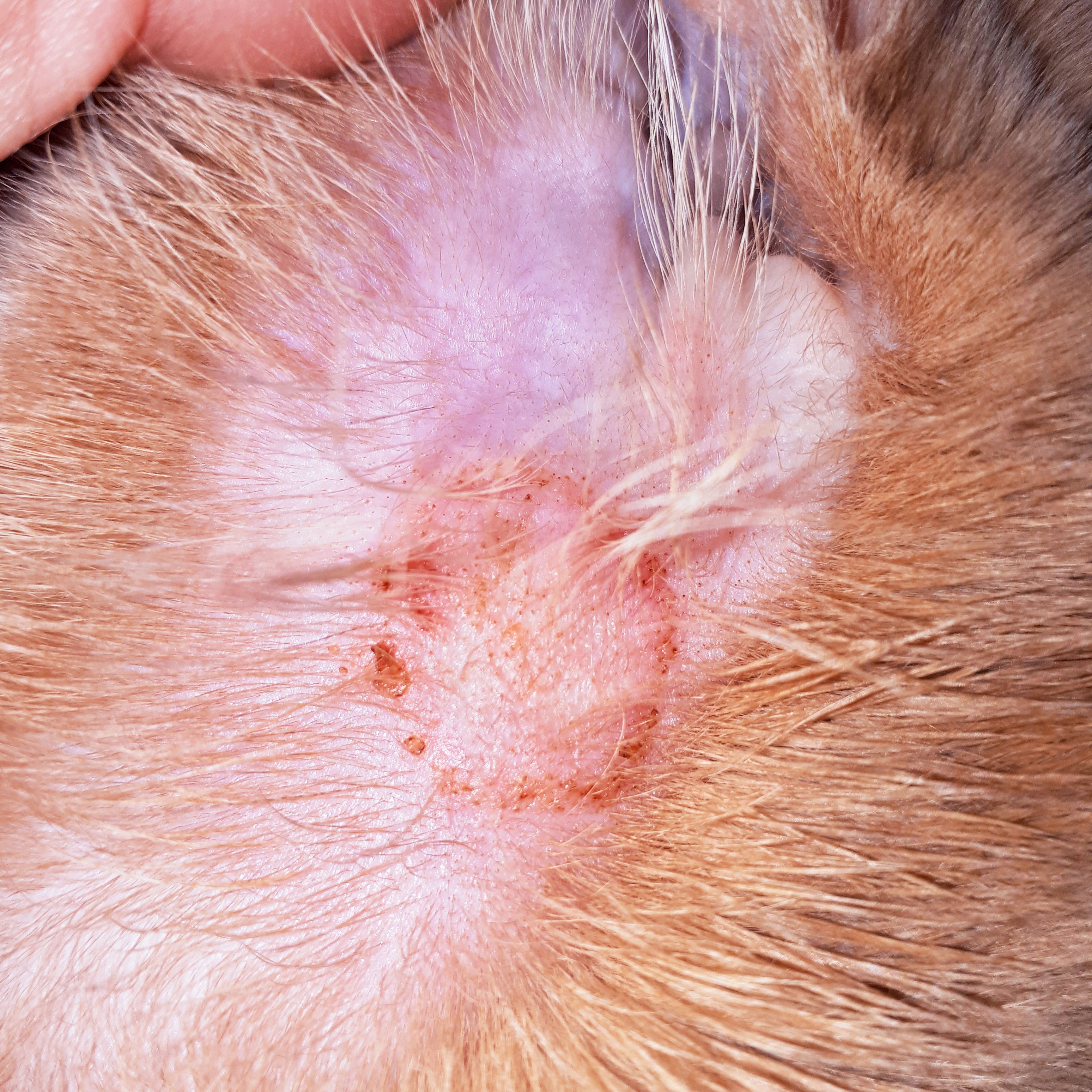
Credit: www.purina.com.au
Frequently Asked Questions
How Can I Treat My Cat’s Ringworm Fast At Home?
Use antifungal creams or shampoos specifically designed for cats. Clean and disinfect your home regularly. Isolate the infected cat to prevent spreading. Ensure a balanced diet to boost the immune system. Consult a vet if symptoms persist.
Can Ringworm In Cats Go Away By Itself?
Ringworm in cats usually requires treatment and doesn’t go away on its own. Consult a vet for diagnosis and appropriate medication. Early treatment prevents spreading and speeds recovery. Keep your cat’s environment clean to reduce infection risk.
What Triggers Ringworm In Cats?
Ringworm in cats is triggered by a fungal infection. The fungus spreads through direct contact with infected animals or contaminated objects. Warm, humid environments can enhance fungal growth, increasing risk. Cats with weak immune systems or skin injuries are more susceptible to infection.
Regular cleaning reduces contamination chances.
Is It Safe To Touch A Cat With Ringworm?
Touching a cat with ringworm can spread the infection to humans. It’s best to avoid contact and seek veterinary advice. Always wash your hands thoroughly after handling any infected animal. Keeping the cat isolated and using protective gloves can help prevent transmission.
Conclusion
Caring for a cat with ringworm requires patience and love. Ensure their environment stays clean. Use vet-recommended treatments for best results. Regular check-ups help monitor progress. Keep your pet’s bedding and toys sanitized. This prevents the fungus from spreading. Limit contact with infected areas.
This protects you and other pets. Always wash hands after touching your cat. Follow these steps for a healthier, happier pet. Your dedication makes a big difference. Enjoy the bond you share with your feline friend. They appreciate your care and attention.
Remember, a healthy cat is a happy cat.