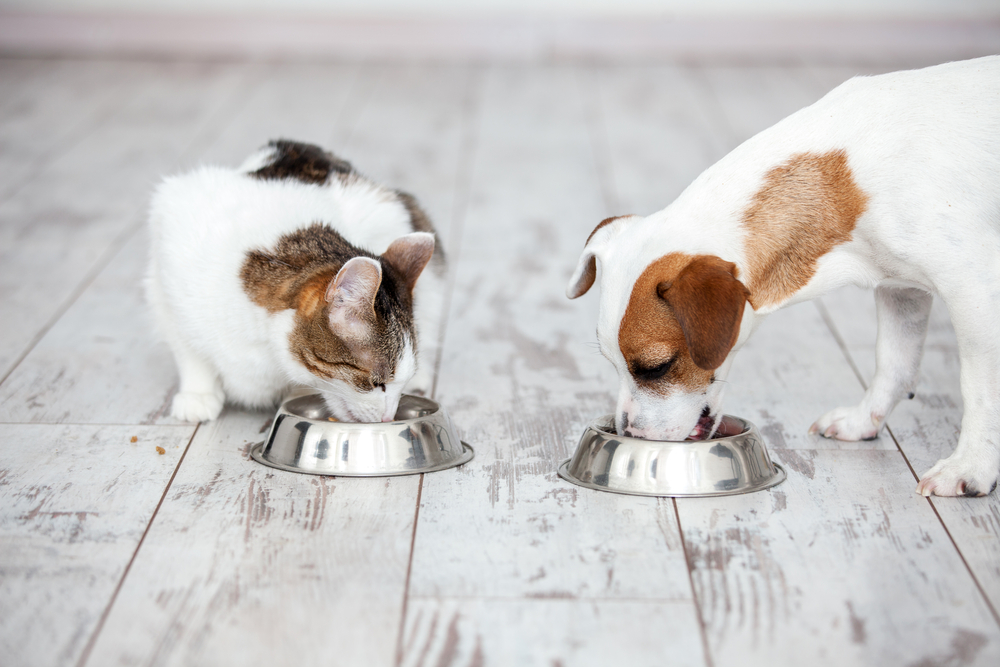
Ever caught your dog sneaking a bite of your cat’s food? You’re not alone.
Many pet owners wonder if it’s safe for dogs to munch on cat food. You care about your furry friend’s health, and you want to make sure they’re eating what’s best for them. Understanding the differences in pet nutrition can be confusing, but knowing the right information could prevent potential health issues.
Stick around, because what you discover next might surprise you and could be a game changer for your pet’s diet.
Nutritional Differences
Dogs and cats have different dietary needs. Understanding these differences is crucial. Cat food may not be suitable for dogs. Let’s explore why.
Protein Content
Cats are obligate carnivores. They need more protein than dogs. Cat food often contains high protein levels. This suits a cat’s dietary needs. Dogs are omnivores. Their diet includes a mix of protein and other nutrients. Too much protein can strain a dog’s kidneys. It can lead to health issues over time.
Fat Levels
Cat food usually has higher fat levels. Cats use fats as a primary energy source. Dogs need fats too, but in balanced amounts. Excess fat can lead to obesity in dogs. This can also cause pancreatitis. It’s essential to monitor a dog’s fat intake.
Essential Nutrients
Cats need taurine in their diet. They cannot produce it themselves. Dog food contains less taurine. Dogs can synthesize taurine on their own. Cat food also has higher vitamin A levels. Excess vitamin A can harm dogs. It can cause bone issues and muscle weakness.
Why Dogs Might Eat Cat Food
Dogs often find themselves nibbling on cat food. This behavior might confuse many pet owners. Understanding why dogs eat cat food can help address this issue effectively. Two main reasons are taste preferences and availability.
Taste Preferences
Cat food often has a stronger smell. Dogs are attracted to this intense aroma. Their sense of smell is powerful. This makes cat food irresistible to them. Cat food contains more protein and fat. These are tasty for many dogs. The flavors in cat food are rich. This richness can be more appealing than regular dog food.
Availability
Cat food might be more accessible in a home with both pets. It is often left out for cats to eat freely. Dogs can easily reach and eat it. If a dog is hungry and sees cat food, they will eat it. Cat food bowls are usually smaller and lower. This makes it easier for dogs to access them.
Potential Risks
Feeding your dog cat food can pose various risks. Cat food is designed for felines. Dogs and cats have different dietary needs. Understanding these risks helps keep your dog healthy. Let’s explore some potential dangers.
Digestive Issues
Dogs may experience digestive issues from cat food. Cat food is richer and more concentrated. This can upset a dog’s stomach. Symptoms include diarrhea and vomiting. Long-term feeding can worsen these issues. Always monitor your dog’s reaction.
Nutrient Imbalance
Cat food lacks nutrients essential for dogs. Dogs need specific proteins and vitamins. Cat food does not meet these needs. Over time, nutrient imbalance can affect your dog’s health. It can lead to serious deficiencies.
Weight Gain
Cat food contains higher calories and fats. Dogs eating it may gain weight quickly. Excess weight leads to health problems. Keep your dog at a healthy weight. Choose food designed for dogs.
Possible Benefits
When it comes to feeding our furry friends, you might find yourself wondering if dogs can eat cat food. While cat food isn’t specifically designed for dogs, there are certain aspects that might offer benefits. Understanding these benefits can help you make informed decisions about your dog’s diet.
High Protein Intake
Cat food is generally higher in protein compared to dog food. This is because cats are obligate carnivores and require a protein-rich diet. If your dog is highly active or recovering from an illness, the extra protein might be beneficial. It can aid in muscle repair and growth, keeping your dog strong and healthy.
However, consider your dog’s overall health before offering cat food. High protein might be good for some dogs but not ideal for others, especially those with kidney issues. Always consult your vet to see if this is a viable option.
Palatability
Have you ever noticed your dog sneaking a bite of cat food? Dogs often find cat food more appealing due to its richer taste and smell. This could be a game-changer if your dog is a picky eater. Offering a small amount of cat food might stimulate their appetite.
However, use it sparingly. While tempting, regular consumption of cat food might lead to nutritional imbalances. Try mixing a little cat food with their regular meals to make it more enticing.
Would you consider these benefits worth the risk? It’s crucial to weigh the pros and cons and consult your vet for advice tailored to your dog’s needs. Balancing their diet is key to ensuring they live a long, healthy life.
Signs Of Trouble
Dogs might occasionally nibble on cat food, but it isn’t safe. Cat food lacks the nutrients dogs need. Eating cat food can cause health issues for dogs. It’s important to watch for signs of trouble.
Allergic Reactions
Some dogs might develop allergies from cat food. Common signs include itching and redness. Sneezing and watery eyes are also possible. Allergic reactions can worsen without treatment. If these signs appear, consult a vet quickly.
Gastrointestinal Distress
Cat food might upset a dog’s stomach. Symptoms include vomiting and diarrhea. Your dog may also become lethargic. Watch for loss of appetite or unusual behavior. These signs indicate gastrointestinal distress. Quick action can prevent severe health issues.
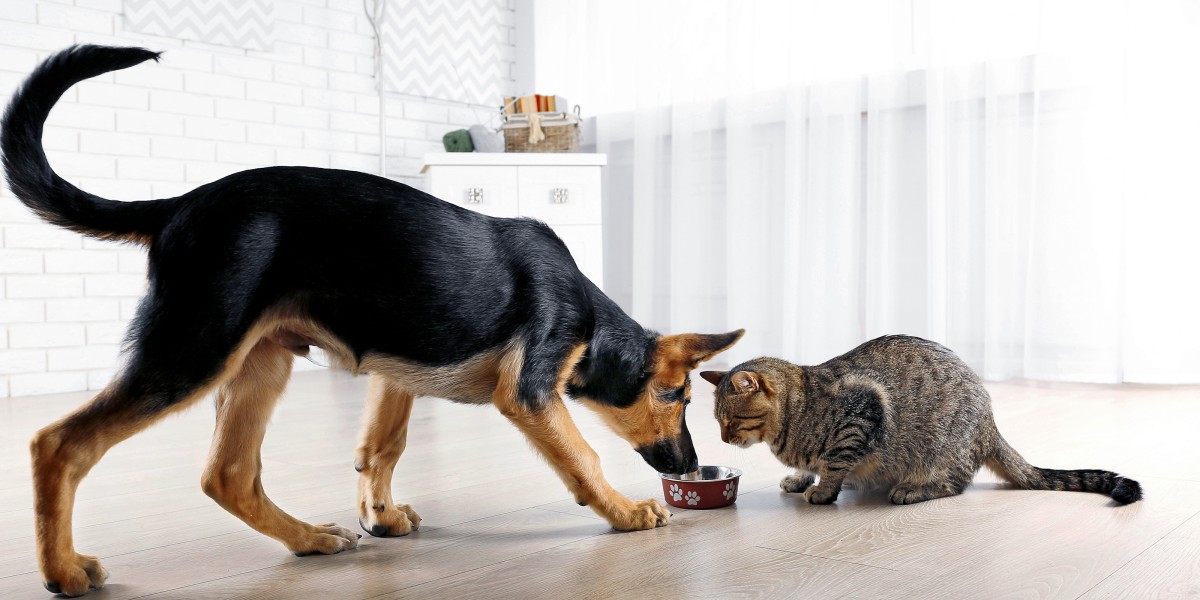
Credit: www.purina.com
Alternatives To Cat Food
Dog owners sometimes wonder if their pets can eat cat food. It might seem like a convenient option. Yet, it’s essential to offer your dog a suitable diet. Feeding dogs cat food may lead to health issues. So, what are the alternatives to cat food? Explore these options to ensure your dog stays healthy and happy.
Formulated Dog Diets
Dog food is specially made for canine nutrition. It contains the right balance of nutrients. This supports your dog’s health and energy levels. Dog diets are tailored to different life stages. Whether your dog is a puppy, adult, or senior, there’s a diet for them. Choose dog food that meets your dog’s specific needs. Look for high-quality brands with real meat as the first ingredient. Avoid artificial preservatives and fillers. This ensures your dog receives the best possible nutrition.
Homemade Meals
Homemade meals can be a great alternative. They allow control over ingredients. You can provide fresh and healthy food. Start with lean meats like chicken or beef. Add vegetables such as carrots and peas. Include grains like rice or oats. These provide carbohydrates for energy. Ensure the meals are balanced and complete. Consult a vet for guidance on portions and nutrients. Homemade meals can be a rewarding way to feed your dog. They offer the chance to tailor meals to their preferences and needs.
Veterinarian Advice
Understanding the dietary needs of pets is crucial. Dogs and cats have different nutritional requirements. Yet, sometimes dogs eat cat food. What do experts say? Veterinarian advice is vital here. Vets can guide on occasional instances or frequent habits. Their insights help ensure your pet’s health and safety.
When To Consult
If your dog eats cat food regularly, consult a vet. This step is important if the dog shows unusual behavior. A vet can assess whether your dog needs a diet change. They will check for any health concerns. Early consultation can prevent potential health issues.
Monitoring Health
After a dog eats cat food, monitor their health closely. Observe any changes in energy levels. Watch for digestive issues like diarrhea or vomiting. If any signs appear, contact your vet immediately. Regular check-ups ensure your dog remains healthy and happy.

Credit: www.usatoday.com
:strip_icc()/GettyImages-1137504605-4ea3ceec185f4d1e9dc39fb71f8ae04c.jpg)
Credit: www.fireline.com
Frequently Asked Questions
What Can Happen If A Dog Eats Cat Food?
Dogs consuming cat food may face digestive issues due to higher protein and fat content. Long-term consumption risks nutritional imbalance and obesity. Cat food lacks essential nutrients for dogs, potentially causing health problems. Always ensure dogs eat food formulated for them to maintain optimal health.
What Cat Food Is Ok For Dogs?
Dogs can occasionally eat cat food, but it’s not ideal for long-term feeding. Cat food contains more protein and fat, which may cause digestive issues in dogs. Always consult a vet before feeding cat food to dogs, ensuring their dietary needs are met properly.
Is It Okay To Give Cat Food To A Dog?
No, it’s not okay to give cat food to dogs. Cat food is high in protein and fat, which can harm dogs. They need balanced nutrition specific to their dietary needs. Always provide dog-specific food for optimal health. Consult your vet for any dietary concerns.
What Happens If My Dog Eats A Cat?
Dogs should never eat cats; it can cause serious health issues. Contact a vet immediately for guidance. Possible risks include choking, digestive problems, or infections. Monitor your dog closely for any signs of distress or discomfort. Always prioritize the safety of both pets to prevent such incidents.
Conclusion
Dogs and cat food don’t mix well. Cats need different nutrients. Feeding dog cat food can cause health issues. It’s crucial to provide the right food. Dogs thrive on a balanced diet. Consult your vet for advice. This ensures your dog stays healthy.
Always choose quality dog food. It supports their growth and energy. Keep their meals nutritious and safe. Remember, your pet’s health is a priority. Feeding them correctly is a responsibility. This keeps them happy and lively. Make informed decisions for their well-being.
Your dog deserves the best.