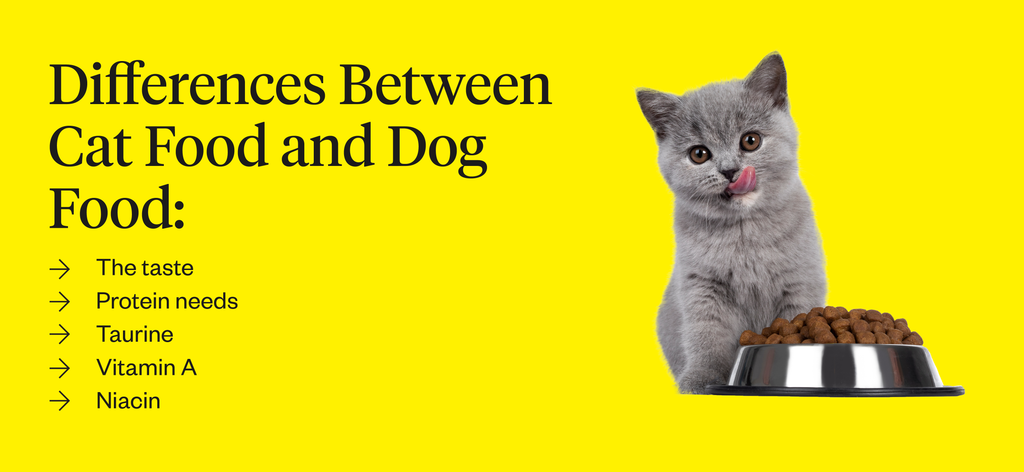
Have you ever run out of dog food and wondered if you could feed your dog some cat food instead? It’s a situation that might seem harmless, but could it be risky for your furry friend?
This question might pop into your mind more often than you’d think. You love your pets, and naturally, you want the best for them. Yet, in a pinch, you might reach for the nearest bowl of kibble. Before you do, take a moment to consider what’s at stake.
Can feeding cat food to dogs cause health issues, or is it a safe alternative? Uncover the truth and ensure your beloved pet stays healthy and happy. Keep reading to learn what experts say and discover what you need to know about feeding cat food to dogs.
Nutritional Needs Of Cats And Dogs
As a pet owner, you may have wondered if you can feed cat food to your dog. While both cats and dogs are beloved household companions, their nutritional needs are quite different. Understanding these differences is crucial to ensuring your pet’s health and well-being. Let’s dive into the specifics of what makes their diets unique.
Dietary Differences
Cats and dogs have evolved to thrive on different types of diets. Cats are obligate carnivores, meaning they rely heavily on meat and animal products for nutrition. Dogs, on the other hand, are omnivores and can enjoy a more varied diet that includes both meat and plant-based foods.
Feeding cat food to a dog can lead to an imbalance in their diet. Cat food is richer in proteins and fats, which can be overwhelming for a dog’s digestive system. This could potentially lead to obesity or other health issues over time.
Essential Nutrients For Cats
Cats require certain nutrients that are not necessary for dogs. Taurine is a prime example; it’s an amino acid that is vital for a cat’s heart and eye health. Without it, cats can suffer serious health problems.
Additionally, cats need a higher amount of vitamin A and arachidonic acid. These nutrients are naturally found in animal tissues, reinforcing their meat-heavy diet requirements.
Essential Nutrients For Dogs
Dogs have different nutritional needs that are tailored to their omnivorous nature. They require a balance of proteins, carbohydrates, and fats to maintain their energy levels. Fiber is also important for their digestive health.
Unlike cats, dogs can convert beta-carotene found in vegetables into vitamin A. This allows for more flexibility in their diet, making it easier to meet their nutritional needs through a variety of food sources.
Have you ever noticed how your dog might enjoy the occasional carrot or apple slice? This is because their digestive system is equipped to handle a diverse range of foods.
So, next time you consider sharing a bowl of cat food with your furry friend, remember that their nutritional worlds are not interchangeable. Ensuring a proper diet tailored to their needs is essential for their health and happiness.
:max_bytes(150000):strip_icc()/can-cats-eat-dog-food-942132618-2000-979870fdb5674ebaa1f67b94df1218e0.jpg)
Credit: www.embassyofpakistanusa.org
Key Ingredients In Cat Food
Feeding cat food to dogs can be risky. Cats need more protein and certain nutrients than dogs. Dog food lacks taurine, essential for cats but not for dogs.
Cat food and dog food differ in several ways. Understanding the key ingredients in cat food helps explain why it may not be suitable for dogs. Cats and dogs have different dietary needs. This section explores the primary components found in cat food.High Protein Content
Cats are obligate carnivores. They require high protein levels for optimal health. Cat food often contains more protein than dog food. This high protein content supports a cat’s muscle maintenance and energy needs. Dogs, while omnivores, need less protein. Excess protein can strain a dog’s kidneys. Feeding cat food to dogs can lead to digestive issues.Taurine Requirement
Taurine is crucial for cats. They cannot produce it naturally. Without taurine, cats may suffer from heart disease and vision problems. Cat food includes taurine to meet this need. Dogs can produce taurine on their own. They don’t need extra taurine in their diet. Providing dog food with added taurine is unnecessary and may lead to imbalances.Fat And Calorie Levels
Cat food is often richer in fats and calories. This supports their higher energy requirements. Cats need these to maintain their active nature. Dogs, depending on size and breed, may not need such rich diets. Eating cat food can cause weight gain in dogs. It might also lead to pancreatitis. Keeping a balanced diet is essential for a dog’s health. Understanding these key ingredients highlights why cat food is not ideal for dogs. Each pet has unique dietary needs. Feeding them the right food ensures their well-being.Potential Benefits Of Feeding Cat Food To Dogs
Feeding cat food to dogs is not typically recommended. Yet, there can be some benefits in specific situations. For instance, cat food has a strong aroma that can attract picky eaters. It also contains high protein levels which might be useful temporarily. Short-term feeding might help dogs needing extra nutrition in certain cases. Let’s explore these potential benefits further.
Taste Appeal For Picky Eaters
Some dogs are fussy about their meals. Cat food often smells and tastes stronger. This can make it more appealing to picky dogs. The rich flavors might encourage them to eat when they refuse regular dog food.
Short-term Dietary Options
Cat food can serve as a short-term diet change. Dogs recovering from illness might benefit from the extra protein. It can help when trying to increase calorie intake temporarily. This should not replace a balanced dog diet long-term.
Credit: www.embassyofpakistanusa.org
Risks Of Feeding Cat Food To Dogs
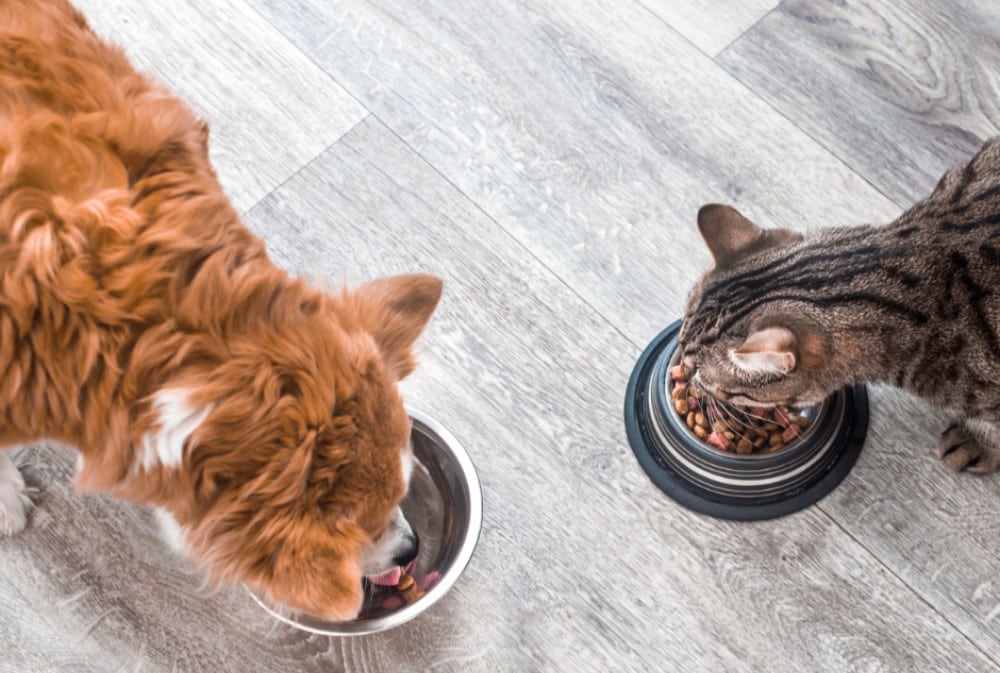
Feeding cat food to dogs can cause health issues. Dog food has nutrients suited for dogs, while cat food is rich in proteins and fats, which might upset a dog’s stomach. It’s crucial to maintain a balanced diet for each pet to ensure their well-being.
Feeding cat food to dogs might seem harmless, especially when your pup eagerly gobbles it up. But what you might not realize is that this habit could lead to several health risks. It’s tempting to share food between pets, especially when you’re juggling busy schedules. However, doing so can lead to nutritional imbalances and long-term health concerns for your dog. Let’s break down the risks involved so you can make informed decisions for your furry friends.Nutritional Imbalance
Dogs and cats have different dietary needs. Cat food is packed with proteins and fats that are perfect for felines but not for canines. Dogs require a balanced diet with carbohydrates, proteins, fats, vitamins, and minerals. Feeding your dog cat food can result in excessive protein intake, which might be taxing on their liver and kidneys. Imagine if you were to eat steak every day; your body would miss out on essential nutrients. Similarly, your dog’s body needs a balanced mix to thrive. Is your dog’s energy level fluctuating or their coat looking dull? These might be signs of nutritional imbalance. It’s crucial to stick to food that meets your dog’s specific nutritional requirements.Digestive Issues
Have you ever had a stomach ache after eating something unusual? Dogs can experience similar digestive issues when consuming cat food. Cat food is richer and heavier, which can upset your dog’s stomach. Diarrhea and vomiting are common symptoms when a dog eats food meant for cats. Picture your dog suffering from these issues simply because their diet isn’t suitable. You want your dog to be playful and happy, not uncomfortable and sluggish. Monitoring your dog for these signs can help you prevent digestive distress. If you notice any symptoms, consult your vet to adjust their diet immediately.Long-term Health Concerns
Feeding cat food to dogs may not show immediate harm, but the long-term effects can be serious. Excessive protein and fat can lead to obesity, which opens the door to diabetes and heart disease. Think about how lifestyle choices impact your health over time. The same applies to your pets. Would you compromise your dog’s future health for temporary convenience? Regular vet check-ups can help track your dog’s health and prevent potential issues. Prioritize their well-being by keeping their diet dog-specific and nutrient-rich. In managing your pet’s diet, you hold the key to their health and happiness. Always choose what’s best for them. Wouldn’t you want your furry friend to lead a long, healthy life?Situations When Cat Food May Be Acceptable
In certain situations, feeding cat food to dogs may be acceptable. Cat food is crafted with distinct nutritional elements. It is not suitable for dogs as a regular diet. Yet, there are times when it can be a temporary solution.
Emergency Scenarios
Imagine running out of dog food unexpectedly. The store is closed, and you’re left with only cat food. In such cases, using cat food for a short period can be acceptable. It provides basic sustenance for your dog. Ensure it doesn’t become a habit. Dogs need food tailored to their needs.
Another emergency scenario might involve natural disasters. Floods, hurricanes, or power outages can disrupt supply chains. You might find yourself with limited resources. Feeding your dog cat food for a day or two is better than starvation. Always return to dog food once the situation stabilizes.
Consulting A Veterinarian
Before making dietary changes, consult a veterinarian. They can provide advice tailored to your dog’s health. Vets understand the nutritional differences between cat and dog food. They may suggest alternatives or temporary solutions.
In some cases, a vet might recommend cat food for specific health reasons. Some dogs have special dietary needs. A vet can guide you on how to integrate cat food safely. Always rely on professional advice for long-term dietary decisions.
Alternatives To Cat Food For Dogs
Feeding dogs cat food can cause health problems. Dogs and cats have different dietary needs. Dogs need a balanced diet to stay healthy. There are better alternatives to cat food for dogs. These options ensure your dog stays fit and happy.
Specialized Dog Diets
Specialized dog diets cater to unique needs. Some dogs have allergies or sensitive stomachs. Others may need weight management. These diets address those specific requirements. They provide necessary nutrients for their well-being. Consult a vet for the best diet plan.
Homemade Dog Meals
Homemade dog meals offer a healthy alternative. You control the ingredients and portions. This ensures your dog gets fresh and nutritious food. Use lean meats, vegetables, and grains. Avoid spices and harmful ingredients. Homemade meals can be cost-effective too.
Expert Opinions And Recommendations
Feeding cat food to dogs is not recommended by experts. Cats and dogs have different nutritional needs. Dog food is balanced for dogs, while cat food may lack essential nutrients for canines. Always consult a veterinarian for the best advice on pet nutrition.
When it comes to feeding your pets, it’s crucial to know what’s best for their health. You might wonder if you can feed cat food to dogs, especially if you have both in your home. To clear the confusion, we dive into expert opinions and recommendations. We’ll explore insights from veterinarians and pet nutritionists to guide you in making informed decisions.Veterinarian Insights
Veterinarians often caution against feeding cat food to dogs. Cats and dogs have different nutritional needs, and their foods are formulated accordingly. Cat food is typically higher in protein and fat, which can lead to health issues in dogs if consumed regularly. For example, one veterinarian shared a story about a dog that became overweight due to eating its feline friend’s food. The dog developed pancreatitis, a painful condition linked to high-fat diets. Have you noticed your dog sneaking bites of your cat’s food? It might be time to intervene for their well-being.Pet Nutritionist Advice
Pet nutritionists also advise against using cat food as a regular part of a dog’s diet. Dogs require certain nutrients, like specific amino acids, that cat food might lack. Feeding your dog cat food could result in nutrient deficiencies over time. A pet nutritionist explained that while a dog might enjoy the taste of cat food, it doesn’t mean it’s good for them. Consider the long-term impact on their health and choose dog-specific food to meet their dietary needs. Are you ensuring your pet’s meals are balanced and nutritious? In summary, while it might be convenient to share food between your pets, it’s best to stick to species-specific diets. Take the time to consult with your veterinarian or a pet nutritionist for personalized advice. Your pets rely on you to make the best choices for their health—let’s give them the nutrition they deserve.
Credit: www.onefurallpets.com
Frequently Asked Questions
What If I Give Cat Food To My Dog?
Feeding cat food to dogs can lead to digestive issues and nutritional imbalances. Cat food is higher in protein and fat than dog food, which may harm your dog’s health. Always provide food specifically formulated for dogs to ensure a balanced diet and avoid health problems.
Can Dogs Eat Cat Food Occasionally?
While a small amount of cat food won’t harm most dogs, it’s not recommended. Cat food is higher in protein and fat, which can upset a dog’s digestive system. Regular consumption may lead to obesity and nutritional deficiencies. It’s best to provide dog-specific food for a balanced diet.
What Happens If A Dog Eats Cat Food?
If a dog consumes cat food, it might experience digestive upset, including diarrhea or vomiting. Over time, it can cause obesity and nutritional imbalances due to high protein and fat content. Always monitor your dog for any adverse reactions and consult a vet if concerns arise.
Why Is Cat Food Bad For Dogs?
Cat food is formulated with high protein and fat levels, which are unsuitable for dogs. Dogs require a different balance of nutrients for optimal health. Continuous consumption can lead to obesity, pancreatitis, and nutritional deficiencies in dogs.
Conclusion
Feeding cat food to dogs is not a good idea. Cats and dogs have different nutritional needs. Dog food meets a dog’s dietary requirements. Cat food is higher in protein and fat, which dogs don’t need. Continuous feeding can lead to health issues in dogs.
Consult your vet for the best diet for your dog. Always choose dog-specific food for their well-being. Keep your pets healthy and happy. A balanced diet is key. Remember, each pet is unique. Their diet should be too. Follow these tips for a healthy pet.