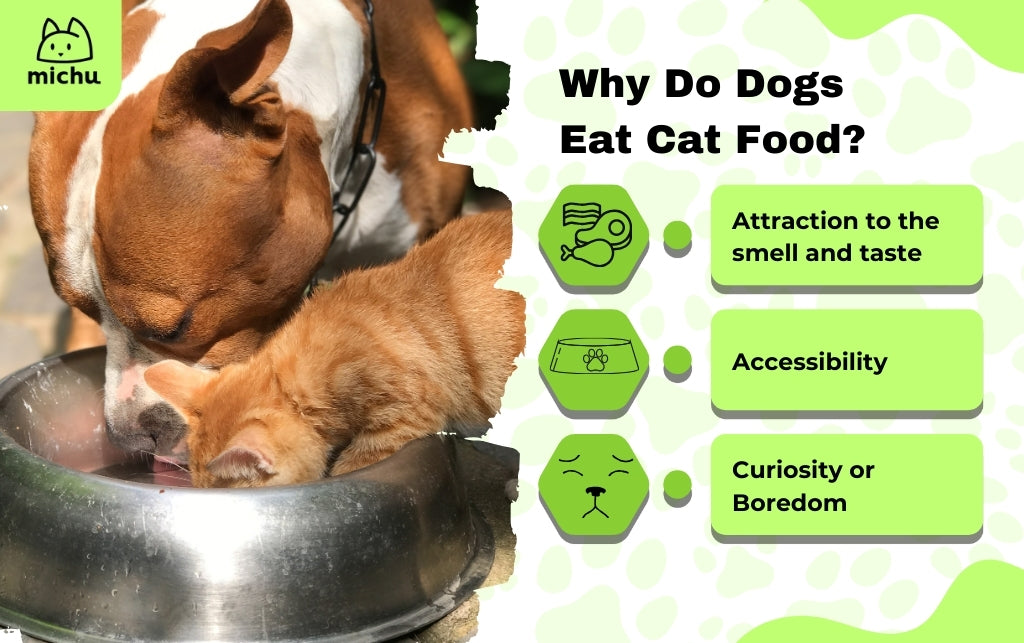
Are you standing in the pet food aisle, scratching your head, and wondering if you can feed your dog cat food? You’re not alone.
Many pet owners have found themselves in this predicament, perhaps due to convenience or a curious canine who seems to prefer the neighbor’s cat food over their own kibble. But before you pour that bowl, it’s crucial to understand how different these foods truly are.
You might think they’re similar, but the nutritional needs of dogs and cats vary significantly. This article will uncover the surprising facts about feeding your dog cat food, ensuring your furry friend stays healthy and happy. Keep reading to discover why reaching for that cat food bag might not be the best choice for your loyal companion.
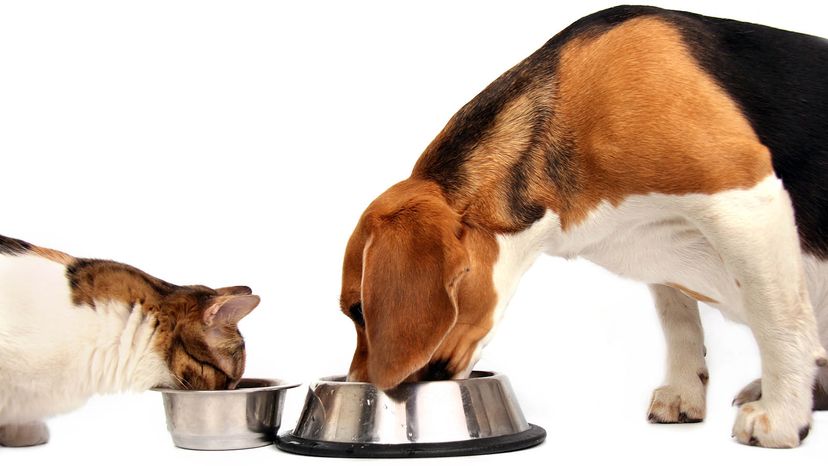
Credit: animals.howstuffworks.com
Differences Between Dog And Cat Nutrition
Dogs and cats have different nutritional needs. Their diets should reflect these needs. Feeding your dog cat food might not meet their health requirements.
Understanding these differences is important for their well-being. Let’s explore the key nutritional requirements for both animals.
Protein Requirements
Cats need more protein than dogs. They are obligate carnivores. This means they need animal-based protein. Dogs are omnivores. They can eat a more varied diet.
Cat food usually has higher protein content. Feeding a dog cat food may lead to excessive protein intake. This could cause health issues over time.
Vitamin And Mineral Needs
Cats and dogs need different vitamins and minerals. Cats need taurine, an essential amino acid. Dogs can produce taurine themselves. Cat food contains more taurine than dog food.
Feeding cat food to dogs might cause a mineral imbalance. This could affect their health negatively.
Caloric Intake
Caloric needs differ between dogs and cats. Cats require fewer calories. They have a slower metabolism than dogs. Dogs need more calories for energy and growth.
Cat food might not provide enough calories for dogs. This can lead to weight loss or energy deficiency.
Credit: www.banfield.com
Potential Risks Of Feeding Dogs Cat Food
Feeding dogs cat food can cause health problems due to different nutritional needs. Dogs may suffer from digestive issues and nutrient imbalances. Prioritizing dog-specific food ensures balanced nutrition for your pet.
Feeding your dog cat food might seem convenient, but it comes with potential risks that can affect your pet’s health. While both animals are furry companions, their nutritional needs are vastly different. Understanding these risks can help you make informed choices about your pet’s diet.Imbalanced Nutrients
Cat food is formulated to meet the nutritional needs of felines, which are quite different from those of dogs. Cats require higher levels of protein, taurine, and certain fats that are not necessary for dogs. Feeding your dog cat food can lead to nutrient imbalances. Imagine your dog missing out on the essential vitamins and minerals they need for optimal health. You wouldn’t want your dog to feel less energetic or struggle with digestive issues due to improper nutrition.Health Implications
A diet rich in cat food could potentially lead to health problems for your dog. Excessive protein intake might strain your dog’s kidneys. You may notice changes in your dog’s bathroom habits or even signs of discomfort. Is your dog drinking more water than usual? Such symptoms might be linked to their diet. Additionally, the high fat content could contribute to obesity, putting your dog at risk for further health complications.Long-term Effects
Feeding your dog cat food regularly can have long-term consequences. Over time, nutrient deficiencies could lead to serious issues like heart disease or weakened bones. It’s a bit like feeding a child only candy and expecting them to grow strong and healthy. As a responsible pet owner, you want to ensure your dog’s longevity and quality of life. So, why risk their health with inappropriate food choices? Consider the questions that arise when thinking about your pet’s diet: Are you providing what they truly need for a happy, healthy life? Making the right choice can prevent unforeseen health problems and ensure your dog thrives.Signs Of Nutritional Deficiency In Dogs
Feeding your dog cat food can lead to nutritional deficiencies. Dogs and cats have different dietary needs. Cat food lacks certain nutrients essential for dogs. Recognizing signs of deficiency early can prevent serious health issues. Here are some common signs that your dog might not be getting the nutrients they need.
Behavioral Changes
Watch for unusual behavior in your dog. A dog with a nutritional deficiency may become irritable. They might also seem lethargic or less active. A decrease in playfulness can signal a problem. Pay attention to any sudden changes in their mood.
Physical Symptoms
Physical changes can indicate a lack of nutrients. Look for weight loss or a dull coat. Dogs might have dry skin or brittle fur. Poor dental health can also be a sign. Check for unusual shedding or hair loss.
Veterinary Indicators
A vet can identify signs of deficiency more accurately. Blood tests might reveal low nutrient levels. A vet may notice weak bones or muscle weakness. Regular check-ups help catch these issues early. Discuss any concerns you have with your vet.
Safe Alternatives To Cat Food
Feeding your dog cat food occasionally might not harm, but it’s not ideal for regular meals. Dogs need different nutrients than cats. Consider safe alternatives like chicken, rice, or vegetables to meet your dog’s dietary needs. These options are healthier and ensure your pet stays energetic and happy.
Feeding your dog cat food might seem convenient, but it’s not an ideal choice for their health. Dogs and cats have different nutritional needs, and cat food can lack essential nutrients dogs require. If you’re looking for safe alternatives to cat food, let’s explore some options that can keep your canine friend healthy and happy.Dog-specific Diets
Dog-specific diets are tailored to meet the unique nutritional needs of dogs. These diets ensure your pet gets the right balance of proteins, carbohydrates, and fats. Many brands offer a variety of flavors and formulations to cater to different tastes and dietary requirements. Consider trying grain-free options if your dog has allergies. Have you checked the label of your dog’s food recently? The ingredients can tell you a lot about what your pet is consuming.Homemade Meals
Preparing homemade meals for your dog can be rewarding. You have full control over what goes into their food. Use fresh meats, vegetables, and grains to create balanced meals. Consult your vet to ensure you’re providing the right nutrients. Have you ever tried making a batch of chicken and rice for your dog? It’s simple and they often love it.Specialized Dog Formulas
Specialized dog formulas are designed for various health needs and life stages. Whether your dog is a puppy, adult, or senior, there’s a formula for them. Some formulas address specific health concerns like weight management or joint support. Have you ever thought about how a specialized diet might improve your dog’s energy levels? A little change can make a big difference. Choosing the right diet for your dog is crucial. It’s about more than just feeding them; it’s about ensuring their long-term health and happiness. What alternatives are you considering for your furry friend?Tips For Proper Dog Nutrition
Feeding your dog the right food is crucial for its health. Dogs need nutrients that cat food can’t provide. Here are some tips to ensure your dog gets proper nutrition.
Choosing The Right Dog Food
Pick food tailored for your dog’s age and size. Puppies need different nutrients than adult dogs. Read labels for balanced ingredients. Quality protein sources are important. Look for foods with real meat, not by-products. Avoid foods with fillers like corn or soy.
Monitoring Dietary Needs
Track your dog’s weight and energy levels. Adjust food portions based on activity. Active dogs may need more calories. Check for any signs of allergies or intolerance. If your dog scratches often or has digestive issues, consult a vet.
Consulting With Veterinarians
Regular vet visits can guide dietary choices. Vets can suggest foods for specific health issues. Discuss any changes in eating habits. A professional can recommend supplements if needed. Always ask before changing your dog’s diet drastically.
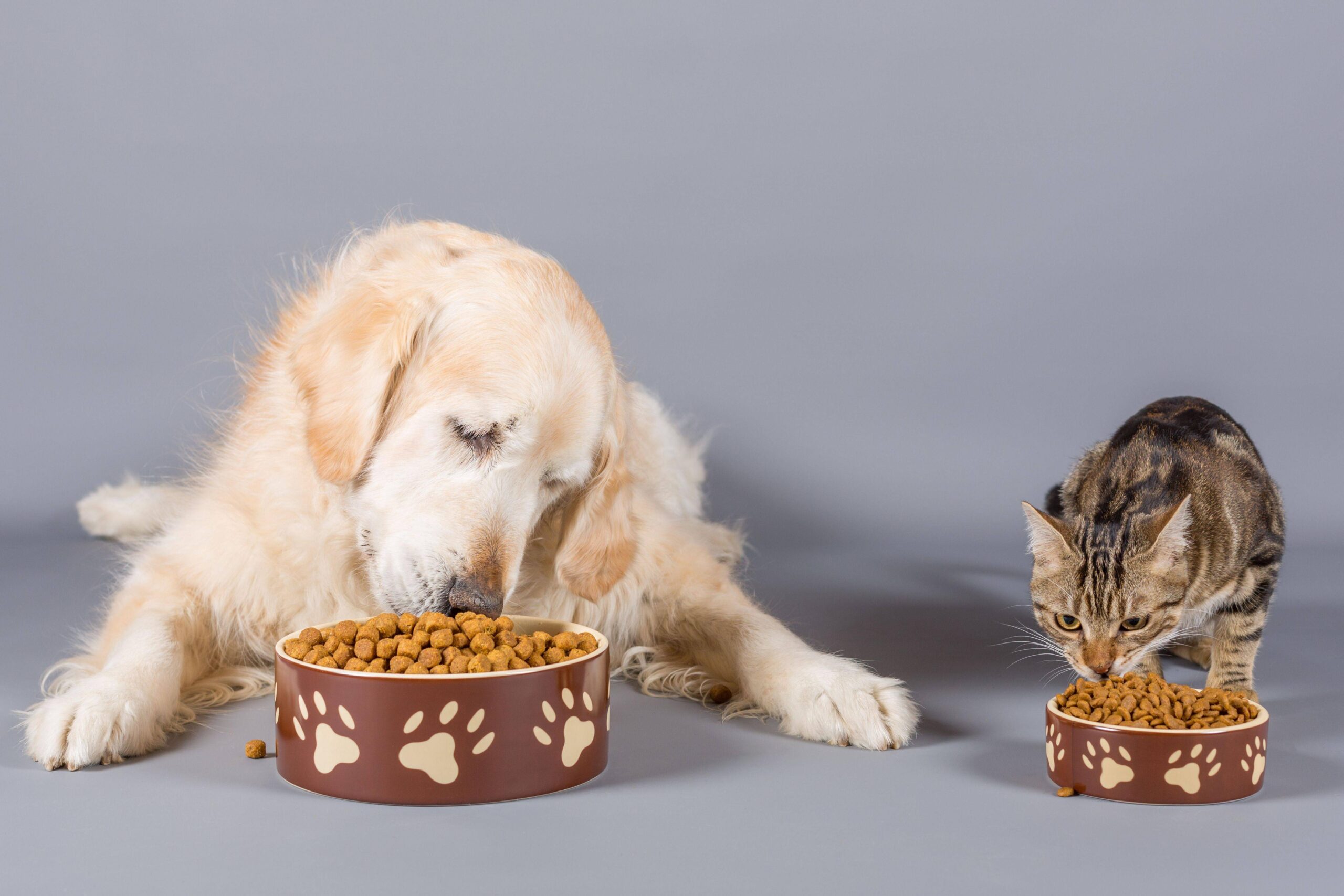
Credit: blog.pet.fitness
Frequently Asked Questions
Can A Dog Temporarily Eat Cat Food?
Dogs can eat cat food temporarily, but it lacks essential nutrients for their health. Feeding cat food regularly may cause nutritional imbalances. Ensure a balanced diet by offering dog food formulated for their needs. Consult a vet for advice if unsure about dietary changes for your pet.
Is Cat Food Safe For Dogs?
Feeding your dog cat food occasionally isn’t harmful. However, it’s not suitable for regular meals. Cat food is formulated for cats’ dietary needs, which differ from dogs’. Regular consumption can lead to nutritional imbalances and health issues in dogs.
Why Is Cat Food Appealing To Dogs?
Cat food is high in protein and fat content, making it appealing to dogs. Its strong aroma and taste can be enticing. However, it’s essential to prioritize a balanced diet designed for dogs to ensure their health.
Can A Dog Eat Cat Food In Emergencies?
In emergencies, feeding your dog cat food is okay for a short period. It provides temporary nutrition. However, it’s not a substitute for dog food. Ensure to switch back to a proper dog diet as soon as possible to maintain their health.
Conclusion
Feeding your dog cat food may not be ideal. Dogs and cats have different nutritional needs. Cat food can be too rich for dogs. It might cause health issues over time. Always prioritize your dog’s specific dietary requirements. Consult your vet for the best advice.
Choose dog food designed for their health. A healthy diet supports a happy pet. Remember, your dog’s well-being is important. Proper nutrition plays a key role. Keep their diet balanced and suitable. Your furry friend deserves the best care.