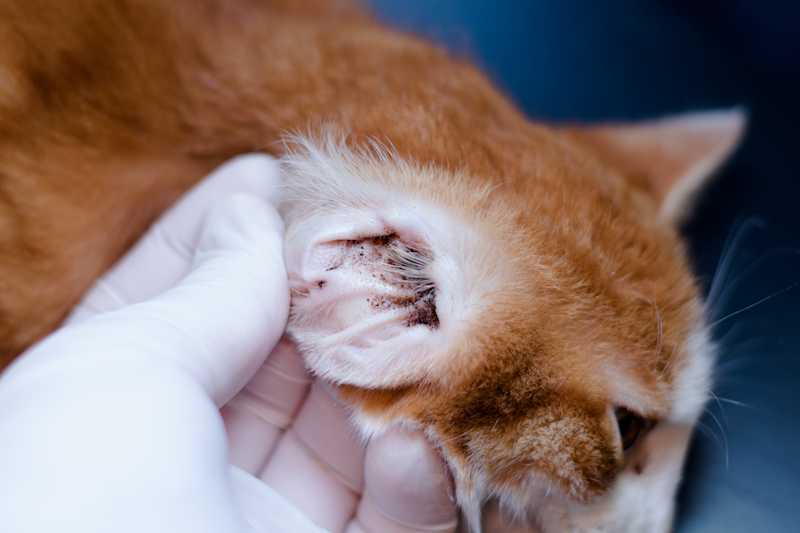
Have you ever noticed your cat scratching its ears more than usual or seen a dark, crumbly substance inside them? These could be signs of a common feline problem: ear mites.
Understanding what cat ear mites are is crucial for every cat owner. Not only do these tiny pests cause discomfort for your furry friend, but if left untreated, they can lead to more serious health issues. You might be wondering, “How can I spot these mites, and what should I do to help my cat?
” Stick around as we dive into everything you need to know about cat ear mites, so you can ensure your pet stays happy and healthy. Your cat’s well-being is important, and by the end of this article, you’ll be equipped with the knowledge to tackle this issue head-on.

Credit: lbah.com
Understanding Cat Ear Mites
Cat ear mites are tiny parasites living in a cat’s ears. They feed on the wax and oils inside the ear canal. These mites cause significant discomfort and irritation for cats. Owners often overlook them, mistaking symptoms for other ear infections. Recognizing signs early helps in prompt treatment and relief for your cat.
What Are Cat Ear Mites?
Ear mites, scientifically known as Otodectes cynotis, are microscopic pests. They thrive in warm, moist environments, making the ear a perfect home. They are highly contagious among animals, spreading through direct contact. Affected cats may shake their heads or scratch their ears. These mites can cause intense itching and inflammation.
How Do Cat Ear Mites Affect Cats?
Cats with ear mites may develop reddish-brown discharge. This discharge resembles coffee grounds, a key sign of infestation. The mites can lead to secondary infections if untreated. Over time, they may cause damage to the ear canal. Cats may also become restless or irritable due to discomfort.
Signs And Symptoms Of Ear Mite Infestation
Common signs include frequent head shaking and ear scratching. Cats may also tilt their heads or rub their ears on surfaces. Ear mites often cause a foul odor from the ears. Some cats might have scabs or hair loss around the ears. Close observation can help detect these signs early.
Why Is Early Detection Important?
Early detection prevents more serious health issues. Untreated mites can lead to hearing loss or skin infections. Prompt treatment ensures your cat’s comfort and well-being. Regular ear checks help in spotting mites before they multiply. It helps prevent the spread to other pets in your home.
:strip_icc()/about-ear-mites-dogs-and-cats-3384667_final-8dbaa8f5eb53452da5516085dee7c5d2.png)
Credit: www.thesprucepets.com
Causes Of Ear Mite Infestation
Understanding the causes of ear mite infestations in cats is crucial. These tiny parasites can cause discomfort and health issues. Knowing how they spread helps in prevention and treatment.
Contact With Infected Animals
Cats often get ear mites from other infected animals. Direct contact is a common way. Mites easily jump from one host to another. Cats in shelters or those with outdoor access are more at risk.
Shared Bedding And Grooming Tools
Ear mites can live in shared bedding. They can also hide in grooming tools. Using the same brush or sleeping area can spread mites. Ensure regular cleaning to reduce this risk.
Environmental Factors
Warm and humid environments promote mite survival. Such conditions help them thrive. Keeping a cat’s living area dry helps prevent infestations.
Weakened Immune System
Cats with weak immune systems are more susceptible. Stress and illness can weaken immunity. A healthy diet supports a strong immune system.
Poor Hygiene
Poor hygiene can increase the risk. Regular cleaning of the cat’s ears is essential. Keeping the ears clean helps prevent mites from settling.
Symptoms Of Ear Mites In Cats
Ear mites are common parasites in cats. They cause discomfort and irritation. Recognizing symptoms early helps in treatment. Cats with ear mites show various signs. Here are key symptoms to watch for.
Frequent Head Shaking
Cats shake their heads often. It’s a sign of irritation. Mites cause itching inside the ears. Head shaking is their response to this discomfort.
Scratching At The Ears
Cats scratch their ears a lot. Mites cause intense itching. The cat uses paws to scratch the affected area. This can lead to further irritation.
Dark Ear Discharge
Dark, crumbly discharge is a symptom. It looks like coffee grounds. This is a result of mite infestation. Cleaning helps, but mites need treatment.
Inflammation And Redness
Ear mites cause redness in the ears. Inflammation is also common. The ear canal looks swollen. This is due to constant irritation.
Ear Odor
Infected ears may smell bad. Mites cause this odor. It’s a sign of infection. This smell is noticeable when near the cat.
Hearing Loss
Mites may affect hearing. Cats might not respond to sounds. This is due to blockage in the ear canal. Hearing loss can improve with treatment.
Diagnosing Ear Mites
Diagnosing ear mites in cats can be challenging. These microscopic pests often hide deep within the ear canal. Their presence can cause irritation and discomfort. Understanding the signs is crucial for early detection. Timely diagnosis prevents further complications and ensures your cat’s health.
Signs Of Ear Mite Infestation
Ear mites cause frequent scratching. Cats may shake their heads excessively. You might notice dark discharge in the ears. Redness and swelling are common. Sometimes, a foul odor emanates from the ears. These signs indicate possible mite infestation.
Physical Examination
A thorough examination is essential. A veterinarian checks your cat’s ears closely. They use an otoscope for a detailed view. This tool magnifies the ear canal. It helps in spotting mites and their eggs. Physical examination is often the first step in diagnosis.
Microscopic Analysis
Veterinarians perform a microscopic analysis. They collect samples from the ear canal. The samples are examined under a microscope. This reveals the presence of mites. Microscopic analysis confirms the diagnosis. It helps in determining the severity of infestation.
Behavioral Changes
Watch for sudden behavioral changes. Your cat may seem irritable or restless. They might avoid being touched near the ears. Pay attention to these signs. Behavioral changes often indicate discomfort. Early observation aids in quick diagnosis.
Treatment Options
Cat ear mites are tiny parasites living in a cat’s ear canal. They cause itching, irritation, and discomfort. Treatment includes ear cleaning and applying prescribed medications to eliminate these pests effectively.
Cat ear mites can be a pesky problem, but the good news is that there are plenty of treatment options to tackle them effectively. Whether you prefer medications or home remedies, there’s a solution that can suit your lifestyle and your kitty’s needs. Choosing the right treatment can make a world of difference in your pet’s comfort and health. Let’s dive into some practical ways you can address this common feline issue.Medications
Medications are often the first line of defense against ear mites. These are specifically designed to eliminate mites and soothe your cat’s irritated ears. Prescription drops or topical ointments from your vet can be highly effective. They usually require a simple application directly into the ear canal. Over-the-counter solutions can also be an option if you prefer to manage the issue yourself. These products are generally safe but always consult your vet to ensure the best choice for your cat. A friend once mentioned how a quick vet visit saved her pet from constant scratching and discomfort. It shows how professional guidance can be invaluable.Home Remedies
If you’re a fan of natural solutions, home remedies might pique your interest. Olive oil is a popular choice among pet owners. It can be used to smother the mites and soothe the skin. Apply a few drops in your cat’s ear and gently massage it in. Another option is to use a diluted solution of vinegar and water. This can help to clean the ears and create an environment hostile to mites. Remember, consistency is key with home remedies. Have you ever tried treating your pet with a homemade solution? Your experience could offer insights into whether these remedies are worth a shot. Always keep an eye on your pet’s reactions and consult a vet if symptoms persist. The choice between medications and home remedies depends on what you feel comfortable with. What matters most is ensuring your furry friend is free from discomfort and itching. Which treatment option would you choose for your cat?Preventive Measures
Cat ear mites can cause discomfort and health issues for your feline friend. Preventing these tiny pests is crucial for your cat’s well-being. Simple steps can keep your cat’s ears mite-free. Regular checks and cleanliness play a vital role in prevention. Here’s how you can protect your cat from ear mites.
Regular Ear Checks
Examine your cat’s ears weekly. Look for redness or dirt. Use a soft cloth to gently clean them. Avoid deep cleaning that might harm the ear canal. If you notice unusual signs, consult your vet.
Maintain Clean Living Spaces
Keep your cat’s environment clean. Vacuum carpets and furniture often. Clean your cat’s bedding regularly to reduce mite risks. A clean home limits mite infestations.
Use Preventive Treatments
Consult your veterinarian for preventive treatments. Many options are available for ear mite prevention. These treatments protect your cat from infections. Follow your vet’s instructions for best results.
Avoid Contact With Stray Cats
Stray cats can carry mites. Limit your cat’s contact with strays. This reduces the chance of mite transmission. Supervise outdoor time to keep your cat safe.
Regular Veterinary Visits
Schedule regular vet visits for your cat. Routine check-ups detect early signs of ear mites. Early detection makes treatment easier and more effective.
Impact On Cat Health
Cat ear mites can severely affect your cat’s health. These tiny parasites live in the ear canal. They feed on ear wax and oils. This causes irritation and discomfort. Untreated infestations can lead to further complications. Your cat’s overall wellbeing can be compromised.
Behavioral Changes
Infested cats may show noticeable behavioral changes. You might see them scratching their ears more often. They might also shake their heads frequently. These actions are attempts to relieve discomfort. Your cat may become more irritable or restless.
Ear Infections
Ear mites can lead to infections. The constant scratching can break the skin. This opens a path for bacteria to enter. Infections can cause redness and swelling. A foul odor may also be present.
Hearing Loss
Severe infestations can affect hearing. The mites can block the ear canal. This prevents sound from reaching the inner ear. Over time, untreated infestations can lead to hearing loss.
Secondary Health Issues
Ear mites can cause secondary health problems. Untreated cases can spread to other body parts. Mites may migrate to the head and neck. This can cause skin irritation and hair loss.

Credit: www.wcrah.com
Myths And Facts
When discussing cat ear mites, myths and facts often become intertwined. Many pet owners find themselves puzzled, trying to separate truth from misconception. Understanding the reality of ear mites helps protect your feline friend.
Myth: Ear Mites Are Visible
Some believe ear mites are easy to spot with the naked eye. This is not true. Ear mites are microscopic parasites. You need a vet to confirm their presence.
Fact: Ear Mites Cause Itching
Ear mites can make cats scratch their ears constantly. This itching may lead to redness and inflammation. Regular checks can help prevent severe discomfort.
Myth: Only Outdoor Cats Get Ear Mites
Many think only outdoor cats are at risk. Ear mites can affect any cat. Indoor cats can catch mites from other pets or environments.
Fact: Ear Mites Spread Quickly
Ear mites are highly contagious among cats. They spread rapidly from cat to cat. Keeping your pets clean and healthy reduces the risk.
Myth: Human Ear Mites Are The Same
People sometimes confuse human and cat ear mites. Human ear mites differ from those affecting cats. These parasites are species-specific.
Fact: Treatment Is Essential
Treating ear mites promptly is crucial. Untreated infestations can lead to serious ear problems. Consult a vet for the right course of action.
Myth: Ear Mites Are Harmless
Some may think ear mites do not harm cats. This is false. Ear mites can cause infections and hearing issues. Early treatment is important.
Fact: Regular Cleaning Helps Prevention
Regular ear cleaning can prevent mites. A clean ear environment reduces mite infestations. Follow vet advice for best practices.
Role Of Veterinarians
Veterinarians play a crucial role in identifying cat ear mites. These tiny parasites cause itching and discomfort. They live in a cat’s ear canal, feeding on wax and oils. Timely diagnosis and treatment by a vet can prevent severe infections.
Regular check-ups help ensure your cat’s ears remain mite-free.
Understanding the role of veterinarians in dealing with cat ear mites is crucial for effective treatment and prevention. These tiny pests can cause significant discomfort for your feline friend. Veterinarians are equipped with the knowledge and tools to diagnose and treat ear mite infestations. They play a pivotal role in ensuring your cat’s health and comfort.Why Consult A Veterinarian?
When your cat shows signs of ear mites, such as excessive scratching or head shaking, consulting a veterinarian is your best first step. These professionals can accurately diagnose the issue and differentiate it from other ear conditions. They use tools like otoscopes to examine your cat’s ear canal, ensuring a precise diagnosis.Treatment Options Provided By Veterinarians
Veterinarians offer various treatment options tailored to your cat’s specific needs. Prescription medications, such as topical ointments or oral drugs, are often necessary to eradicate mites effectively. They also recommend cleaning your cat’s ears and may provide guidance on how to do so safely at home.Preventive Measures Suggested By Veterinarians
Prevention is better than cure. Veterinarians suggest regular check-ups and ear cleanings to keep ear mites at bay. They might recommend specific products that help in preventing infestations. Regular grooming and maintaining a clean environment for your cat can also be helpful.Building A Relationship With Your Veterinarian
Having a reliable veterinarian can make a world of difference for your pet’s health. Establishing a good relationship with them ensures timely advice and support when you need it. They can offer insights into your cat’s overall health, beyond just ear mites.Common Misconceptions About Ear Mite Treatment
It’s easy to fall prey to misconceptions, like believing home remedies alone can solve the problem. Veterinarians can clarify these myths and guide you on effective treatments. They emphasize the importance of professional diagnosis and treatment to prevent further complications. Your involvement in your cat’s health care is vital. Asking questions and seeking advice from your veterinarian empowers you to make informed decisions. How can you ensure your cat stays mite-free? By working closely with your veterinarian, you can create a plan that keeps your furry friend healthy and happy.Tips For Cat Owners
Cat ear mites are tiny parasites that cause itching and discomfort in felines. Regular ear checks help spot these pesky invaders early. Clean your cat’s ears gently to prevent infections and keep mites away.
Owning a cat comes with its joys and responsibilities. One aspect that often goes unnoticed is the threat of ear mites. These tiny parasites can cause big problems if not addressed promptly. As a cat owner, you can take simple yet effective steps to protect your feline friend from these pesky intruders. Here are some tips that will help you keep your cat’s ears mite-free and healthy.Regular Ear Checks
Make it a habit to check your cat’s ears weekly. Look for signs like redness, excessive wax, or a coffee-ground-like discharge. These could indicate the presence of ear mites. Regular inspection can help you catch any issues early.Maintain A Clean Environment
A clean home reduces the risk of mites. Vacuum your carpets and furniture regularly to remove any potential mite habitats. Wash your cat’s bedding frequently to ensure no mites are lurking there. A clean space means a healthier cat.Consult Your Vet
If you suspect ear mites, consult your vet immediately. They can confirm the diagnosis and recommend the best treatment. Early intervention can prevent more severe health issues for your cat.Use Preventative Treatments
Consider using vet-recommended preventative treatments. These can be applied monthly to keep mites and other parasites at bay. It’s a small step that can make a big difference in your cat’s ear health.Groom Your Cat Regularly
Regular grooming not only keeps your cat looking good but also helps in early detection of mites. Brush your cat and clean its ears as part of your grooming routine. This will help you spot any unusual signs sooner.Be Informed
Stay updated on the latest information about cat health. Knowing what to look out for can empower you to take swift action when needed. You can be your cat’s best defender by staying informed.Share Your Experience
Have you dealt with ear mites before? Sharing your experience can help other cat owners. Talk about what worked for you and what didn’t, and build a community of informed and caring cat enthusiasts. By following these tips, you can ensure your cat’s ears remain healthy and free from mites. What steps will you take today to protect your feline friend?Frequently Asked Questions
How Can You Tell If Your Cat Has Ear Mites?
Cats with ear mites often scratch their ears excessively. You might notice dark, crumbly ear discharge. Watch for head shaking and redness in the ears. A veterinarian can confirm the presence of ear mites with an examination. Prompt treatment helps prevent further discomfort and complications.
Can Humans Get Ear Mites From Their Cats?
Humans rarely get ear mites from cats. Ear mites prefer animals, but close contact can pose a risk. Maintaining hygiene and regular vet checks minimize transmission chances. If symptoms appear, consult a doctor for appropriate treatment.
How Could An Indoor Cat Get Ear Mites?
Indoor cats can get ear mites from infested animals or contaminated objects. Visitors or pets can bring mites inside. Sharing bedding or grooming tools can also spread them. Regular vet check-ups help prevent infestations.
How Do You Get Rid Of Ear Mites In Cats?
Consult a veterinarian for proper diagnosis and treatment. Use prescribed ear drops to eliminate mites. Clean the cat’s ears regularly. Ensure your cat’s bedding and surroundings are clean. Monitor your cat for signs of infection and follow up with your vet.
Conclusion
Understanding cat ear mites is crucial for every pet owner. These tiny pests cause discomfort and health issues. Early detection and treatment keep your cat healthy. Regular ear checks and cleaning prevent infestations. Consult a vet for persistent problems. They offer effective solutions.
Keeping your cat’s ears clean is essential. It ensures their well-being. A simple routine can make a difference. Your cat deserves comfort and care. Protect them from ear mites. Stay informed and proactive for their health. Your vigilance keeps your pet happy and healthy.
Prioritize their needs for a joyful companionship.