
Is your feline friend constantly scratching, sneezing, or showing signs of discomfort? Cat allergies can be a real challenge, not only for your pet but for you as well.
Watching your beloved cat suffer can be heartbreaking, and it often feels like an unsolvable puzzle. You’re not alone in this; many cat owners face the same struggle. Understanding how to treat a cat’s allergies is crucial for your pet’s health and happiness.
By unlocking this knowledge, you can transform your home into a sanctuary of relief for your furry companion. Imagine the joy of seeing your cat relaxed, playful, and symptom-free once again. Curious to discover how you can achieve this? Let’s dive in and explore practical solutions that will bring comfort to your cherished pet.
Common Causes Of Cat Allergies
Cats often suffer from allergies due to fleas, dust, pollen, or food. Identifying the source is crucial for treatment. Consulting a vet can help determine the best approach to relieve symptoms and improve your cat’s comfort.
Cats are beloved pets, but allergies can cause them distress. Understanding the triggers is the first step in managing their symptoms. Identifying common causes helps in providing relief to your furry friend.Environmental Factors
Cats can be allergic to dust, pollen, and mold. These allergens are common indoors and outdoors. They can irritate a cat’s skin and respiratory system. Regular cleaning helps reduce dust and pollen in the home. Consider using air purifiers to improve air quality. Keeping your cat indoors during high pollen seasons can also help.Food Allergies
Some cats react to certain ingredients in their food. Common culprits include beef, dairy, and fish. Symptoms can include itchy skin and digestive issues. If you suspect a food allergy, consult your vet. They may recommend an elimination diet. This involves feeding your cat a special diet to identify the allergen.Flea Allergies
Flea bites can cause severe allergic reactions in cats. Flea saliva irritates the skin, leading to itching and discomfort. Regular flea control is essential to prevent infestations. Use vet-approved treatments to manage fleas effectively. Keeping your home and yard clean reduces flea populations. Regular grooming can also help spot fleas early.Identifying Symptoms In Cats
Identifying allergies in cats can be tricky. Cats can’t tell you they’re uncomfortable. They show signs through their bodies and behavior. Recognizing these signs is key to helping your furry friend.
Physical Indicators
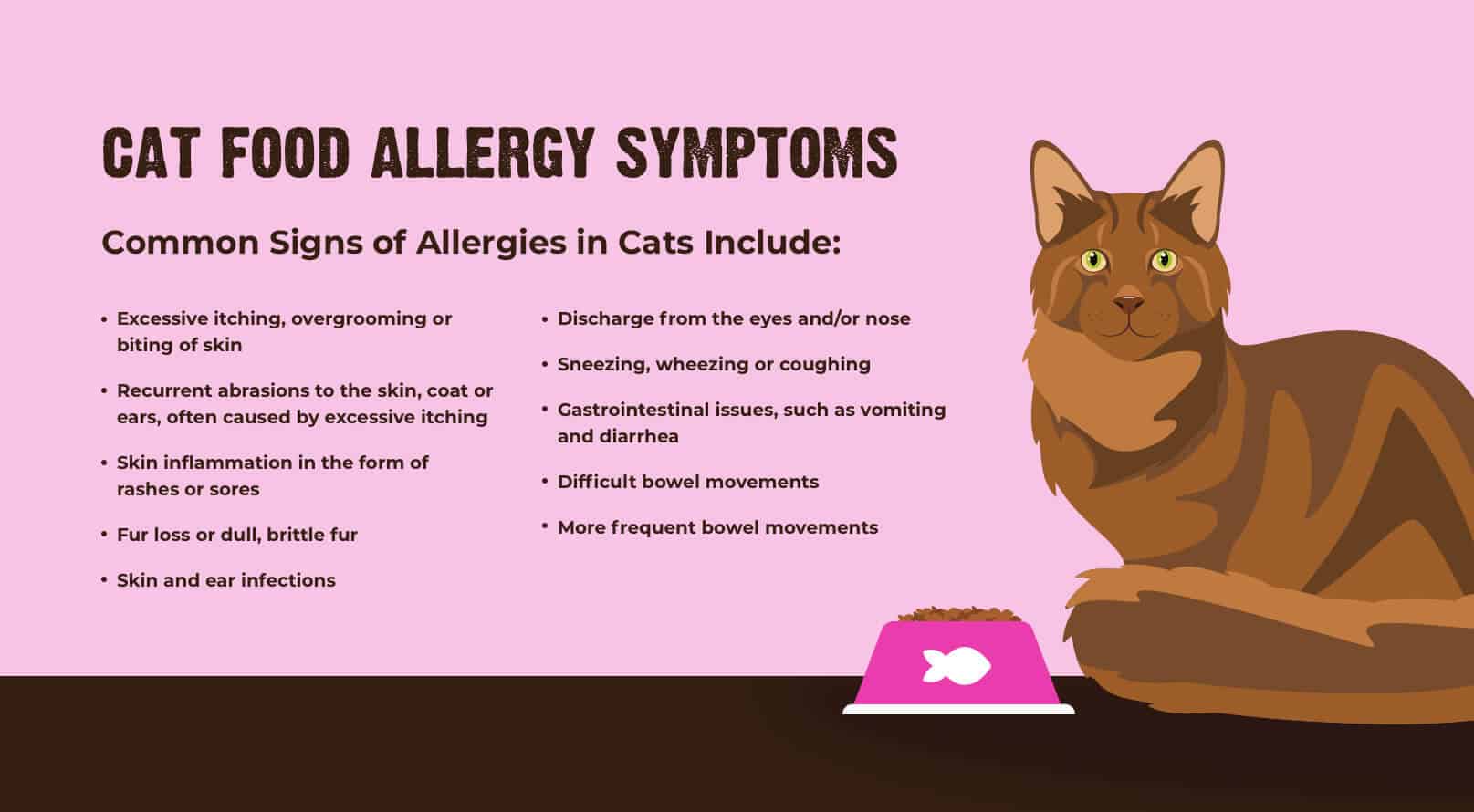
Pay attention to your cat’s skin. Redness and swelling are common signs. Watch for excessive scratching or licking. These can lead to skin infections. Check for hair loss. Bald patches can indicate allergies. Sneezing or coughing might also occur. These are signs of respiratory issues.
Behavioral Changes
Behavioral changes can signal allergies in cats. Notice if your cat seems more irritable. They may hide more than usual. Changes in appetite can also be a clue. A cat might eat less due to discomfort. Increased grooming can indicate a problem too. Cats groom to soothe irritated skin.
Diagnostic Methods
Identifying a cat’s allergies involves understanding symptoms like sneezing and itching. Vets may suggest skin or blood tests. Accurate diagnosis ensures effective treatment and relief for your pet.
Understanding how to effectively diagnose your cat’s allergies is crucial for their well-being. Just like humans, cats can develop allergies that affect their quality of life. Recognizing the symptoms early and pursuing the right diagnostic methods can make all the difference. By employing a combination of veterinary tests and home observation techniques, you can get to the bottom of your feline friend’s discomfort and start them on the path to recovery.Veterinary Tests
Veterinary tests are the cornerstone of accurate diagnosis. When you visit the vet, they might suggest blood tests to identify specific allergens. These tests can pinpoint whether your cat is allergic to certain foods, pollen, or even dust mites. Sometimes, vets perform skin tests to see how your cat reacts to small doses of common allergens. This can give a clearer picture of what might be causing the itchy skin or sneezing fits. I once had a cat named Whiskers who constantly scratched himself. A quick visit to the vet revealed he was allergic to certain types of grass. It was a relief to finally understand the cause.Home Observation Techniques
While veterinary tests are vital, your observations at home can provide valuable insights. Keep a diary of your cat’s symptoms. Note when they occur and any potential triggers. This can be helpful information for your vet. You might notice your cat scratching more after eating a particular brand of food. Or perhaps they sneeze more during certain seasons. Recognizing these patterns can be the key to identifying the allergen. Have you ever noticed your cat acting differently after you clean the house? It could be a reaction to certain cleaning products. Engaging with your cat and staying vigilant can make a world of difference. Have you tried changing their environment or diet to see if symptoms improve? Your proactive approach could lead to a happier, healthier cat. By combining professional veterinary tests with your own home observations, you’re setting your cat up for a life free from unnecessary discomfort. What patterns have you noticed in your cat’s behavior?Dietary Adjustments
Adjusting a cat’s diet can help manage allergies effectively. Introduce hypoallergenic foods to minimize reactions. Consult a veterinarian for tailored dietary plans and ensure balanced nutrition.
When your furry friend starts scratching more than usual or sneezing frequently, it might be time to consider dietary adjustments. Allergies in cats can often be linked to their diet. By tweaking what goes into their bowl, you can help alleviate their discomfort and improve their overall health. Let’s dive into two effective strategies for dietary adjustments: hypoallergenic diets and elimination diets.Hypoallergenic Diets
Hypoallergenic diets are specially formulated to reduce the risk of allergic reactions. These diets often use novel proteins, such as venison or duck, that your cat hasn’t encountered before. This minimizes the chance of an immune response. You might be wondering if switching to a hypoallergenic diet will make a difference. Many pet owners have seen remarkable changes in their cats’ behavior and coat health. Consider trying a hypoallergenic diet for your cat and observe any changes in their allergy symptoms. Read labels carefully. Some hypoallergenic diets also exclude common allergens like grains or dairy. Consult your vet to ensure you’re choosing the right option for your cat’s specific needs.Elimination Diets
Elimination diets involve removing potential allergens from your cat’s meals and gradually reintroducing them. This process helps you pinpoint specific ingredients causing allergic reactions. Start by feeding your cat a simple diet with one protein and one carbohydrate source. Keep it consistent for several weeks. If symptoms improve, gradually add different ingredients back into their diet. You may feel like a detective during this process, but it’s worth it. The elimination diet can provide clarity on what triggers your cat’s allergies. Keep a diary to track reactions. This will help you identify the culprits and adjust their diet accordingly. What if your cat rejects the new diet? Cats can be finicky eaters. Introduce new foods slowly and mix them with familiar ones to make the transition smoother. Your patience can lead to a happier, healthier pet. Conclusion Dietary adjustments can be a game-changer for cats with allergies. Whether you opt for hypoallergenic diets or try elimination diets, the key is to observe and adapt. Small changes in their diet can lead to significant improvements in their well-being. So, are you ready to make mealtime a healing experience for your feline friend?Environmental Modifications
To help a cat with allergies, change their environment. Remove dust by cleaning frequently. Use air purifiers to reduce allergens. Choose hypoallergenic bedding and toys to minimize reactions. Regularly wash your cat’s belongings to keep allergens away.
Caring for a cat with allergies can be challenging, but environmental modifications in your home can make a huge difference. By adjusting your cat’s surroundings, you can help minimize their exposure to allergens and provide a more comfortable living space. Let’s dive into some practical ways to reduce allergens and control outdoor exposure for your feline friend.Reducing Allergens At Home
You might be surprised at the number of allergens lurking in your home. Regular cleaning can significantly cut down on these irritants. Vacuuming carpets and upholstery frequently helps remove dust and dander, which are common triggers for allergies. Consider using a vacuum cleaner with a HEPA filter to trap tiny particles effectively. Air purifiers can work wonders in maintaining clean air inside. Placing one in your cat’s favorite room can reduce airborne allergens. But remember, not all purifiers are created equal; choose one specifically designed to remove pet allergens. Wash your cat’s bedding and toys regularly. This prevents the accumulation of dust and fur, creating a cleaner environment for your pet. How often do you refresh these items?Outdoor Exposure Control
If your cat enjoys the outdoors, it’s essential to manage their exposure to potential allergens. Pollen, grass, and mold can trigger allergies, especially during certain seasons. Limiting outdoor time during peak pollen hours can help. Create a designated outdoor area that minimizes exposure. A small enclosed space with fewer plants can reduce contact with allergens. Think about how you can make this area enticing for your cat, perhaps with a cozy shelter or interesting toys. After outdoor excursions, wiping down your cat’s fur with a damp cloth can remove pollen and other particles. This simple step can prevent allergens from entering your home and affecting your cat’s health. Have you tried this method before? By making these environmental changes, you can significantly improve your cat’s quality of life. It’s all about creating a safe and comfortable space where they can thrive without the burden of allergies.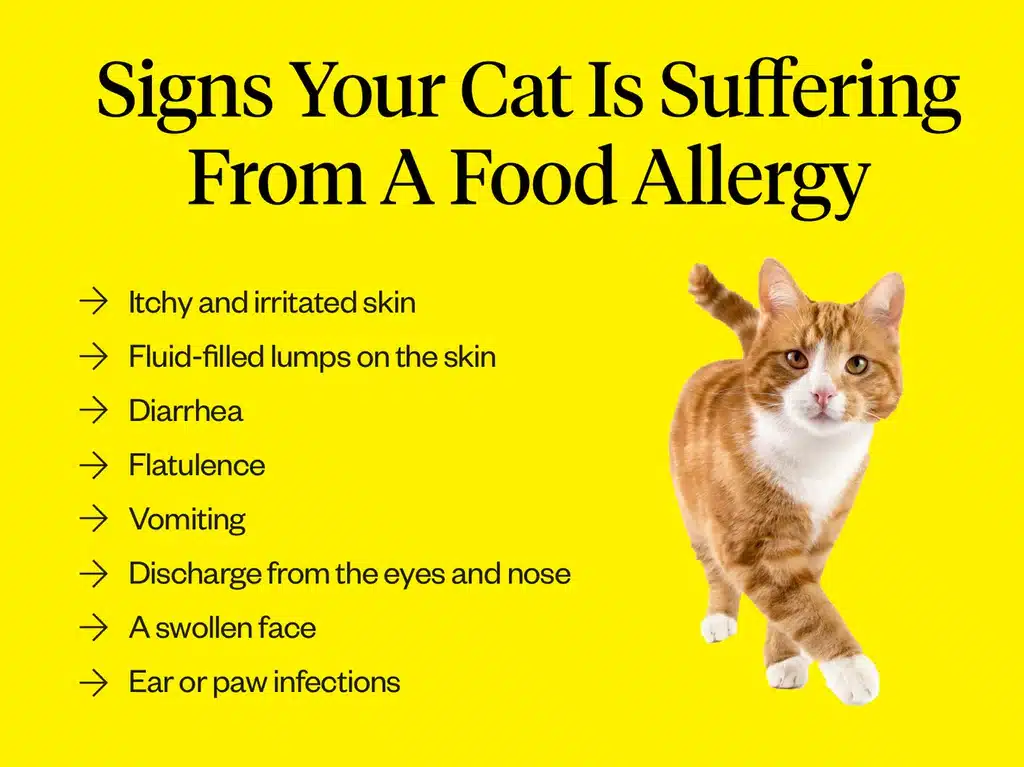
Credit: tierarzt-karlsruhe-durlach.de
Medication Options
Treating a cat’s allergies involves various medication options like antihistamines and corticosteroids. These help in reducing itching and inflammation. Always consult a vet for proper guidance.
Cats can suffer from allergies just like humans, and finding the right treatment can make a world of difference for your feline friend. Medication options play a crucial role in managing your cat’s symptoms. This section will explore some of the most common medications used to treat cat allergies, focusing on how they work and what you should consider.Antihistamines
Antihistamines are often the first line of defense against allergies in cats. They work by blocking histamine, a chemical released during an allergic reaction that causes symptoms like itching and sneezing. Common antihistamines for cats include diphenhydramine (Benadryl) and cetirizine (Zyrtec). Before giving your cat any medication, consult your veterinarian. They can recommend the right dosage based on your cat’s weight and health. Some antihistamines may cause drowsiness, so it’s important to monitor your cat’s reaction.Steroids
Steroids can be a powerful option for managing severe allergy symptoms. They work by reducing inflammation and suppressing the immune system’s response. Prednisone is a commonly prescribed steroid for cats with allergies. While effective, steroids should be used with caution. Long-term use can lead to side effects such as increased thirst, hunger, and potential long-term health issues. Your vet will help determine the best course of treatment, balancing effectiveness with potential risks. Have you ever noticed how your cat reacts differently to certain environments or seasons? Just like humans, cats can have seasonal allergies. Understanding these patterns can help you and your vet decide if medications like antihistamines or steroids are necessary year-round or just during specific times. Taking the time to understand these medication options can make a significant difference in your cat’s quality of life. What changes have you noticed in your cat’s behavior or health after starting a medication? Your insights could help others in the same situation.Natural Remedies
Cats can suffer from allergies just like humans. Natural remedies can help ease their discomfort. Herbal supplements and gentle oatmeal baths soothe skin irritations. A balanced diet might reduce allergic reactions, promoting overall health.
If you’re a cat owner, you’ve probably witnessed your furry friend dealing with allergies. Watching them scratch or sneeze can be heartbreaking. While medications are available, many pet owners are turning to natural remedies for relief. These options are often gentler and can be part of a holistic approach to your cat’s health. Let’s explore some natural treatments that could help your cat feel better.Herbal Treatments
Herbs are a wonderful way to support your cat’s health. Calendula is known for its soothing properties. You can brew a tea from dried calendula flowers and use it as a rinse on your cat’s irritated skin. Nettle is another herb that may help. It can be given in small amounts mixed into your cat’s food. Always start with a tiny dose and observe how your cat responds. Do you wonder if these herbs are safe? Always consult your vet before trying new treatments. They can guide you on the right dosage and ensure there are no harmful interactions.Essential Oils
Essential oils have become popular in treating pet allergies. Lavender oil is known for its calming effects and can soothe irritated skin. Dilute a drop in a carrier oil and gently apply it to affected areas. Chamomile oil is another option. Its anti-inflammatory properties can help reduce redness and itching. Ensure the oil is heavily diluted, as cats are sensitive to strong concentrations. Are you worried about your cat licking the oil? Apply it to areas they can’t easily reach, like the back of their neck. Always monitor your cat after application to ensure they don’t have a negative reaction. Natural remedies can offer relief and comfort to your feline friend. Have you tried any of these methods? They might be just the solution your cat needs to lead a happier, itch-free life.Preventive Measures
Preventing cat allergies can keep your feline friend healthy. It reduces discomfort and helps avoid costly treatments. Implementing preventive steps is crucial in managing your cat’s allergies effectively. Regular cleaning and routine vet check-ups are essential preventive measures.
Regular Cleaning
Cleaning your cat’s environment reduces allergens. Dust and vacuum regularly. Keep your cat’s bedding clean. Wash it frequently. A clean environment minimizes exposure to allergens. This helps maintain your cat’s health.
Routine Vet Check-ups
Schedule regular vet visits for your cat. Vet check-ups catch allergies early. Early detection prevents severe reactions. Vets provide guidance on managing allergies. They offer solutions tailored to your cat’s needs. Routine check-ups ensure your cat stays healthy.
Long-term Management Strategies
Managing a cat’s allergies requires patience and consistency. Long-term strategies focus on reducing allergy triggers and promoting better health. These strategies help your cat live a more comfortable life.
Lifestyle Changes
Modify your cat’s environment to minimize allergens. Regular cleaning helps remove dust and pollen. Wash pet bedding and toys frequently. Choose hypoallergenic materials for bedding and furniture. Consider air purifiers to reduce airborne allergens. Provide fresh water and a balanced diet to support health.
Monitoring And Adjustments
Track your cat’s symptoms regularly. Note any changes or reactions to treatments. Adjust strategies based on symptom progression. Consult your vet for new or worsening symptoms. Tailor allergy management plans as needed. Keep a log of treatments and outcomes for reference.
:strip_icc()/controlling-cat-allergies-553869_V1-25c566bdc67342ceadfb85a8326e8976.jpg)
Credit: benimellalkhenifra.ma
Credit: rawznaturalpetfood.com
Frequently Asked Questions
How Do I Treat My Cat’s Allergies At Home?
Identify allergens and keep your home clean. Use hypoallergenic cat food and consult a vet for antihistamines.
Does Benadryl Help Cat Allergies?
Benadryl may relieve mild cat allergy symptoms like sneezing and itching. Always consult a doctor before use. It’s not a long-term solution for allergies. Monitor for side effects such as drowsiness. Consider discussing alternative treatments or allergy management plans with a healthcare professional for best results.
Can A Cat Allergy Go Away On Its Own?
Cat allergies can sometimes diminish over time. This varies by individual and depends on exposure levels. Consulting an allergist can help manage symptoms effectively. Regular cleaning and using air purifiers might also reduce allergens. Always seek professional advice for persistent or severe allergic reactions.
What Causes Allergies In Cats?
Cats can be allergic to various substances like pollen, dust, mold, and certain foods. These allergens trigger an immune response, causing symptoms like itching, sneezing, and skin irritations. Identifying the specific allergen is crucial for effective treatment.
Conclusion
Caring for a cat’s allergies requires patience and attention. Observe your cat closely. Identify triggers and consult with a veterinarian. Adjust your cat’s diet if needed. Keep your home clean and allergen-free. Use hypoallergenic products when possible. Regular check-ups help monitor your cat’s health.
Small changes can make a big difference. Always prioritize your cat’s comfort and well-being. With the right approach, your cat can enjoy a happier, itch-free life. Your feline friend will thank you with purrs and cuddles. Remember, a little effort can lead to great relief for your cat.