Are you worried that your feline friend may be scratching a little too much lately? It might not just be a playful itch.
Ear mites, those tiny yet troublesome parasites, could be the culprits behind your cat’s discomfort. You love your cat, and seeing it in distress is the last thing you want. Understanding the best treatment for ear mites is crucial to restoring your pet’s comfort and peace.
But with so many options out there, how do you choose the right one? In this guide, we’ll unravel the most effective treatments, helping you make an informed decision to keep your cat healthy and happy. Dive in and discover how you can banish those pesky mites once and for all, ensuring your furry companion’s ears are as cozy and itch-free as ever.
Identifying Ear Mites In Cats
Cats often suffer from ear mites. These tiny parasites cause irritation in your pet’s ears. Identifying them early can prevent discomfort and further health issues. Understanding symptoms and diagnosis helps in effective treatment.
Common Symptoms
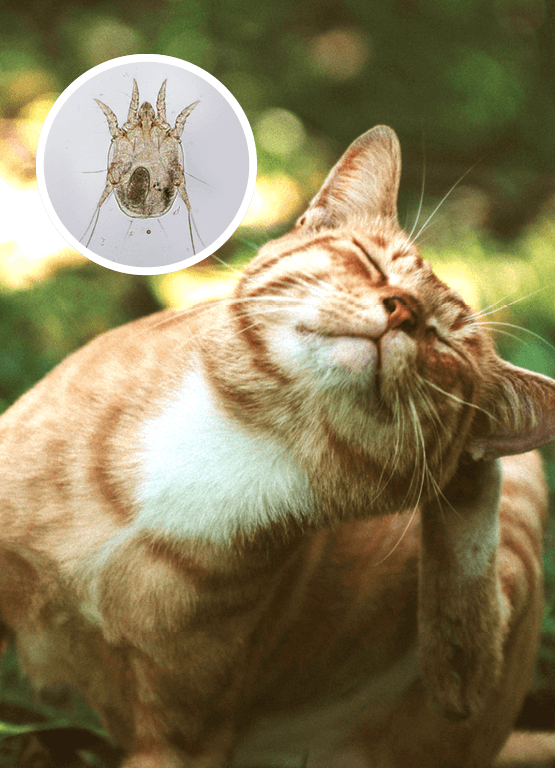
Ear mites lead to itching in cats. Cats may scratch their ears frequently. You might notice them shaking their heads often. Dark discharge can appear in their ears. This discharge resembles coffee grounds. Cats with ear mites may seem restless or irritable. Keep an eye on any unusual behavior.
Diagnosing Ear Mite Infestations
A vet can confirm ear mites through examination. They use an otoscope to look inside the cat’s ear. Sometimes, a sample of ear discharge is taken. This sample helps in identifying mites under a microscope. Regular check-ups ensure early detection. Early detection leads to simpler treatment.
Over-the-counter Treatments
Cats often suffer from ear mites, causing discomfort. Effective over-the-counter treatments include ear drops and cleansers. These products help eliminate mites and soothe irritation, ensuring your cat feels better quickly.
Dealing with ear mites in cats can be frustrating, but there is hope with over-the-counter treatments. These treatments are convenient, cost-effective, and easily accessible. You can quickly find them in pet stores or online, saving you a trip to the vet for minor infestations.Topical Solutions
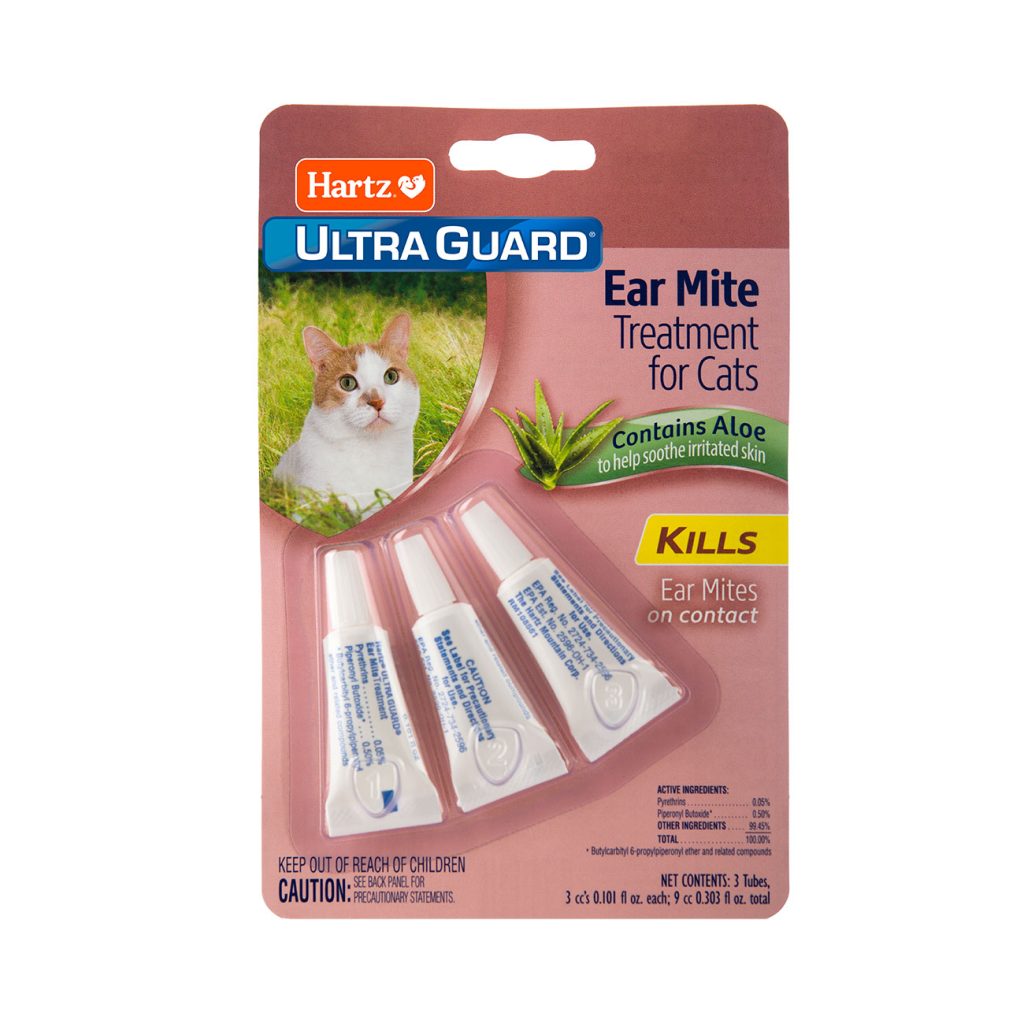
Topical solutions are a popular choice for treating ear mites. These ointments are applied directly to the affected area, targeting mites effectively. Always read the product instructions carefully to ensure safe application. One time, my cat Max had a minor ear mite problem. I opted for a topical solution that promised fast relief. Within days, Max showed signs of improvement. It was a straightforward process that didn’t require much effort.Ear Drops And Sprays
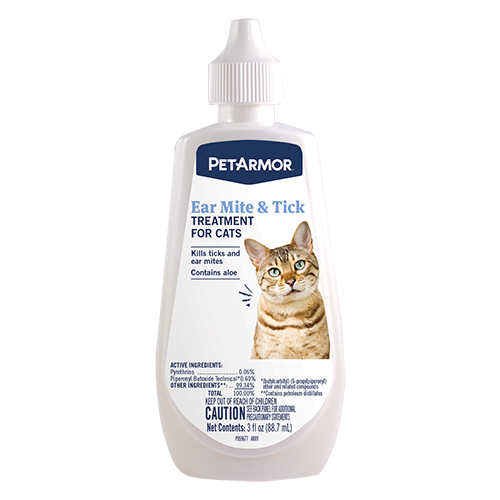
Ear drops and sprays are another effective way to treat ear mites. They work by penetrating deep into the ear canal, reaching areas that might be tough to access otherwise. This ensures that mites are eradicated at the source. Have you ever tried applying ear drops to a squirming cat? It can be challenging, but with patience, it becomes manageable. Consider using treats as a reward to make the process smoother. When choosing ear drops or sprays, check for ingredients like pyrethrins or ivermectin. These ingredients are known for their effectiveness in killing mites. Opt for a product that suits your cat’s needs and your ease of application. What strategies have you found most effective when treating your pet? Share your thoughts and experiences in the comments. Engaging with fellow pet owners can provide new insights and tips you might not have considered.Prescription Medications
Prescription medications provide an effective solution for treating ear mites in cats. These medications, recommended by veterinarians, target the root cause of the infestation. They help ensure a thorough elimination of mites, improving your cat’s comfort and health. Understanding the options available and how they work is crucial for cat owners. This knowledge ensures the best possible care for their feline friends.
Veterinarian-recommended Options
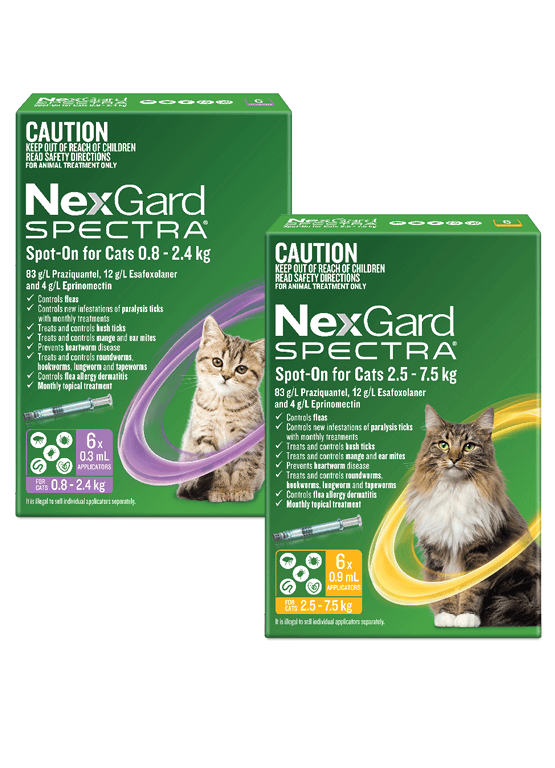
Veterinarians often suggest specific prescription medications for ear mites. These include products like Revolution, Advantage Multi, and Bravecto. Each medication has a unique formula targeting ear mites effectively. These options are well-researched and backed by veterinary expertise. They offer reliable solutions for your cat’s mite problem.
How Prescription Treatments Work
Prescription treatments work by targeting and killing the mites. They disrupt the life cycle of the mites, preventing further reproduction. This ensures a rapid decrease in mite population within the ear. These medications also alleviate symptoms like itching and inflammation. They provide relief and promote healing in the affected ear.
Most prescription treatments are applied topically. This allows the medication to penetrate the skin and reach the mites directly. Some medications also offer protection against other parasites. This broad-spectrum protection enhances overall feline health.
Credit: nexgard.com.au
Natural Remedies
Natural remedies offer an alternative approach to treating ear mites in cats. Many pet owners prefer these methods for their gentle nature. They tend to be less harsh than chemical treatments. This section explores homeopathic solutions, essential oils, and herbal treatments. These remedies provide relief and promote healing.
Homeopathic Solutions
Homeopathic remedies focus on stimulating the body’s natural healing process. You can find them in pet stores or online. They include treatments like sulfur, used for irritation and inflammation. Another remedy is Psorinum. It targets itching and discomfort. These solutions aim to restore balance in the cat’s body.
Essential Oils And Herbal Treatments
Essential oils offer soothing properties for ear mite issues. Tea tree oil can reduce inflammation. It must be diluted to avoid harm. Olive oil is another option. It helps loosen debris in the ear. Herbal treatments include calendula. This herb aids in healing and reduces irritation. Chamomile tea can be used as a rinse. It soothes and cleanses the ear.
Preventing Future Infestations
Effective treatment for ear mites in cats involves regular cleaning and medication. Keep your cat’s ears clean to prevent infestations. Veterinary-approved ear drops help eliminate mites and soothe irritation.
Preventing future infestations of ear mites in cats is crucial for maintaining your pet’s health and happiness. If you’ve ever dealt with ear mites, you know how discomforting it can be for your feline friend. The good news is that with the right preventive measures, you can greatly reduce the chances of your cat experiencing this pesky problem again. Let’s dive into some effective strategies to keep those tiny invaders at bay.Regular Ear Cleaning
Keeping your cat’s ears clean is your first line of defense against ear mites. Make it a habit to check their ears weekly. Look for any signs of redness, excessive wax, or unusual discharge. Use a gentle ear cleaner specifically formulated for cats. Apply a few drops into the ear canal and massage the base of the ear gently. Allow your cat to shake its head, then wipe away any excess cleaner and debris with a soft cloth. Regular cleaning not only prevents mites but also helps you catch any early signs of trouble. A clean ear is less inviting to mites, and your cat will appreciate the extra attention.Routine Veterinary Check-ups
A visit to the vet isn’t just for emergencies. Routine check-ups are vital for your cat’s overall health and can help prevent ear mites. During these visits, your vet can assess your cat’s ears closely and offer professional cleaning if needed. Veterinarians can also suggest preventive treatments, such as topical medications, that fend off mites. These treatments can be especially useful if your cat has had ear mites before or interacts with other animals frequently. Regular vet visits give you peace of mind. They ensure that any issues are caught early, saving your cat from discomfort and you from future headaches. It’s a small investment in time that can pay off in a big way. Taking these steps can not only prevent ear mites but also improve your cat’s overall ear health. Have you ever had a scare with ear mites? What strategies did you use to keep them away? Your insights could help another pet owner keep their furry friend safe and comfortable.Choosing The Right Treatment
Cats suffering from ear mites need prompt treatment to relieve discomfort. Effective options include topical medications and veterinarian-prescribed ear drops. Regular cleaning and follow-up checks ensure thorough removal and prevent recurrence.
Choosing the right treatment for ear mites in cats can be a crucial decision for ensuring your furry friend’s health and comfort. Ear mites, tiny parasites that invade a cat’s ear canal, can cause significant discomfort and lead to further complications if not treated properly. With numerous treatment options available, it’s essential to consider various factors and seek professional guidance to make the best choice.Factors To Consider
When selecting a treatment for ear mites, there are several factors you should keep in mind. First, consider the severity of the infestation. A mild case might require just a topical medication, while a more severe case could need a combination of treatments. Next, think about your cat’s overall health. Some treatments might not be suitable for cats with certain health conditions or for pregnant cats. It’s also important to consider your cat’s tolerance to treatments, as some may involve multiple applications or visits to the vet.Consulting With A Veterinarian
It’s always wise to consult with a veterinarian when dealing with ear mites. A vet can provide a proper diagnosis, ensuring that ear mites are indeed the issue and not another ear condition. They can then recommend the most effective treatment based on your cat’s specific needs. During the consultation, don’t hesitate to ask questions. Understanding the treatment plan is crucial for successful implementation. Have you ever wondered if there’s a natural remedy that could work alongside prescribed treatments? Your vet might have insights you hadn’t considered. Choosing the right treatment for your cat’s ear mites is a balance of understanding the problem and seeking expert advice. By considering these factors and working closely with your vet, you can ensure that your cat receives the best possible care, leading to a happier, healthier pet.Expert Tips For Cat Owners
Dealing with ear mites can be stressful for cat owners. These tiny pests cause discomfort and irritation. Knowing expert tips can ease your worries. It ensures your cat stays healthy and happy. Let’s explore practical advice for managing ear mites effectively.
Monitoring Your Cat’s Health
Regularly check your cat’s ears for signs of mites. Look for redness, swelling, or dark discharge. Notice if your cat scratches or shakes its head often. These may indicate ear mite issues. A quick response helps prevent further complications.
When To Seek Professional Help
Consider visiting a vet if symptoms persist. Professional help is crucial if home remedies fail. Vets can provide effective treatments. They ensure your cat receives the right care. Don’t delay seeking expert advice for severe symptoms.
Credit: nexgard.com.au
Credit: petarmor.com
Frequently Asked Questions
What Kills Ear Mites In Cats Fast?
Veterinary-prescribed topical treatments effectively kill ear mites in cats fast. Clean your cat’s ears before applying medication. Prompt treatment ensures rapid relief and prevents further complications. Consult your vet for the best course of action. Regular check-ups help maintain ear health and prevent mite infestations.
What Do Vets Prescribe For Ear Mites?
Vets usually prescribe topical medications like selamectin or moxidectin for ear mites. These medications kill the mites effectively. Regular cleaning and follow-up are recommended for complete treatment. Always consult your vet for the best option suited for your pet’s condition.
What Are Ear Mites In Cats?
Ear mites are tiny parasites that infest a cat’s ear canal. They cause irritation, itching, and discomfort. Common symptoms include frequent head shaking and ear scratching. If left untreated, they can lead to serious ear infections. Regular veterinary check-ups and monitoring can help prevent severe infestations.
How Do Cats Get Ear Mites?
Cats often get ear mites through contact with infected animals. They are highly contagious and spread easily in multi-pet households. Outdoor cats are at higher risk of exposure. Regular cleaning and grooming can help reduce the risk of infestation. Consult a veterinarian for preventive measures.
Conclusion
Choosing the right treatment for ear mites in cats is crucial. Consider consulting your vet for the best advice. Regular check-ups can prevent future infestations. Keep your cat’s environment clean to reduce risks. Proper hygiene helps in keeping ear mites at bay.
Always follow instructions on medication carefully. This ensures your cat gets the most benefit. Monitor your cat’s ears for signs of discomfort. Early detection leads to faster recovery. Your cat deserves a comfortable, itch-free life. Prioritize their health for happy, healthy companionship.