Ever caught your feline friend eyeing your plate with a curious gaze? You might wonder what cats can eat besides their regular cat food.
As a loving pet owner, you want to ensure your cat’s diet is not only safe but also delightful. Understanding what foods are both nutritious and enjoyable for your cat can be a rewarding journey for you both. This article will uncover some surprising and healthy alternatives you can safely share with your furry companion.
Dive in to discover how you can spice up your cat’s diet and make mealtime more exciting!

Credit: fynesaudiology.com
Homemade Meals
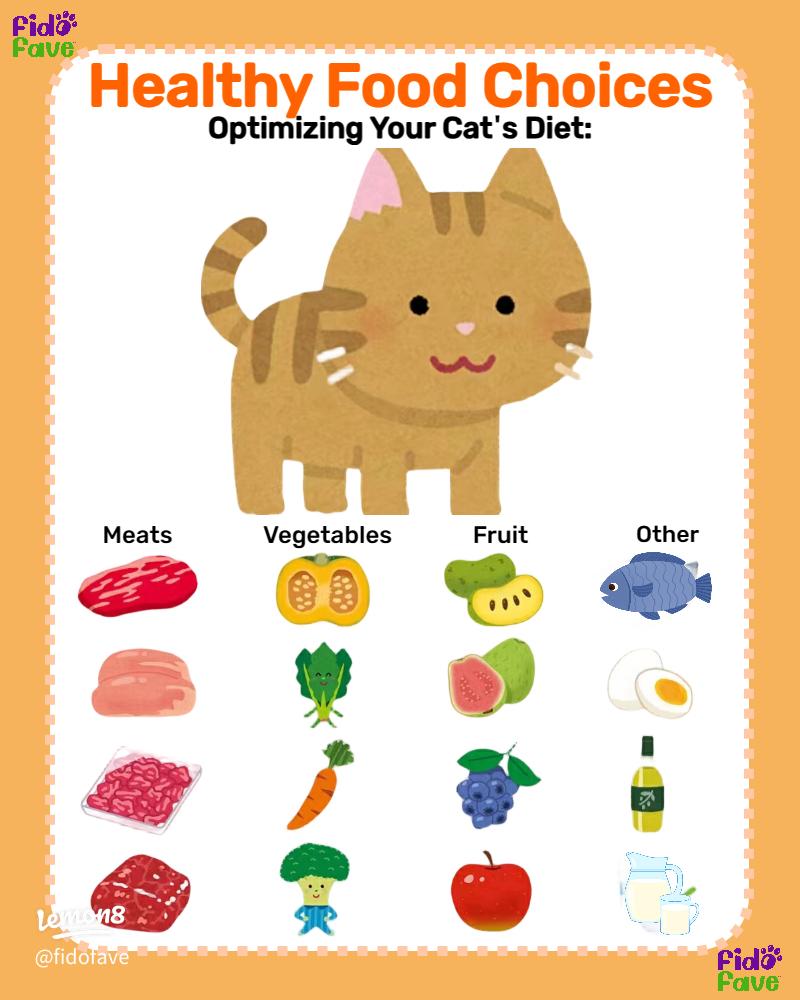
Cats can enjoy a variety of homemade meals. Cooked chicken and fish are safe options. Small portions of cooked rice or carrots can be added occasionally. Always ensure foods are plain, without spices or seasonings, to keep your cat healthy.
Thinking about preparing homemade meals for your feline friend can be exciting and rewarding. Cats are natural carnivores, and they thrive on a variety of proteins. Offering homemade meals not only provides a delightful change from commercial cat food but also lets you control the quality of ingredients. Let’s dive into some nutritious options that can make your cat’s dining experience more enjoyable.Cooked Meats
Many cats relish cooked meats like chicken, turkey, and beef. These meats are rich in protein, which is essential for your cat’s health. Ensure the meat is thoroughly cooked and free from seasoning or sauces that might upset your cat’s stomach. Have you ever noticed how your cat sniffs around while you cook chicken? Mine does! Serving small, bite-sized pieces can make it easier for your cat to eat and digest.Fish Options
Fish can be a tasty treat for your feline. Options like salmon and tuna are packed with omega-3 fatty acids, promoting a healthy coat and skin. However, moderation is key as too much fish can lead to nutritional imbalances. Avoid raw fish due to the risk of parasites. Steamed or baked fish without any seasoning works best. Does your cat enjoy fishy flavors? Experiment with small portions to see what they prefer.Egg Choices
Eggs are another excellent protein source for cats. Scrambled or boiled eggs, when cooked without oils or butter, can be a delightful addition to their diet. Offer eggs as an occasional treat rather than a staple meal. My cat goes wild for a small bite of scrambled eggs now and then. Have you tried offering eggs to your cat? It might be a new favorite! Providing homemade meals can be a wonderful way to bond with your cat. Always consider their nutritional needs and consult with your vet to ensure a balanced diet. What will you try cooking for your cat next?Fruits For Cats
Cats are curious creatures. They love to explore new tastes. Fruits can be a healthy treat for them. Not all fruits are safe, though. It’s important to know which ones are good.
Berries
Berries are small and tasty. Cats can eat them in moderation. Blueberries and strawberries are safe choices. They contain vitamins and antioxidants. These nutrients support a cat’s immune system. Always wash berries before serving. Cut them into small pieces. This prevents choking.
Melons
Melons are juicy and refreshing. Watermelon is a favorite for many cats. It hydrates and offers vitamins. Cantaloupe is also safe. It has a sweet taste cats enjoy. Serve melons in small chunks. Remove seeds and rind first. These can be harmful if eaten.
Banana Slices
Bananas are full of potassium. Cats can eat small slices. Potassium helps with muscle function. Bananas are soft and easy to digest. They make a quick treat. Don’t serve too much, though. Too much banana can upset a cat’s stomach. Always give fresh slices, never dried.
Vegetables Cats Can Enjoy
Cats can enjoy certain vegetables like peas, carrots, and cooked sweet potatoes. These vegetables provide nutrients without harming their health. Always introduce new foods gradually and ensure they are safe for feline consumption.
Cats are naturally curious creatures, often sniffing around for new things to taste. While cat food is specially formulated to meet their dietary needs, you might wonder if your feline friend can enjoy some vegetables as a treat. Surprisingly, there are several veggies that can be safe and healthy for cats. Let’s explore some vegetables that your cat can savor, adding a bit of variety to their diet.Carrots
Carrots are a crunchy delight that many cats might enjoy. These orange veggies are rich in beta-carotene, which the body converts into vitamin A. This is important for maintaining good vision and a healthy immune system. You can offer your cat a small piece of cooked carrot. Cooking softens the carrot, making it easier for your cat to chew. Always ensure the carrot is plain, without any seasonings or additives that could upset your cat’s stomach.Peas
Peas are small but pack a nutritional punch. They are a good source of vitamins B1, C, and K, as well as dietary fiber. Peas can support your cat’s digestive health and add a touch of sweetness to their treat options. When serving peas, it’s best to give them cooked and cooled. You can mix them into your cat’s regular food or offer a few as a standalone snack. Just make sure they’re soft enough to prevent choking.Pumpkin
Pumpkin is a fantastic vegetable that cats can enjoy, especially if they have digestive issues. It is high in fiber, which helps with both constipation and diarrhea. A spoonful of plain, cooked pumpkin can be a game-changer for your cat’s tummy troubles. Avoid using pumpkin pie filling, which contains sugar and spices. Opt for plain canned pumpkin or freshly cooked pumpkin to ensure your cat is getting all the benefits without any harmful ingredients. Have you ever shared a meal with your cat that included veggies? It’s fascinating to see how different cats react to new foods. You might find your cat’s new favorite treat among these vegetables. Just remember to introduce any new food slowly and in moderation. What vegetable will you try with your cat next?
Credit: anandicollege.ac.in
Grains And Cereals
Cats may be picky eaters, but did you know that grains and cereals can be a surprising addition to their diet? While it’s crucial to ensure your feline friend gets the nutrients they need from cat food, introducing certain grains can be beneficial. Let’s explore some safe and nutritious options that might just pique your cat’s interest.
Rice
Rice is a staple in many households, and it can be a safe choice for cats too. Cooked plain rice can soothe your cat’s stomach when they’re feeling a bit off. It’s bland and easy to digest.
Have you ever noticed how your cat seems curious about what’s on your plate? If you offer them a small spoonful of cooked rice, they might just take a nibble. It’s an ideal treat if you’re looking to add variety without compromising their digestion.
Oatmeal
Oatmeal isn’t just a hearty breakfast for humans; it can be a nutritious snack for cats as well. Rich in fiber, it can support their digestive health. But remember, plain is best—skip the sugar and milk.
Your cat might be intrigued by the texture and smell of oatmeal. Offering a small, cooked portion could be a delightful surprise. Would your cat enjoy a warm bowl beside you in the morning? Try it and see.
Quinoa
Quinoa is packed with protein, making it a unique grain option for cats. It’s slightly more adventurous than rice or oatmeal, but cooked quinoa can be a safe treat in moderation.
Have you ever considered sharing your healthy choices with your pet? A small amount of quinoa might be a fun experiment. Just ensure it’s plain and unseasoned. Could this be your cat’s new favorite snack?
When giving grains and cereals to your cat, moderation is key. Always introduce new foods gradually and watch for any adverse reactions. What other grains might you and your cat explore together?
Dairy Products
Cats can enjoy certain dairy products like small amounts of plain yogurt or cheese. These treats should be given occasionally. Always ensure they are lactose-free to avoid stomach issues.
Cats are curious creatures, often intrigued by the foods you enjoy. While cat food is the staple of their diet, some dairy products can be safely shared with them. It’s important to understand which options are suitable, as not all dairy delights are good for your feline friend. Let’s explore how cheese and yogurt can be part of your cat’s diet.Cheese
Cheese can be a tempting treat for cats. In small amounts, it can be a safe option. Opt for low-lactose varieties like hard cheeses. They contain less lactose, which is easier for cats to digest. Your cat might enjoy a nibble of cheddar or Swiss cheese. But watch for any signs of digestive upset, as not all cats tolerate cheese well. Try offering a tiny piece and observe your cat’s reaction. Sometimes, a small treat brings great joy.Yogurt
Yogurt is another dairy product that some cats enjoy. Plain, unsweetened yogurt is the best choice. It contains probiotics, which can aid digestion. However, moderation is key to prevent tummy troubles. If your cat shows interest in your yogurt snack, offer a small spoonful. It might surprise you how much they enjoy the creamy texture. Have you ever tried giving your cat yogurt? Their reaction might be more enthusiastic than expected. Consider these dairy options next time your cat shows interest in your meal. Always observe their reaction and adjust accordingly. Cats are unique, and their dietary preferences can be just as varied.Herbs And Spices
Cats can occasionally enjoy herbs like catnip and parsley, which are safe and can provide some health benefits. It’s important to avoid spices, as they might upset a cat’s stomach. Always ensure the herbs are fresh and clean before sharing with your feline friend.
When it comes to feeding your feline friends, you might wonder if there are safe and tasty alternatives to commercial cat food. Herbs and spices can be a delightful addition to a cat’s diet, offering not just variety but also some potential health benefits. However, it is crucial to know which ones are safe and how they can be used.Catnip
Catnip is a well-known herb that many cats adore. If you’ve ever watched a cat roll around blissfully on a catnip toy, you know its appeal. But did you know that catnip can be eaten too? It’s completely safe for cats to consume in small amounts. Adding a sprinkle of dried catnip to your cat’s food can enhance their dining experience. You might even notice a boost in their mood. Next time you’re preparing a treat, consider adding a pinch of catnip and watch your cat’s reaction. Have you ever tried this with your cat?Parsley
Parsley is not just a garnish for your meals; it can be beneficial for cats as well. This herb is rich in vitamins and can aid in freshening your cat’s breath. Offering a small amount of chopped fresh parsley can be a nice treat. Ensure you provide only a small quantity, as too much can upset their stomach. Try mixing a tiny bit into their regular food. How does your cat respond to this new taste sensation?When considering herbs and spices, always prioritize your cat’s safety. Not all herbs are cat-friendly, so doing a little research can go a long way. Have you ever thought about how a simple herb could change your cat’s meal for the better?
Foods To Avoid
When it comes to feeding your feline friend, it’s essential to know what foods to avoid. Cats have unique dietary needs and some foods can be harmful or even deadly. While sharing a snack with your cat might seem like a fun bonding moment, it’s crucial to ensure that what you’re offering is safe.
Toxic Foods
Many common human foods are toxic to cats. Chocolate, for example, contains theobromine, which is extremely harmful to them. Grapes and raisins, often considered a healthy snack for humans, can cause kidney failure in cats.
Onions and garlic, whether raw, cooked, or powdered, can damage a cat’s red blood cells, leading to anemia. Even a small amount can have severe consequences. Avocados, though healthy for us, contain persin, which is toxic to cats.
Allergenic Ingredients
Some cats have food allergies, just like humans. Dairy products, which are often thought to be a treat for cats, can cause digestive issues as many cats are lactose intolerant. If your cat starts showing signs of discomfort after eating cheese or milk, it might be time to cut these out.
Wheat and grains can also trigger allergies in some cats, leading to skin irritation or digestive problems. Have you noticed your cat itching more than usual? It could be a sign of an allergic reaction.
Think twice before giving your cat a taste of your meal. Always prioritize their health and safety over sharing human food. What other unexpected foods have you discovered are harmful to cats? Sharing your experiences can help others protect their furry companions.
Credit: www.consolata.org
Frequently Asked Questions
What Food Can I Give A Cat If I Don’t Have Cat Food?
You can offer cooked chicken, turkey, or plain rice. Scrambled eggs or small portions of plain canned tuna also work. Avoid seasoning or adding any spices. Ensure these foods are fresh and free from bones. Always provide fresh water alongside these meals.
Can Cats Eat Anything Besides Cat Food?
Cats can eat small amounts of cooked meat, fish, and eggs. Avoid giving them raw foods, dairy, or chocolate. Always consult a vet before introducing new foods to ensure safety. Their primary diet should still be nutritionally complete cat food.
Are There Any Human Foods You Can Feed Cats?
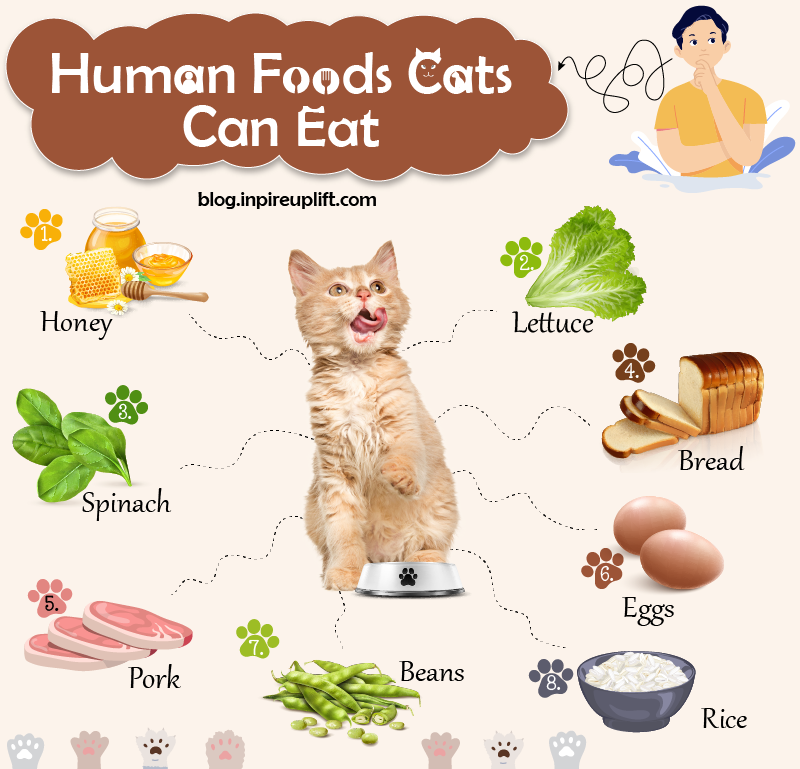
Yes, cats can eat some human foods. Safe options include cooked chicken, turkey, and small amounts of cheese. Always avoid onions, garlic, and chocolate. Consult your vet before introducing new foods to your cat’s diet.
Can Cats Eat Fruits Safely?
Yes, cats can eat fruits like apples and bananas in moderation. These fruits provide vitamins but should be given sparingly. Always remove seeds and pits as they can be harmful. Ensure fruits are fresh and avoid any that are spoiled.
Remember, treats should be occasional, not a regular diet.
Conclusion
Cats can enjoy more than just cat food. Safe human foods include cooked meat, fish, and some vegetables. Always ensure these are free from seasoning. Fresh fruits like melon are also fine, in moderation. Dairy isn’t ideal, but small amounts of cheese are often tolerated.
Watch for any allergies or discomfort. Consult your vet for a balanced diet. Remember, treats should not replace meals. Keep your cat’s health a priority. Diverse foods can make mealtime fun. But safety first. Always.