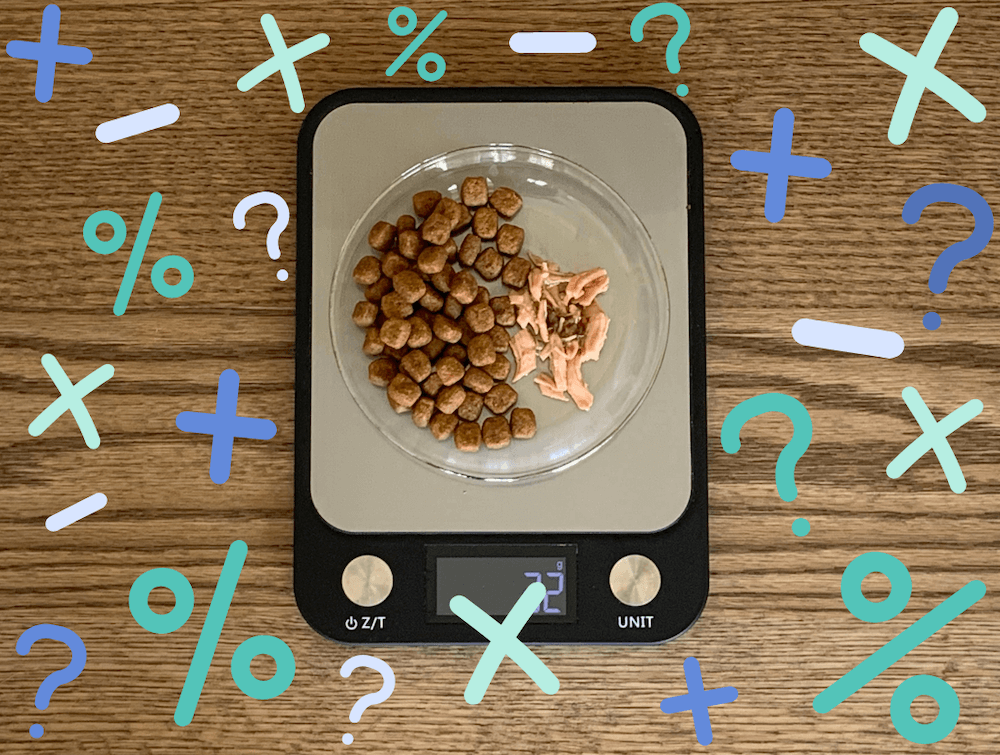
Are you wondering how much dry cat food you should be giving your feline friend each day? Ensuring your cat gets the right amount of food is crucial for their health and happiness.
Feeding too much can lead to obesity and health problems, while too little can leave your cat lacking essential nutrients. By understanding your cat’s specific needs, you can help them live a long and vibrant life. Dive into this article to discover the ideal feeding amounts, tailored tips, and expert advice that will transform your cat’s mealtime into a nurturing routine.
Your cat deserves the best, and together, we can make sure they get it!
Determining Cat’s Nutritional Needs
Determining a cat’s nutritional needs involves understanding daily food intake, especially dry cat food. Portion sizes depend on the cat’s age, weight, and activity level. Consult feeding guidelines on packaging for accurate portions.
Determining the right amount of dry cat food is crucial. Cats need balanced nutrition to stay healthy. Various factors influence their dietary needs. Understanding these can help provide the best care.Factors Influencing Nutritional Requirements
Several elements affect a cat’s food intake. Age is a key factor. Kittens need more calories for growth. Adult cats require maintenance-level nutrition. Senior cats may need fewer calories. Activity level also plays a role. Active cats burn more energy. They might need more food. Health conditions can impact nutrition too. Cats with health issues may have specific dietary needs. Weight is another consideration. Overweight cats need controlled portions. Underweight cats might need more food.Understanding Cat’s Life Stage Needs
Cats have different needs at each life stage. Kittens grow rapidly. They need high energy and protein. Adult cats need balanced nutrition. They require fewer calories than kittens. Senior cats have slower metabolisms. They may need less food but more fiber. Special life stages need attention too. Pregnant or nursing cats need extra nutrients. Their energy needs increase significantly. Adjust their food accordingly. Consider your cat’s life stage when feeding. It ensures they get what they need.
Credit: michupet.com
Portion Control
Portion control plays a crucial role in a cat’s diet. Feeding the right amount of dry food is essential for health and weight management. Cats are often overfed, leading to obesity and health issues. Understanding proper portion sizes can make a significant difference.
Importance Of Proper Portions
Proper portion sizes ensure balanced nutrition. Cats need specific nutrients for energy and growth. Overfeeding can lead to excess weight, causing diabetes and arthritis. Underfeeding may lead to nutrient deficiencies, impacting growth and energy levels. Proper portions help maintain a healthy weight and overall well-being. Regular meals in correct amounts prevent health problems.
Common Portion Mistakes
Many owners make mistakes with portion sizes. Some free-feed, leaving food out all day. This encourages overeating and weight gain. Others guess portions without measuring. This leads to inconsistent feeding amounts. Using a measuring cup helps avoid these mistakes. It provides accurate portions for each meal.
Calculating Daily Dry Food Intake
Determine the right portion of dry food for your cat based on its weight and activity level. Consider factors like age, metabolism, and health to ensure balanced nutrition. Adjust servings as needed for optimal health and energy.
Calculating how much dry cat food your feline friend needs each day is essential for their health and happiness. Feeding them too much can lead to obesity, while too little may not meet their nutritional needs. Understanding the right amount involves a bit of math, but it’s easier than you might think. The key is to consider their caloric needs and activity levels. Here’s how you can do it effectively.Using Caloric Needs For Calculation
Every cat has a unique caloric requirement based on their weight, age, and overall health. An average adult cat weighing around 10 pounds typically needs about 200 to 300 calories daily. Check your cat food’s packaging for calorie content, usually stated as kcal per cup. If your cat’s food contains 300 kcal per cup, and your cat needs 250 kcal per day, then you should feed them about 5/6 of a cup daily. Always round to the nearest practical measure to make feeding easier.Adjusting For Activity Levels
Cats are not one-size-fits-all, and their activity levels can vary greatly. If your cat is more active, like one that spends a lot of time playing or is allowed outdoors, they might need a little extra food. Conversely, a more sedentary indoor cat might require less than the standard amount. Monitor their weight and adjust the food quantity accordingly. Have you noticed any changes in your cat’s behavior or weight lately? This could be a cue to reassess their food intake. The perfect balance keeps your cat energetic and maintains a healthy weight. By paying attention to their caloric needs and activity levels, you can ensure they’re getting just the right amount of dry food daily.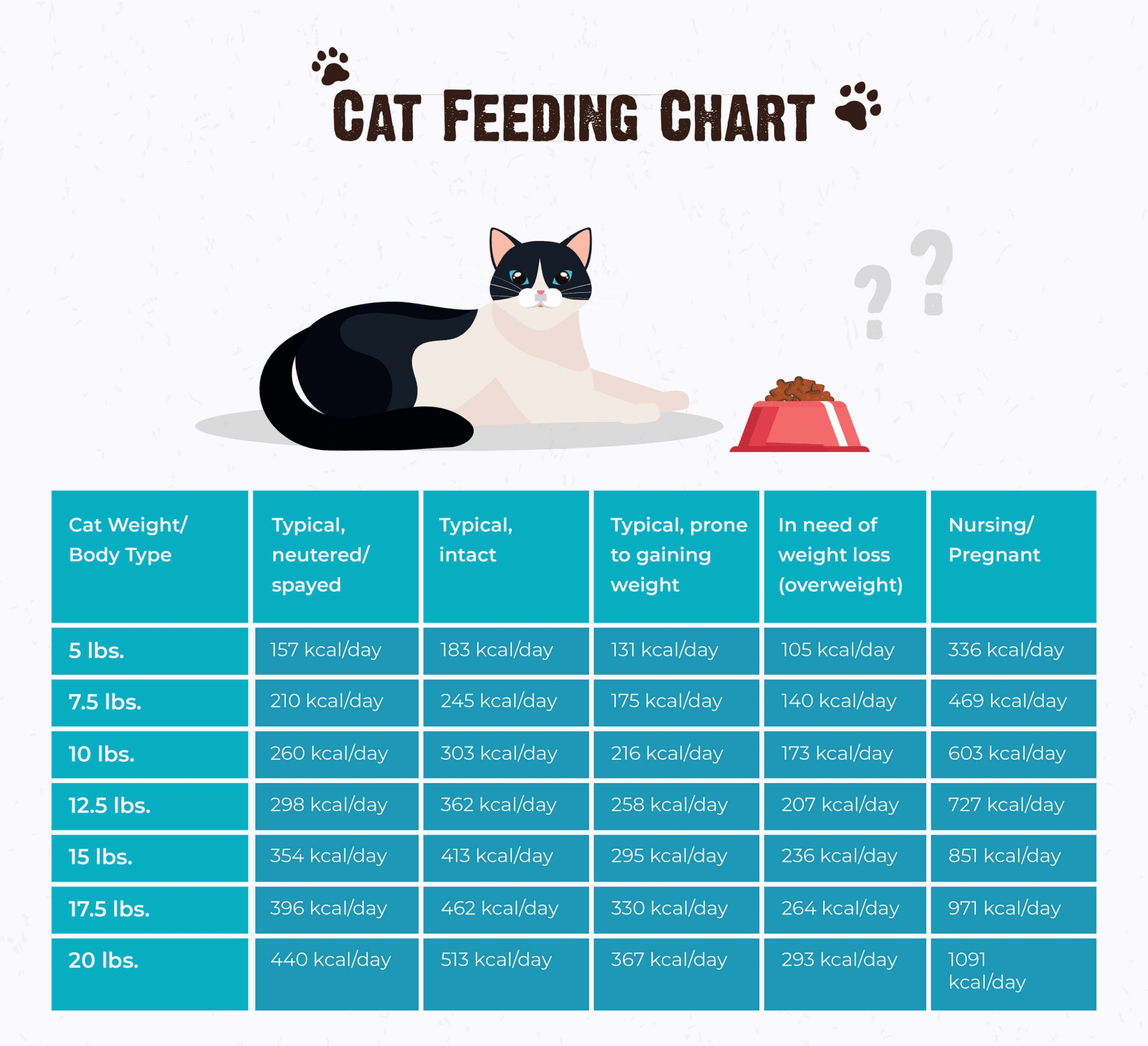
Credit: www.consolata.org
Choosing The Right Dry Food
Choosing the right dry cat food is essential for your feline’s health. It ensures they get the necessary nutrients for energy and growth. A good choice supports their digestion and prevents health issues. Always consider your cat’s age, weight, and activity level. Each cat has unique dietary needs. Understanding these needs helps in selecting the best dry food.
Evaluating Ingredients
Ingredients are crucial in choosing cat food. Look for high-quality protein sources. Chicken, turkey, or salmon are ideal. Avoid foods with fillers like corn or wheat. Fillers lack nutritional value. Check for added vitamins and minerals. Essential nutrients are important for your cat’s wellbeing.
Beware of artificial preservatives and colors. They can harm your cat’s health. Opt for natural ingredients. Natural foods are safer and healthier. Always read the label carefully. Understanding the label helps in making the right choice.
Considering Dietary Preferences
Dietary preferences vary among cats. Some prefer specific flavors. Others may have allergies or sensitivities. Identify your cat’s likes and dislikes. Adjust their diet accordingly. Trial and error may be needed. Find what works best for your cat.
Consider grain-free options if needed. Some cats digest them better. Consult your vet for advice. Professional guidance ensures proper nutrition. Regular monitoring is essential. It helps in tweaking their diet for optimal health.
Special Feeding Considerations
Feeding your cat isn’t just about pouring kibble into a bowl. Special feeding considerations play a crucial role in ensuring your feline friend leads a healthy and happy life. Different stages of a cat’s life demand unique dietary needs. Understanding these needs can make a significant difference in their overall well-being. Let’s dive into the specifics and see how you can tailor your cat’s diet effectively.
Feeding Kittens
Kittens are bundles of energy and curiosity. They need food that fuels their growth and playful antics. A kitten requires more calories than an adult cat. Feeding them small, frequent meals throughout the day can keep their energy levels high. You might notice your kitten’s appetite fluctuating—this is normal. Monitor their weight regularly to ensure they’re getting enough nutrition. Ever seen a kitten pause its play to munch on kibble? That’s the joy of having a well-fed kitten.
Senior Cat Requirements
Your senior cat has different needs. As they age, their metabolism slows down. They might not be as active as they once were. Adjusting their food intake can help maintain a healthy weight. Older cats benefit from food that supports joint health and is easy to digest. Are you noticing your senior cat being a bit picky with food? Introducing variety and texture can make meal times more appealing. It’s heartwarming to see a senior cat enjoy their food.
Managing Overweight Cats
Is your cat carrying a few extra pounds? Overweight cats are at risk for various health issues. Reducing their food intake slightly can help manage their weight. Opt for low-calorie dry cat food that still satisfies their hunger. Exercise is another crucial aspect. Encourage playtime to help them burn calories. Have you tried using feeding puzzles? They can slow down eating and add a fun challenge. Watching your cat navigate a puzzle is a rewarding sight.
Have you considered these special feeding considerations for your cat? Tailoring their diet to their stage in life can greatly enhance their health and happiness. Remember, every cat is unique. Pay attention to their needs and adjust accordingly. Your cat relies on you to make the best feeding choices. Are you ready to embrace the challenge?
Monitoring Cat’s Health
Feeding the right amount of dry cat food keeps cats healthy. Monitoring your cat’s health helps ensure they get proper nutrition. The right balance is key for energy and growth. Keep an eye on your cat’s behavior and appearance.
Recognizing the signs can prevent health issues. This awareness helps maintain your cat’s well-being.
Signs Of Overfeeding
Overfeeding can lead to weight gain. A chubby cat may seem cute, but it’s unhealthy. Watch for decreased activity or laziness. Cats may become less playful if overfed. Excessive weight can stress their joints.
Another sign is difficulty grooming. Obese cats struggle to reach certain areas. Check for signs of labored breathing. This can indicate extra weight. Overfeeding might also cause digestive problems. Soft stools or diarrhea are warning signs.
Indicators Of Nutritional Deficiency
A balanced diet is crucial for your cat’s health. Look for dull, dry fur. This can signal nutrient deficiency. Cats need shiny, sleek coats. Watch out for frequent shedding or bald spots. These signs might indicate a lack of nutrients.
Check your cat’s energy levels. Lethargy suggests they aren’t getting enough nutrients. Poor appetite can be a red flag too. Cats should eat regularly and with interest. Pay attention to frequent infections or illnesses. These might show weakened immunity from poor nutrition.
Consulting A Veterinarian
Consulting a veterinarian ensures your cat’s daily dry food intake meets its health needs. Each cat requires different food amounts based on age, weight, and activity level. Professional advice helps tailor feeding to maintain optimal health and prevent obesity.
Understanding your cat’s dietary needs is crucial. Cats have unique nutritional requirements. Feeding them the right amount is essential. Sometimes, it’s hard to know how much dry cat food they need. Consulting a veterinarian can provide clarity. Vets have the expertise to guide you. They can help ensure your cat stays healthy.When To Seek Professional Advice
Wondering if your cat’s weight is healthy? Not sure if they’re eating enough? These are signs to contact a vet. Changes in your cat’s energy levels also matter. If your cat seems lethargic, seek advice. Sudden weight gain or loss is a red flag. A vet can assess your cat’s health needs. They will offer tailored feeding advice.Questions To Ask Your Vet
Prepare questions before your vet visit. Ask about the ideal portion size for your cat. Inquire about your cat’s specific nutritional needs. Is there a need for dietary supplements? Discuss your cat’s current eating habits. Are there signs of overeating or undereating? Understanding these can help adjust their diet. Your vet can suggest the best food brands too. `:strip_icc()/how-much-canned-food-to-feed-554404-Final-4e9268619c4847eaac29498a6a17d88c.png)
Credit: www.thesprucepets.com
Frequently Asked Questions
Is 1 Cup Of Dry Food A Day For A Cat Too Much?
One cup of dry food may be excessive for some cats, depending on age, weight, and activity level. Consult your vet for personalized advice. Typically, adult cats need about 1/4 to 1/2 cup daily. Adjust portions based on health and lifestyle to ensure proper nutrition.
How Much Dry Food Should A Cat Eat In 24 Hours?
Cats typically require 24 to 35 calories per pound daily. For dry food, this equals about 1/3 to 1/2 cup. The exact amount varies based on the cat’s weight, age, and activity level. Always consult your vet for personalized feeding advice.
Is 2 Meals A Day Enough For A Cat?
Feeding a cat two meals daily is generally sufficient. Ensure meals are balanced and portioned correctly for their age and activity level. Consult your vet for personalized advice. Regular meal times can help maintain healthy weight and digestion. Adjust portions if your cat shows signs of hunger or weight changes.
What Is The 25 Rule For Cat Food?
The 25% rule for cat food indicates that a named ingredient must make up at least 25% of the product’s weight. This rule applies when the ingredient is highlighted in the product name, like “Chicken Dinner. ” This ensures transparency for consumers regarding the actual ingredient content in the cat food.
Conclusion
Finding the right amount of dry cat food matters. It affects health and happiness. Each cat is unique. Age, weight, and activity level play a role. Watch for weight changes. Adjust food if needed. Consult a vet for guidance. They offer expert advice.
Always ensure fresh water is available. Your cat’s wellbeing depends on balanced nutrition. Healthy diet. Happy cat. Follow these tips for peace of mind. Enjoy the bonding moments with your furry friend. Proper feeding strengthens your bond. Prioritize their health.
Make informed choices. Your cat deserves the best care.