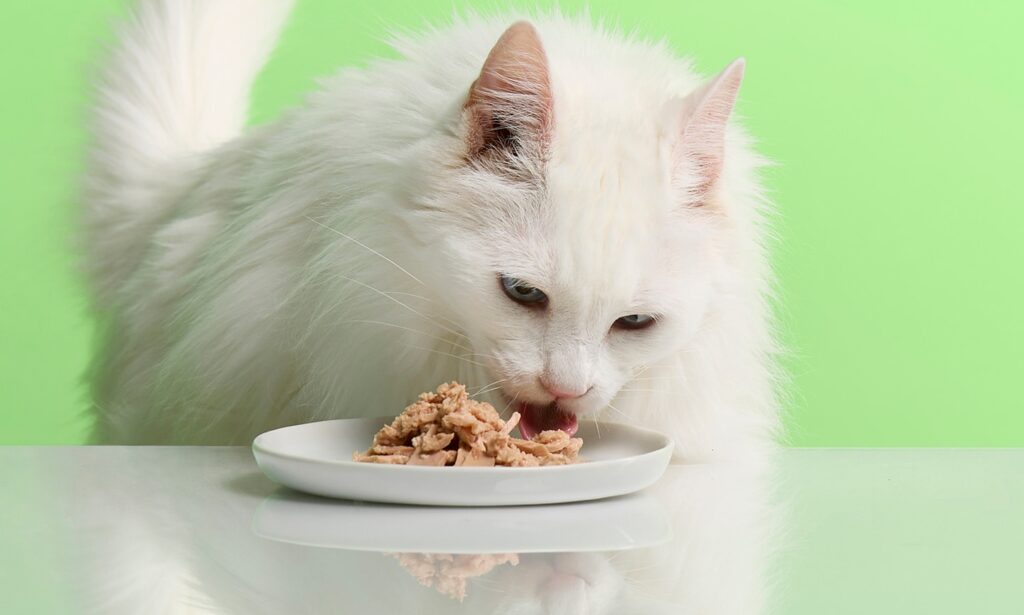
Are you feeding your feline friend tuna cat food and wondering if it’s the best choice for their health? You’re not alone.
Many cat owners, like you, are drawn to the convenience and appeal of tuna-flavored cat food. But is it really as beneficial for your kitty as it seems? Understanding the impact of this popular food choice is crucial for any caring pet owner.
Before you scoop that next serving into your cat’s bowl, let’s explore the potential downsides and risks associated with tuna cat food. By the end of this article, you’ll have a clearer understanding of how to make informed decisions about your cat’s diet, ensuring their happiness and well-being for years to come. Curious to find out more? Keep reading to uncover the truth about tuna cat food.
Tuna Cat Food Basics
Tuna cat food might not be the best choice for your feline friend. High mercury levels can pose health risks. Offering it too often may lead to nutritional deficiencies.
Tuna cat food might seem like a tasty treat for your feline friend, but is it really as beneficial as it appears? While cats are known for their love of fish, it’s important to understand what goes into tuna cat food and how it affects your pet’s health. By diving into the basics, you can make informed decisions about whether this popular choice is suitable for your furry companion.What Is Tuna Cat Food?
Tuna cat food is often made from canned or processed tuna, sometimes mixed with other ingredients. It’s designed to be palatable for cats who are naturally attracted to the smell and taste of fish. However, just because it’s appealing doesn’t mean it’s the best nutritional choice.Nutritional Value Of Tuna
Tuna is high in protein, which is essential for maintaining your cat’s muscles and overall health. It also contains omega-3 fatty acids, which can be beneficial for your cat’s skin and coat. But, it’s important to be aware that tuna lacks many vital nutrients that cats need to thrive.Risks Of Feeding Too Much Tuna
Feeding your cat too much tuna can lead to health problems. Tuna is low in certain vitamins and minerals, such as vitamin E, which can result in deficiencies over time. Additionally, mercury levels in tuna could pose a risk if consumed in large quantities.How To Safely Include Tuna In Your Cat’s Diet
If you choose to give your cat tuna, moderation is key. Consider using it as an occasional treat rather than a staple part of their diet. Always check labels for added ingredients that might not be safe for cats, such as onions or garlic.Signs Of Tuna Allergies In Cats
Some cats might develop allergies to tuna. Watch for signs like itching, vomiting, or diarrhea after your cat consumes tuna. If you notice any of these symptoms, consult your vet to discuss alternative food options.Alternative Protein Sources
There are many other protein sources that can offer balanced nutrition for your cat. Chicken, turkey, and specially formulated cat foods can provide the nutrients that tuna may lack. Look for options that list high-quality meats as the primary ingredient. Is your cat obsessed with tuna, or have you found other foods they love just as much? Balancing your pet’s diet can be challenging, but it’s crucial for their health and happiness. Share your experiences and tips in the comments to help fellow cat lovers make informed choices.
Credit: www.weruva.com
Nutritional Content
Tuna cat food can lack essential nutrients needed for feline health. Cats require balanced diets with taurine, vitamins, and minerals. Feeding only tuna may lead to deficiencies affecting heart and vision.
Understanding the nutritional content of tuna cat food is crucial for your feline friend’s health. While it might seem like a tasty treat for your cat, it’s essential to know whether it provides the necessary nutrients. Tuna cat food can be a part of your cat’s diet, but it should not be the only source of nutrition. Let’s dive into what makes up the nutritional content of tuna cat food and what it may lack.Essential Nutrients
Tuna cat food does offer some essential nutrients that are beneficial for your cat. It is rich in protein, which is vital for your cat’s muscles and overall growth. Cats are obligate carnivores, meaning they need a diet high in animal proteins. Tuna is also a good source of omega-3 fatty acids, which support healthy skin and a shiny coat. However, while tuna provides some nutrients, it should not replace a balanced diet. Consider whether your cat is getting enough of what it truly needs from its food.Missing Vitamins And Minerals
Despite the protein benefits, tuna cat food can be lacking in certain vitamins and minerals. It may not offer enough taurine, an essential amino acid that cats cannot produce on their own. Taurine deficiency can lead to serious health issues, including heart problems and vision loss. Vitamins like vitamin E and several B vitamins might also be insufficient in a solely tuna-based diet. I once thought feeding my cat only tuna was a treat, but soon realized her energy levels dropped. It made me question if she was getting all the nutrients she needed. So, what should you do? Ensure your cat’s diet is diverse. Supplement tuna with other cat foods that provide a complete nutritional profile. Ask yourself, is your cat’s diet varied enough to meet its nutritional needs? Incorporating a mix of different proteins and nutrients can ensure your feline friend stays healthy and happy. It’s not just about what your cat enjoys, but what it truly needs to thrive.Health Risks
Tuna cat food may seem like a tasty treat for cats. Yet, it can pose health risks if consumed too often. Cats need a balanced diet to stay healthy. Tuna lacks some vital nutrients. Feeding too much tuna can lead to serious health issues.
Mercury Poisoning
Tuna contains mercury, which can be harmful in large amounts. Cats eating lots of tuna risk mercury poisoning. This can affect their nervous system. Symptoms include coordination problems and muscle weakness. It’s crucial to limit tuna intake to protect your cat.
Allergies And Sensitivities
Some cats may develop allergies to tuna. Signs include itching, sneezing, and digestive issues. A cat’s reaction can vary. If your cat shows signs, consult a vet. They can help identify the allergen and suggest alternatives.
Thiamine Deficiency
Tuna lacks thiamine, a vital nutrient for cats. Thiamine supports nerve and brain function. A deficiency can lead to neurological problems. Symptoms include loss of appetite and seizures. Ensure your cat’s diet includes thiamine-rich foods.
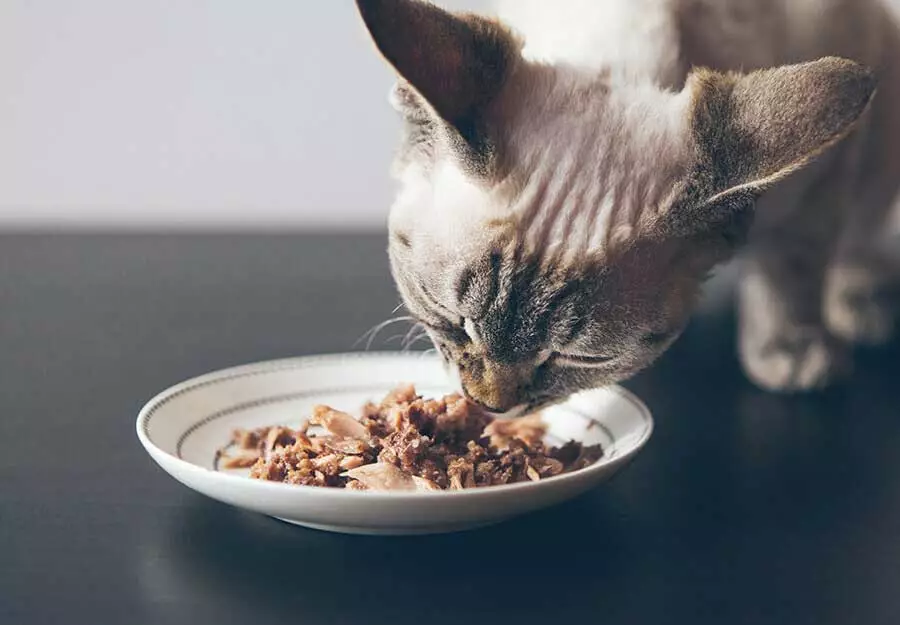
Credit: blog.homesalive.ca
Behavioral Concerns
Cats love tuna, but it might not be the best choice for them. Too much tuna can cause health issues. A varied diet is better for a cat’s overall well-being.
Cats are beloved members of our families, and we always want the best for them, including their diet. However, feeding your cat tuna cat food regularly might not be the best choice due to certain behavioral concerns. While many cats adore the taste of tuna, it can lead to issues that might surprise you.Addiction And Picky Eating
Imagine your cat turning up its nose at everything except tuna. Many cat owners have faced this frustrating scenario. Cats can become addicted to the strong aroma and flavor of tuna. This addiction can lead to picky eating habits, making it difficult for you to introduce other nutritious foods. You might find yourself constantly worrying about their nutritional balance, wondering why they refuse other foods.Obesity Risks
Tuna cat food, while appealing, often lacks the balance of nutrients your cat needs. When cats consume excessive amounts of tuna, they might be ingesting more calories than necessary, leading to obesity. Think about the energy levels of an overweight cat—slow, lethargic, and not as playful. Maintaining a healthy weight is crucial for your cat’s overall well-being. Are you unknowingly contributing to your cat’s weight gain with too much tuna? By being aware of these behavioral concerns, you can make better dietary choices for your feline friend. Consider offering a variety of foods to ensure a balanced diet and prevent these issues from arising. What changes can you make today to improve your cat’s eating habits?Safe Feeding Practices
Tuna cat food can be harmful to cats if fed exclusively. Cats need a balanced diet to thrive. Overconsumption of tuna may lead to health issues due to high mercury levels and lack of essential nutrients.
Feeding your cat can be a journey filled with questions, especially when it comes to tuna. While cats love the taste of this fish, ensuring they eat it safely is crucial. Here, we dive into safe feeding practices that will keep your feline friend happy and healthy.Balanced Diet Considerations
Cats require a diet that provides essential nutrients. Tuna, while tasty, often lacks necessary vitamins and minerals. You might think, “Tuna is just fish, so what’s the harm?” The truth is, relying solely on tuna can lead to deficiencies in taurine and other essential nutrients. Balance tuna with other food types. Mix it with high-quality commercial cat food that covers all nutritional bases.Moderation And Frequency
How often should you feed tuna to your cat? Moderation is key. Eating tuna every day can lead to health issues. You might remember your cat meowing enthusiastically for tuna after a smell from the kitchen. However, too much tuna can lead to mercury poisoning. Limit tuna treats to once or twice a week. This keeps your cat interested and avoids health risks. Consider how much tuna you give at a time. Small portions help manage calorie intake and prevent overfeeding. Think of it like giving your cat a special treat rather than a main meal. Ask yourself if the portion aligns with your cat’s overall diet and lifestyle. Cats are creatures of habit, but they also benefit from variety. Have you noticed your cat’s delight when you introduce a new treat? Mixing up their diet keeps them engaged and ensures they’re getting what they need. Be mindful of your cat’s preferences and health needs. By practicing safe feeding, you’re not just filling their bowl—you’re caring for their well-being. What’s your cat’s favorite treat?Alternatives To Tuna
Tuna cat food might pose health risks for cats due to high mercury levels. Consider salmon, chicken, or turkey as nutritious alternatives. These options provide essential proteins and nutrients without the risks associated with tuna.
Introducing new protein sources into your cat’s diet can help keep them healthy and satisfied, especially if you’re looking to cut back on tuna. Many cat owners, including myself, have discovered that variety not only keeps our feline friends happy but also contributes to their overall well-being. But how do you choose the right alternatives to tuna? Let’s dive into some practical and nutritious options.Variety In Protein Sources
Cats thrive on high-quality proteins, and offering them a diverse range can prevent nutritional imbalances. Chicken, for instance, is a great option as it’s lean and widely available. My own cat, Whiskers, showed significant improvement in energy levels when I switched from a tuna-heavy diet to chicken-based meals. Consider turkey and duck as well. Both are rich in essential amino acids that support muscle growth. Lamb and beef can also be introduced, but it’s best to offer these in moderation due to their higher fat content. Have you ever thought about fish other than tuna? Salmon and sardines provide omega-3 fatty acids, which are good for your cat’s skin and coat. Just ensure these are served in moderation to avoid mercury exposure.Commercial Cat Food Options
Switching to commercial cat food with varied protein sources can be a convenient choice. Many brands now offer blends that incorporate chicken, turkey, and other meats. This not only simplifies meal planning but ensures a balanced diet. During a recent trip to the pet store, I noticed an increasing array of grain-free and natural cat food products. These often contain novel proteins like rabbit or venison, which can be a treat for your cat. Check the labels for nutritional information and opt for brands that prioritize high-quality ingredients. Does your cat have specific dietary needs? Veterinary-recommended formulas can cater to those, ensuring your cat gets the right nutrients without the tuna. Choosing alternatives to tuna doesn’t have to be daunting. By experimenting with different proteins and commercial options, you can find a diet that suits your cat’s taste and health needs.Veterinary Recommendations
Many cat owners wonder about feeding tuna cat food. Is it safe? Veterinary experts offer crucial insights. They emphasize balanced nutrition for feline health. Tuna, while tasty, may lack essential nutrients. Experts suggest moderation. Overreliance on tuna can lead to health issues.
Professional Guidance
Veterinarians recommend consulting before changing a cat’s diet. They understand specific nutritional needs. Cats need taurine, vitamins, and minerals. Tuna alone may not provide these. A vet can guide you on safe tuna portions. They may suggest mixing tuna with other foods. This ensures a balanced diet.
Monitoring Cat Health
Regular health checks are essential. Watch for any dietary changes. Monitor your cat’s weight and energy levels. Notice any changes in coat or skin. These can indicate nutritional deficiencies. If concerns arise, consult your vet. Early intervention can prevent serious health issues. Your vet can adjust dietary recommendations as needed.
:max_bytes(150000):strip_icc()/can-cats-eat-tuna-44b70ed440d645db87edab6eb7f836d9.png)
Credit: www.dailypaws.com
Frequently Asked Questions
Is It Okay For Cats To Eat Tuna Cat Food Every Day?
Cats can eat tuna cat food occasionally. Daily consumption may lead to mercury poisoning or nutrient imbalance. Offer a balanced diet with variety. Always consult your vet for diet advice tailored to your cat’s needs.
Why Should You Not Feed Cats Tuna?
Tuna lacks essential nutrients cats need. Feeding it regularly can lead to malnutrition and mercury poisoning. It should be an occasional treat, not a staple. A balanced cat diet is crucial for their health and well-being. Choose nutritionally complete cat food to ensure they receive necessary vitamins and minerals.
What Cat Food Is Not Recommended?
Avoid cat foods with excessive fillers, artificial additives, and by-products. Low-quality brands often lack essential nutrients. Always choose reputable brands with high-quality ingredients. Consult your vet for specific dietary needs.
Is Tuna Cat Food Safe For Daily Feeding?
Feeding tuna cat food daily is not recommended. Tuna lacks essential nutrients cats need from a balanced diet. It may lead to nutritional deficiencies over time. Additionally, excessive tuna can cause mercury poisoning, which is harmful to cats. It’s best to offer tuna as an occasional treat.
Conclusion
Tuna cat food isn’t always bad for cats. Moderation is key. Tuna can be tasty for cats, but too much can cause health issues. Mercury levels in tuna may be risky. Nutrients in tuna aren’t balanced for daily diets. It’s best to mix tuna with other foods.
Variety ensures your cat gets all needed nutrients. Always check labels for quality. Consult a vet for personalized advice. A healthy diet keeps your cat happy and active. Consider your cat’s needs and preferences. Balanced meals lead to a healthier life.