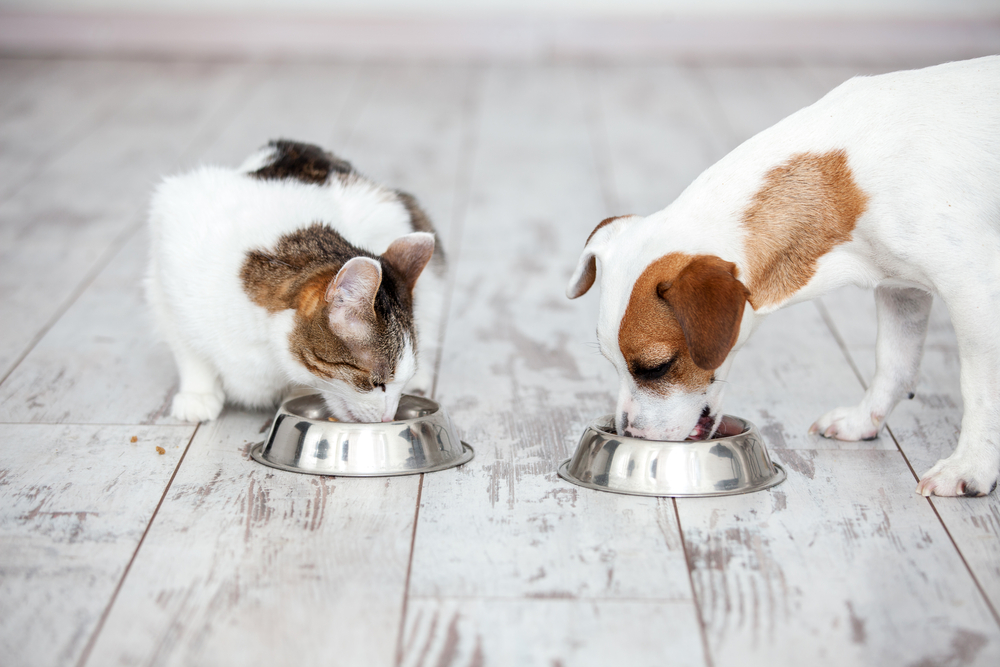
Have you ever found yourself in a pinch, with a hungry dog and only a can of cat food in sight? You’re not alone.
Many pet owners have faced this dilemma and wondered if feeding cat food to their dog is a safe option. As a pet parent, you want to make the best choices for your furry friend’s health and happiness. By understanding the differences between dog and cat food, you can ensure your dog’s diet meets their nutritional needs.
Stick around as we unravel the facts, and you’ll be equipped with the knowledge to make informed decisions about your dog’s diet. Your dog’s well-being could depend on it!
:strip_icc()/GettyImages-1137504605-4ea3ceec185f4d1e9dc39fb71f8ae04c.jpg)
Credit: www.thesprucepets.com
Nutritional Differences
Feeding dogs cat food occasionally might seem harmless, but it lacks essential nutrients dogs need. Dogs require more protein and vitamins than cat food provides. This can lead to nutritional deficiencies. Always ensure your dog gets a balanced diet tailored for their needs.
When you wander down the pet food aisle, you might wonder if feeding your dog cat food is a viable option. While it might seem convenient, understanding the nutritional differences between dog and cat food is crucial. Your pet’s health depends heavily on the right balance of nutrients, and these two types of food are not interchangeable.Protein Content
Cat food typically has higher protein content than dog food. Cats are obligate carnivores and need more protein in their diet. Dogs, however, are omnivores and require a more varied diet. Feeding your dog cat food might overload their system with protein, leading to potential health issues like kidney problems.Vitamin Variations
Cats need specific vitamins that dogs don’t, such as Vitamin A and taurine. Dog food is formulated differently, as dogs can produce their own taurine and require less Vitamin A. If you feed your dog cat food, they might miss out on essential nutrients tailored for their needs.Mineral Imbalances
Cat food often contains higher levels of certain minerals, like magnesium and phosphorus, which can be harmful to dogs over time. These imbalances can lead to urinary and kidney issues. A friend once told me about her dog who developed a urinary tract issue after sneaking bites of her cat’s food. It was a costly lesson on the importance of feeding pets the right food. Have you ever noticed a change in your pet’s behavior or health after a diet shift? It’s a reminder that each species needs specific nutrition to thrive. Always choose food designed for your pet’s unique dietary requirements.
Credit: www.usatoday.com
Health Implications For Dogs
Feeding your dog cat food might seem convenient, especially if you have both pets at home. But what are the health implications for your furry friend? Dogs and cats have different nutritional needs. Giving your dog food meant for cats can lead to a range of health issues. It’s crucial to understand how these foods impact your dog’s health before mixing up their diet.
Digestive Issues
Dogs can experience digestive problems when they eat cat food. Cat food is rich in protein and fat, which can upset your dog’s stomach.
Have you ever noticed your dog having diarrhea or vomiting after sneaking some cat kibble? That’s a sign their digestive system is struggling to process it.
Consider how uncomfortable it must be for your dog. You should keep track of their digestive health and avoid feeding them cat food to prevent these issues.
Allergic Reactions
Did you know dogs can have allergic reactions to cat food ingredients? Cats need specific proteins that might cause allergies in dogs.
Imagine your dog scratching or developing a rash after eating cat food. This is a common allergic reaction that could be avoided.
Pay attention to any unusual symptoms after your dog eats cat food. If you notice allergies, consult your vet for advice on proper dog nutrition.
Long-term Health Risks
Feeding your dog cat food regularly can lead to serious health problems over time. Cat food lacks the balanced nutrients dogs need.
A dog eating cat food might miss out on essential vitamins and minerals. This can result in long-term deficiencies affecting their overall health.
Think about the future. Would you want your dog facing health issues due to a poor diet? Ensure their meals are nutritionally appropriate for their needs.
Ultimately, it’s about keeping your dog healthy and happy. Be mindful of their diet choices and protect them from unnecessary health risks.
Occasional Feeding Scenarios
Feeding your dog cat food isn’t ideal. Yet, certain situations might leave you with no choice. Understanding these scenarios ensures your dog’s health isn’t compromised. This section explores moments when feeding cat food could be acceptable.
Emergency Situations
Picture this: you’re out of dog food. Stores are closed. Your dog’s hungry eyes plead for a meal. In such emergencies, cat food can be a temporary fix. It’s not nutritionally balanced for dogs but works in a pinch. Make sure this doesn’t become a habit. Regular dog food is vital for your pet’s health.
Short-term Solutions
Maybe you’re traveling. You forgot the dog food. In these short-term scenarios, using cat food for a day or two is okay. Choose wet cat food if possible. It has more moisture, which is better for dogs. Don’t rely on this option often. Plan to restock dog food quickly.
Behavioral Effects
Feeding your dog cat food might seem harmless at first glance, especially when you’re in a pinch. However, understanding the behavioral effects this choice might have can save you and your furry friend from potential issues. Dogs and cats have different dietary needs, and these differences can impact not just their health, but also how they behave. Let’s dive into why taste preferences and feeding habits matter.
Taste Preferences
Have you ever noticed how your dog dives into their food with enthusiasm? Dogs generally have a broader palate than cats. While cat food may appeal to them with its strong aroma and taste, it doesn’t mean it’s a suitable choice for their diet. Cat food is often richer and may become addictive for a dog, leading them to reject their regular meals. Imagine your dog turning their nose up at their usual kibble just because they’ve had a taste of the more tempting cat food.
Cat food can spoil a dog’s taste preferences, much like how a child might prefer candy over vegetables. This could lead to picky eating habits, making it difficult for you to provide balanced nutrition. Are you ready to deal with a stubborn pup that refuses to eat anything else?
Feeding Habits
Feeding habits play a crucial role in your pet’s behavior. Dogs thrive on routine and consistency. Introducing cat food can disrupt this routine, leading to confusion and anxiety. You might find your dog begging for food more frequently or exhibiting signs of restlessness because they miss the taste of cat food.
Long-term feeding of cat food can also affect your dog’s energy levels. Cat food is designed for felines, who typically have a lower need for carbohydrates compared to dogs. Your dog might become lethargic or overly hyperactive, depending on how they react to the nutritional imbalance. Are you prepared to manage these behavioral changes?
Maintaining proper feeding habits is essential for your dog’s overall well-being and happiness. It’s about keeping a balance that ensures they remain energetic and content. Instead of giving in to the allure of cat food, explore dog food options that are both tasty and nutritious.
Expert Opinions
Veterinarians often advise against feeding dogs cat food due to its nutritional differences. Cats need more protein and certain nutrients than dogs. Feeding a dog cat food occasionally might not harm them, but it’s not recommended for regular meals.
Feeding your dog cat food might seem convenient, especially if you’re running low on dog food. However, experts have varied opinions on whether this is a good idea. Understanding what professionals think can help you make informed decisions about your pet’s diet. Let’s dive into what veterinarians and pet nutritionists have to say about feeding dogs cat food.Veterinary Advice
Veterinarians generally advise against feeding dogs cat food. The nutritional requirements for cats and dogs are quite different. Cat food is rich in protein and fat, which suits a feline’s needs but can be excessive for dogs. Imagine your dog gaining weight unexpectedly; it could be due to the high-fat content in cat food. Veterinarians have seen cases where dogs eating cat food developed digestive issues. You don’t want to see your furry friend suffer from stomach upset or diarrhea. Your vet might suggest alternatives if you’re out of dog food. Mixing some boiled chicken or rice can be a temporary solution while you restock on dog food. This ensures that your dog still gets the right nutrients without risking their health.Pet Nutritionists
Pet nutritionists emphasize balanced diets tailored to each species. They highlight that cat food lacks vital nutrients dogs need, like certain vitamins and minerals. Feeding dogs a diet meant for cats can lead to deficiencies over time. A pet nutritionist once mentioned a case where a dog developed skin problems due to eating cat food regularly. It was a wake-up call for the owner to reassess their pet’s diet. Skin and coat health are directly linked to proper nutrition. Think about how you ensure your meals are balanced. Your dog deserves the same care. Nutritionists often recommend checking labels and consulting them to understand what your dog truly needs. They can guide you in choosing the right food that supports your dog’s health long-term. Feeding your dog cat food occasionally might not cause harm, but experts suggest it’s not a sustainable option. What might seem like a quick fix could lead to bigger issues down the road. Would you risk your dog’s health for convenience?Alternative Solutions
Dogs have different dietary needs than cats. Feeding them cat food regularly can cause health issues. Consider consulting a vet for suitable alternatives.
Feeding your dog cat food might seem like a quick fix, especially if you’ve run out of dog food. However, it’s not the best choice for your furry friend. Dogs and cats have different nutritional needs. So, what are some alternative solutions to ensure your dog gets the nutrition they require? Let’s dive into a few practical options.Dog Food Varieties
When selecting dog food, variety is key. Different brands offer unique blends tailored to various needs like age, size, and health conditions. You can find dog food designed for puppies, adults, or senior dogs. Each has specific nutrients to support their growth or aging process. If your dog has allergies, try grain-free or hypoallergenic options. They can be lifesavers for sensitive stomachs.Homemade Diets
Making a homemade diet can be rewarding and ensures you know exactly what your dog eats. A balanced meal often includes lean meats, vegetables, and grains. Think chicken with carrots and brown rice. Remember, not all human foods are safe for dogs. Avoid ingredients like onions or chocolate. Consulting with a vet can help you tailor a perfect diet. Do you ever wonder what your dog might enjoy more? Trying a homemade diet could be an exciting adventure for both you and your pet.Myths And Misconceptions
Feeding a dog cat food might seem harmless. Yet, several myths surround this idea. Many pet owners have misconceptions about the dietary needs of dogs and cats. Understanding these myths is crucial for your pet’s health. Let’s explore some common misunderstandings and the facts behind them.
Common Misunderstandings
One common belief is that dogs and cats can share meals. Many think cat food is just as good for dogs. This is not true. Dogs have different nutritional needs than cats. Another misunderstanding is that a little cat food won’t harm dogs. Some owners assume occasional feeding won’t cause issues. But even small amounts can lead to health problems over time.
Fact Vs. Fiction
Fact: Cat food contains high protein levels. Fiction: Dogs need the same protein levels as cats. Dogs require balanced nutrition with more carbohydrates. Fact: Cat food is rich in taurine, an essential amino acid for cats. Fiction: Dogs benefit from taurine-rich diets. Dogs produce their taurine naturally. Eating cat food can lead to nutrient imbalances for dogs.
Fact: Cat food has more fats and calories. Fiction: Dogs can handle the extra calories. Extra fats may cause obesity and pancreatitis in dogs. These myths can mislead pet owners. Always choose the right food for your pet.
Credit: www.masterclass.com
Frequently Asked Questions
Is It Okay To Feed A Dog Cat Food?
Feeding dogs cat food isn’t recommended. Cats and dogs have different nutritional needs. Dog food meets a dog’s dietary requirements. Long-term feeding of cat food can lead to health issues in dogs. Always consult with a veterinarian for proper guidance on pet diets.
Choose food specifically designed for dogs.
What Can I Feed My Dog If I Run Out Of Dog Food?
You can feed your dog plain cooked chicken, rice, or boiled vegetables. Eggs or plain pasta are also options. Ensure foods are unseasoned and safe for dogs. Always avoid harmful foods like chocolate, grapes, and onions. Consult your vet if unsure.
What Happens If My Dog Eats Cat Food Once?
A dog eating cat food once usually causes no harm. It might experience minor digestive upset or no issues at all. Monitor your dog for any signs of discomfort and ensure its regular diet is maintained. Consult a veterinarian if symptoms persist or worsen.
Can Dogs Eat Cat Food Safely?
Dogs can eat cat food occasionally, but it’s not recommended regularly. Cat food is high in protein and fat, which can harm dogs over time. It may lead to obesity or pancreatitis. Always consult your vet before making any dietary changes for your pet.
Conclusion
Feeding dogs cat food isn’t ideal. Dogs need specific nutrients. Cat food lacks these. It might cause health problems for dogs. Stomach upset is common. Nutrient imbalance can occur too. Always choose dog-specific food. It ensures balanced nutrition. Consult your vet for advice.
They can guide you best. Your dog’s health is important. Proper diet keeps them happy. And healthy. Avoid risks by feeding them right. Your furry friend deserves the best. Make informed choices for their diet. Keep them safe and well-fed.
Their wellbeing depends on you.